- Information
- Similar Tours
What's included
Kibo Hut Kilimanjaro Guide 2026 – Understanding 7-Day and 8-Day Routes
Kibo Hut on Mount Kilimanjaro is a high-altitude mountain facility associated with the Marangu Route and the summit approach used by certain Rongai itineraries. It stands in the exposed alpine environment near Kibo, the highest of Kilimanjaro's volcanic formations.
When researching a 7-day Kibo Hut Kilimanjaro climb or an 8-day Kibo Hut itinerary in 2026, it is important to understand that Kibo Hut is a mountain location, not the official name of a separate Kilimanjaro climbing route.
The distinction matters because Marangu and Rongai follow different approaches, use different types of accommodation during much of the journey, and have different itinerary structures.
This guide explains the location of Kibo Hut, how seven-day and eight-day package descriptions should be interpreted, the mountain's geographical features, seasonal weather, accommodation, altitude-related health concerns and the questions that should be answered in any official route description.
What Is the Kibo Hut Route on Kilimanjaro?
The phrase Kibo Hut Route is commonly used informally to describe Kilimanjaro trekking itineraries that pass through or use Kibo Hut as a high-altitude mountain location.
Strictly speaking, however, Kibo Hut is not an independent named route in the same sense as Marangu, Machame, Rongai, Lemosho or Northern Circuit.
Kibo Hut is particularly associated with the upper section of the Marangu Route. It is also a relevant location on several Rongai programs, whose mountain approach begins from the northern side.
This distinction is useful when reading a tour description titled "Kibo Hut Route 7 Days" or "Kibo Hut 8 Days Kilimanjaro Climb". Such a title should be supported by a clear explanation of the actual approved route.
Why Do Some Kilimanjaro Packages Use "Kibo Hut" in Their Titles?
Tour descriptions often emphasize recognizable landmarks that travelers are researching. Kibo Hut is well known because of its location in the upper alpine zone of Kilimanjaro.
Nevertheless, a useful and accurate package title should distinguish the name of a mountain facility from the route used to reach it.
For search engines and readers, precise geographical language is more helpful than presenting a mountain hut as an entirely new trekking route.
Where Is Kibo Hut Located on Mount Kilimanjaro?
Kibo Hut stands at an elevation of approximately 4,700 meters above sea level, near the large volcanic formation known as Kibo.
Mount Kilimanjaro contains three principal volcanic formations: Kibo, Mawenzi and Shira. Kibo is the highest, while Mawenzi is notable for its rugged, jagged appearance.
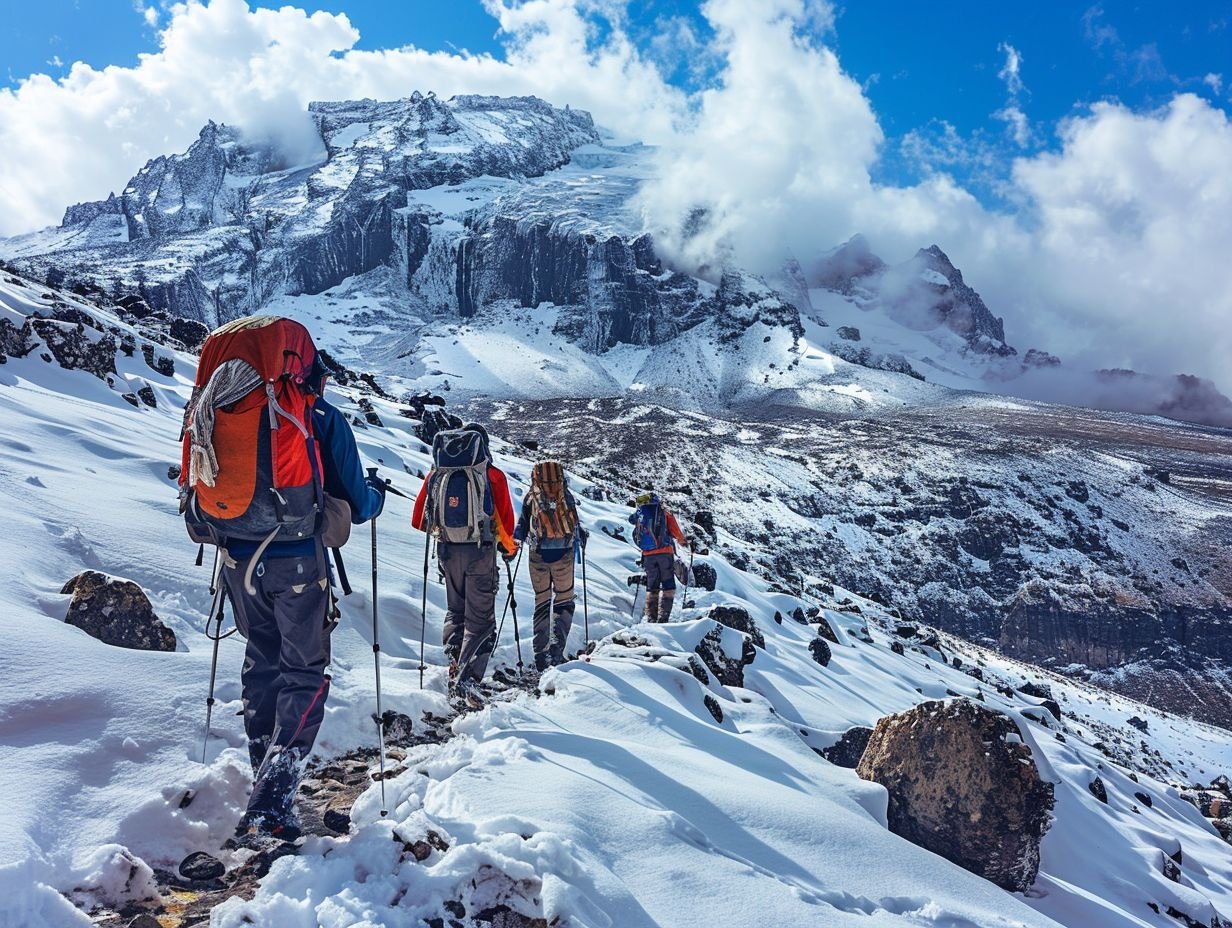
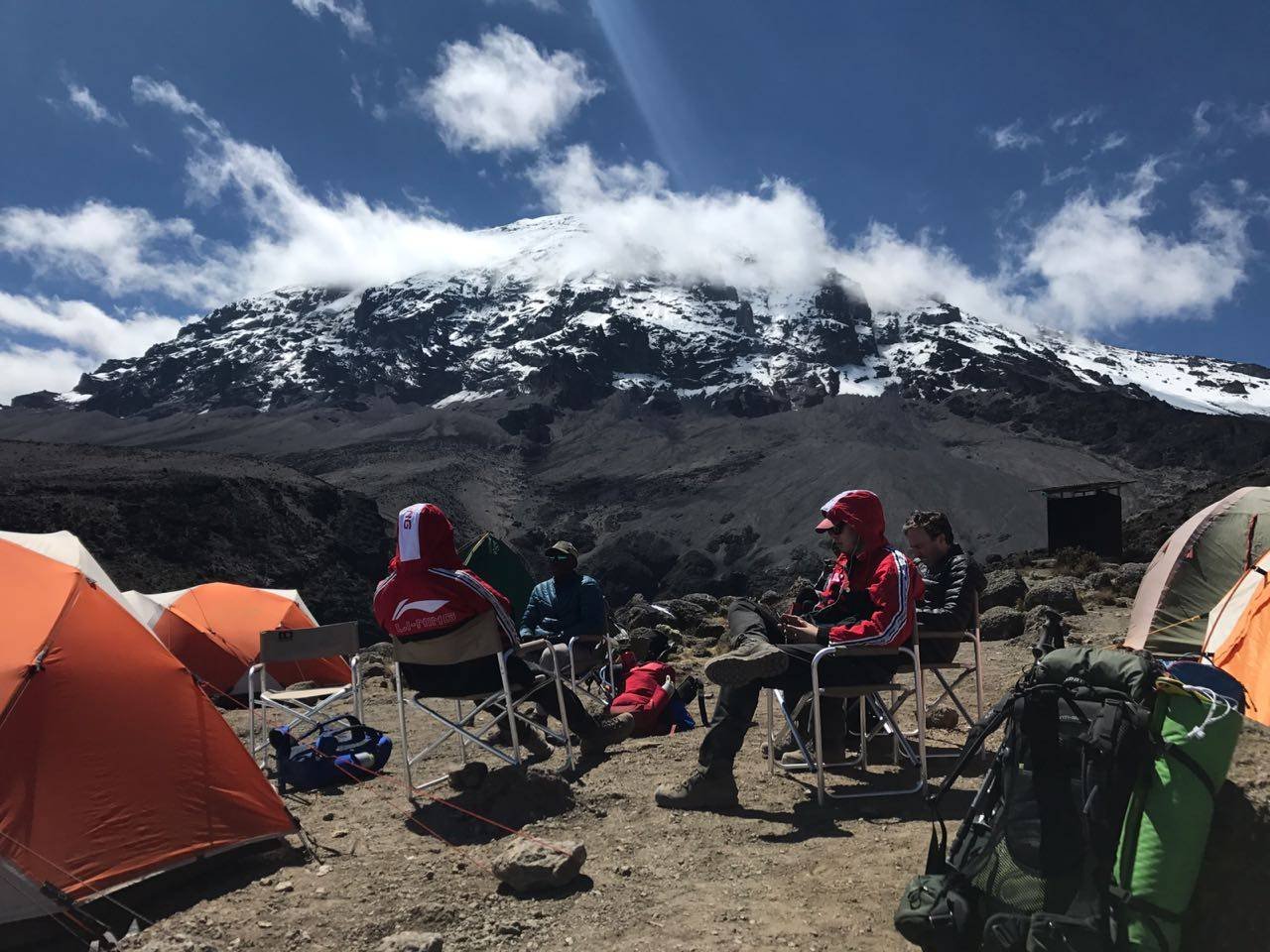
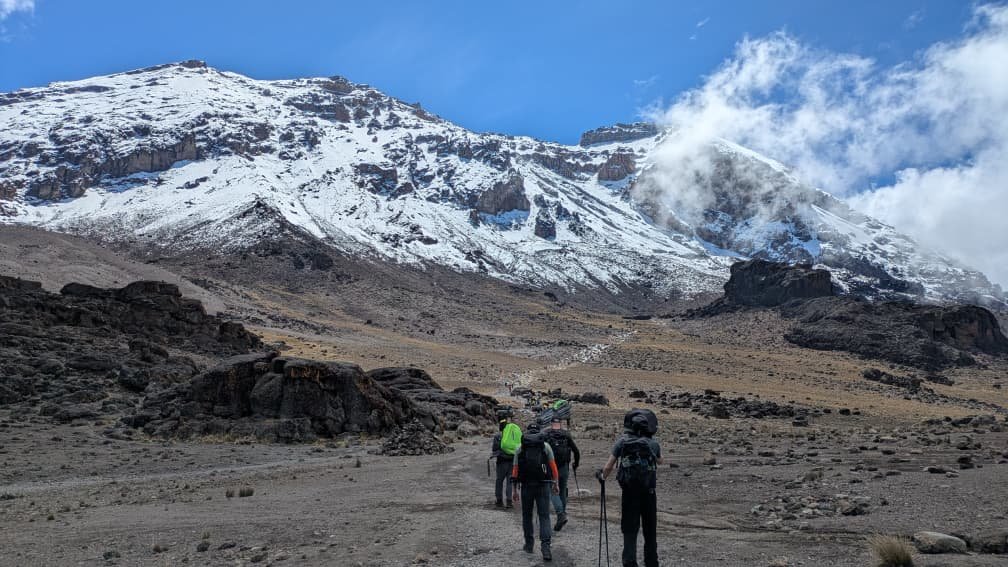
The environment around Kibo Hut is dramatically different from the lower mountain rainforest. Vegetation becomes sparse, the terrain is exposed, and the surrounding landscape reflects Kilimanjaro's volcanic history.
Kibo Hut and the Alpine Desert Environment
At this elevation, conditions are influenced by low temperatures, reduced oxygen availability, intense solar exposure and changing mountain weather.
The landscape is characterized by volcanic rock and limited plant life. Daytime sunshine can create a very different experience from temperatures after dark.
Kibo Hut vs Uhuru Peak
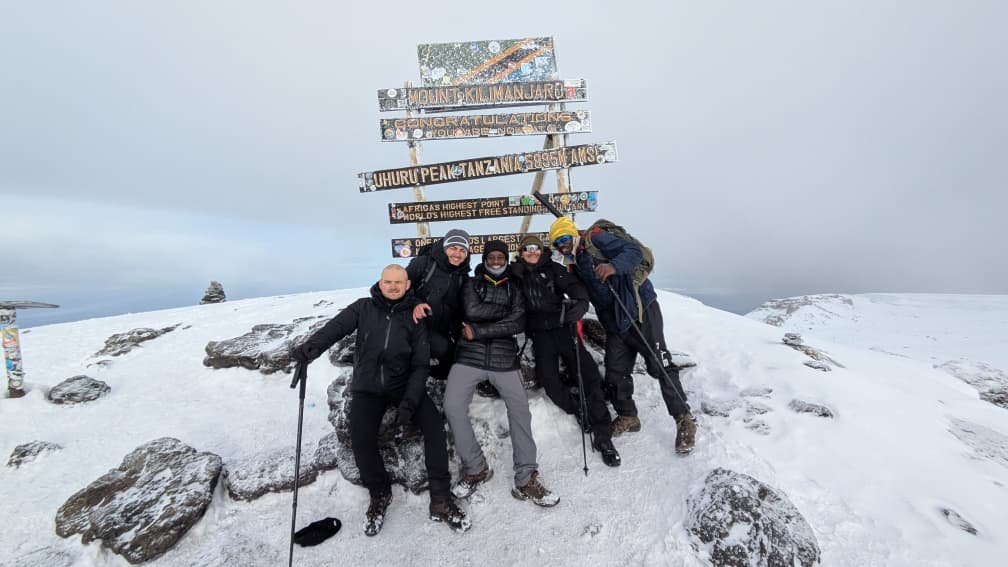
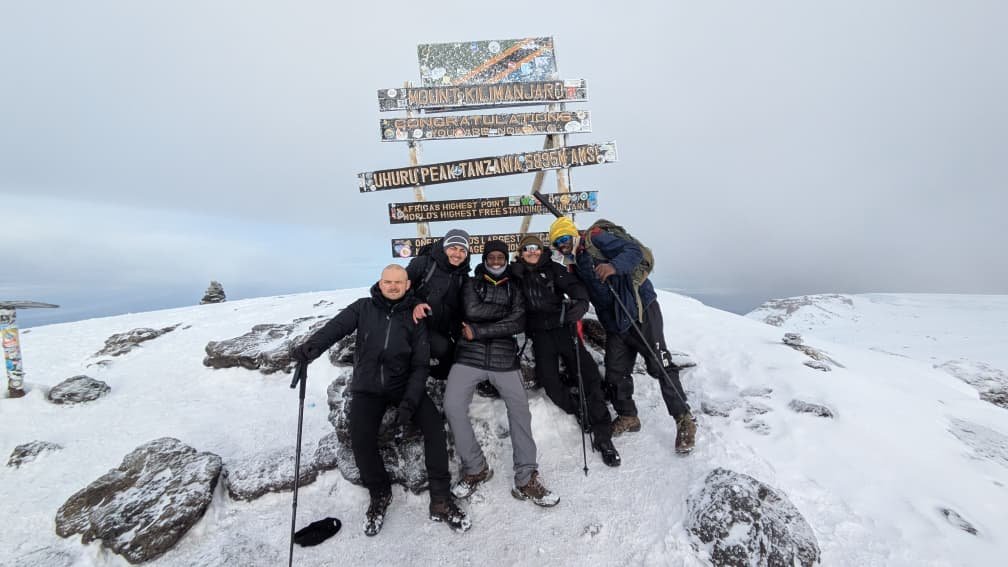
Kibo Hut is not the highest point on Mount Kilimanjaro. Uhuru Peak, the mountain's highest summit, stands at 5,895 meters above sea level.
The substantial elevation difference between the hut area and the summit illustrates why the upper mountain requires serious attention to altitude and safety.
| Location | Approximate Elevation | Geographical Significance | Further Information |
|---|---|---|---|
| Kibo Hut | About 4,700 m | High-altitude mountain facility | Read Details |
| Kibo Volcanic Cone | Upper volcanic massif | Highest of Kilimanjaro's volcanic formations | Read Details |
| Uhuru Peak | 5,895 m | Highest point in Africa | Safety Facts |
Kibo Hut Kilimanjaro 7 Days vs 8 Days – What Is the Difference?
A package advertised as a seven-day Kibo Hut itinerary is not necessarily the same program as an eight-day itinerary offered by another company.
The difference may involve one additional mountain day, a different approved route, or a variation in how arrival and departure days are counted.
For example, Rongai is commonly offered in seven-day and longer configurations. Some extended versions include additional time within the overall mountain schedule. Marangu programs, by contrast, are more commonly described as five-day or six-day treks.
Therefore, an eight-day advertisement involving Kibo Hut may refer to an extended Rongai itinerary, or a broader holiday package that includes non-trekking days.
7-Day and 8-Day Package Description Comparison
| Question | 7-Day Description | 8-Day Description | Explanation |
|---|---|---|---|
| Duration label | 7 Days | 8 Days | Verify whether the count refers to trekking days or the complete holiday. |
| Route identity | Must be specified | Must be specified | Kibo Hut does not identify the complete official route. |
| Extra calendar day | Not applicable | One additional day | Its purpose depends on the actual itinerary. |
| Accommodation | Route-dependent | Route-dependent | Marangu and Rongai use different overnight arrangements. |
| Altitude risk | Significant | Significant | Neither duration guarantees altitude tolerance. |
| Safety decisions | Professional judgment | Professional judgment | Medical and mountain conditions take priority. |
| Details | Read 7-Day Notes | Read 8-Day Notes | Safety Information |
Which Kilimanjaro Routes Are Associated with Kibo Hut?
The two routes most closely associated with Kibo Hut in standard trekking literature are Marangu and Rongai. Their approaches differ, even though they may share features of the upper mountain.
Marangu Route
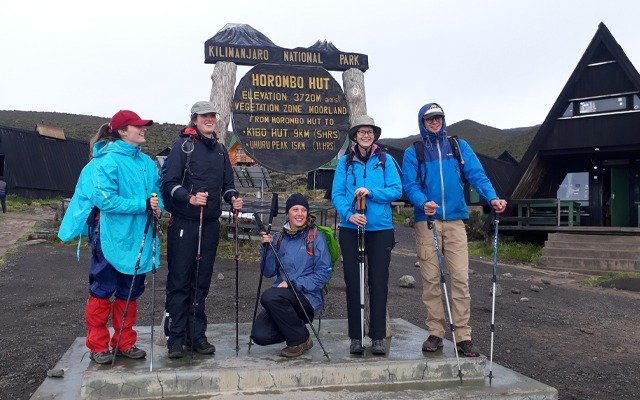
Marangu is notable for its designated mountain hut accommodation. Its traditional route structure includes Mandara, Horombo and Kibo facilities.
Standard Marangu itineraries are more frequently described as five or six days rather than seven or eight.
Explore Marangu InformationRongai Route
Rongai approaches the mountain from the north, with landscapes different from those experienced on Marangu.
Rongai typically uses camping accommodation and may incorporate the Kibo Hut area into its upper mountain itinerary.
Explore Rongai InformationMarangu Route and Kibo Hut
The Marangu Route has long been associated with Kilimanjaro's mountain hut system. Its geographical progression crosses distinct ecological zones, beginning in lower forest and reaching the exposed upper mountain.
Kibo Hut is an important feature of the route's upper accommodation infrastructure. The hut designation should not be confused with the name of the complete trail.
The existence of overnight mountain huts does not remove the environmental and medical challenges associated with high elevation.
Rongai Route and Kibo Hut
Rongai offers a northern geographical approach to Kilimanjaro. The northern landscape differs from the established eastern Marangu corridor.
Many Rongai itineraries eventually connect with the upper Kibo area and use the southeastern side for descent.
A seven-day or eight-day package that emphasizes Kibo Hut may therefore be connected with Rongai, but its official route identity should be stated clearly.
Marangu vs Rongai – Main Differences
| Feature | Marangu | Rongai | Explanation |
|---|---|---|---|
| Geographical approach | Eastern / southeastern side | Northern side | Different mountain landscapes and access corridors. |
| Common accommodation | Designated huts | Camping | Overnight arrangements are route-dependent. |
| Kibo Hut connection | Traditional hut location | Upper route landmark | Its function may differ by itinerary. |
| Typical duration names | 5 or 6 days | 6, 7 or extended days | Product descriptions vary by operator. |
| Mountain altitude | High-altitude exposure | High-altitude exposure | Serious altitude considerations apply to both. |
| Read more | Marangu Facts | Rongai Facts | Altitude Safety |
Kibo Hut, Mawenzi and the Volcanic Landscape of Mount Kilimanjaro
One of Kilimanjaro's most distinctive geographical features is the contrast between the rounded volcanic mass of Kibo and the dramatic, jagged ridges of Mawenzi.
The landscape between these formations is characterized by exposed terrain, ancient volcanic material and sparse vegetation.
At lower elevations, Kilimanjaro supports dense forest and a much wider range of plant life. In the upper alpine environment, harsh conditions limit vegetation considerably.
Kibo
Kibo is the mountain's highest volcanic formation and contains Uhuru Peak, the highest point in Africa.
Mawenzi
Mawenzi is known for its steep and jagged volcanic profile, creating one of Kilimanjaro's most recognizable mountain landscapes.
Shira
Shira is associated with the western plateau landscape and forms part of Kilimanjaro's volcanic history.
Why Does the Upper Mountain Have So Little Vegetation?
The upper reaches of Kilimanjaro experience lower temperatures, greater exposure and more demanding environmental conditions than the lower forest zone.
These factors restrict the growth of many plant species that are common at lower elevations.
Is Kibo Hut Located in the Rainforest?
No. Kibo Hut is positioned far above Kilimanjaro's lower montane rainforest, within the exposed high-altitude environment.
Kibo Hut Accommodation – What Does "Hut" Mean?
The word "hut" in Kilimanjaro travel literature refers to designated mountain accommodation facilities, not to a conventional hotel.
Basic mountain huts should not be compared with the services of hotels in Moshi or Arusha. Their purpose is tied to authorized mountain operations.
Kibo Hut vs Horombo Hut
Kibo Hut and Horombo Hut are different facilities situated at different elevations. Horombo lies substantially lower on Kilimanjaro.
The difference is particularly important when discussing weather conditions and high-altitude exposure.
Kibo Hut vs Mountain Camping
The availability of huts or tents depends on the official route and the approved overnight arrangements.
A Rongai itinerary should not be described as an entirely hut-based journey simply because it includes Kibo Hut as a route landmark.
| Facility Type | General Description | Relevant Route |
|---|---|---|
| Mountain hut | Basic designated high-altitude accommodation. | Marangu |
| Mountain campsite | Designated camping area within an authorized itinerary. | Rongai and other camping routes |
| Hotel accommodation | Accommodation outside the national park. | Moshi or Arusha |
How to Interpret 7-Day and 8-Day Kibo Hut Kilimanjaro Packages in 2026
Tour operators may use different methods of describing trip duration. Some product pages count only the days spent within the mountain itinerary, while others describe a complete holiday that includes arrival or departure.
A title such as "Kibo Hut Kilimanjaro 8 Days" therefore requires clarification before it can be accurately compared with a seven-day product.
Seven-Day Product Description
A seven-day label may refer to an extended mountain program, particularly when associated with a route such as Rongai.
However, the duration alone does not establish the official route, the number of overnight stops, or the exact services included.
Eight-Day Product Description
An eight-day label indicates an additional calendar day compared with a seven-day product, but the purpose of that day must be identified.
The additional day might belong to the mountain itinerary or to the wider travel arrangement. The advertised length should not be used as evidence of a particular health outcome.
Why Accurate Itinerary Counting Matters
Clear duration information helps readers understand the scope of an advertised Kilimanjaro travel package.
It also reduces confusion between mountain days, hotel nights and overall Tanzania holiday dates.
| Advertised Term | Meaning to Verify | Relevant Information |
|---|---|---|
| 7-Day Kibo Hut Route | Which official route and which days are included? | Route Explanation |
| 8-Day Kibo Hut Route | What is included in the extra calendar day? | Compare Terms |
| Marangu via Kibo Hut | Hut-based mountain route information. | Marangu Facts |
| Rongai via Kibo Hut | Northern route description and accommodation type. | Rongai Facts |
Weather and Seasonal Conditions Around Kibo Hut on Kilimanjaro
Conditions at Kibo Hut can differ dramatically from weather in Moshi or Arusha. Its high elevation creates a colder, more exposed mountain environment.
Weather is variable throughout the year. The seasonal patterns of northern Tanzania influence rainfall, clouds and visibility, but do not guarantee conditions on a particular mountain day.
Kilimanjaro's Different Climate Zones
| Climate Zone | General Features | Environmental Consideration |
|---|---|---|
| Lower Forest | Denser vegetation and comparatively humid conditions. | Rainfall and variable ground conditions. |
| Heath and Moorland | More open mountain landscape. | Increasing exposure to wind and temperature changes. |
| Alpine Desert | Sparse vegetation and rocky terrain. | Cold, dryness and strong daytime exposure. |
| Upper Summit Zone | Extreme high-altitude environment. | Serious cold, weather and altitude hazards. |
Does December Weather Differ from July?
Yes. Northern Tanzania experiences different seasonal rainfall patterns. December may be influenced by short-rains conditions, whereas July generally falls within the main dry season.
Even during relatively dry periods, upper mountain conditions can change rapidly.
Is Kibo Hut Warm During the Day?
Strong sunshine may occur at high elevation, but air temperature, wind and exposure can still create cold conditions. Sunshine does not remove the risk of extreme mountain weather.
Kibo Hut Altitude Safety, Acclimatization and Mountain Health
Kibo Hut is located at an elevation where oxygen availability is significantly lower than at sea level. This environment can affect physical and mental functioning.
High-altitude illness is a serious health consideration on Kilimanjaro. Risk cannot be assessed solely from age, physical fitness, package duration or previous travel experience.
What Is Altitude Illness?
Altitude illness refers to health problems associated with exposure to higher elevations. Possible symptoms include headache, nausea, dizziness, unusual fatigue and changes in appetite.
More serious warning signs can include confusion, difficulty coordinating movement and significant breathing problems. These require urgent medical assessment.
Does an Eight-Day Itinerary Eliminate Altitude Risk?
No. The number of days does not guarantee that a person will adapt safely to the altitude.
Individual responses vary, and medical concerns should always take priority over a planned schedule.
Is Kibo Hut Suitable for Everyone?
No mountain itinerary is universally suitable. High-altitude exposure requires individual consideration and appropriate professional assessment.
Can Physical Fitness Prevent Altitude Illness?
No. Being physically fit does not guarantee protection against altitude-related medical problems.
Kibo Hut, Kilimanjaro National Park and Responsible Mountain Tourism
Mount Kilimanjaro lies within Kilimanjaro National Park, a protected natural area managed by Tanzania National Parks Authority.
The mountain has outstanding environmental, geological and cultural significance. Its ecosystems extend from forest habitats to extreme alpine environments.
Why Are Official Park Regulations Important?
National park regulations support visitor safety, environmental protection and responsible tourism operations.
Visitors and tour companies should rely on current official information rather than unverified descriptions found in promotional material.
Conservation at Higher Elevations
Although the upper mountain appears barren, it remains part of a sensitive natural environment.
Protecting Kilimanjaro requires responsible management of waste, visitor activity and designated facilities.
Kibo Hut Route 7 Days or 8 Days – Frequently Asked Questions
1. Is Kibo Hut an official Kilimanjaro route?
No. Kibo Hut is a mountain facility associated with established Kilimanjaro routes. It is not a separate official trekking route.
2. Where is Kibo Hut on Kilimanjaro?
Kibo Hut stands at approximately 4,700 meters above sea level in Kilimanjaro's high-altitude alpine environment.
3. Which routes are associated with Kibo Hut?
Kibo Hut is particularly associated with Marangu and certain Rongai itineraries.
4. What does a 7-day Kibo Hut itinerary mean?
It is a seven-day package description that requires clarification of the official route and included travel days.
5. Is an 8-day Kibo Hut itinerary a separate route?
No. Eight days describes duration, not a separate official mountain route.
6. Are Marangu and Rongai the same route?
No. They approach Kilimanjaro from different geographical directions and have different typical accommodation arrangements.
7. Does Rongai have 7-day and 8-day versions?
Yes. Extended Rongai itinerary variations are described in published trekking literature. The exact content depends on the operator.
8. Is Marangu normally seven or eight days?
Marangu mountain itineraries are more commonly advertised as five or six days. Longer holiday descriptions may include additional services or days.
9. Is Kibo Hut higher than Horombo Hut?
Yes. Kibo Hut is located substantially higher on the mountain than Horombo Hut.
10. Is Kibo Hut the summit of Kilimanjaro?
No. Kilimanjaro's highest point is Uhuru Peak, at 5,895 meters above sea level.
11. Does Kibo Hut have hotel-style accommodation?
No. Mountain hut facilities should not be confused with conventional tourist hotels.
12. What is the weather like at Kibo Hut?
Conditions are generally colder and more exposed than in the lower mountain regions. Weather may change rapidly.
13. Does Kibo Hut experience altitude illness risk?
Yes. The high elevation creates a serious altitude-related health consideration.
14. Does physical fitness prevent altitude illness?
No. Fitness does not eliminate altitude-related health risks.
15. Is eight days guaranteed to be safer than seven?
No duration guarantees safety. Individual health, altitude exposure, weather and professional decisions are important.
16. Where can official Kilimanjaro information be found?
Tanzania National Parks Authority provides official information about Kilimanjaro National Park and its protected environment.
Understanding Kibo Hut and Kilimanjaro's 7-Day and 8-Day Programs
Kibo Hut is an important high-altitude location on Mount Kilimanjaro, but it should not be presented as an independent official trekking route.
The difference between a seven-day and an eight-day product depends on the complete route description, the meaning of the advertised duration and the approved mountain itinerary.
Accurate geographical information, responsible descriptions and careful attention to altitude safety are essential when explaining this region of Kilimanjaro.