
Traveling to Tanga, Tanzania, primarily involves flying into Julius Nyerere International Airport (JNIA) in Dar es Salaam and then taking a domestic flight or a scenic bus journey to Tanga. Alternatively, for those already in Kenya, direct bus services from Mombasa to Tanga offer a convenient overland option. Planning your travel for 2026-2027 involves considering the best arrival point, typical travel times, and local transport within Tanga to make your coastal adventure smooth and enjoyable.
Understanding Tanga as a Destination
Tanga, located on Tanzania’s northeastern coast, is a region often overlooked in favor of the more famous safari destinations or the spice island of Zanzibar. Yet, it offers a unique blend of history, culture, and natural beauty that appeals to travelers seeking a more authentic Tanzanian coastal experience. Historically, Tanga served as a significant port during the German colonial era and later for the British, leaving behind intriguing architecture and a layered past. Today, it’s a bustling commercial center, a gateway to the Usambara Mountains, and a launchpad for exploring less-visited beaches and islands. For those planning a trip in 2026 or 2027, understanding Tanga’s character is key to appreciating its understated charm. It’s not a destination that shouts for attention; rather, it rewards visitors who take the time to explore its quiet streets, engage with its friendly people, and discover its hidden gems. The pace of life is generally slower than in major cities like Dar es Salaam, offering a chance to relax and connect with local life. The region’s economy is largely based on agriculture, with sisal plantations once dominating the landscape, and fishing remains a vital industry. This provides a backdrop of rural tranquility juxtaposed with the energy of a working port town. When considering how to travel to Tanga, Tanzania, it’s important to set expectations: this is a place for discovery, not for the resort-style luxury found elsewhere, though comfortable accommodations are available. The infrastructure is developing, and while it can feel a bit rough around the edges at times, it contributes to its authentic appeal. It’s a destination that offers a different perspective on Tanzania, one that focuses on its coastal heritage, its agricultural heartland, and its growing importance as a regional hub.
Primary Routes and Transport Options to Tanga
Getting to Tanga involves a few logical steps, depending on your starting point and preferred mode of travel. The most common approach for international travelers is to first arrive in Tanzania’s largest city and primary international gateway, Dar es Salaam, and then make your way to Tanga. However, if you’re coming from neighboring Kenya, there’s a direct overland route that can be quite efficient.
Flying into Tanzania and Connecting to Tanga
Most international flights to Tanzania land at Julius Nyerere International Airport (JNIA) in Dar es Salaam. From JNIA, you have two main options to reach Tanga: a domestic flight or overland travel. Domestic flights are the quickest but also the most expensive. Overland travel, primarily by bus or private transfer, is more economical and offers a glimpse of the Tanzanian landscape.
When planning your 2026-2027 trip, booking your international flight to Dar es Salaam is the first major step. Airlines like Qatar Airways, Ethiopian Airlines, Turkish Airlines, and KLM are common carriers serving JNIA. It’s advisable to book these flights several months in advance, especially if you’re traveling during peak seasons in 2026 or 2027, to secure better fares and availability.
Overland Travel from Kenya
For travelers arriving in East Africa via Nairobi, Kenya, a direct overland route to Tanga is a viable and often preferred option. Buses run regularly from Mombasa, Kenya’s second-largest city and a major port, directly to Tanga. This route bypasses the need to fly into Dar es Salaam, saving time and potentially money.
Buses typically depart from Mombasa’s main bus terminal. The journey involves crossing the Kenya-Tanzania border at the Namanga or Lunga Lunga border crossings. While Namanga is more common for those heading to Arusha, the Lunga Lunga crossing is generally more direct for reaching Tanga from the Kenyan coast. Be prepared for border formalities, which can sometimes take time. It’s recommended to use reputable bus companies known for their reliability and safety. The travel time can range from 6 to 10 hours, depending on border crossing efficiency and road conditions.
For travelers planning their 2026-2027 journeys, researching current bus schedules and booking tickets in advance, especially for popular travel dates, is a good practice. Companies like Modern Coast and Scandinavia are often mentioned for inter-country travel, though local operators also ply this route.
Domestic Flights to Tanga
If time is a critical factor, or if you prefer to avoid long bus journeys, a domestic flight from Dar es Salaam to Tanga is the most efficient option. Tanga has its own small airport, Tanga Airport (TGT). Several Tanzanian airlines, such as Precision Air or Coastal Aviation, often operate routes to Tanga from JNIA.
The flight duration is typically around 45 minutes to 1 hour. While significantly faster than the bus, this option comes at a higher cost. Prices can vary considerably based on the airline, booking time, and season. For planning your 2026-2027 trip, checking airline websites or using flight comparison tools for these domestic routes is essential. Booking domestic flights at least a few weeks ahead is advisable, particularly for travel during holidays or peak tourist periods in 2026 and 2027.
Bus Travel Within Tanzania
For travelers who have arrived in Dar es Salaam and wish to reach Tanga by land, the bus is the most popular and economical method. Numerous bus companies operate daily services between Dar es Salaam and Tanga. The main bus terminal in Dar es Salaam for long-distance travel to the north is often referred to as Ubungo Bus Terminal.
The journey from Dar es Salaam to Tanga by bus typically takes between 5 to 8 hours, depending on traffic, road conditions, and the number of stops. Buses range from basic public transport to more comfortable, semi-luxury options with air conditioning. It’s wise to opt for a more comfortable service if available, especially for longer journeys. Tickets can usually be purchased at the bus terminal on the day of travel, but for popular routes or during busy periods in 2026-2027, booking a day or two in advance is a good idea.
When selecting a bus, look for companies that are known for punctuality and safety. Ask locals or your accommodation for recommendations. The scenery along the route offers a glimpse into rural Tanzanian life, passing through villages and agricultural landscapes.
Private Transfers and Car Hire
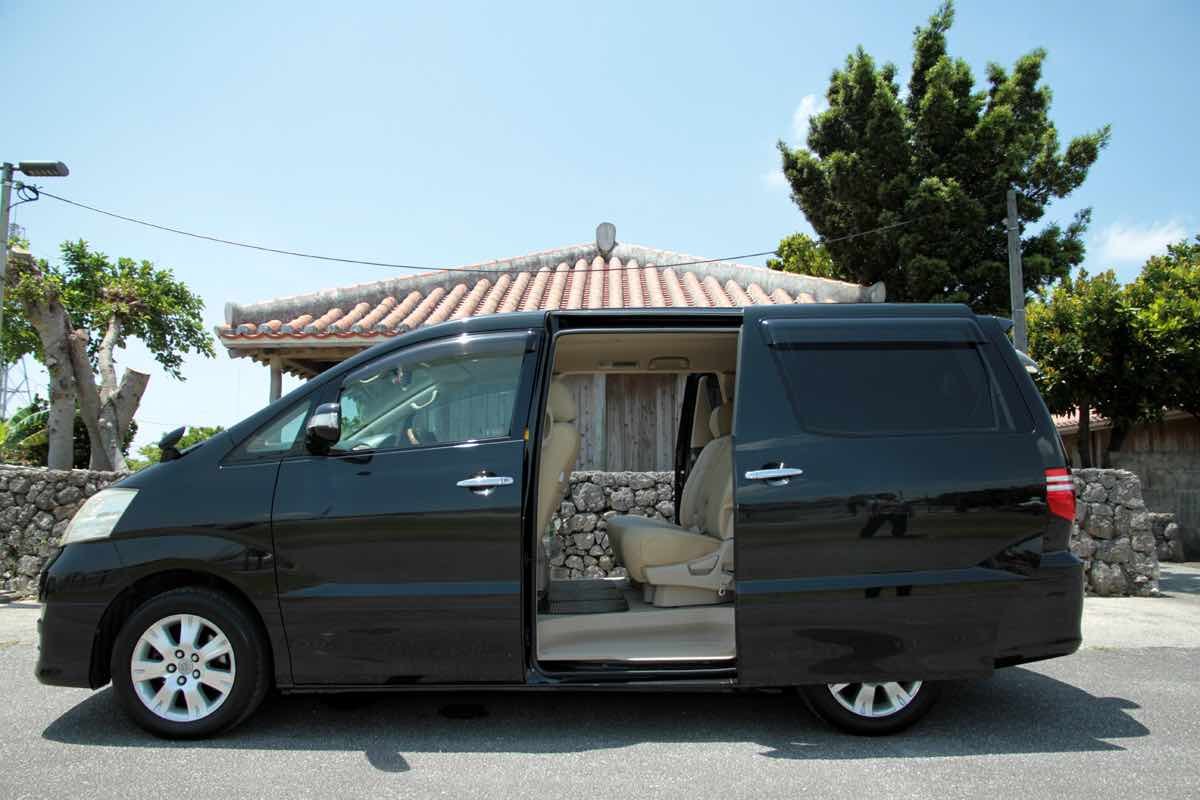
For ultimate convenience and flexibility, especially if you are traveling in a group or have specific timing requirements, a private transfer from Dar es Salaam to Tanga can be arranged. This involves hiring a vehicle with a driver, which can be booked through tour operators or directly from reputable transport companies in Dar es Salaam.
This option is the most expensive but offers door-to-door service, comfort, and the ability to make stops along the way. It can be particularly appealing if you are combining your Tanga trip with other destinations or have a lot of luggage. The travel time is similar to the bus, around 5-8 hours, but can be more direct. For travelers planning significant trips in 2026-2027, discussing private transfer options with a local operator like Climb 4 Africa can provide tailored solutions.
Car hire is also an option, but it’s generally recommended for experienced drivers familiar with Tanzanian road conditions. Roads can vary in quality, and navigation can be challenging. If you opt for car hire, ensure you have a reliable vehicle, GPS, and a good map. It’s often more practical to hire a car with a local driver for longer journeys within Tanzania.
Navigating Tanga Once You Arrive
Once you’ve successfully reached Tanga, getting around the city and its immediate surroundings is relatively straightforward, though it requires understanding the local transport landscape. The options range from very basic and economical to more comfortable, albeit pricier, choices.
Local Dala-dalas
Dala-dalas are the backbone of public transportation in most Tanzanian towns and cities, and Tanga is no exception. These are typically minibuses or converted pick-up trucks that operate on fixed routes throughout the city and to nearby villages. They are incredibly affordable, making them the primary mode of transport for many locals.
Traveling by dala-dala offers an authentic cultural experience. You’ll get to see daily life unfold and interact with residents. However, they can be crowded, especially during peak hours, and routes might not always be immediately obvious to a visitor. Look for signs indicating destinations or ask locals which dala-dala goes to your specific area. Fares are usually very low, often less than a dollar for most city routes. For those on a tight budget planning their 2026-2027 travels, dala-dalas are the way to go.
Taxis and Tuk-tuks
For more comfort and direct service, taxis and tuk-tuks (three-wheeled auto-rickshaws) are readily available in Tanga. Taxis are generally cars, while tuk-tuks are suitable for shorter distances or navigating narrower streets. They offer a more personalized journey than dala-dalas and can take you directly to your destination.
It is crucial to negotiate the fare before starting your journey, as taxis and tuk-tuks in Tanga do not typically use meters. Agreeing on a price beforehand prevents misunderstandings and ensures you get a fair rate. For longer distances or airport transfers, pre-booking a taxi through your hotel or a trusted local contact is often recommended. Tuk-tuks are particularly useful for getting around the town center and to nearby attractions. While more expensive than dala-dalas, they offer a good balance of convenience and affordability for many visitors.
Car Rental in Tanga
While not as common as in larger cities, car rental services are available in Tanga, particularly for those wishing to explore the wider region, including the Usambara Mountains or more remote coastal areas. Renting a car can provide significant flexibility, allowing you to set your own pace and visit places off the usual tourist trail.
However, it’s important to be aware of the challenges. Road conditions outside the main city can be poor, and navigation can be difficult. If you’re not an experienced driver in African conditions, it’s often more practical and safer to hire a vehicle with a local driver. Many tour operators in Tanga can arrange this, combining transport with local knowledge. For extended exploration planned for 2026-2027, consider if self-drive is truly necessary or if a driver-guide would enhance your experience. Ensure any rental vehicle is in good mechanical condition and that you have comprehensive insurance.
Best Time to Visit Tanga for 2026-2027
Choosing the right time to visit Tanga significantly impacts your experience, particularly regarding weather, crowd levels, and the availability of activities. Tanga, like much of Tanzania’s coast, has a tropical climate characterized by heat and humidity year-round, with distinct wet and dry seasons.
Understanding Tanga’s Climate
Tanga experiences a hot and humid climate throughout the year. Temperatures typically range from 25°C to 30°C (77°F to 86°F), with higher humidity levels contributing to the feeling of warmth. The coastal location means there’s usually a refreshing sea breeze, which can offer some relief.
The two main seasons are the dry season and the rainy season. The rainy season is further divided into the ‘long rains’ and the ‘short rains’. Understanding these patterns is crucial for planning your visit in 2026 or 2027.
Peak Seasons and Shoulder Seasons
The dry season, generally from June to October, is considered the most favorable time to visit Tanga. During these months, rainfall is minimal, skies are often clear, and temperatures are slightly more moderate, especially in August and September. This period is ideal for exploring the beaches, islands, and historical sites without the interruption of rain. It also coincides with the general peak tourist season in Tanzania, so expect slightly higher prices for accommodation and flights, and potentially more visitors, though Tanga remains less crowded than other major destinations.
Shoulder seasons, such as the period between the short rains and the dry season (around November to December) or just after the long rains (around March to May, though this is less ideal due to lingering rain), can also be good times to visit. You might find fewer crowds and potentially better deals on accommodation. However, you should be prepared for occasional rainfall.
Planning for Rainy Seasons
Tanga has two distinct rainy periods: the long rains from March to May and the short rains from late October to November. The long rains are typically heavier and more prolonged, with daily downpours that can make outdoor activities challenging. Roads can become muddy and difficult to navigate, and some ferry services might be affected.
The short rains are usually less intense, characterized by scattered showers that often occur in the afternoon or evening, leaving mornings and days clear. While not ideal for beach activities, these periods can be beautiful, with lush green landscapes. If you choose to travel during the rainy season for 2026-2027, be prepared for potential disruptions, pack appropriate rain gear, and focus on indoor activities or shorter excursions. On the plus side, you’ll likely encounter very few tourists and find more competitive prices.
When making your travel plans for 2026-2027, it’s wise to check weather forecasts closer to your travel dates. However, for general planning, the June-October window offers the most reliable weather for enjoying Tanga’s coastal attractions.
Essential Pre-Trip Planning for Tanga
To ensure a smooth and enjoyable trip to Tanga, Tanzania, thorough pre-trip planning is essential. This covers everything from legal requirements and health precautions to financial matters and practical packing. Being prepared will allow you to focus on the experience rather than dealing with unexpected issues.
Visas and Entry Requirements
Most foreign nationals require a visa to enter Tanzania. The visa application process can typically be done online through the Tanzanian immigration website or upon arrival at major entry points like JNIA in Dar es Salaam. However, it is highly recommended to apply for your visa in advance to avoid potential delays or complications at the airport.
Visa requirements and fees can vary depending on your nationality. It’s crucial to check the latest regulations with the Tanzanian embassy or consulate in your home country or on the official Tanzanian immigration website well before your planned travel in 2026-2027. Some nationalities may be eligible for visa-on-arrival, but confirming this beforehand is wise. Ensure your passport is valid for at least six months beyond your intended stay and has sufficient blank pages.
Health and Vaccinations
Consulting a travel health professional or your doctor at least 4-6 weeks before your trip is highly recommended. They can provide up-to-date advice on necessary vaccinations and health precautions for Tanzania.
Commonly recommended vaccinations include Hepatitis A, Typhoid, Tetanus, and Diphtheria. A Yellow Fever vaccination certificate may be required for entry, especially if you are arriving from or have recently visited a country with a risk of Yellow Fever. Malaria is prevalent in Tanzania, including coastal areas like Tanga. Your doctor will advise on appropriate malaria prophylaxis (preventative medication) and mosquito bite prevention strategies, such as using repellent with DEET and sleeping under treated mosquito nets. It’s also advisable to have a basic first-aid kit with personal medications, pain relievers, and remedies for common ailments like upset stomachs.
For your 2026-2027 travel, ensure you are up-to-date with all recommended health measures. Access to medical facilities in Tanga is available, but for serious emergencies, evacuation to Dar es Salaam or international medical facilities might be necessary.
Currency and Money Matters
The official currency in Tanzania is the Tanzanian Shilling (TZS). While USD is widely accepted in tourist areas and for larger transactions (like safari packages), it’s essential to have local currency for everyday expenses, local markets, and smaller purchases. Exchange rates for USD can vary, and you often get a better deal using Shillings for local transactions.
ATMs are available in Tanga, but they can sometimes be unreliable, and they dispense TZS. It’s advisable to carry a mix of cash (USD in good condition for initial expenses and exchange, plus TZS for daily use) and cards. Major credit cards (Visa and MasterCard) are accepted in larger hotels and some restaurants, but smaller establishments and local vendors will only accept cash. Inform your bank about your travel dates to avoid your cards being blocked. For planning your 2026-2027 budget, factor in the exchange rate and the cost of local goods and services.
Packing Essentials for the Coast
Packing for Tanga requires considering the tropical climate, potential for rain, and the types of activities you plan to undertake. Light, breathable clothing is paramount.
* Clothing: Lightweight cotton or linen shirts and trousers, t-shirts, shorts, and skirts. Include a couple of long-sleeved shirts and long trousers for sun protection and evenings. A light rain jacket or poncho is advisable, especially if traveling outside the driest months. For visiting mosques or more conservative areas, modest attire (covering shoulders and knees) is appreciated.
* Footwear: Comfortable walking shoes or sandals. Flip-flops or beach sandals for the coast. Water shoes can be useful for exploring rocky shorelines or boat trips.
* Sun Protection: High SPF sunscreen, a wide-brimmed hat, and sunglasses are essential.
* Health & Toiletries: Insect repellent (with DEET), hand sanitizer, any personal medications, a basic first-aid kit.
* Documents: Passport, visa (if required), flight tickets, travel insurance details, copies of important documents.
* Electronics: Camera, power bank, universal adapter (Tanzania uses Type D and Type G sockets).
* Miscellaneous: A reusable water bottle, a small backpack for day trips.
When packing for your 2026-2027 trip, remember that many items can be purchased locally, but quality and selection may vary.
Language and Communication
The official language of Tanzania is Swahili (Kiswahili). English is also widely spoken, especially in tourist areas, hotels, and by educated individuals. In Tanga, you’ll find that many people involved in tourism, hospitality, and business speak English.
Learning a few basic Swahili phrases can greatly enhance your interactions with locals. Phrases like “Jambo” (Hello), “Asante” (Thank you), “Karibu” (Welcome/Please), and “Habari?” (How are you?) are always appreciated. While you can navigate Tanga comfortably with English, making an effort with Swahili demonstrates respect and can open doors to more genuine connections. Mobile phone coverage is generally good in Tanga, and local SIM cards are readily available and affordable if you need to stay connected. Wi-Fi is common in hotels and cafes, though connection speeds can vary.
Exploring Tanga and Its Surrounds
Tanga offers a rich mix of attractions, from historical remnants and vibrant local life to natural escapes. While it might not boast the dramatic landscapes of Kilimanjaro or the abundant wildlife of Serengeti, its coastal charm and unique cultural heritage provide ample opportunities for exploration.
Historical and Cultural Sites
Tanga’s past as a colonial port city has left a tangible legacy. A walk through the town center reveals remnants of German and British colonial architecture, some of which are still in use today. Look out for old administrative buildings, former trading houses, and the historic railway station.
* Amboni Caves: Located just north of Tanga, these extensive limestone caves are a significant geological and historical site. Local guides can take you through the caves, sharing legends and explaining their formation. The caves are believed to have been used for rituals and as a refuge over centuries. The air inside is cooler, offering a respite from the coastal heat.
* Old German Boma: This is one of the most prominent colonial buildings, a former administrative center that speaks to Tanga’s past. While access inside might be limited, its exterior architecture is noteworthy.
* Tanga Museum: While modest, the museum offers insights into the region’s history, ethnography, and natural heritage. It’s a good place to start to get an overview of Tanga’s story.
* Local Markets: experience the vibrant local culture by visiting Tanga’s bustling markets. The central market is a sensory experience, filled with fresh produce, spices, crafts, and local goods. It’s a fantastic place to observe daily life and perhaps pick up some souvenirs.
Beaches and Islands
Tanga’s coastline is dotted with beautiful, often uncrowded beaches and small islands that are perfect for relaxation and exploration.
* Ushongo Beach: South of Tanga, Ushongo is a popular spot known for its long, sandy stretch and the iconic ‘Bongoyo Island’ sandbar that appears at low tide. It’s a great place for swimming, sunbathing, and enjoying fresh seafood at local bandas (huts).
* Kwale Island: Accessible by boat from Tanga, Kwale Island is part of the Maziwe Marine Reserve, famous for its clear waters and coral reefs. It’s an excellent destination for snorkeling and diving, with opportunities to see a variety of marine life. Keep an eye out for dolphins during the boat trip.
* Pemba Island: While not directly part of Tanga, Pemba Island is relatively accessible from Tanga by ferry or flight and offers a more remote and unspoiled island experience compared to Zanzibar. It’s renowned for its lush landscapes, ancient traditions, and exceptional diving and snorkeling opportunities.
* Saadani National Park: Although primarily a wildlife destination, Saadani’s coastline offers pristine beaches and is the only wildlife sanctuary in Tanzania that borders the Indian Ocean. You can combine a beach visit with game drives to see animals like elephants, lions, and various antelope species on the beach itself.
Nature and Wildlife Experiences
Beyond the beaches, Tanga region offers diverse natural landscapes and opportunities for wildlife encounters.
* Usambara Mountains: A short drive inland from Tanga, the Usambara Mountains are a biodiversity hotspot. Lush rainforests, rolling hills, and panoramic views characterize this area. Hiking trails lead through forests and villages, offering a chance to see unique flora and fauna, including endemic bird species. Consider guided treks for the best experience.
* Amani Nature Reserve: Located within the Usambara Mountains, this reserve is a haven for nature lovers, known for its high concentration of endemic species, particularly plants and insects. It’s a fantastic place for birdwatching and exploring pristine montane forests.
* Sigi River: Boat trips on the Sigi River can offer a chance to see mangrove ecosystems and birdlife. It provides a different perspective on the coastal environment.
When planning your explorations for 2026-2027, consider combining different aspects of Tanga – perhaps a few days exploring historical sites, followed by relaxation on Ushongo beach, and a day trip to the Usambara foothills.
Booking Your Tanga Adventure with Climb 4 Africa
While Tanga itself is not a primary focus for Kilimanjaro climbs or traditional safaris, Climb 4 Africa specializes in creating comprehensive and tailor-made Tanzanian travel experiences. We understand the logistics of travel within Tanzania and can seamlessly integrate Tanga into a broader itinerary or arrange dedicated coastal explorations. Whether you’re looking for a relaxing beach extension after a Kilimanjaro climb or a cultural immersion in the coastal region, we can help.
Our expertise lies in providing practical, locally-supported travel solutions. For your 2026-2027 travel plans, if you’re interested in exploring Tanga, its historical sites, the Usambara Mountains, or its lesser-known beaches, we can assist with arranging reliable transportation, suitable accommodations, and guided tours. We can organize private transfers, recommend local guides, and ensure your journey to and around Tanga is as smooth as possible.
To discuss how to travel to Tanga, Tanzania, as part of a larger Tanzanian adventure, or to plan a specific trip focused on the coastal region, please feel free to reach out. We offer personalized service to craft an itinerary that meets your interests and budget. You can contact us via WhatsApp at +255 747 477 898 or send an email to climb4africa@gmail.com. Let us help you discover the authentic charm of Tanga and its surrounding areas for your 2026-2027 travels.
Check Availability for How To Travel To Tanga, Tanzania: Your Essential Guide For 2026-2027
Ready to compare dates, prices, and the best option for your group? Send the package name and travel month so the team can reply with a clear quote, availability, and what is included.



