
Traveling to Singida, Tanzania, primarily involves flying into Dodoma Airport (all-weather) or Arusha Airport (seasonal light aircraft) and then arranging road transport, or driving directly from major Tanzanian cities like Dar es Salaam or Arusha. The journey requires careful planning, especially for those seeking direct access to Singida’s unique cultural and natural attractions, with options becoming more accessible for 2026-2027 travel as infrastructure develops.
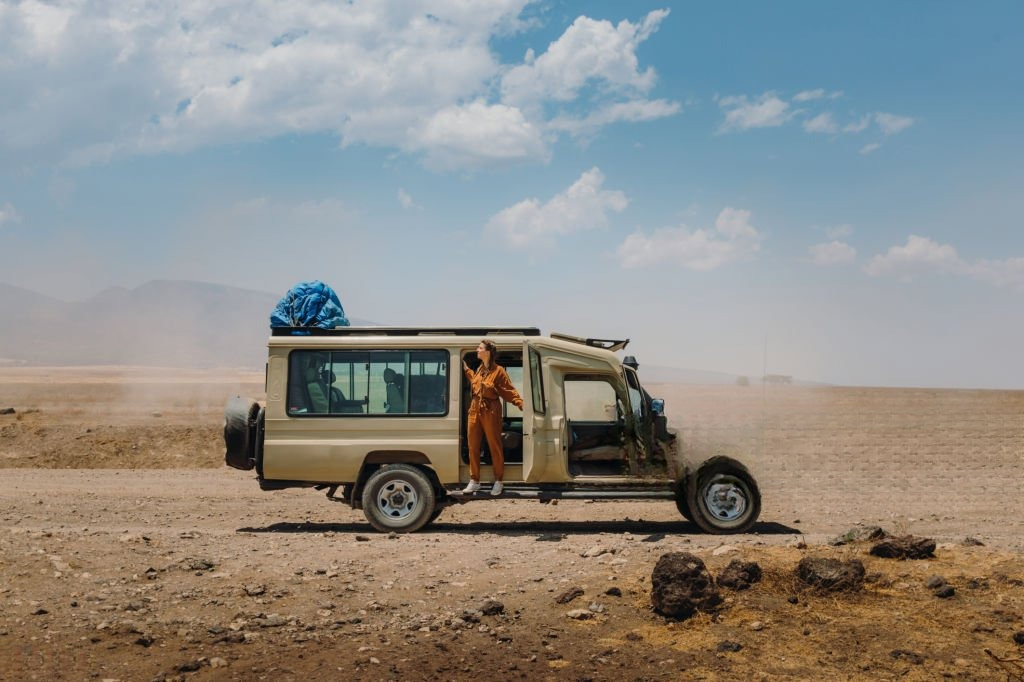

Introduction to Singida
Singida, a region in central Tanzania, often lies off the typical tourist radar, overshadowed by the more famous northern safari circuits and the island of Zanzibar. Yet, for the traveler seeking an authentic glimpse into Tanzanian life, its diverse cultures, and less-explored natural beauty, Singida offers a rewarding experience. This region is a mosaic of landscapes, from vast plains and shimmering lakes to areas rich in historical significance and vibrant local traditions. Understanding how to travel to Singida is the first step towards uncovering its unique charm, particularly as planning for trips in 2026 and 2027 begins to take shape, with potential for improved accessibility and tourism infrastructure.
Unlike many destinations that are easily reached by direct flights or well-established tourist routes, Singida presents a travel planning challenge that requires a bit more research and logistical foresight. Its location in the heart of Tanzania means that reaching it often involves a combination of air and road travel, or a significant overland journey. This guide aims to demystify the process of how to travel to Singida, Tanzania, providing practical advice for independent explorers and those looking to integrate this region into a broader Tanzanian adventure. We’ll cover the most effective transport methods, what to expect on arrival, and how to make the most of your visit, whether you’re interested in cultural immersion, wildlife viewing, or simply experiencing a different facet of Tanzania.
As travel patterns evolve towards more authentic and off-the-beaten-path experiences, Singida is poised to become a more significant destination for discerning travelers in the coming years. By the time 2026-2027 arrives, we anticipate a greater understanding and appreciation for what this central Tanzanian gem has to offer. This comprehensive overview is designed to equip you with all the necessary information to plan a successful and memorable journey to Singida.
Getting to Singida: Your Primary Transport Options
The question of how to travel to Singida, Tanzania, is fundamentally about navigating its central location. It’s not a destination with a major international airport directly serving it, meaning most visitors will combine air and road travel, or undertake a substantial drive. The most common gateways and routes depend on your starting point within Tanzania or from abroad.
Flying to Dodoma and Road Transfer
The closest major airport with all-weather capabilities is Dodoma Airport (DOD), the capital city of Tanzania. While Dodoma does not have direct international flights, it is served by domestic airlines from Dar es Salaam and other Tanzanian hubs. Flights from Dar es Salaam to Dodoma are generally reliable and offer a comfortable way to cover a significant distance relatively quickly. Upon arrival at Dodoma Airport, you will need to arrange onward road transport to Singida town. The distance between Dodoma and Singida is approximately 160-180 kilometers, and the journey by road typically takes between 3 to 4 hours, depending on road conditions and the type of vehicle.
For 2026-2027 travel, it’s worth checking the flight schedules of airlines like Precision Air or Auric Air, which frequently operate these domestic routes. Booking your flight to Dodoma in advance is advisable, especially during peak travel seasons. Once you have landed, you can either pre-arrange a private transfer with a local tour operator or taxi service in Dodoma, or seek a taxi at the airport. Private transfers offer the most convenience and security, allowing you to travel directly to your accommodation in Singida. Shared taxis or minibuses (daladalas) are also an option for budget-conscious travelers, but they will be less direct and take longer.
Flying to Arusha and Overland Journey
Arusha Airport (ARK) is another potential entry point, particularly if your travel plans include a safari in the northern circuit before heading to Singida. Arusha is a major hub for tourism in Tanzania, with more frequent domestic flights from Dar es Salaam and Kilimanjaro International Airport (JRO). From Arusha, you can take a light aircraft flight to Singida’s small airstrip. These flights are typically operated by smaller charter companies and are subject to weather conditions and demand. This option is generally more expensive than flying to Dodoma and then driving, but it can save considerable overland travel time if you are already in Arusha.
Alternatively, if direct flights to Singida airstrip are not feasible or too costly, you can drive from Arusha to Singida. This overland journey is longer than from Dodoma, covering approximately 400-450 kilometers and taking around 6 to 8 hours. The roads can vary in quality, with some sections being well-maintained and others more challenging, especially after rainy periods. This route offers a chance to see more of the Tanzanian landscape but requires a full day of travel. For 2026-2027, it’s important to confirm the availability and schedules of light aircraft services to Singida, as these can change based on operational needs.
Driving from Dar es Salaam
For many, Dar es Salaam, Tanzania’s largest city and primary international gateway, will be your starting point. Driving from Dar es Salaam to Singida is a substantial road trip, covering roughly 600-650 kilometers. The journey typically takes between 9 to 12 hours, depending heavily on traffic leaving Dar es Salaam, road conditions, and stops made along the way. The route primarily follows the main highway towards Dodoma before branching off towards Singida. While it’s a long drive, it’s a common way to travel for locals and offers a deep look at the country’s changing scenery, from coastal plains to the central plateau.
It is generally recommended to break this journey, perhaps with an overnight stop in Dodoma, especially if you are not accustomed to long-distance driving in Tanzania. If you choose to drive directly, ensure you have a reliable vehicle, ideally a 4×4 or a sturdy saloon car, and start early in the morning. The roads are mostly paved, but conditions can deteriorate, particularly in the rainy seasons (typically March-May and November). Hiring a private driver with a suitable vehicle is a comfortable and safe option, allowing you to relax and enjoy the scenery. This is a viable option for travelers in 2026-2027 looking for an independent adventure.
Driving from Arusha
As mentioned earlier, driving from Arusha to Singida is a feasible, albeit lengthy, option. The route passes through Babati and Manyara, offering glimpses of the Rift Valley landscapes. The road quality can be mixed, with some stretches being excellent and others requiring slower speeds. It’s a journey best undertaken with a good vehicle and a driver familiar with the route. Starting early from Arusha is essential to reach Singida within daylight hours, which is generally safer for navigating unfamiliar terrain. This overland travel method allows for stops at points of interest, such as Lake Manyara National Park if time permits, though it would significantly extend the travel day.
For 2026-2027, consider the possibility of improved road conditions on this route as part of Tanzania’s ongoing infrastructure development. However, always factor in buffer time for unexpected delays. Hiring a reputable safari vehicle and driver from Arusha is a popular choice for tourists combining northern circuit safaris with central Tanzania exploration.
Driving from Other Regions
If you are arriving in Tanzania via Kilimanjaro International Airport (JRO) and prefer to drive directly to Singida without first going to Arusha town, you can arrange a transfer. This route is similar to driving from Arusha, but you would start from the airport vicinity. Similarly, if you are coming from regions further west or south, you would likely connect to the main highway systems leading towards Dodoma and then Singida. Planning these longer inter-regional journeys requires careful consideration of vehicle suitability, driver experience, and potential overnight stops.
Public Transport Considerations
For the truly budget-conscious or adventurous traveler, public transport is an option, though it is time-consuming and less comfortable. Buses operate between major towns like Dar es Salaam, Dodoma, and Arusha, and some services may extend towards Singida. However, direct bus routes to Singida can be infrequent, and the journey can take over 12-15 hours, with multiple changes often necessary. These buses can be crowded, and luggage space might be limited. For those prioritizing efficiency and comfort, especially for a trip in 2026-2027 when time might be more valuable, private transport or domestic flights are generally recommended over extensive public bus travel.
Understanding the Singida Region
The Singida Region is situated in the central part of Tanzania, a vast administrative area characterized by a mix of semi-arid landscapes, agricultural land, and significant water bodies. It is bordered by the regions of Shinyanga, Tabora, Mwanza, Manyara, Dodoma, and Iringa. Its strategic location makes it a transit point for goods and people moving between different parts of the country, yet it retains a distinct identity shaped by its geography and the communities that inhabit it.
Geographically, Singida is part of the central plateau, with elevations ranging from around 1,000 to 1,500 meters above sea level. The region is known for its numerous small lakes, including Lake Singidani and Lake Kitangiri, which are important for local fishing industries and attract various bird species. The climate is generally dry for much of the year, with a distinct rainy season that typically runs from November to April. Temperatures can be high, especially in the dry season, so preparation for heat is essential. The economy is largely driven by agriculture, with crops like maize, sunflowers, and beans being widely cultivated, alongside livestock farming.
Culturally, Singida is a melting pot. It is home to several ethnic groups, with the Nyiramba, Nyaturu, and Sukuma being among the most prominent. These communities have rich traditions, distinct languages, and unique social structures. The region also has a historical connection to the Maasai people, who have grazing lands and cultural influences extending into Singida. Understanding this diverse cultural mix is key to appreciating the region beyond its landscapes. For travelers in 2026-2027, the opportunity to engage with these local communities offers a profound insight into authentic Tanzanian life, far from the more commercialized tourist hubs.
What to See and Do in Singida
While Singida might not boast the world-renowned national parks of the north, it offers a compelling array of experiences for those willing to explore. Its appeal lies in its authenticity, cultural richness, and opportunities for unique wildlife and natural encounters.
Cultural Experiences: Maasai and Other Communities
One of the most rewarding aspects of visiting Singida is the opportunity to engage with its diverse ethnic groups. The region is home to communities like the Nyaturu and Nyiramba, whose traditional ways of life remain vibrant. Visitors can arrange visits to local villages to learn about their customs, agricultural practices, and social structures. These are not staged performances but genuine opportunities for cultural exchange, offering a glimpse into daily life. The presence of Maasai communities also adds another layer of cultural richness, with opportunities to learn about their semi-nomadic pastoral lifestyle, traditional attire, and social organization.
Organizing these visits requires sensitivity and respect. It’s often best done through local guides or community-based tourism initiatives that ensure interactions are respectful and beneficial to the communities. For 2026-2027, consider tours that prioritize genuine cultural immersion over superficial visits.
Natural Attractions: Lakes, Wildlife, and Landscapes
Singida is characterized by its numerous lakes, which are vital ecosystems and sources of livelihood. Lake Singidani and Lake Kitangiri are significant water bodies. Lake Kitangiri, in particular, is known for its salt production and is a haven for birdlife, including flamingos during certain seasons. Birdwatching enthusiasts will find Singida a rewarding destination, with a variety of resident and migratory species. While not a primary wildlife destination like the Serengeti or Selous, Singida does have areas where one can spot wildlife, including antelopes, zebras, and various smaller mammals. The less-explored nature of these areas means you might have a more private viewing experience.
Beyond the lakes, the region’s landscapes are varied, featuring rolling hills, acacia woodlands, and open plains. These offer opportunities for scenic drives and appreciating the vastness of the Tanzanian interior. Hiking or walking tours in less-developed areas can provide a more intimate connection with the natural environment.
Historical Sites and Local Heritage
Singida has a history that includes ancient trade routes and colonial influences. While not heavily developed for tourism, there are sites of historical interest, including old mission stations and remnants of colonial-era architecture in some of the older towns. The local heritage is also preserved through traditional crafts and storytelling. Exploring these aspects requires engaging with local historians or guides who can shed light on the region’s past and its evolution. Understanding these historical narratives adds depth to the travel experience.
Adventure Activities and Local Crafts
While Singida is not a hub for extreme adventure sports, opportunities exist for those who seek them. Guided nature walks, cycling tours through rural areas, and exploring local markets can be considered adventurous in their own right. The region is also known for certain local crafts, such as pottery and beadwork, which are produced by various communities. Visiting local workshops or markets provides a chance to purchase authentic souvenirs and support local artisans. Learning about the production process can be as interesting as the final product itself.
Planning Your Trip to Singida (2026-2027)
Successful travel to Singida hinges on meticulous planning, especially considering its less-developed tourist infrastructure compared to other Tanzanian destinations. Key aspects to consider for your 2026-2027 trip include timing, logistics, and essential preparations.
Best Time to Visit Singida
The climate in Singida is characterized by distinct wet and dry seasons. The **dry season**, typically from June to October, is generally considered the best time to visit for comfortable travel. During these months, the weather is cooler and there is less rainfall, making road travel easier and outdoor activities more pleasant. The landscape is also less lush, which can be advantageous for wildlife viewing in some areas as vegetation thins out. However, temperatures can still be high, especially in September and October.
The **rainy season**, from November to May, brings lush green landscapes and can be beautiful, but it also presents challenges. Roads can become difficult to navigate, and some areas might be temporarily inaccessible. However, this period can be ideal for birdwatching, as migratory birds are present and the landscape is vibrant. For 2026-2027, consider that climate patterns can be unpredictable, so always check local weather forecasts closer to your travel dates. If your primary interest is cultural festivals or specific agricultural cycles, you might plan around those events, regardless of the season.
Visa and Entry Requirements
Most international visitors to Tanzania require a visa. This can typically be obtained in advance online through the Tanzanian immigration website, or upon arrival at major entry points like Kilimanjaro International Airport (JRO) or Julius Nyerere International Airport (DAR). For those flying into Dodoma or Arusha and then traveling overland, ensure your visa is valid for your entire stay. It is advisable to check the latest visa requirements for your nationality well before your trip, as regulations can change. For 2026-2027, it’s recommended to apply for your visa at least a few weeks before departure.
Accommodation Options in Singida
Accommodation in Singida town and its surrounding areas is more basic compared to major tourist hubs. You will find a range of options, from simple guesthouses and lodges to a few mid-range hotels. These establishments offer essential amenities but may not provide the luxury services found elsewhere. It’s important to set expectations accordingly. For those venturing further into rural areas, homestays or community-run lodges might be available, offering a more in-depth cultural experience.
Booking accommodation in advance is highly recommended, especially if you are traveling during peak periods or have specific requirements. For specific needs or unique stays, working with a local tour operator can help secure suitable lodging. For planning into 2026-2027, explore options that support local communities and offer authentic experiences.
Health and Safety Considerations
When traveling to Singida, as with any part of Tanzania, health and safety are paramount. It is advisable to consult your doctor or a travel clinic at least 4-6 weeks before your trip to discuss necessary vaccinations and malaria prophylaxis. Tanzania is a malaria-endemic country, and precautions are essential.
Tap water should be avoided; always drink bottled or purified water. Food hygiene is also important; opt for well-cooked meals and peel fruits and vegetables. Regarding safety, Singida is generally considered a safe region for tourists, but standard precautions against petty theft should be observed, especially in markets or crowded areas. It’s wise to avoid walking alone at night in unfamiliar areas. For 2026-2027 travel, staying informed about any local advisories and maintaining a high level of personal awareness will contribute to a safe trip.
Currency and Budgeting for Singida
The local currency is the Tanzanian Shilling (TZS). While US dollars are widely accepted for tourist services and visa payments, it’s advisable to carry some Tanzanian Shillings for local purchases, markets, and smaller establishments. ATMs are available in Singida town, but availability can be limited, and it’s wise to carry sufficient cash, preferably in smaller denominations. Credit card acceptance is rare outside of major hotels or tour operators.
Budgeting for Singida depends on your travel style. Independent travel using public transport and basic accommodation will be more affordable. Hiring private vehicles and guides will increase costs. For 2026-2027, prices for services like transport and accommodation are subject to change, so it’s best to get current quotes. A rough daily budget for a mid-range traveler might range from $70-$150 USD per person, excluding international flights, but this can vary significantly. Always factor in a buffer for unexpected expenses.
Packing Essentials for Singida
Pack light, breathable clothing suitable for warm weather. Cotton or linen fabrics are ideal. Include a wide-brimmed hat, sunglasses, and high-SPF sunscreen for sun protection. Comfortable walking shoes are essential, as you may do a lot of walking, especially if engaging in cultural tours or exploring towns. A light jacket or sweater is useful for cooler evenings or early mornings.
Essential items include insect repellent, a basic first-aid kit, any personal medications, a power bank for charging devices, and a universal travel adapter. For cultural interactions, modest clothing is appreciated, particularly when visiting villages or religious sites. Consider packing a small notebook and pen for jotting down observations or learning local phrases. For 2026-2027, ensure your packing list includes any specific gear needed for planned activities, such as binoculars for birdwatching.
Travel Styles and Singida
Singida’s unique position in Tanzania lends itself to specific travel styles. Its less-developed tourist infrastructure means that flexibility and a willingness to embrace local conditions are key for independent travelers. For those seeking a more structured experience, guided tours can offer significant advantages.
Independent Travel vs. Guided Tours
**Independent travel** to Singida can be highly rewarding for the adventurous spirit. It allows for maximum flexibility, the opportunity to interact spontaneously with locals, and the chance to discover hidden gems. However, it requires significant logistical planning. Navigating public transport, finding suitable accommodation, and arranging reliable transport within the region can be challenging. Language barriers might also be more pronounced outside of tourist-oriented establishments. For 2026-2027, independent travelers should focus on detailed route planning and securing reliable local contacts.
**Guided tours**, often arranged through tour operators specializing in Tanzania, offer a more convenient and often more insightful experience. A reputable operator can handle all transport logistics, book appropriate accommodation, arrange cultural visits, and provide knowledgeable local guides. This is particularly beneficial for accessing remote areas or understanding the cultural nuances of the region. For those planning a comprehensive trip in 2026-2027 that includes Singida as part of a larger Tanzanian itinerary, a guided tour can seamlessly integrate this central region with other popular destinations. It also provides a layer of security and support.
Combining Singida with Safaris and Culture
Singida can be an excellent addition to a broader Tanzanian travel experience. It offers a stark contrast to the high-volume tourism of the northern safari circuit (Serengeti, Ngorongoro) and the beaches of Zanzibar. For travelers who have already experienced a safari, Singida provides an opportunity to explore deeper into the country’s cultural heartland.
Consider a trip that combines a classic northern circuit safari with a few days in Singida. You could fly from Arusha or Kilimanjaro to Dodoma, then drive to Singida for cultural immersion, before returning to Dodoma to catch a flight back to Dar es Salaam or Arusha for onward travel. Alternatively, if driving from Dar es Salaam, you could visit Singida en route to or from a safari destination. For 2026-2027, tour operators are increasingly offering tailor-made itineraries that can incorporate Singida, allowing travelers to experience its unique offerings without the burden of complex independent planning. This approach ensures you can see Singida’s lakes, interact with local communities, and appreciate its distinct landscape, all within a well-structured itinerary.
Booking Your Singida Adventure
When planning your journey to Singida for 2026-2027, securing reliable transport and potentially guided services is crucial. Given Singida’s location and infrastructure, working with an experienced tour operator can significantly enhance your trip. They can advise on the best routes, secure appropriate vehicles for road travel, and arrange for knowledgeable local guides who can facilitate authentic cultural interactions.
For those looking to integrate Singida into a larger Tanzanian adventure, such as a safari or a climb of Kilimanjaro, a comprehensive tour operator is essential. They can coordinate multi-destination logistics seamlessly. It’s advisable to contact operators well in advance, especially for trips planned for 2026 or 2027, to discuss your interests and get tailored recommendations. Be prepared to share details about your preferred travel style, budget, and specific interests (e.g., cultural immersion, birdwatching, photography) to help them craft the perfect itinerary.
To discuss bespoke travel plans that include Singida and other Tanzanian highlights, or to inquire about current travel advice for 2026-2027, contacting a specialist like Climb 4 Africa can be very beneficial. They have local expertise to help navigate the complexities of reaching and exploring regions like Singida. You can reach them via WhatsApp +255 747 477 898 or by emailing climb4africa@gmail.com. Discussing your trip with them will ensure you receive practical advice tailored to your needs, helping you plan a truly memorable experience in Singida, Tanzania.
Check Availability for How To Travel To Singida, Tanzania: A Comprehensive Guide For 2026-2027
Ready to compare dates, prices, and the best option for your group? Send the package name and travel month so the team can reply with a clear quote, availability, and what is included.



