
Visiting Rungwa Game Reserve requires careful planning, as it’s a remote destination accessible primarily by light aircraft or challenging 4×4 tracks from Dodoma or Mbeya, typically involving organized safaris. While independent travel is possible, most visitors opt for guided tours that handle logistics, accommodation, and park entry, especially for the 2026-2027 travel season. Key considerations include the best time to visit (June to October for dry conditions), typical safari activities like game drives and walking safaris, and understanding the reserve’s vast, undeveloped nature which offers a truly wild experience away from crowds.

Rungwa Game Reserve: An Untamed Wilderness Awaits
Rungwa Game Reserve, located in the heart of Tanzania, represents one of Africa’s last great wild frontiers. It’s a destination that appeals to the intrepid traveler seeking an authentic, unvarnished safari experience, far removed from the well-trodden paths of more famous parks. Unlike the Serengeti or the Ngorongoro Crater, Rungwa offers vast, rolling savannas, dense woodlands, and winding river systems that teem with wildlife, yet remain largely untouched by mass tourism. This untamed character is Rungwa’s greatest allure, promising encounters with nature in its purest form. For those planning a safari in 2026 or 2027, understanding how to visit Rungwa Game Reserve is the first step towards an unforgettable adventure.
The reserve’s sheer scale – covering over 6,000 square kilometers – means that even during peak seasons, you can often drive for hours without seeing another vehicle. This solitude enhances the feeling of discovery and allows for intimate wildlife viewing. However, this remoteness also presents logistical challenges that are crucial to understand when planning how to visit Rungwa Game Reserve. It’s not a destination you can simply drive into for a day trip; it requires a commitment to exploration and a reliance on experienced guides and operators who understand the terrain and the wildlife. This guide aims to demystify the process, offering practical advice for navigating the journey to and within Rungwa, ensuring your 2026-2027 safari is both rewarding and well-prepared.
Why Choose Rungwa Game Reserve?
The decision to visit Rungwa Game Reserve often stems from a desire for a safari experience that prioritizes authenticity and solitude. If you envision vast, open landscapes where wildlife roams freely and human presence is minimal, Rungwa delivers. Here’s a deeper look at what makes Rungwa a compelling choice:
- Unparalleled Solitude: This is perhaps Rungwa’s most significant draw. While other Tanzanian parks can feel crowded, especially during peak tourist seasons in 2026-2027, Rungwa offers a profound sense of isolation. You’re more likely to encounter herds of wildebeest or a pride of lions undisturbed than to encounter other safari vehicles. This creates a deeply personal connection with the wilderness.
- Diverse Ecosystems: Rungwa isn’t a monolithic landscape. It encompasses miombo woodlands, open grasslands, and riverine forests, each supporting different species and offering varied game viewing opportunities. This ecological diversity means you can experience a range of habitats and the wildlife adapted to them within a single safari.
- Abundant Wildlife: Despite its lower profile, Rungwa boasts a healthy and diverse wildlife population. It’s known for significant numbers of buffalo, elephant, giraffe, wildebeest, zebra, hartebeest, and various antelopes. Predators like lions, leopards, cheetahs, and wild dogs are present, though sightings can be more challenging due to the vastness and dense vegetation in some areas. The Rufiji River system, which borders the reserve, is a vital water source, attracting large concentrations of animals.
- Excellent for Walking Safaris: The reserve’s open spaces and relative lack of dense undergrowth in many areas make it ideal for walking safaris. Accompanied by armed rangers and experienced guides, these excursions offer a much more intimate and sensory experience of the bush than game drives. You learn about tracking, identify smaller flora and fauna, and feel the pulse of the wilderness on foot.
- Off-the-Beaten-Path Adventure: For travelers who have already explored Tanzania’s more famous parks or are seeking a truly unique adventure, Rungwa offers a sense of pioneering exploration. It’s a destination that requires a bit more effort to reach and navigate, but the rewards are immense for those willing to venture beyond the typical tourist circuit.
- Photographic Opportunities: The open plains, dramatic skies, and abundant wildlife, combined with the absence of crowds, create exceptional photographic opportunities. You can spend ample time with your subjects without feeling rushed, capturing unique moments in natural light.
Planning Your Rungwa Game Reserve Safari
Successfully visiting Rungwa Game Reserve hinges on meticulous planning, especially given its remoteness. Understanding the practicalities of when to go, how long to stay, and what to expect regarding fees and packing will significantly enhance your experience, particularly when looking ahead to the 2026-2027 safari season.
Best Time to Visit Rungwa Game Reserve
The climate in Rungwa Game Reserve dictates the best times for a safari. Like much of Tanzania, it experiences distinct wet and dry seasons. For optimal wildlife viewing and ease of travel, the dry season is generally preferred.
- Dry Season (June to October): This is widely considered the prime time to visit Rungwa. The vegetation thins out considerably, making wildlife much easier to spot. Animals tend to congregate around permanent water sources, leading to predictable viewing opportunities. The weather is generally pleasant, with warm, sunny days and cooler nights. Road conditions are at their best during this period, making travel within the reserve more manageable. This is also the peak season for tourism in Tanzania, so expect higher demand for accommodation and flights in 2026 and 2027.
- Shoulder Seasons (Late May, November): These months can offer a good balance. May can still see some late rains, but the landscape is lush and green, and wildlife is dispersed. November marks the beginning of the short rains, which can be unpredictable but often don’t impede game drives for long. These periods might offer slightly fewer crowds and potentially lower prices than the peak dry season.
- Green Season (December to April): This is the wet season. While Rungwa is still accessible, heavy rains can make some roads impassable, particularly for standard 4×4 vehicles. Game drives might be more challenging, and some lodges or camps may close or operate with reduced services. However, the landscape is incredibly vibrant, birdlife is abundant, and this is an excellent time for birdwatchers. Predator-prey interactions can also be dramatic as young are born. For photographers, the lush greenery and dramatic skies offer unique opportunities, but it requires flexibility and preparedness for weather disruptions.
For those prioritizing ease of travel and reliable wildlife sightings in 2026-2027, the June to October window remains the most recommended period.
Ideal Duration of Stay
Given Rungwa’s vastness and the effort required to reach it, a shorter visit might feel rushed. To truly appreciate the reserve’s unique atmosphere and maximize wildlife viewing opportunities, a minimum stay is recommended:
- Minimum Recommended: 3 Nights / 4 Days This allows for at least two full days of exploration, typically including game drives and perhaps a walking safari. It’s sufficient to get a feel for the reserve and see a good range of wildlife.
- Recommended for Deeper Exploration: 4-5 Nights This duration provides more flexibility. You can explore different sectors of the reserve, engage in both game drives and walking safaris, and have a greater chance of encountering elusive predators. It also allows for a more relaxed pace, absorbing the tranquility of this wild environment.
- Extended Safaris: 6+ Nights For serious wildlife enthusiasts, photographers, or those wishing to combine Rungwa with other remote areas, a longer stay is ideal. This allows for dedicated time in specific areas, potentially including mobile camping to follow wildlife movements, offering a truly in-depth experience.
When planning your 2026-2027 safari, consider that travel time to and from Rungwa can consume a significant portion of your trip, especially if flying. Factor this into your overall itinerary duration.
Entry Requirements and Park Fees
Visiting Rungwa Game Reserve involves standard Tanzanian park entry procedures. These are typically managed by your safari operator, but it’s good to be aware of them.
- Park Entrance Fees: Rungwa Game Reserve, like other Tanzanian National Parks and Game Reserves, has daily entrance fees. These fees are set by the Tanzania National Parks Authority (TANAPA) or the Tanzania Wildlife Management Authority (TAWA), depending on the specific designation and management. For 2026-2027, expect these fees to be in the range of USD 20-30 per person per day for international visitors. The exact amount can vary, and it’s crucial to confirm current rates with your tour operator.
- Vehicle Fees: In addition to entrance fees, there are daily fees for vehicles entering the reserve. These vary based on the type of vehicle used for game drives.
- Camping/Accommodation Fees: If you opt for camping within designated campsites or staying in lodges/camps, there will be associated nightly fees.
- Conservation Fees (if applicable): Some areas may also have additional conservation fees, particularly if managed by conservancies.
- Payment: Fees are generally payable in USD. Your tour operator will usually include these in your safari package price. If arranging independently, ensure you have sufficient USD cash or confirm accepted payment methods in advance, as card facilities are rare in remote areas.
Important Note: Park fees are subject to change. Always verify the latest fees with your safari provider when booking your 2026-2027 trip.
Packing Essentials for Rungwa
Packing for Rungwa requires a balance between comfort, practicality, and preparedness for a remote environment. Light aircraft transfers often have strict luggage weight limits (typically 15-20 kg per person, including hand luggage), so pack efficiently.
- Clothing:
- Neutral-colored clothing: Khaki, beige, olive green, or brown. Avoid bright colors or white, which can startle wildlife and attract insects.
- Lightweight, breathable fabrics: For warm days.
- Long-sleeved shirts and trousers: Essential for sun protection and to guard against insect bites, especially in the evenings.
- Warm layers: Fleece jacket or sweater and a warm jacket for cool mornings and evenings, particularly during the dry season (June-October).
- Comfortable walking shoes: Sturdy trainers or hiking boots if you plan on walking safaris.
- Sandals or flip-flops: For relaxing at camp.
- Hat: Wide-brimmed for sun protection.
- Scarf or bandana: Useful for dust protection.
- Gear:
- Binoculars: Essential for wildlife viewing. A good pair (e.g., 8×42 or 10×42) is recommended.
- Camera and accessories: With extra batteries, memory cards, and a zoom lens. Consider a dust-proof cover.
- Sunscreen: High SPF.
- Insect repellent: Containing DEET.
- Personal first-aid kit: With any personal medications.
- Headlamp or flashlight: With extra batteries, useful for moving around camp at night.
- Reusable water bottle: To minimize plastic waste.
- Small backpack or daypack: For carrying essentials on game drives.
- Adapter and power bank: For charging electronics. Power can be limited in camps.
- Documents:
- Passport and visa (if required).
- Yellow fever vaccination certificate.
- Travel insurance details.
- Copies of all important documents.
Tip: Soft-sided duffel bags are often preferred for light aircraft transfers over rigid suitcases.
Getting to Rungwa Game Reserve
Reaching Rungwa Game Reserve is an integral part of the adventure and requires careful consideration of your travel style and budget for 2026-2027. The reserve’s remoteness means there are no major airports or paved roads leading directly into its heart.
By Air: The Most Practical Option
For most international visitors and those seeking efficiency, flying is the most practical way to access Rungwa. This typically involves:
- International Flights: Arrive at Kilimanjaro International Airport (JRO) or Julius Nyerere International Airport (DAR) in Dar es Salaam.
- Domestic Charter Flights: From JRO or DAR, you can arrange a charter flight directly to a designated airstrip within or near Rungwa Game Reserve. Several companies operate these services. Airstrip options might include Mbeya or Iringa, followed by a transfer, or more direct flights to smaller, often unpaved, airstrips closer to the reserve’s boundaries.
- Weight Restrictions: Be mindful of strict luggage weight limits (usually 15-20 kg per person in soft bags) imposed by charter flight operators. This necessitates packing efficiently and choosing lightweight gear.
- Cost: Charter flights are a significant component of the safari cost but save considerable travel time and are often essential for accessing such remote areas.
This method of travel is highly recommended for those on a tighter schedule or who prefer to avoid long, potentially rough, road journeys.
By Road: An Adventurous Undertaking
Traveling by road to Rungwa is possible but is a significantly more challenging and time-consuming option. It’s best suited for the truly adventurous traveler or as part of a longer overland expedition.
- Starting Points: The nearest major towns with infrastructure are Dodoma (the capital), Mbeya, or Iringa.
- Road Conditions: The “roads” within and leading to Rungwa are largely unpaved tracks. During the dry season, they can be dusty and corrugated. During the wet season (December-April), they can become extremely muddy and impassable, even for robust 4×4 vehicles. Travel times can be very long, often taking a full day or more of driving from these towns just to reach the park’s periphery.
- Vehicle Requirements: A sturdy, reliable 4×4 vehicle is absolutely essential. Ideally, this should be a well-maintained safari vehicle equipped for off-road conditions.
- Self-Drive: Self-driving is not recommended for Rungwa due to the navigational challenges, lack of reliable signage, potential for getting stuck, and the need for immediate assistance in remote areas.
- Guided Road Safaris: The most feasible road-based option is to book a safari with an operator who provides a 4×4 vehicle and an experienced driver-guide. This significantly mitigates the risks and complexities.
For most visitors planning their 2026-2027 safari, the road journey is best undertaken as part of a guided expedition, perhaps from Iringa or Mbeya, rather than attempting it independently from Dar es Salaam.
Logistics and Support for Remote Access
Regardless of whether you fly or drive, Rungwa’s remoteness means that comprehensive logistical support is paramount. This is where experienced safari operators shine.
- Communication: Mobile phone reception is virtually non-existent within the reserve. Your operator should have satellite phones or radios for emergencies and communication with their ground teams.
- Fuel and Supplies: Ensure your vehicle is fully fueled and stocked with water and food before entering the reserve, as facilities are extremely limited. Camps will provide meals, but backup supplies are wise.
- Navigation: GPS devices and detailed knowledge of the area are crucial for guides.
- Emergency Preparedness: Operators must have robust emergency plans, including evacuation procedures, first-aid capabilities, and relationships with nearby medical facilities or air rescue services.
When choosing how to visit Rungwa Game Reserve, remember that the ‘how’ is as important as the ‘where’. Relying on a reputable operator is key to a safe and enjoyable experience.
Accommodation Options in Rungwa
Accommodation in Rungwa Game Reserve is designed to complement the wild, remote nature of the destination. Options are limited and focused on providing an authentic safari experience with minimal environmental impact.
Safari Camps and Lodges
These are the most common forms of accommodation within or on the fringes of Rungwa. They range from rustic to comfortably appointed, but all emphasize immersion in nature.
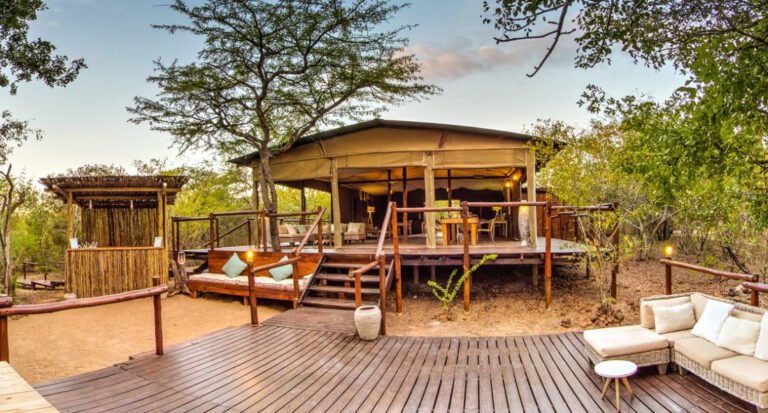
- Permanent Camps/Lodges: These offer fixed tented structures or basic lodge rooms, usually with en-suite bathrooms (often with bucket showers and safari toilets). They are strategically located to offer good wildlife viewing or access to key areas. Examples might include facilities run by the Tanzania Forest Services Agency (TFCA) or private operators.
- Semi-Permanent Camps: Some operators set up comfortable tented camps that are operational during the dry season. These offer a similar experience to permanent camps but might be located in more mobile positions.
- Amenities: Expect central dining areas, lounges, and often a campfire for evening gatherings. Electricity is usually generated by a generator that runs for a few hours in the morning and evening, or solar power. Hot water for showers is typically provided on request.
- Atmosphere: The focus is on a rustic, authentic safari feel. While comfortable, these are not luxury resorts. The sounds of the African bush at night are your soundtrack.
Fly Camping and Mobile Safaris
For the truly adventurous, fly camping offers a more rugged and intimate experience. This is often arranged as part of a multi-day walking safari or a specialized mobile safari.
- What it is: You are taken by vehicle or on foot to a remote, pre-selected campsite. A basic tent, sleeping bag, and camp amenities are set up for you. Meals are prepared by a camp crew.
- Experience: This is as close to wild camping as you can get, often with minimal facilities beyond a bush toilet and shower. The feeling of being completely immersed in the wilderness, with only a tent between you and the nocturnal sounds of the bush, is profound.
- Logistics: Requires a dedicated guide, cook, and support vehicle carrying all necessary equipment. This is typically arranged by specialist safari operators.
Booking Accommodation: What to Expect
Booking accommodation in Rungwa requires working with a tour operator. Independent booking is difficult due to the remoteness and lack of direct online reservations for most facilities.
- Operator Packages: Most visitors will book a full safari package that includes accommodation, meals, activities, park fees, and transfers. The operator handles all reservations.
- Limited Availability: Due to the remote nature and the need to preserve the environment, the number of available beds in Rungwa is limited. Booking well in advance, especially for the 2026-2027 peak season, is essential.
- Inclusions: Standard packages usually include all meals (breakfast, lunch, dinner), non-alcoholic beverages, and the specified safari activities (game drives, walking safaris). Alcoholic drinks and tips are typically extra.
- Confirmation: Always confirm exactly what is included in your accommodation and safari package, especially regarding meals, drinks, and activities, when finalizing your booking for 2026-2027.
Activities and Wildlife Viewing in Rungwa
Rungwa Game Reserve offers a range of activities that allow visitors to experience its rich wildlife and diverse landscapes. The emphasis is on authentic, low-impact exploration.
Game Drives: The Core Experience
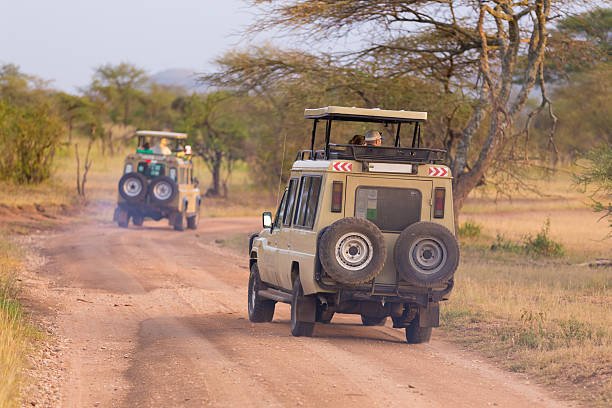
Game drives are the primary way to explore Rungwa. Conducted in sturdy 4×4 safari vehicles, they offer a comfortable yet adventurous way to cover large distances and find wildlife.
- Vehicle Type: Custom-built safari vehicles with pop-up roofs are standard, allowing for unobstructed 360-degree views and excellent photographic opportunities.
- Timing: Early morning and late afternoon drives are most productive, as wildlife is most active during the cooler parts of the day. Midday drives might focus on finding shade-dwelling animals or exploring different areas.
- Guides: Your experienced driver-guide is key. They possess intimate knowledge of the reserve, animal behavior, and the best locations for sightings. They will interpret tracks, identify birds, and explain the ecosystem.
- Focus: Drives will focus on seeking out large mammals, predators, and observing animal interactions. The vastness of Rungwa means patience is often rewarded with unique sightings.
Walking Safaris: An Intimate Encounter
For a more profound connection with the bush, Rungwa is an excellent location for walking safaris. These are usually conducted in designated areas and always accompanied by armed rangers and experienced guides.
- Safety First: Safety is paramount. Guides are highly trained in tracking, animal behavior, and self-defense. You will be briefed on safety protocols before each walk.
- Experience: Walking safaris engage all your senses. You’ll learn to read tracks, identify plants and insects, understand the smaller details of the ecosystem, and experience the thrill of encountering wildlife on foot.
- What to Expect: Walks can range from a couple of hours to half-day excursions. They are typically conducted in the early morning or late afternoon.
- Suitability: Best suited for those with a moderate level of fitness and a genuine interest in the nuances of the wilderness.
Birdwatching
Rungwa Game Reserve is a haven for birdlife, with hundreds of species recorded. The diverse habitats support a rich avian population year-round, which is particularly vibrant during the wet season.
- Species: Expect to see a wide array of raptors, waterbirds, savanna birds, and woodland species. Migratory birds are present during the European winter months.
- Best Times: While always good, birdwatching can be exceptional during and just after the rainy season (November to May) when the vegetation is lush and food is plentiful.
- How to Watch: Binoculars are essential. Guides can help identify species, and many lodges have bird checklists available.
Key Wildlife Species to Spot
Rungwa is home to a significant population of Tanzania’s iconic wildlife. While sightings are never guaranteed, here are some of the species you can hope to encounter:
- Large Mammals: African Buffalo, Elephant, Giraffe, Hippopotamus, Zebra, Wildebeest, Common Waterbuck, Bushbuck, Greater Kudu, Lichtenstein’s Hartebeest, Roan Antelope, Sable Antelope.
- Predators: Lion, Leopard, Cheetah, African Wild Dog, Spotted Hyena, various smaller cats (Serval, Caracal), and Jackals.
- Primates: Baboons and Vervet Monkeys are common.
- Reptiles: Crocodiles are often seen in rivers, and various snakes and lizards inhabit the reserve.
The reserve is particularly known for its large herds of buffalo and elephants. Predator sightings, especially wild dogs and leopards, can be more elusive but are incredibly rewarding.
Understanding Rungwa’s Ecosystem
Rungwa’s ecosystem is a complex interplay of miombo woodlands, savanna grasslands, and riverine forests. The Rufiji River and its tributaries are lifelines, supporting a high density of wildlife, especially during the dry season.
- Miombo Woodlands: These deciduous woodlands dominate large parts of the reserve and are characterized by Brachystegia trees. They support species like Lichtenstein’s hartebeest and sable antelope.
- Grasslands: Open savannas are ideal for grazing animals like wildebeest and zebra, and the predators that hunt them.
- Riverine Areas: Along the Rufiji River and its tributaries, dense forests and thickets provide habitat for elephants, hippos, crocodiles, and a variety of birdlife. These areas are often the most productive for game viewing.
Understanding these different habitats helps in appreciating why certain animals are found in specific areas and enhances the overall safari experience.
Travel Styles and Safari Operators
How you choose to experience Rungwa Game Reserve significantly impacts your journey. The decision between independent travel and a guided safari, and the choice of operator, are critical for this remote destination.
Independent Travel vs. Guided Safaris
While theoretically possible, independent travel in Rungwa is highly discouraged for the vast majority of visitors. Here’s why:
- Independent Travel: This would involve arranging your own flights to a regional airstrip, securing a 4×4 vehicle, navigating the unpaved tracks, arranging accommodation (which is difficult to book directly), and managing all logistics, fuel, food, and safety. The risks of getting stuck, lost, or encountering emergencies without support are substantial. It’s only feasible for highly experienced overland adventurers with extensive logistical support and knowledge of Tanzania.
- Guided Safaris: This is the overwhelmingly recommended approach. A guided safari includes:
- Expert Guides: Knowledgeable drivers who know the park intimately.
- Logistics Management: Handling of park fees, permits, fuel, food, and accommodation bookings.
- Safe Transportation: Reliable 4×4 safari vehicles specifically equipped for the terrain.
- Safety and Support: Emergency protocols, communication equipment, and experienced personnel.
- Enrichment: Guides provide invaluable information about wildlife, culture, and the environment.
For planning a 2026-2027 trip, opting for a guided safari is almost always the wisest and most rewarding choice for Rungwa.
Choosing a Safari Operator for Rungwa
Selecting the right safari operator is crucial for a successful Rungwa experience. Look for companies with specific expertise in remote Tanzanian parks.
- Experience in Remote Areas: Prioritize operators who regularly run safaris to Rungwa or similar less-visited reserves. They will understand the specific challenges and requirements.
- Local Knowledge: A local Tanzanian company often has unparalleled ground knowledge, better relationships with park authorities, and a deeper understanding of the logistical intricacies.
- Reputation and Reviews: Check independent reviews on platforms like TripAdvisor, but also look for testimonials specifically mentioning remote safaris or Rungwa.
- Vehicle Fleet and Maintenance: Ensure they operate well-maintained, specialized 4×4 safari vehicles.
- Guide Quality: Inquire about the qualifications and experience of their guides.
- Safety Protocols: Understand their emergency procedures and communication systems.
When comparing operators for your 2026-2027 safari, ask detailed questions about their Rungwa experience. This diligence will pay off in a smoother, safer, and more enriching trip.
Tailor-Made Safari Experiences
Many operators, including Climb 4 Africa, specialize in creating tailor-made safaris. This allows you to customize your Rungwa experience to your specific interests and preferences.
- Custom Itineraries: You can design an itinerary focusing on walking safaris, birdwatching, photography, or simply a relaxed pace of game viewing.
- Accommodation Choices: Tailor-made trips can incorporate a mix of lodge stays and fly camping for varied experiences.
- Duration and Pace: Adjust the length of your stay and the daily schedule to suit your energy levels and interests.
- Combining Destinations: A tailor-made safari can also combine Rungwa with other Tanzanian highlights like the Southern Circuit parks (Selous/Nyerere, Ruaha) or even Kilimanjaro and Zanzibar.
Working with an operator to build a custom itinerary ensures that your Rungwa visit perfectly matches your expectations for a 2026-2027 adventure.
Conservation and Responsible Tourism in Rungwa
Visiting Rungwa Game Reserve comes with a responsibility to contribute positively to its conservation. As a less developed area, it relies heavily on tourism revenue and responsible visitor practices to protect its pristine environment.
- Support Local Communities: Choose operators who employ local staff and source supplies locally where possible. Some tours may include opportunities to visit nearby communities, offering a glimpse into local life.
- Minimize Your Footprint:
- Stay on designated tracks during game drives to prevent habitat degradation.
- Do not litter; pack out everything you pack in.
- Avoid single-use plastics where possible by using reusable water bottles.
- Never feed wildlife; it disrupts their natural behavior and can be harmful.
- Respect Wildlife: Maintain a safe and respectful distance from all animals. Never approach or disturb wildlife, especially mothers with young.
- Choose Eco-Conscious Operators: Look for operators who demonstrate a commitment to sustainable tourism practices, waste management, and supporting conservation efforts within the park.
- Park Fees Contribution: Your park fees directly contribute to wildlife conservation, anti-poaching patrols, and the maintenance of the reserve’s infrastructure.
By being a mindful and responsible traveler, you help ensure that Rungwa Game Reserve remains a wild and wonderful place for generations to come, including for future safaris in 2027 and beyond.
Common Misconceptions and Essential Tips
Visitors often have certain expectations about safaris, and Rungwa, being unique, can sometimes be misunderstood. Here are some common points and helpful tips:
- Misconception: Rungwa is like the Serengeti.
- Reality: Rungwa is far less developed and more remote. While it has abundant wildlife, the landscape is different (more woodland), and the experience is about solitude and wilderness rather than predictable mass migrations seen in the Serengeti.
- Misconception: You’ll see every animal easily.
- Reality: Rungwa’s vastness and varied habitats mean animals can be harder to spot than in more concentrated parks. Patience and skilled guiding are key. Predator sightings, while possible, are not guaranteed daily.
- Misconception: Independent travel is easy.
- Reality: As detailed earlier, this is highly inadvisable due to logistical complexities and safety concerns.
- Essential Tip: Book Well in Advance. For 2026-2027, especially for the dry season, accommodation and charter flights fill up quickly. Secure your safari well in advance.
- Essential Tip: Pack Light. If flying by charter, adhere strictly to luggage weight limits.
- Essential Tip: Be Flexible. Weather can impact road conditions and flight schedules. A flexible attitude is crucial for remote travel.
- Essential Tip: Listen to Your Guide. They are your eyes and ears in the bush and possess invaluable knowledge for your safety and enjoyment.
- Essential Tip: Embrace the Silence. Rungwa’s greatest asset is its tranquility. Take time to simply absorb the sounds and sights of the wild.
Preparing for 2026-2027 Visits to Rungwa
As you look towards planning your safari for the 2026-2027 seasons, specific preparations can make your Rungwa Game Reserve experience even smoother.
- Visa Requirements: Check the latest visa regulations for Tanzania well in advance of your travel dates. Many nationalities can obtain a visa on arrival or apply online, but it’s essential to be up-to-date.
- Health Precautions: Consult your doctor or a travel clinic at least 4-6 weeks before departure regarding necessary vaccinations (e.g., Yellow Fever is often mandatory for entry from certain countries) and malaria prophylaxis. Rungwa is a malaria-risk area.
- Travel Insurance: Comprehensive travel insurance covering medical emergencies, evacuation, trip cancellation, and lost luggage is non-negotiable for a remote safari like Rungwa.
- Currency: The Tanzanian Shilling (TZS) is the local currency, but USD is widely accepted for safari packages, park fees, and tips. Carry a mix of USD (newer bills, usually 2009 or later) and some local currency for smaller purchases. ATMs are available in major towns but not in the reserve.
- Communication Plan: Inform your tour operator of any special communication needs or preferences. Understand how they will manage communications during your trip.
- Dietary Requirements: Communicate any dietary restrictions or allergies to your tour operator well in advance so they can be catered for at lodges and camps.
Proactive preparation ensures that once you arrive, your focus can be entirely on the incredible wildlife and landscapes of Rungwa.
Booking Your Rungwa Adventure with Climb 4 Africa
Embarking on a safari to Rungwa Game Reserve is a significant undertaking, and choosing the right partner to facilitate your journey is paramount. Climb 4 Africa specializes in crafting authentic Tanzanian safari experiences, with a deep understanding of the logistical nuances required for remote destinations like Rungwa.
We can help you navigate the complexities of planning a trip to Rungwa, whether you’re considering a 2026 or 2027 adventure. Our expertise lies in:
- Custom Itinerary Design: We work with you to create a bespoke safari that matches your interests, budget, and desired pace, incorporating Rungwa into a broader Tanzanian adventure or focusing solely on this remarkable reserve.
- Logistics Management: From charter flights and 4×4 vehicle arrangements to accommodation bookings and park fee coordination, we handle all the intricate details.
- Experienced Guides: We partner with highly skilled and knowledgeable local guides who are passionate about sharing the wonders of Tanzania’s wilderness.
- Safety and Support: Your safety is our top priority. We implement robust safety protocols and ensure reliable communication channels are maintained throughout your journey.
- Responsible Tourism: We are committed to sustainable travel practices that benefit conservation efforts and local communities.
To begin planning your Rungwa Game Reserve safari for 2026-2027, or to discuss any of our other Tanzania safari packages, please reach out to us. We recommend providing as much detail as possible about your travel dates, group size, interests, and any specific requirements you may have. This will allow us to craft the most suitable and memorable itinerary for you.
You can contact Climb 4 Africa via:
- WhatsApp: +255 747 477 898
- Email: climb4africa@gmail.com
Let us help you discover the untamed beauty of Rungwa Game Reserve.
“,
“faq_schema”: []
}
“`
Check Availability for How To Visit Rungwa Game Reserve 2026-2027
Ready to compare dates, prices, and the best option for your group? Send the package name and travel month so the team can reply with a clear quote, availability, and what is included.
Best Rungwa Game Reserve Tours 2026-2027
Best Rungwa Game Reserve Tours is explained with current 2026-2027 planning, price, itinerary and booking information.
No related package matches those filters. Clear one or more filters to see the other topic-matched options.



