
The best time to visit Songea, Tanzania, for pleasant weather and fewer crowds is generally during the dry seasons, from June to October and again from December to February. These periods offer cooler temperatures, reduced rainfall, and clearer skies, making them ideal for exploring the Ruvuma Region’s natural attractions and cultural sites. For specific interests like birdwatching or experiencing local festivals, the shoulder seasons might also be highly rewarding, though it’s essential to consider the subtle shifts in climate and activity throughout the year when planning your 2026-2027 travel.
Understanding Songea’s Climate
Songea, situated in the Ruvuma Region of southern Tanzania, experiences a tropical climate characterized by distinct wet and dry seasons. Unlike the more northerly safari circuits, its location further south influences its weather patterns, offering a unique travel proposition. Understanding these seasonal variations is paramount for anyone planning a visit, whether their primary interest is wildlife, culture, or simply experiencing a less-visited part of Tanzania. The ‘best time to visit Songea’ isn’t a single answer but rather a nuanced consideration of personal preferences and what one hopes to experience. For 2026 and 2027, anticipating these patterns will help tailor your itinerary effectively.
The region’s altitude also plays a role, moderating temperatures compared to the coastal heat. Songea itself sits at approximately 1,000 meters (3,280 feet) above sea level. This means that even during warmer months, evenings and early mornings can be pleasantly cool. However, the intensity and duration of rainfall are the primary differentiators between the seasons, significantly impacting accessibility, landscape, and wildlife behavior.
When we talk about the ‘best time to visit Songea,’ we are essentially discussing how the climate aligns with typical tourist activities. For instance, the dry season is often favored for game drives and trekking due to easier road conditions and better visibility. The green season, conversely, offers lush landscapes and migratory bird activity, appealing to photographers and bird enthusiasts. Each period presents its own set of advantages and challenges, and knowing these will empower you to choose the timeframe that best suits your travel style and objectives for your 2026-2027 journey.
The Long Dry Season (June to October)
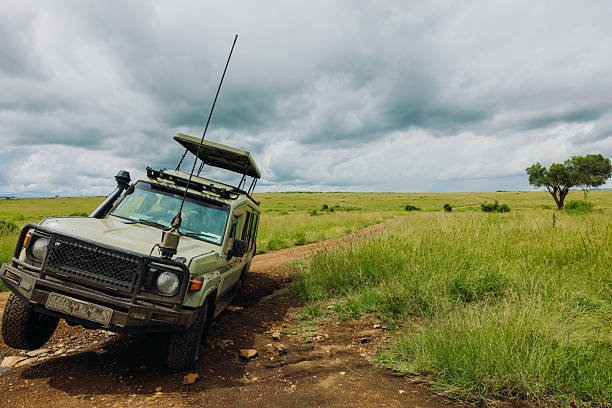
The period from June to October is widely considered the prime time for visiting much of Tanzania, and Songea is no exception. This is the region’s longest dry spell, characterized by abundant sunshine, minimal humidity, and very little rainfall. It’s a time when the landscape becomes more arid, concentrating wildlife around permanent water sources and making them more visible. This season is often the most popular for international travelers seeking classic safari experiences, though Songea offers a more off-the-beaten-path alternative to the Northern Circuit.
Weather and Temperatures
During the June to October dry season, Songea typically enjoys clear, sunny days with average temperatures ranging from 20°C to 28°C (68°F to 82°F). The mornings and evenings can be noticeably cooler, often dropping to around 10°C to 15°C (50°F to 59°F), especially in July and August. This temperature fluctuation means packing layers is essential. The humidity is low, making outdoor activities comfortable. Rainfall is scarce, with most areas receiving negligible precipitation during these months. This dry spell is crucial for the ecosystem, as it influences vegetation and water availability, impacting both wildlife and the ease of travel on unpaved roads.
Wildlife Viewing Opportunities
The dry season is generally excellent for wildlife viewing in and around Songea, particularly if you venture into nearby protected areas like the *Selous Game Reserve* (now Nyerere National Park, though access from Songea is less direct than from other points) or the smaller, less-visited reserves in the Ruvuma Region. As water sources diminish, animals tend to congregate around rivers and waterholes, making them easier to spot. The vegetation thins out, improving sightlines for game drives. This is also a good time for birdwatching, as resident birds are active and the drier conditions can make them more visible.
While Songea is not as renowned for large mammal concentrations as the Serengeti or Masai Mara, the Ruvuma Region offers opportunities to see elephants, various antelope species, buffalo, and predators like lions and wild dogs. The **best time to visit Songea** for wildlife enthusiasts often aligns with this dry period due to the increased visibility and accessibility of wildlife populations in the surrounding areas.
Activities and Festivals
The dry, sunny weather makes this period ideal for a wide range of outdoor activities. Game drives in nearby parks, walking safaris (where permitted and guided), and cultural tours of Songea town and its surroundings are particularly enjoyable. The cooler mornings and evenings are perfect for exploration without the discomfort of intense heat or humidity. While Songea doesn’t host major international festivals during this time, it’s a good period to experience local life and perhaps witness smaller community gatherings or markets. The clear skies are also excellent for stargazing, a treat in areas with minimal light pollution.
Pros and Cons of Visiting
Pros:
- Excellent weather: Sunny days, low humidity, minimal rain, and comfortable temperatures for most activities.
- Optimal wildlife viewing: Animals are easier to spot as they gather around water sources.
- Good accessibility: Roads are generally in better condition, making travel smoother.
- Ideal for outdoor activities: Perfect for game drives, walking safaris, and cultural explorations.
Cons:
- Higher prices: This is peak tourist season in Tanzania, so accommodation and tour prices may be higher for 2026-2027.
- More crowds: While Songea is less crowded than the Northern Circuit, popular lodges and campsites might book up faster.
- Dry landscapes: The scenery can appear parched, which may not appeal to everyone.
The Short Dry Season (December to February)
Following the short rains (Vuli), Tanzania enters a shorter dry period, typically from December through February. This is often considered a secondary peak season, particularly for those looking to combine wildlife viewing with festive holiday travel. While not as consistently dry as the June-October period, it offers a good balance of favorable weather and accessible landscapes, making it a viable option for the best time to visit Songea for many travelers in 2026-2027.
Weather and Temperatures
During December, January, and February, temperatures in Songea are generally warm, averaging between 25°C and 30°C (77°F to 86°F) during the day. Evenings and mornings remain pleasant, often in the 15°C to 20°C (59°F to 68°F) range. While this is a dry season, brief, localized showers can occur, especially in the late afternoon or early morning. These are usually short-lived and don’t typically disrupt full-day activities. Humidity levels are moderate. This period is influenced by the transition from the short rains and the approach of the long rains, creating a dynamic weather pattern.
Wildlife Viewing Opportunities
Wildlife viewing during the December to February period can be quite good. While the landscape is not as parched as in the main dry season, animals are still relatively easy to find, especially near permanent water sources. This period often coincides with the calving season for many ungulates, meaning there’s increased predator activity as they hunt vulnerable newborns. For birdwatchers, this time can be excellent, as migratory birds from the Northern Hemisphere are often present, and resident birds are in their breeding plumage. The vegetation is starting to green up after the short rains, offering a more vibrant backdrop.
Activities and Festivals
This season is suitable for most typical tourist activities in Songea. Game drives, cultural excursions, and exploring the town are all feasible. The festive atmosphere around Christmas and New Year can add a unique cultural dimension to your trip if you travel during that time. Local communities might have special events or celebrations. The weather is generally conducive to comfortable exploration, though carrying rain gear for those occasional showers is advisable. It’s a popular time for Tanzanians to travel domestically as well, so some areas might feel busier than expected.
Pros and Cons of Visiting
Pros:
- Good balance of weather: Generally dry with warm days and pleasant evenings; occasional showers are usually brief.
- Lush landscapes: The scenery is greener than in the main dry season, offering a more picturesque setting.
- Active wildlife: Good predator-prey interactions due to calving seasons.
- Festive atmosphere: Opportunity to experience local holiday celebrations.
Cons:
- Occasional rain: While not prolonged, showers can occur and might impact some outdoor plans.
- Higher prices: Similar to the June-October period, this is a popular travel window, potentially leading to higher costs for 2026-2027.
- Domestic travel: May be busier due to local holiday travel.
The Green Season (March to May)
The period from March to May is locally known as the ‘Green Season’ or ‘Long Rains’ (although the heaviest rains often fall in April and May). This is Tanzania’s primary rainy season, transforming the landscape into a verdant paradise. While often considered the ‘off-season’ for traditional safari-goers focused on maximizing wildlife sightings in open plains, it offers unique advantages for specific types of travelers. For those seeking a different perspective on Songea and its surroundings, the Green Season can present a rewarding, and often more budget-friendly, experience for 2026-2027.
Weather and Temperatures
During March, April, and May, Songea experiences its most significant rainfall. Daily temperatures remain warm, typically ranging from 22°C to 28°C (72°F to 82°F). However, humidity levels are considerably higher, making it feel warmer. Rainfall is frequent and can be heavy, often occurring in prolonged downpours, particularly in the afternoons and evenings. The landscape becomes incredibly lush and vibrant. Mornings can start overcast, with breaks of sunshine between showers. Road conditions can deteriorate significantly, especially on unpaved tracks, potentially leading to travel disruptions.
Wildlife Viewing Opportunities
The Green Season offers a unique set of wildlife viewing opportunities. The abundant rainfall makes the vegetation incredibly lush and green, providing a beautiful backdrop for photography. This is an excellent time for birdwatching, as many species are in their breeding plumage and are highly active. The insect life is also abundant. For larger mammals, sightings can be more challenging as they disperse into thicker vegetation and have access to numerous water sources. However, this is also the calving season for many species, leading to increased activity among predators. The Ruvuma River and other permanent water bodies remain key areas for sightings.
Activities and Festivals
Activities during the Green Season require flexibility. Game drives are still possible, but road conditions might limit access to certain areas. Walking safaris can be particularly rewarding in the lush environment, provided the weather permits. Cultural tours remain viable, as many local activities are not as weather-dependent. The vibrant green landscapes are ideal for photographers who appreciate a different aesthetic. There are fewer organized festivals, but it’s a good time to engage with local communities and experience daily life, which is less impacted by tourist seasons. The period leading up to Easter can see some local observances.
Pros and Cons of Visiting
Pros:
- Stunning landscapes: The region is at its most verdant and beautiful.
- Excellent for birdwatching: Many species are in breeding plumage.
- Fewer crowds: This is the low season for tourism, meaning fewer visitors.
- Lower prices: Accommodation and tour operators often offer discounts during the Green Season, making it a more budget-friendly option for 2026-2027.
Cons:
- Heavy rainfall: Frequent and prolonged showers can disrupt travel plans and activities.
- Difficult road conditions: Many unpaved roads can become impassable.
- Dispersed wildlife: Animals may be harder to spot due to thick vegetation and abundant water.
- Higher humidity: Can make the warm temperatures feel more intense.
The Long Rains (November to April – overlapping)
The term ‘Long Rains’ in Tanzania typically refers to the period from roughly March through May. However, November often marks the beginning of increased rainfall, especially the ‘short rains’ (Vuli) that occur in November and December. The transition from the dry season into the rains can be unpredictable, with November and even parts of early January sometimes offering a mixed bag of weather. Understanding this transitional phase is key to planning a trip to Songea, as it bridges the dry and wet seasons, offering unique opportunities but also potential challenges for 2026-2027.
Weather and Temperatures
November and December, while often categorized as the start of the rains, can be quite variable. Early November might still see dry spells, but by late November and into December, expect increasing cloud cover and a higher chance of showers. Temperatures remain warm, in the 25°C to 30°C (77°F to 86°F) range. Humidity starts to climb. January and February are typically drier, forming the ‘short dry season’ mentioned earlier, before the main ‘Long Rains’ arrive in earnest from March to May. This means the period from November to April, broadly speaking, encompasses the wettest part of the year, with varying intensity.
Wildlife Viewing Opportunities
The wildlife viewing during this extended wet period is a mixed bag. The short rains of November and December bring new life to the landscape, with fresh grass and sprouting vegetation. This can be a great time for viewing young animals and increased predator activity. As the rains intensify from March to May, wildlife can become more dispersed. However, areas around permanent water sources remain reliable. Birdlife is often spectacular during the wet seasons, with resident birds in breeding plumage and migratory birds present. The Ruvuma region’s diverse ecosystems mean that even during wetter periods, unique sightings are possible.
Activities and Festivals
Travel during the transitional months of November and December can be rewarding if planned carefully. Game drives are generally possible, though occasional downpours can interrupt activities. Cultural tours remain a good option. The period leading up to Christmas and New Year sees increased domestic travel and a festive atmosphere. January and February offer a good compromise, with improving weather and greener landscapes. As the rains become heavier from March onwards, outdoor activities require more flexibility. It’s a good time for those who prefer a quieter travel experience and don’t mind occasional rain.
Pros and Cons of Visiting
Pros:
- Lush scenery: The landscape is vibrant and green, especially after the rains begin.
- Good for birding: Excellent opportunities to see birds in breeding plumage.
- Calving season: Increased sightings of young animals and predator activity.
- Fewer crowds (outside holidays): Generally less busy than peak dry seasons.
- Potential for lower prices: Off-peak rates may be available for 2026-2027.
Cons:
- Unpredictable weather: Rainfall can be sporadic and disruptive.
- Road conditions: Can deteriorate, making travel difficult or impossible in some areas.
- Higher humidity: Can make temperatures feel more oppressive.
- Wildlife dispersal: Animals may be harder to spot in thick vegetation.
Understanding Songea’s Microclimates
While we’ve discussed the general climate patterns of Songea and the Ruvuma Region, it’s important to remember that Tanzania, and particularly its diverse landscapes, can experience microclimates. These are localized variations in weather conditions that can affect your experience. For Songea, these might include differences in rainfall intensity or temperature between the town itself and the surrounding rural or protected areas. Altitude plays a significant role; areas at higher elevations might be cooler and receive more rainfall than lower-lying regions. Even within a single day, you might experience a sunny morning, a brief afternoon shower, and a cool, clear evening. This variability is part of the charm of traveling in such a dynamic environment. When planning for 2026-2027, it’s wise to be prepared for these subtle shifts.
For example, if you are planning a visit that includes exploring the nearby hills or venturing towards the Mozambique border, the weather could differ from what’s reported in Songea town. Likewise, if your itinerary involves visiting the larger conservation areas further afield, consult with local experts who understand the specific microclimates of those zones. These details can influence everything from the types of clothing you should pack to the best times of day for specific activities like game drives or hikes.
Climb 4 Africa, with its deep local knowledge, can provide insights into these microclimates and how they might affect your specific itinerary. For instance, understanding when certain tracks become impassable due to rain in a particular valley or when specific wildlife species are most active in a certain habitat due to localized weather patterns can significantly enhance your trip. Always seek up-to-date, localized advice when making final travel plans for Songea.
Planning Your 2026-2027 Trip to Songea
When you’ve decided on the best time to visit Songea based on your priorities – be it the dry season for optimal wildlife viewing, the green season for lush landscapes, or a shoulder month for a balance of both – thorough planning is essential. Songea is a gateway to the less-explored southern Tanzania circuit, offering a more authentic and less crowded experience compared to the northern parks. Planning well in advance, especially for 2026 and 2027, will ensure you secure the best accommodations and transport, and make the most of your journey.
Booking Considerations
Accommodation: Songea offers a range of options, from simple guesthouses and lodges within the town to more remote camps in the surrounding areas. During peak seasons (June-October and December-February), booking well in advance is crucial. For the 2026-2027 period, consider your budget and desired level of comfort. Mid-range lodges and more basic camps are often more readily available year-round, but high-end options might require booking 6-12 months ahead.
Tours and Safaris: If you plan to visit nearby national parks or reserves, booking guided tours is highly recommended. Climb 4 Africa specializes in creating tailor-made itineraries for southern Tanzania. For example, a safari into the *Nyerere National Park* (formerly Selous) or exploring the lesser-known reserves in Ruvuma would require arranging transport, guides, and accommodation. It’s advisable to book these services at least 3-6 months in advance, especially for popular dates in 2026 or 2027.
Transport: Getting to Songea typically involves flying into its small airport (Songea Airport – SGX) or driving from major cities like Dar es Salaam or Mbeya. Road travel can be long and sometimes challenging, especially during the rainy season. Booking flights or arranging private road transfers should be done well in advance. If you plan on self-driving, ensure your vehicle is suitable for varied road conditions.
Visas and Health: Ensure your passport is valid for at least six months beyond your intended stay and has sufficient blank pages. Most nationalities require a visa for Tanzania, which can often be obtained on arrival or applied for online in advance. Consult your doctor regarding necessary vaccinations and malaria prophylaxis well before your trip. For 2026-2027 travel, staying updated on entry requirements is always a good practice.
What to Pack
Packing appropriately is key to comfort and enjoyment. The best time to visit Songea will influence your choices, but some items are essential year-round:
- Lightweight, breathable clothing: Long-sleeved shirts and trousers for sun protection and to ward off insects. Neutral colors are best for wildlife viewing.
- Warm layers: A fleece jacket or warm sweater is essential for cool mornings and evenings, especially during the dry season (June-October).
- Rain gear: A waterproof and windproof jacket is highly recommended, particularly if traveling during the rainy seasons (March-May and November-December).
- Comfortable walking shoes: Sturdy, broken-in walking shoes or hiking boots for any excursions.
- Sandals or flip-flops: For relaxing at your lodge or camp.
- Sun protection: A wide-brimmed hat, sunglasses, and high-SPF sunscreen.
- Insect repellent: Containing DEET or picaridin, especially for evenings and during the rainy seasons.
- Personal medical kit: Including any personal medications, basic first-aid supplies, and antiseptic wipes.
- Camera and binoculars: To capture the sights and get a closer look at wildlife. Extra batteries and memory cards are advisable.
- Adapter: Tanzania uses Type D and G electrical outlets.
- Reusable water bottle: To stay hydrated and minimize plastic waste.
Travel Styles and Itineraries
Songea caters to various travel styles. For the adventurous traveler, combining a visit to Songea with a safari in Nyerere National Park or exploring the unique landscapes of the Southern Highlands offers an off-the-beaten-path experience. These itineraries often involve longer travel times and more rustic accommodations, but provide a deeper connection with the natural environment and local culture.
For those seeking comfort and convenience, flying into Songea and staying in well-appointed lodges or guesthouses, with day trips to nearby attractions, is a viable option. Climb 4 Africa can craft personalized itineraries for 2026-2027 that balance adventure with comfort, ensuring you experience the best of the Ruvuma Region regardless of your travel pace.
A typical itinerary might include:
- Day 1-2: Arrive in Songea, settle in, explore the town, visit the Songea Museum.
- Day 3-5: Day trips or overnight excursions to nearby natural attractions like the Ruhuhu River or waterfalls.
- Day 6-8: Safari to a nearby game reserve or park (e.g., connecting to Nyerere NP if feasible and planned).
- Day 9: Departure or onward travel.
The best time to visit Songea will influence the feasibility and enjoyment of these activities. For example, during the peak dry season, a walking safari might be more comfortable, while during the green season, photography of lush landscapes would be paramount.
Local Events and Festivals
While Songea might not host large-scale international festivals, understanding local events can enrich your travel experience, especially if your visit in 2026 or 2027 coincides with them. The Ruvuma Region has a rich cultural heritage, with the Yao and Makua peoples being prominent. Their traditions, music, dance, and crafts are often showcased during community gatherings and celebrations.
Religious Holidays: As Tanzania is a predominantly Christian and Muslim country, major holidays like Christmas, Easter, Eid al-Fitr, and Eid al-Adha are observed. If you travel during these times, you might witness unique local observances. However, these periods can also mean higher domestic travel and potentially busier transport and accommodation.
Agricultural Cycles: The timing of harvests, such as maize or tobacco, can sometimes lead to local celebrations or busy market days. These events offer a genuine glimpse into the rhythm of life in Songea and the surrounding agricultural communities.
Cultural Gatherings: While not on a fixed calendar, informal local music festivals, traditional dance performances, or community celebrations can occur throughout the year. Engaging with local guides or your accommodation providers can often reveal opportunities to witness these events. The dry seasons might be more conducive to outdoor performances.
For the most up-to-date information on local events during your planned travel dates in 2026-2027, it’s always best to consult with local tour operators like Climb 4 Africa. They can help you align your visit with any significant cultural happenings or advise on the best times to experience the local way of life.
Songea vs. Other Tanzanian Destinations
Choosing Songea means opting for a different kind of Tanzanian experience. While the Northern Circuit (Serengeti, Ngorongoro, Kilimanjaro) is world-famous for its iconic wildlife migrations and dramatic landscapes, Songea and the Ruvuma Region offer a more tranquil, authentic, and less crowded encounter with Tanzania. The best time to visit Songea is often defined by what you wish to avoid: the extensive tourist crowds and higher prices of the north.
Accessibility: The Northern Circuit is easily accessible via Kilimanjaro International Airport (JRO) and a well-developed network of roads. Songea is more remote, often requiring a flight from Dar es Salaam or a long overland journey. This remoteness contributes to its appeal for travelers seeking off-the-beaten-path adventures.
Wildlife: The Serengeti boasts unparalleled wildlife density and the Great Migration. While Songea’s surrounding areas have diverse wildlife, including elephants, lions, and various antelopes, they do not offer the same scale of spectacle. However, the Ruvuma Region provides excellent opportunities for seeing species that are less common in the north, and the chance of encountering them in a more natural, undisturbed setting.
Cost: Generally, traveling in southern Tanzania, including Songea, can be more budget-friendly than the Northern Circuit, especially during the shoulder or low seasons. Accommodation and tour prices might be lower for 2026-2027, though flight costs to reach the region need to be factored in.
Culture: Songea, as a regional capital, offers a more grounded cultural experience. You can interact more directly with local communities, visit local markets, and learn about the history of the region, including its role during the German colonial era and the Tanzanian independence struggle. This contrasts with the more tourism-focused cultural interactions often found near the northern parks.
If your goal is to tick off the ‘big five’ in a highly curated safari experience, the North might be your focus. But if you seek a deeper connection with nature, a more authentic cultural immersion, and the thrill of exploring a less-trodden path, Songea is an exceptional choice. The best time to visit Songea for these purposes often leans towards the dry seasons for ease of travel, but the green season offers its own unique charms.
Making the Most of Your Visit
To truly maximize your experience when visiting Songea, especially during your planned 2026-2027 trip, consider these practical tips:
- Embrace Flexibility: Weather and road conditions can change, particularly during the transitional months. Being flexible with your itinerary will allow you to adapt and still enjoy your journey.
- Engage with Locals: The people of the Ruvuma Region are known for their hospitality. Learning a few Swahili phrases (like ‘Jambo’ for hello, ‘Asante’ for thank you) can go a long way in fostering positive interactions.
- Respect Local Customs: Dress modestly when visiting villages or towns, especially when outside of tourist lodges. Always ask permission before taking photographs of people.
- Stay Hydrated and Protected: Drink plenty of bottled or purified water. Use sunscreen, hats, and insect repellent diligently, regardless of the season.
- Be Patient with Wildlife: While wildlife viewing can be excellent, remember that animals are wild and their movements are unpredictable. Enjoy the journey and the overall experience, not just the sightings.
- Support Local Businesses: Purchase local crafts, eat at local eateries (where hygiene is assured), and use local guides. This not only enhances your experience but also contributes to the local economy.
- Plan for Connectivity: Mobile phone reception can be spotty outside of Songea town. Consider purchasing a local SIM card if you need reliable communication, but don’t expect consistent service in remote areas.
The best time to visit Songea is ultimately when it aligns with your personal travel style and expectations. Whether you are an avid wildlife enthusiast, a cultural explorer, or simply seeking a peaceful retreat, Songea offers a rewarding experience if approached with the right mindset and preparation.
Conclusion: Planning Your Songea Adventure
Deciding on the best time to visit Songea involves weighing the distinct advantages of its dry and wet seasons against your personal travel preferences and priorities for 2026-2027. The long dry season (June to October) offers the most predictable and favorable conditions for wildlife viewing and outdoor activities, albeit with higher costs and more visitors. The short dry season (December to February) presents a good balance, with warmer weather and greener landscapes, while also being a popular time for holidays. The green season (March to May) transforms the region into a lush spectacle, ideal for photographers and birdwatchers, offering fewer crowds and lower prices, but demanding flexibility due to rainfall and potential travel disruptions.
Songea and the Ruvuma Region provide a unique opportunity to explore a less-visited facet of Tanzania. It’s a destination for those who appreciate authentic experiences, serene landscapes, and a genuine connection with local culture, away from the well-trodden tourist paths of the North. By understanding the climate nuances, planning your logistics, and packing appropriately, you can ensure a memorable and fulfilling trip, regardless of the specific month you choose to visit.
For tailored advice and to craft an itinerary that perfectly suits your interests and the optimal timing for your Songea adventure in 2026 or 2027, consider partnering with local experts. Climb 4 Africa offers extensive experience in southern Tanzania and can help you navigate the complexities of planning, ensuring you experience the very best of what Songea has to offer. Reach out to them for personalized recommendations and booking assistance. You can connect via WhatsApp at +255 747 477 898 or by sending an email to climb4africa@gmail.com. Let them help you discover the magic of Songea during the best time to visit for your unforgettable Tanzanian journey.
Check Availability for Best Time To Visit Songea: Weather, Wildlife & Events In 2026-2027
Ready to compare dates, prices, and the best option for your group? Send the package name and travel month so the team can reply with a clear quote, availability, and what is included.



