
Reaching Lake Rukwa typically involves a combination of flights and overland travel, as it is one of Tanzania’s more remote destinations. Most visitors will fly into a major Tanzanian city like Dar es Salaam or Mbeya, then arrange for a chartered flight or a lengthy, rugged road journey to reach the lake’s vicinity. The most common approach for a comprehensive experience involves flying to Mbeya and then engaging a 4×4 vehicle for the overland transfer, which can take several days depending on the specific access point and road conditions, especially crucial to consider for 2026-2027 travel plans.

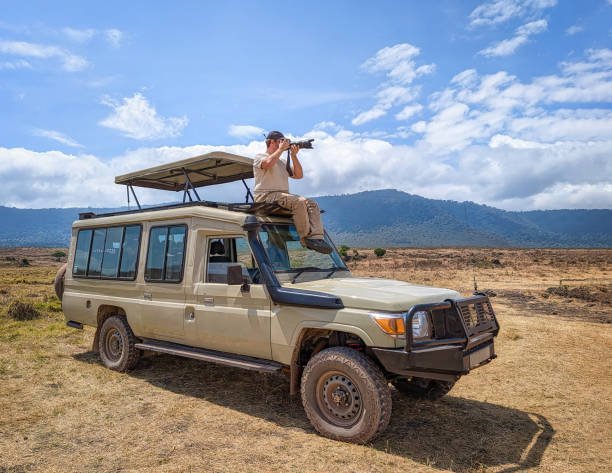
Introduction: The Allure of Lake Rukwa
Lake Rukwa, a vast, shimmering expanse of alkaline water in southwestern Tanzania, remains one of the country’s most enigmatic and least-visited natural wonders. Unlike its more famous counterparts like Lake Tanganyika or Lake Victoria, Rukwa offers a raw, untamed beauty, characterized by its dramatic seasonal fluctuations, rich birdlife, and the elusive mammals that inhabit its shores. Reaching this remote jewel is not a casual undertaking; it requires careful planning, an adventurous spirit, and a clear understanding of the logistical realities involved. For travelers looking to venture beyond the well-trodden paths of the northern safari circuit or the peaks of Kilimanjaro, Lake Rukwa presents an unparalleled opportunity for an authentic African wilderness experience. This guide is designed to equip you with all the essential knowledge needed to navigate the journey to Lake Rukwa, ensuring your 2026-2027 adventure is both feasible and unforgettable.
Understanding Lake Rukwa: Location and Access
To effectively plan your journey to Lake Rukwa, understanding its geographical context is paramount. This vast soda lake is situated in a rift valley, primarily within the Rukwa Rift Valley, straddling the Mbeya, Songwe, and Katavi regions of southwestern Tanzania. Its immense size means it doesn’t have a single “endpoint” but rather vast stretches of shoreline accessible from different directions, each with its own challenges and advantages.
Geographic Context and Terrain
Lake Rukwa is a saline lake, meaning its water has a high salt content. This characteristic influences the surrounding vegetation and wildlife. The lake’s size varies dramatically with the seasons. During the dry season, large areas can become exposed salt flats, while the rainy season can see the lake expand significantly, inundating surrounding areas and altering road access. The terrain around the lake is a mix of open plains, acacia woodlands, and rocky outcrops. This dynamic environment means that access routes can change, especially between the wet and dry seasons, a crucial factor for planning trips in 2026 or 2027.
Key Access Points and Settlements
There isn’t one central town or hub directly on the shores of Lake Rukwa in the way that, for instance, Arusha is the gateway to Kilimanjaro and the northern parks. Instead, access is typically gained through smaller settlements or ranger posts on the periphery. Key points of entry and transit often include:
- Sumbawanga: This is the largest town in the Rukwa Region and serves as a significant administrative and commercial center. While not directly on the lake, it’s a crucial staging post for overland travel towards the lake’s western or southern shores. Roads from Sumbawanga can be challenging but offer access to areas like the Lake Rukwa National Park (though this designation is somewhat fluid and often refers to the broader lake ecosystem).
- Mbeya: Located further east, Mbeya is a major city with an airport and serves as a primary hub for travelers entering Tanzania from Zambia or coming from Dar es Salaam. It is a common starting point for overland expeditions towards the eastern and southern parts of the lake.
- Smaller Villages and Ranger Posts: Scattered around the lake’s perimeter are numerous small villages and official ranger posts. These are often the ultimate destinations for specific wildlife viewing or exploration points. Access to these requires well-equipped 4×4 vehicles and local knowledge.
Understanding these reference points helps in visualizing the journey. Most expeditions to Lake Rukwa are not simple day trips but require multi-day overland travel, often involving camping or staying in basic lodges.
Primary Transport Options to Lake Rukwa
The journey to Lake Rukwa is an adventure in itself, demanding a strategic approach to transportation. Given its remote location, a combination of air and land travel is usually the most practical, though entirely overland routes are possible for the truly intrepid. The best option depends on your starting point, budget, and desired level of comfort and speed.
Flying into Tanzania: The Gateway Cities
Most international travelers will begin their journey by flying into one of Tanzania’s main international airports. The most common are:
- Julius Nyerere International Airport (DAR) in Dar es Salaam: This is Tanzania’s largest and busiest airport, offering the most international flight connections. From Dar, you would typically arrange domestic flights or begin a long overland journey.
- Kilimanjaro International Airport (JRO) in Arusha: While closer to the northern safari circuit and Kilimanjaro, JRO is less convenient for reaching Lake Rukwa. However, if you are combining a trip to Rukwa with a northern safari, it might be a starting point.
- Abeid Amani Karume International Airport (ZNZ) in Zanzibar: Primarily for those visiting the islands, ZNZ is not a direct gateway to Rukwa.
For a trip focused on Lake Rukwa, flying into Dar es Salaam is generally the most strategic choice, offering better onward connections to regional airports closer to the lake.
Domestic Flights to Regional Airports
From Dar es Salaam, you have a few options for domestic flights, though direct flights to airstrips very close to Lake Rukwa are rare and usually require charter. The most feasible regional airports to aim for are:
- Mbeya Airport (MBI): This is often the most practical airport for reaching the southern and eastern parts of Lake Rukwa. Regular scheduled flights operate from Dar es Salaam to Mbeya. Upon arrival, you will need to arrange 4×4 transport for the onward journey to the lake. This is a popular choice for many expeditions planned for 2026 and 2027.
- Sumbawanga Airport (SZA): Sumbawanga has an airport, but flight schedules can be less frequent and reliable than to Mbeya. It’s a good option if your itinerary focuses on the western side of Lake Rukwa, but requires careful coordination.
- Tabora Airport (TBO) or Kigoma Airport (KGM): These are further north and typically serve as gateways to parks like Katavi or Mahale. While you *could* travel south from here, it’s a considerably longer overland journey to Lake Rukwa and usually not the most efficient route.
Important Note on Domestic Flights: Domestic flight schedules in Tanzania can change with little notice. It’s crucial to book these well in advance and maintain flexibility. Reliability can vary significantly between airlines. For remote destinations like Rukwa, booking these flights as part of a package with a reputable tour operator is highly recommended.
Overland Travel: The Adventurous Route
For the adventurous traveler, or as a necessary component once you’ve landed at a regional airport, overland travel is key. This is where the true challenge and reward of reaching Lake Rukwa lie. Expect rough roads, long distances, and potentially slow progress.
Driving from Mbeya
This is a common and relatively more structured route. From Mbeya, you would typically engage a sturdy 4×4 vehicle with an experienced driver. The journey can take anywhere from 1 to 3 days, depending on the specific access point on the lake, the season, and road conditions. Roads can be dusty and corrugated in the dry season, and muddy and impassable in the wet season. The drive will take you through rural landscapes, small villages, and potentially areas with wildlife.
Driving from Tabora or Kigoma
While possible, this route is significantly longer and more challenging if your primary goal is Lake Rukwa. These cities are gateways to parks like Katavi, which is to the north of Rukwa. The overland journey south would involve traversing large distances through undeveloped areas. This is generally only considered if combining Rukwa with a visit to Katavi National Park, and requires significant logistical planning, often taking 3-5 days or more.
Driving from Dar es Salaam
Driving directly from Dar es Salaam to Lake Rukwa is an expedition in itself, typically taking 4 to 6 days or even longer, depending on the route and stops. This route would likely involve driving through Morogoro, Iringa, and then heading towards Mbeya before continuing to the lake. This option is rarely chosen due to the immense time commitment and the availability of flights to Mbeya. It is primarily for those who specifically want to experience the overland journey across Tanzania.
Chartered Flights: Direct Access
For those with a higher budget and a desire for efficiency, arranging a chartered flight is the quickest way to reach Lake Rukwa. Small bush planes can fly into remote airstrips closer to the lake, significantly reducing travel time from Dar es Salaam or Mbeya. This option is ideal for those on a tight schedule or seeking a more exclusive experience. However, airstrip availability and weather conditions are critical factors. This is an excellent option for a luxury safari in 2026 or 2027 but requires significant advance booking and cost.
Key Takeaway: For most travelers aiming for Lake Rukwa, the most practical approach is to fly into Mbeya and then arrange for a 4×4 overland transfer to a chosen access point on the lake. This balances cost, time, and the authentic experience of reaching this remote destination.
Detailed Itinerary Planning for Lake Rukwa
Planning a trip to Lake Rukwa requires attention to detail, especially concerning the duration, timing, and necessary preparations. Its remote nature means that spontaneous additions or changes are difficult once you are on the ground. Thinking ahead for 2026-2027 will ensure a smoother journey.
Typical Trip Durations
A visit to Lake Rukwa is not a short excursion. To truly appreciate its unique environment and wildlife, and to account for the travel time involved, you should plan for:
- Minimum Duration: 4 to 5 days, assuming you fly into Mbeya and have a 4×4 transfer arranged. This would likely involve 1-2 days of travel to and from the lake, and 2-3 full days exploring the accessible areas.
- Recommended Duration: 7 to 10 days. This allows for more in-depth exploration, potentially visiting different sections of the lake, spending more time on wildlife viewing, and including buffer days for travel or unexpected delays. It also allows for a more relaxed pace, crucial when dealing with challenging logistics.
- Extended Expeditions: 10+ days. This would be for those combining Lake Rukwa with nearby parks like Katavi or Ruaha, or for those undertaking a comprehensive overland journey across southwestern Tanzania.
The travel time to reach Lake Rukwa itself can consume a significant portion of shorter trips, so factor this into your decision-making.
Considering the Seasons (2026-2027)
Tanzania’s climate is broadly divided into wet and dry seasons, and this is the single most critical factor influencing travel to Lake Rukwa:
- Dry Season (June to October): This is generally the best time for visiting Lake Rukwa. Roads are at their most passable, and wildlife tends to congregate around remaining water sources, making sightings more predictable. The lake levels are lower, revealing more of the salt flats and potentially more accessible areas. Temperatures are pleasant, though nights can be cool. This period is also peak tourist season, so booking well in advance for 2026 and 2027 is advised.
- Shoulder Season (November to December, March to May): These periods transition between wet and dry. Roads can be challenging, especially in November and March. Wildlife viewing can be good, but the lake’s extent can be unpredictable. Accommodation availability might be better, and prices could be slightly lower.
- Wet Season (January-February and April-May): This is the most challenging time to visit Lake Rukwa. Heavy rains can make roads impassable for extended periods, isolating the area. The lake expands significantly, flooding large areas and making access extremely difficult or impossible. While the landscape is lush and birdlife can be spectacular, the logistical hurdles are substantial. Many tour operators will avoid this period for Lake Rukwa trips. Planning for 2027 during this time requires significant flexibility and a robust expedition vehicle.
Recommendation for 2026-2027: Aim for the dry season (June-October) for the most reliable and comfortable experience. If you must travel in the wet season, prepare for significant delays and potentially altered itineraries.
Packing Essentials for Remote Travel
Given the remoteness, packing smart is essential. You won’t have easy access to shops.
- Clothing: Lightweight, breathable clothing for daytime. Warmer layers for cool evenings and early mornings (fleece, jacket). Long sleeves and trousers to protect from sun and insects.
- Footwear: Sturdy, comfortable walking shoes or hiking boots. Sandals or flip-flops for relaxing.
- Sun Protection: High SPF sunscreen, wide-brimmed hat, sunglasses.
- Insect Repellent: Especially important for evenings and near water.
- Medical Kit: Comprehensive personal first-aid kit, including any prescription medications, anti-malarials (consult your doctor), pain relievers, antiseptic wipes, and bandages.
- Toiletries: Biodegradable soap, shampoo, toothbrush, toothpaste, wet wipes, hand sanitizer.
- Photography: Camera, extra batteries, memory cards, and possibly a zoom lens for wildlife.
- Power: Portable power bank or solar charger, as electricity can be unreliable. Universal adapter.
- Documents: Passport, visa, yellow fever certificate, travel insurance details, copies of all important documents.
- Cash: Sufficient local currency (Tanzanian Shillings) for small purchases, tips, and emergencies. ATMs are scarce.
- Water Bottle: Reusable water bottle. Water purification tablets or filter are advisable.
- Binoculars: Essential for wildlife viewing.
Your tour operator will provide a more detailed packing list, but these essentials cover the basics for a remote expedition.
Logistical Challenges and Solutions
Reaching and exploring Lake Rukwa presents unique logistical hurdles that require careful consideration and planning. Understanding these challenges allows for proactive solutions, ensuring a smoother trip in 2026-2027.
Road Conditions and Vehicle Choice
This is perhaps the most significant challenge. Roads leading to and around Lake Rukwa are predominantly unpaved, often consisting of dirt tracks, gravel, and sand. During the rainy season, they can turn into deep mud, making them impassable. Even in the dry season, expect corrugated surfaces, potholes, and challenging terrain.
- Vehicle Requirement: A robust 4×4 vehicle is non-negotiable for any overland travel to Lake Rukwa. This typically means a Land Cruiser or similar sturdy off-road vehicle. Standard vehicles will get stuck very quickly.
- Driver Expertise: An experienced driver familiar with the local terrain and conditions is crucial. They will know the best routes, how to navigate difficult patches, and when it’s too risky to proceed.
- Tire Pressure and Spares: Proper tire pressure management is key. Carrying at least one, preferably two, spare tires and knowing how to change them is essential.
- Recovery Gear: Shovels, tow ropes, and sand ladders can be invaluable if the vehicle gets bogged down.
Solution: Always book your overland transport with a reputable tour operator who provides well-maintained 4×4 vehicles and experienced drivers. This is not an area to cut costs.
Accommodation Options
Accommodation directly at Lake Rukwa is very limited and basic. Options typically include:
- Camping: This is the most common and often the only option for true immersion in the wilderness around Lake Rukwa. Camps can range from basic, designated campsites with minimal facilities to more comfortable fly camps set up by tour operators, often including proper tents, beds, and safari toilets.
- Basic Lodges/Guesthouses: In larger settlements like Sumbawanga, you might find basic guesthouses. However, these are usually far from the lake itself and require further travel to reach wildlife viewing areas.
- Park Accommodation: If specific areas around the lake are designated as protected, there might be limited park bandas or lodges, but these are few and far between and require booking well in advance.
Solution: If you seek comfort, consider a combination: fly into Mbeya, arrange a 4×4 and camping expedition, and then perhaps spend your final night in a comfortable lodge in Mbeya before flying out. For a true Rukwa experience, embrace camping. A specialized operator can ensure your camping gear is of good quality and your camp setup is comfortable.
Safety and Communication
Due to its remoteness, safety and communication require special attention:
- Wildlife Safety: While Rukwa is home to wildlife, including hippos, crocodiles, elephants, and various antelopes, the risks are generally manageable with proper guidance. Always follow your guide’s instructions, maintain a safe distance from animals, and never approach them on foot.
- Health: Malaria is present. Consult your doctor about prophylaxis and take precautions against mosquito bites. Ensure your first-aid kit is comprehensive.
- Communication: Mobile phone reception is virtually non-existent in most areas around Lake Rukwa. Your tour operator should have satellite phones or a reliable communication device for emergencies. It’s wise to inform family or friends of your itinerary and expected return date.
- Emergency Evacuation: For remote trips, consider travel insurance that includes emergency medical evacuation. This can be critical in case of serious illness or injury.
Solution: Travel with a reputable operator who prioritizes safety, carries communication equipment, and has established emergency protocols. Understand the health risks and take necessary medical precautions before you travel.
Permits and Park Fees
Accessing certain areas around Lake Rukwa, especially those designated as protected (like parts of the Lake Rukwa National Park or surrounding game reserves), will require permits and entrance fees. These fees contribute to conservation efforts.
- Park Entrance Fees: Fees are typically charged per person per day.
- Vehicle Fees: There may also be daily fees for the vehicle.
- Camping Fees: If camping in designated areas, additional fees may apply.
Solution: A good tour operator will handle all permit applications and payments as part of your itinerary. Ensure you clarify what fees are included in your package. For 2026-2027, it’s worth confirming if any new park regulations or fee structures have been implemented.
Comparing Travel Styles for Lake Rukwa
The way you choose to experience Lake Rukwa can significantly shape your journey. Given its remoteness and unique nature, different travel styles cater to varying preferences, budgets, and desired levels of engagement.
Independent Travel vs. Guided Tours
Independent Travel:
- Pros: Maximum flexibility, potentially lower cost if you can self-cater and manage logistics.
- Cons: Extremely challenging for Lake Rukwa. Requires extensive local knowledge, reliable 4×4 vehicle ownership or rental, detailed route planning, securing permits, and managing all safety aspects. Finding reliable accommodation or campsites can be difficult. Communication is a major issue. This is generally not recommended for Lake Rukwa unless you are an extremely experienced overland adventurer with significant Tanzanian travel history.
Guided Tours:
- Pros: Significantly safer, more convenient, and far more informative. Tour operators handle all logistics: transport (4×4 vehicles, drivers), accommodation (camping or lodges), permits, park fees, and guiding. They provide essential safety nets and local expertise, ensuring you see the best of the area and navigate challenges effectively. This is the recommended approach for most travelers, especially for 2026-2027 planning.
- Cons: Generally more expensive than a hypothetical independent trip, less flexibility for spontaneous detours (though custom tours can offer this).
Recommendation: For Lake Rukwa, a guided tour is overwhelmingly the most practical, safe, and rewarding option. The complexities of overland travel, communication blackouts, and the need for specialized vehicles make it a destination best explored with expert support.
Private Safaris and Customization
Private Safaris:
- Pros: Tailored itinerary, exclusive use of vehicle and guide, complete control over pace and activities, ideal for families or groups with specific interests. Can be customized for photography, birdwatching, or specific wildlife spotting goals. This offers the highest level of personalized experience for 2026-2027.
- Cons: Highest cost option, as you are covering the full operational expenses of the vehicle, guide, and driver for your group.
Customization:
Even within a private safari framework, customization is key. This could involve:
- Route: Choosing specific access points or exploration areas around the lake.
- Activities: Focusing on game drives, birdwatching excursions, guided walks (where safe and permitted), or visiting local communities.
- Accommodation: Opting for more comfortable fly camps or specific camping locations.
- Duration: Extending or shortening the trip based on your availability and interests.
Recommendation: If your budget allows, a private, customized safari offers the ultimate way to experience Lake Rukwa. It ensures your specific interests are catered to and the journey is managed to your preferences.
Group Travel and Shared Experiences
Group Tours:
- Pros: More affordable than private tours as costs are shared among participants. Offers opportunities to meet like-minded travelers. Fixed itineraries can provide structure and ease of planning.
- Cons: Less flexibility; you must adhere to the group’s pace and itinerary. Less personal attention from guides.
Shared Departures:
Some operators offer scheduled group departures on set dates. These are excellent for solo travelers or couples looking to join a larger group and reduce costs. For Lake Rukwa, these are less common than for more popular destinations like the northern parks or Kilimanjaro, but they do exist and are worth inquiring about for 2026-2027 travel.
Recommendation: If you are a solo traveler or a couple looking to manage costs, inquire about any scheduled group departures or shared safari options. If you have a small group of friends or family, coordinating a private tour can be cost-effective per person and offer a more tailored experience.
Booking Your Lake Rukwa Expedition with Climb 4 Africa
Embarking on an expedition to Lake Rukwa is a significant undertaking, demanding meticulous planning and expert local knowledge. At Climb 4 Africa, we specialize in crafting unique and challenging Tanzanian travel experiences, including those to less-traveled destinations like Lake Rukwa. Our team understands the intricacies of overland travel in remote areas, the best times to visit, and the essential logistical requirements to ensure your safety and enjoyment.
We can assist you in structuring an itinerary that balances adventure with comfort, whether you envision a rugged camping expedition or a more comfortable safari experience with strategic use of regional flights and reliable 4×4 transport. When planning your trip for 2026 or 2027, consider the following when contacting us:
- Your desired travel dates: Knowing your preferred time of year will help us advise on the best season for Lake Rukwa.
- Your group size and composition: This determines the vehicle and accommodation requirements.
- Your interests: Are you primarily focused on wildlife, birdwatching, photography, or the sheer adventure of reaching a remote location?
- Your budget indications: While we don’t work with fixed prices for such custom trips, understanding your budget helps us propose suitable options.
Reaching Lake Rukwa requires careful coordination of flights, ground transport, permits, and equipment. By partnering with Climb 4 Africa, you leverage our local expertise to navigate these complexities. We can provide detailed advice on road conditions, vehicle suitability, and the best access points based on the current season. We handle the booking of reliable 4×4 vehicles, experienced drivers, and quality camping gear, ensuring your journey is as smooth as possible.
To start planning your unforgettable journey to Lake Rukwa, please reach out to our expert team. We are ready to help you craft an adventure tailored to your desires.
Contact Climb 4 Africa:
- WhatsApp: +255 747 477 898
- Email: climb4africa@gmail.com
Let us help you discover the wild heart of Tanzania. Your adventure to Lake Rukwa awaits!
”
}
“`
Check Availability for How To Get To Lake Rukwa 2026-2027
Ready to compare dates, prices, and the best option for your group? Send the package name and travel month so the team can reply with a clear quote, availability, and what is included.



