
First-time safari travelers often make mistakes by underestimating the importance of choosing the right operator, overpacking or underpacking essentials, misunderstanding park fees and vehicle types, failing to account for travel time between destinations, not preparing for varied weather, neglecting health precautions, booking too last-minute, and not setting realistic wildlife viewing expectations. Avoiding these pitfalls is crucial for a successful and enjoyable Tanzanian safari experience in 2026-2027.
Navigating Your First Tanzanian Safari: Avoiding Common Pitfalls
Embarking on your inaugural African safari is an exhilarating prospect. Tanzania, with its iconic Serengeti, Ngorongoro Crater, and diverse wildlife, offers unparalleled experiences. However, the sheer scope of planning can be overwhelming, and many first-time visitors inadvertently stumble into common traps. These missteps, while often minor, can detract from the magic of an otherwise incredible journey. As specialists in Tanzanian adventures, we’ve guided countless first-time visitors and have observed recurring patterns of error. Our aim is to equip you with the knowledge to sidestep these issues, ensuring your 2026 or 2027 safari is everything you dreamed of and more.
This comprehensive guide delves into the 10 most frequent mistakes made by those venturing on their first safari to Tanzania. We’ll dissect each error, explaining why it’s a problem and, more importantly, how to proactively prevent it. From the initial booking stages to the final moments of your trip, understanding these nuances will empower you to make informed decisions, optimize your experience, and truly connect with the wild heart of Africa.
Key Takeaway: Thorough research and working with an experienced local operator are your strongest defenses against common first-time safari blunders. Proactive planning for weather, health, and logistics saves headaches and enhances enjoyment.
Mistake 1: Choosing the Wrong Safari Operator
This is arguably the most critical decision a first-time safari traveler makes. The safari operator is your gateway to the entire experience – they manage logistics, select guides, book accommodations, and ensure your safety. Selecting an operator without due diligence can lead to a cascade of problems, from subpar guides and uncomfortable vehicles to hidden costs and poorly planned itineraries.
Why It’s a Mistake
Lack of Local Expertise: International tour operators may lack the on-the-ground knowledge crucial for navigating Tanzania’s parks, understanding wildlife behavior, and securing the best locations. They might rely on third-party ground handlers, adding an extra layer where communication can break down.
Inadequate Vehicle Quality: Safari vehicles are your primary mode of wildlife viewing. A poorly maintained vehicle can break down in the middle of nowhere, ruining a day’s game drive. The type of vehicle also matters; open-sided 4x4s are standard for a reason – they offer better visibility and comfort.
Subpar Guides: Your guide is the backbone of your safari. An inexperienced or poorly trained guide might miss wildlife, lack knowledge about animal behavior and the ecosystem, or struggle with communication. A good guide enhances the experience immeasurably.
Hidden Costs and Poor Value: Some operators present attractive low prices that don’t include essential park fees, accommodation taxes, or even meals, leading to unexpected expenses. Others might use lower-quality lodges or camps to cut costs, impacting your comfort and experience.
Safety and Reliability: In remote areas, operator reliability is paramount. A disreputable company might cut corners on safety protocols or fail to provide adequate support in emergencies.
How to Avoid It
Prioritize Local, Reputable Operators: Look for companies based in Tanzania with a strong track record and positive reviews. Climb 4 Africa, for instance, is a locally owned and operated company with deep roots in Tanzania, ensuring authentic experiences and direct support. Contact us directly to discuss your 2026-2027 safari plans.
Check Reviews and Testimonials: Look beyond the operator’s website. Check independent review sites like TripAdvisor, but also seek out reviews that detail the specifics of the safari – vehicle quality, guide knowledge, accommodation standards.
Understand Inclusions and Exclusions: Request a detailed itinerary that clearly lists what is included (park fees, meals, accommodation, guide, vehicle, activities) and what is not (tips, personal expenses, drinks, international flights). A transparent operator will provide this readily.
Ask About Vehicle Maintenance and Guide Training: Inquire about the age and maintenance schedule of their safari vehicles and the qualifications and experience of their guides. Experienced guides often have specific training in guiding and conservation.
Request a Sample Itinerary: A well-planned itinerary will show logical travel flow, adequate time in each park, and appropriate accommodation choices. If an itinerary seems rushed or unclear, it’s a red flag.
Operator Selection Checklist:
- Locally owned and operated?
- Strong independent reviews (TripAdvisor, etc.)?
- Clear list of inclusions/exclusions?
- Modern, well-maintained safari vehicles (4×4 Land Cruisers)?
- Experienced, certified guides?
- Transparent pricing?
- Good communication response time?
Mistake 2: Overpacking or Underpacking Essentials
Safari packing is a delicate balance. Luggage restrictions on small bush planes, the heat, and the need for specific gear can make it tricky. Overpacking leads to cumbersome luggage and potential issues with weight limits, while underpacking means missing crucial items that can impact your comfort and safety.
Why It’s a Mistake
Luggage Restrictions: Many safaris involve internal flights on small aircraft (like those to the Serengeti). These often have strict weight limits for checked baggage (typically 15-20 kg) and require soft-sided duffel bags, not rigid suitcases. Exceeding these limits can result in hefty fees or being forced to leave items behind.
Heat and Sun Exposure: Tanzania can be very hot, especially during certain seasons. Not packing adequate sun protection (hats, sunscreen, sunglasses) can lead to severe sunburn and heatstroke.
Insect Bites: Malaria is present in many safari areas. Failing to pack effective insect repellent (with DEET) and appropriate clothing can increase your risk of bites and potential illness.
Cold Evenings/Mornings: While days can be hot, early mornings and evenings on the Serengeti plains or at higher altitudes (like the Ngorongoro Crater rim) can be surprisingly chilly, even cold. Lack of warm layers can make these experiences uncomfortable.
Specific Gear Needs: Binoculars are essential for spotting distant wildlife. A good camera with a zoom lens is invaluable for capturing memories. Without these, you’ll miss significant viewing opportunities.
Hygiene and Comfort: Small items like wet wipes, hand sanitizer, and a basic first-aid kit can make a big difference in comfort, especially in remote locations.
How to Avoid It
Pack Light and Smart: Focus on lightweight, breathable clothing in neutral colors (khaki, beige, olive green). Avoid bright colors, which can startle wildlife, and dark colors like black or navy, which attract insects and retain heat.
Use Soft-Sided Luggage: A sturdy duffel bag is usually required for internal flights. Ensure it meets the typical size and weight restrictions advised by your tour operator.
Layering is Key: Pack versatile items. A light fleece or jacket, a long-sleeved shirt, and trousers are essential for cooler periods. A waterproof/windproof jacket is also wise.
Essential Accessories: Don’t forget a wide-brimmed hat, high SPF sunscreen, sunglasses, insect repellent with DEET, binoculars, a camera with extra batteries and memory cards, and a headlamp or flashlight.
Medications and First-Aid: Bring any personal prescription medications. A small kit with plasters, antiseptic wipes, pain relievers, and anti-diarrhea medication is advisable.
Consult Your Operator: Always ask your safari operator for a detailed packing list tailored to their specific operations and the season of your travel. They can provide precise guidance on luggage limits and recommended items for your 2026-2027 safari.
Packing Tip: Neutral colors are best for safari clothing. Avoid camouflage patterns, as these are often restricted to military personnel and can cause confusion or issues with authorities.
Mistake 3: Misunderstanding Safari Vehicle Types and Park Fees
The vehicle you travel in and the fees you pay are fundamental to your safari experience. Confusion here can lead to discomfort, poor viewing opportunities, and unexpected financial burdens.
Why It’s a Mistake
Vehicle Type Affects Viewing: Not all safari vehicles are created equal. A standard minivan or a vehicle not designed for off-road use will limit your ability to get close to wildlife and navigate rough terrain. The classic safari vehicle is a 4×4 Land Cruiser or Land Rover, typically with a pop-up roof for excellent viewing and photography.
Open vs. Closed Vehicles: While open-sided vehicles offer the most in-depth experience, they are not always permitted in certain areas or for specific types of safaris (e.g., walking safaris). Your operator should explain these nuances.
Confusion Over Park Fees: Tanzania’s national park fees are substantial and are a significant portion of safari costs. First-timers might not realize these are usually calculated per person, per day, and can vary between parks. They are often paid directly to park authorities, but reputable operators include them in the package price.
Concession Fees: Some private concessions bordering national parks have their own fee structures, which can be higher but offer more exclusive experiences with fewer vehicles. Understanding this distinction is important.
Vehicle Capacity: A vehicle packed with too many people limits everyone’s viewing space and ability to move around for photos. Operators often use 7-seater Land Cruisers for 4-6 guests, ensuring everyone has a window seat and ample room.
How to Avoid It
Specify Vehicle Type: Always confirm you will be in a 4×4 Land Cruiser or similar robust vehicle, ideally with a pop-up roof or open sides (where permitted). This is standard for quality Tanzanian safaris.
Clarify Park Fees: Ensure your safari quote explicitly states whether park entrance fees, crater service fees (for Ngorongoro), and conservation fees are included. If not, ask for an estimate so you can budget accordingly. For 2026-2027 travel, these fees are subject to change, so confirm current rates with your operator.
Understand Concessions: If your itinerary includes private concessions, ask about the specific fees and what benefits they offer (e.g., night drives, off-road driving, walking safaris).
Inquire About Vehicle Occupancy: Ask how many people will typically be in your safari vehicle. A maximum of 6 people per vehicle is ideal for comfort and viewing.
Ask About Guide-Vehicle Interaction: Good guides know how to position their vehicles to maximize wildlife sightings and photography opportunities. This skill is tied to the vehicle’s capabilities and the guide’s experience.
Typical Tanzanian Park Fee Context (for 2026-2027, subject to change):
Park entrance fees can range from $50 to $70 USD per person per day in popular parks like the Serengeti. The Ngorongoro Crater fee is around $300 USD per vehicle plus park fees. These are significant costs that should ideally be included in your safari package.
Mistake 4: Underestimating Travel Time Between Destinations
Tanzania is vast. The distances between national parks can be considerable, and travel is often on unpaved roads. Many first-time visitors envision hopping between locations quickly, only to find themselves spending long hours in the vehicle.
Why It’s a Mistake
Lost Game Drive Time: Long travel days mean less time for actual game drives. If you spend a full day driving from the Serengeti to the Ngorongoro Conservation Area, you miss out on morning and afternoon wildlife viewing opportunities.
Fatigue and Discomfort: Bouncing along dusty tracks for hours can be tiring and uncomfortable, especially if the vehicle is crowded or not suited for the terrain. This can detract from the enjoyment of the safari.
Missed Connections: If you have tight connections between destinations or flights, underestimating travel times can lead to missed flights or inconveniently timed arrivals at lodges.
Unrealistic Itinerary Planning: Tour operators who don’t account for realistic travel times might create itineraries that feel rushed, cramming too much into too little time, which ultimately leads to a less fulfilling experience.
How to Avoid It
Plan with Realistic Travel Times: A good safari itinerary will build in ample time for travel between parks. For example, driving from Arusha to Tarangire might take 2-3 hours, while Arusha to the Serengeti can be 6-8 hours by road (or a 1-hour flight).
Consider Internal Flights: For longer distances, especially to remote airstrips in the Serengeti or within the Ngorongoro Conservation Area, flying can save significant time and offer stunning aerial views. Discuss this option with your operator. Flights are an added cost but can be well worth it for time-saving and comfort on a 2026-2027 trip.
Factor in “Bush Time”: Understand that travel on safari often involves slow speeds due to road conditions and the need to stop for wildlife sightings. What looks like a short distance on a map can take much longer than expected.
Communicate with Your Operator: Ask your operator to explain the travel logistics for each leg of your journey. They should provide estimated driving times and discuss alternatives like flying.
Build in Buffer Time: If possible, avoid scheduling critical activities immediately after a long travel day. Allow for some relaxation time upon arrival at your accommodation.
Sample Travel Time Considerations (Approximate):
- Arusha to Tarangire National Park: 2-3 hours
- Arusha to Lake Manyara National Park: 2-3 hours
- Arusha to Ngorongoro Conservation Area: 3-4 hours
- Ngorongoro Crater to Serengeti National Park (Central): 3-5 hours
- Serengeti Airstrip to Central Serengeti Camp: 1-2 hours
- Internal Flight (e.g., Arusha to Seronera Airstrip in Serengeti): ~1 hour flight time + airport transfers
Note: These times are estimates and can vary significantly based on road conditions, vehicle speed, and wildlife encountered.
Mistake 5: Failing to Prepare for Varied Weather Conditions
Tanzania’s climate can be surprisingly diverse, influenced by altitude, season, and geographical location. Many first-timers assume it’s hot and dry year-round, leading to inadequate clothing and discomfort.
Why It’s a Mistake
Discomfort and Health Risks: Being unprepared for rain, wind, or cold can lead to discomfort, chilling, and increased susceptibility to illness. Conversely, not having light clothing and sun protection for hot days can cause heat exhaustion and sunburn.
Impact on Wildlife Viewing: Heavy rain can sometimes halt game drives or make animals seek shelter, reducing visibility. Similarly, extreme heat can make animals less active during midday.
Compromised Photography: Unpredictable weather can affect photographic opportunities. A good rain jacket for you and a rain cover for your camera gear are essential.
How to Avoid It
Research the Season: Tanzania has distinct seasons. The long rains (March-May) bring heavy downpours, while the short rains (November-December) are less intense but can still affect plans. The dry season (June-October) is generally pleasant but can have cooler mornings and evenings. The shoulder seasons offer a mix.
Pack Layers: This is the golden rule. Include a mix of light, breathable clothing for warm days and warmer layers (fleece, jacket) for cooler periods. A waterproof and windproof outer shell is invaluable.
Altitude Matters: Areas like the Ngorongoro Crater rim are at high altitudes and can be significantly cooler than the Serengeti plains. Be prepared for temperature drops.
Sun Protection is Non-Negotiable: Regardless of the season, the equatorial sun is intense. A wide-brimmed hat, sunglasses, and high SPF sunscreen are daily essentials.
Waterproof Gear: A lightweight, packable rain jacket and trousers are highly recommended, especially if traveling during or near the rainy seasons in 2026 or 2027. Consider a waterproof cover for your camera equipment.
Weather Insight: Even in the dry season, mornings and evenings in the Serengeti can dip to 10-15°C (50-59°F), making a warm jacket essential for early morning game drives.
Mistake 6: Neglecting Health Precautions and Vaccinations
Your health is paramount to enjoying your safari. Skipping necessary health preparations can lead to serious illness, potentially cutting your trip short or causing long-term health issues.
Why It’s a Mistake
Malaria Risk: Malaria is endemic in many parts of Tanzania, including most safari destinations. Not taking adequate precautions against mosquito bites or not using malaria prophylaxis can lead to contracting the disease.
Other Insect-Borne Diseases: Dengue fever and other mosquito-borne illnesses can also be a risk.
Food and Waterborne Illnesses: Travelers can sometimes suffer from traveler’s diarrhea or other gastrointestinal issues if they don’t exercise caution with food and water sources.
Sunstroke and Dehydration: The intense African sun and dry conditions can quickly lead to dehydration and sunstroke if fluid intake and sun protection are neglected.
Lack of Access to Medical Care: In remote safari areas, medical facilities are limited. Serious medical issues require evacuation, which can be costly and complex if not adequately insured.
How to Avoid It
Consult Your Doctor/Travel Clinic: This is the most crucial step. Visit a travel clinic 4-6 weeks before your departure for advice on recommended vaccinations (e.g., Yellow Fever, Hepatitis A/B, Typhoid) and malaria prevention medication. Discuss which prophylaxis is best for you.
Prevent Mosquito Bites: Use insect repellent containing DEET (20-30%) liberally, especially during dawn and dusk. Wear long-sleeved shirts and trousers, particularly in the evenings. Sleep under a mosquito net if provided or available.
Practice Food and Water Safety: Drink only bottled or purified water. Avoid ice in drinks unless you know it’s made from purified water. Eat well-cooked food and peel fruits and vegetables yourself.
Stay Hydrated: Drink plenty of bottled water throughout the day. Carry a reusable water bottle and refill it with purified water provided by your lodge or operator.
Get Comprehensive Travel Insurance: Ensure your travel insurance covers medical emergencies, evacuation (including air ambulance), and repatriation. This is non-negotiable for any safari trip in 2026-2027.
Carry a Basic First-Aid Kit: Include essentials like antiseptic wipes, plasters, pain relievers, anti-diarrhea medication, and any personal prescriptions.
Health Advisory: Yellow Fever vaccination may be required for entry into Tanzania if you are arriving from a country with a risk of Yellow Fever transmission. Check the latest entry requirements.
Mistake 7: Booking Too Last-Minute or Rushing the Planning Process
A safari is a significant investment of time and money. Rushing the booking process or leaving it too late can lead to disappointment, higher costs, and a less tailored experience.
Why It’s a Mistake
Limited Availability: Popular lodges, camps, and even specific safari vehicles can book up months, sometimes over a year, in advance, especially for peak seasons (like the Great Migration viewing in July-October) and for 2026-2027 travel. Last-minute bookings mean fewer choices and potentially being relegated to less desirable options.
Higher Prices: Last-minute bookings often come with premium pricing, as operators have less leverage and may have to scramble for available resources.
Compromised Itinerary: If you have limited time to plan, you might not have the opportunity to thoroughly research and customize an itinerary that perfectly matches your interests (e.g., specific wildlife focuses, desired pace, accommodation preferences).
Missed Deals or Early Bird Offers: Many operators offer discounts or benefits for booking well in advance. Waiting too long means missing these potential savings.
Insufficient Time for Preparation: A rushed planning phase leaves little time for crucial preparations like booking flights, arranging visas, getting vaccinations, and packing appropriately.
How to Avoid It
Start Planning Early: For popular travel times, begin planning 12-18 months in advance. For less busy periods, 6-9 months is a reasonable minimum. This gives you the best chance for availability and customization.
Research and Shortlist Operators: Take your time to identify reputable operators that align with your travel style and budget. Compare their offerings and communication.
Confirm Key Dates and Availability: Once you have potential dates, immediately check availability with your chosen operator for lodges, camps, and guides. For specific events like the Great Migration, timing is critical.
Book Flights and Visas Promptly: Once your safari is confirmed, book international flights and apply for any necessary visas as soon as possible.
Secure Your Safari Package: Understand the deposit and payment schedule. A confirmed booking secures your arrangements, especially important for 2026-2027 trips where demand might be high.
Consult with Experts: Engage with your chosen operator early. They can guide you through the planning timeline, suggest optimal booking windows, and help you avoid common oversights.
Booking Window for 2026-2027: For prime safari seasons (June-October, December-February) and iconic locations like the Serengeti during the migration, booking 12-18 months ahead is highly recommended to secure preferred lodges and ensure availability.
Mistake 8: Unrealistic Wildlife Viewing Expectations
The allure of a safari often involves images of dramatic predator-chasing-prey scenes or finding a leopard draped over a tree within minutes of starting a game drive. While these moments happen, they are not guaranteed.
Why It’s a Mistake
Disappointment: Expecting to see specific animals or witness dramatic events on demand can lead to disappointment if nature doesn’t perform as scheduled. Wildlife is wild, and sightings depend on many factors.
Missed Subtle Wonders: Focusing only on the “big ticket” animals (lions, leopards, elephants) can cause travelers to overlook the incredible diversity of smaller creatures, fascinating plant life, and the intricate workings of the ecosystem.
Pressure on Guides: An unrealistic expectation can put undue pressure on guides to “find” animals, potentially leading them to drive carelessly or disturb wildlife.
Not Appreciating the Journey: The safari experience is about the entire journey – the landscapes, the sounds, the smells, the vastness, the patience, and the thrill of the unexpected. Focusing solely on specific sightings diminishes the overall appreciation.
How to Avoid It
Understand Wildlife Behavior: Educate yourself about the animals you hope to see. Learn about their habits, feeding times, and preferred habitats. This knowledge enhances your understanding and appreciation when you do see them.
Trust Your Guide’s Expertise: Experienced guides are adept at reading the signs of the bush – bird calls, animal tracks, predator behavior – to locate wildlife. Listen to their insights and follow their lead.
Embrace Patience: Wildlife viewing often requires patience. Some of the most rewarding sightings come after periods of waiting and quiet observation.
Appreciate the Ecosystem: Look beyond the large mammals. Marvel at the diversity of birdlife, the fascinating insects, the unique flora, and the stunning landscapes. A safari is an immersion in an entire ecosystem.
Manage Expectations: Understand that seeing the “Big Five” (lion, leopard, elephant, rhino, buffalo) is a goal, not a guarantee. Every safari offers unique and memorable encounters, even if they don’t match a preconceived checklist.
Consider Migration Timing: If seeing the Great Migration is a priority, research the best times to visit specific areas of the Serengeti (e.g., river crossings in the Mara River in July-September). Your operator can advise on this for your 2026-2027 trip.
The Thrill of the Unexpected: Some of the most cherished safari memories are often the unplanned moments – a herd of zebras silhouetted against a sunset, a dung beetle diligently rolling its prize, or the distant roar of a lion at night.
Mistake 9: Not Budgeting Appropriately for All Costs
Safari costs can be complex, and many first-time travelers underestimate the total expenditure required. Failing to budget comprehensively can lead to financial strain during the trip.
Why It’s a Mistake
Underestimating Park Fees: As mentioned, park fees are substantial and a significant part of the overall cost. If not clearly included, they can be a shock.
Excluding Gratuities: Tipping guides, camp staff, and drivers is customary and expected. Not budgeting for this can leave you short of cash at the end of your safari.
Forgetting Personal Expenses: This includes souvenirs, drinks (alcoholic and non-alcoholic, unless specified), laundry services, and any optional activities not included in the package.
Ignoring Internal Flights/Transfers: If your itinerary involves internal flights or private transfers not part of the standard package, these can add significant costs.
Visa Costs: The cost of a Tanzanian visa needs to be factored in.
Emergency Funds: It’s prudent to have a small buffer for unforeseen circumstances.
How to Avoid It
Get a Detailed Quote: Work with your operator to get a comprehensive quote that itemizes all inclusions and exclusions. Understand the cost breakdown for accommodation, park fees, vehicles, guides, meals, and activities.
Budget for Gratuities: Ask your operator for recommended tipping guidelines. Typically, guides receive a daily tip, and camp staff might receive a pooled tip. Have cash (USD is widely accepted) for this.
Factor in Personal Expenses: Estimate your spending on souvenirs, drinks, and laundry. Many lodges offer laundry services for a fee.
Clarify Internal Travel Costs: If internal flights or private road transfers are needed, ensure their costs are clearly outlined. For 2026-2027 travel, confirm these prices with your operator.
Include Visa and Insurance: Factor in the cost of your Tanzanian visa and comprehensive travel insurance. These are essential upfront costs.
Ask About “All-Inclusive” Packages: Some operators offer packages that include most expenses. Understand precisely what “all-inclusive” means in their context.
Typical Budget Considerations for a 7-Day Tanzania Safari (per person, excluding international flights):
- Budget/Mid-Range: $2,000 – $3,500 USD
- Mid-Range/Comfort: $3,500 – $5,500 USD
- Luxury: $6,000+ USD
Note: These are rough estimates for 2026-2027 and depend heavily on accommodation choice, private vs. group safari, and specific parks visited. Park fees, vehicle costs, and guide fees are significant components.
Mistake 10: Ignoring Local Culture and Etiquette
While wildlife is the primary draw, Tanzania is rich in culture. Disregarding local customs can lead to unintentional offense and a missed opportunity for deeper connection.
Why It’s a Mistake
Cultural Insensitivity: Some actions or behaviors that are acceptable in your home country might be considered rude or disrespectful in Tanzania.
Missed Opportunities for Interaction: Understanding and respecting local customs can open doors to more meaningful interactions with guides, lodge staff, and people in local communities.
Negative Perceptions: Travelers who are culturally unaware can inadvertently create negative impressions, impacting the perception of tourism.
How to Avoid It
Dress Modestly: Especially when visiting villages or towns, dress modestly. This means covering shoulders and knees. In tourist lodges and camps, resort wear is generally acceptable, but it’s respectful to avoid overly revealing clothing.
Ask Before Photographing People: Always ask for permission before taking photos of individuals, particularly in local communities. A smile and a gesture are usually understood, or ask your guide to assist.
Learn Basic Swahili Phrases: Simple greetings like “Jambo” (Hello), “Asante” (Thank you), and “Karibu” (Welcome) are highly appreciated.
Be Mindful of Tipping: As mentioned, tipping is customary. Research appropriate amounts and present tips respectfully.
Respect Local Customs: Be aware of local customs regarding greetings, handshakes (often with the right hand), and showing respect to elders. Your guide will be an excellent resource for this.
Engage with Your Guide: Your safari guide is often a wealth of knowledge about local culture. Ask them questions respectfully, and show genuine interest.
Cultural Note: In many Tanzanian cultures, it is considered polite to use your right hand for giving and receiving items, including money and gifts.
Beyond the Mistakes: Maximizing Your Safari Experience
Avoiding these common pitfalls is the first step to an exceptional safari. But to truly maximize your adventure, consider these additional points:
Embrace the Journey
A safari is more than just ticking off animals; it’s about the entire experience. Enjoy the vast landscapes, the changing light, the sounds of the bush, and the connection with nature. Slow down, breathe it in, and be present.
Be Flexible
While planning is essential, nature is unpredictable. Be prepared for slight changes to your itinerary if wildlife movements or weather dictate. Flexibility often leads to unexpected and wonderful discoveries.
Engage with Your Guide
Your guide is your window into the African wilderness and culture. Ask questions, share your interests, and build a rapport. Their knowledge and passion can transform your safari.
Choose the Right Time of Year
While safaris are possible year-round, the best time depends on your priorities. For the Great Migration, June to October is prime. For lush scenery and birdlife, the green season (November-May) can be magical, though with a higher chance of rain. Planning for 2026-2027 means checking current seasonal patterns.
Consider Your Interests
Are you a keen photographer? A birdwatcher? Interested in specific animals? Tailor your safari to your passions. A good operator can customize an itinerary to focus on your interests.
Stay Connected (Responsibly)
While disconnecting is part of the appeal, some travelers like to share their experiences. Understand that Wi-Fi and mobile service can be limited in remote areas. Plan accordingly if you need to stay in touch.
Ready to Plan Your Unforgettable Tanzania Safari?
Planning your first Tanzanian safari can feel daunting, but with the right guidance, it’s an incredibly rewarding process. By being aware of common mistakes and focusing on informed choices, you can ensure your 2026 or 2027 adventure is smooth, spectacular, and everything you hoped for. At Climb 4 Africa, we specialize in crafting bespoke Tanzanian safari experiences, drawing on our local expertise to help you avoid these pitfalls and create lifelong memories.
Whether you’re dreaming of the vast plains of the Serengeti, the wonders of the Ngorongoro Crater, or the diverse wildlife of Tarangire, we’re here to help. We pride ourselves on transparency, excellent guides, reliable vehicles, and personalized service. Don’t let planning overwhelm you; let us handle the details so you can focus on the magic of Africa.
Contact us today to start planning your tailor-made Tanzanian safari for 2026-2027.
- WhatsApp: +255 747 477 898
- Email: climb4africa@gmail.com
Let Climb 4 Africa be your partner in discovering the wild heart of Tanzania.
“,
“faq_schema”: [
{
“question”: “What is the biggest mistake first-time safari travelers make?”,
“answer”: “The biggest mistake is often choosing the wrong safari operator. A reputable, local operator is crucial for handling logistics, providing quality guides and vehicles, and ensuring a safe, well-organized, and authentic experience. Poor operator choice can lead to a cascade of problems.”
},
{
“question”: “How much luggage can I bring on a Tanzania safari?”,
“answer”: “For internal flights on small bush planes, luggage is typically restricted to 15-20 kg (33-44 lbs) per person and must be in soft-sided duffel bags. Always confirm exact limits with your tour operator, as exceeding them can incur significant fees.”
},
{
“question”: “What kind of vehicle is best for a Tanzania safari?”,
“answer”: “The standard and best vehicle for a Tanzania safari is a 4×4 Land Cruiser or Land Rover, equipped with a pop-up roof. This allows for excellent visibility, comfortable game viewing, and the ability to navigate varied terrain effectively. Ensure your operator specifies this type of vehicle.”
},
{
“question”: “Are park fees included in safari packages?”,
“answer”: “Reputable safari operators usually include park entrance fees, Ngorongoro Crater service fees, and conservation fees in their package price. However, it’s vital to confirm this explicitly in your quote, as these fees are substantial and can significantly increase the total cost if not included.”
},
{
“question”: “How long does it take to travel between safari parks in Tanzania?”,
“answer”: “Travel times can be long. For example, driving from Arusha to the Serengeti can take 6-8 hours. It’s crucial to factor in realistic travel times, as long drives reduce actual game viewing time. Internal flights are often a good option to save time and enhance comfort for 2026-2027 safaris.”
},
{
“question”: “What vaccinations are needed for Tanzania?”,
“answer”: “Consult your doctor or a travel clinic 4-6 weeks before departure. Recommended vaccinations often include Yellow Fever (may be mandatory), Hepatitis A, Typhoid, and others. Malaria prophylaxis is also typically advised for safari destinations.”
},
{
“question”: “When is the best time to book a Tanzania safari for 2026 or 2027?”,
“answer”: “It’s best to book 12-18 months in advance for peak seasons (June-October, December-February) and popular lodges, especially if you want to see the Great Migration. For less busy periods, 6-9 months is advisable. Early booking secures availability and potentially better rates.”
},
{
“question”: “What should I expect regarding wildlife sightings on safari?”,
“answer”: “While seeing iconic animals like lions, elephants, and leopards is common, wildlife viewing is not guaranteed. Patience, flexibility, and trusting your guide’s expertise are key. Appreciate the entire ecosystem, not just the ‘Big Five’.”
},
{
“question”: “What extra costs should I budget for on a safari?”,
“answer”: “Beyond the package price, budget for gratuities for your guide and lodge staff, personal expenses (souvenirs, drinks, laundry), visa fees, and travel insurance. Ask your operator for a detailed breakdown of potential extra costs.”
},
{
“question”: “How should I dress for a safari in Tanzania?”,
“answer”: “Pack light, breathable clothing in neutral colors (khaki, beige). Layers are essential for varying temperatures. Include a warm fleece or jacket for cool mornings/evenings, a waterproof outer layer, a wide-brimmed hat, sunglasses, and sunscreen. Modest dress is appreciated when visiting local communities.”
}
]
}
“`
Check Availability for 10 Mistakes First-Time Safari Travelers Make 2026-2027
Ready to compare dates, prices, and the best option for your group? Send the package name and travel month so the team can reply with a clear quote, availability, and what is included.
Are African Safaris Safe? What First-Time Visitors Should Know For 2026-2027
Planning your first African safari in 2026 or 2027? This comprehensive guide addresses the crucial question: 'Are African safaris safe?' We cover everything from wildlife encounters and...
View package detailsWhat I Wish I Knew Before My First African Safari: A Practical Guide 2026-2027
Your first African safari is a monumental trip. This comprehensive guide shares essential, often overlooked, insights to help you plan and enjoy every moment, covering everything from...
View package details15 Things Nobody Tells You Before Your First Safari In Tanzania 2026-2027
Planning your first Tanzanian safari? Beyond the stunning wildlife, there are practical, often unspoken, aspects of the experience that can significantly impact your trip. This guide...
View package detailsWhat Makes Tanzania One Of Africa’s Most Famous Safari Destinations? 2026-2027
What Makes Tanzania One of Africa’s Most Famous Safari Destinations? is explained with current 2026-2027 planning, price, itinerary and booking information.
View package detailsLion Vs Cheetah: What Makes Them Different? A Tanzania Safari Experts Guide
An expert guide to the key differences between lions and cheetahs, essential for any Tanzania safari-goer. Understand their distinct hunting methods, social behaviors, and physical...
View package details10 Things That Can Surprise You On Your First African Safari 2026-2027
Your first African safari is an adventure, but what might catch you off guard? This guide details 10 surprising elements, from wildlife behavior and camp life to the sheer scale of the...
View package details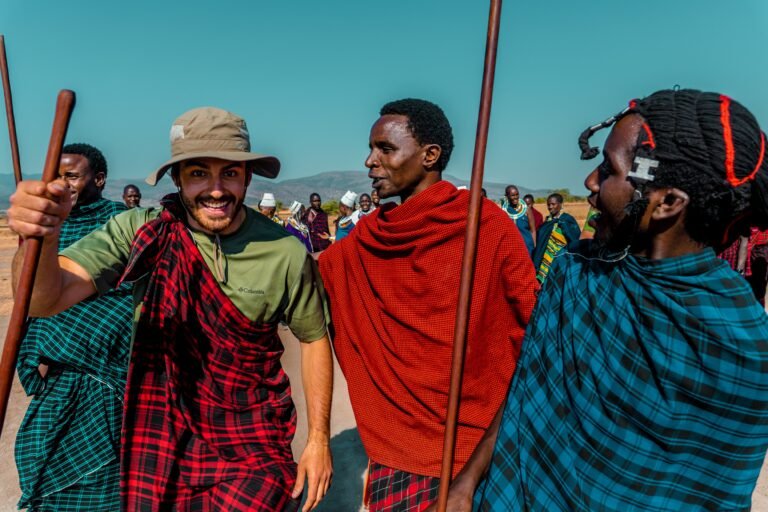
2 Days 1 Night Safari To Mikumi, Udzungwa & Maasai Village: 2026
Discover the highlights of Tanzania's southern circuit on a rapid 2-day, 1-night safari, combining wildlife viewing in Mikumi, unique landscapes in Udzungwa, and cultural immersion with the...
View package details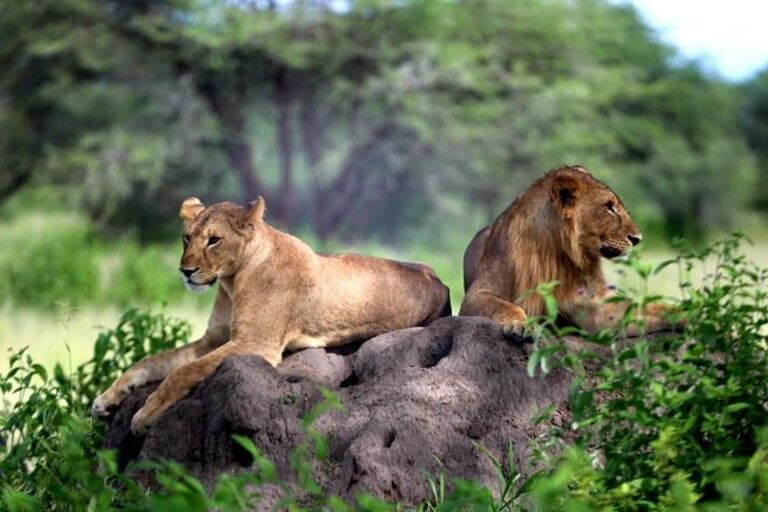
3 Day Joining Safari Group Departures From Moshi: 2026
Discover convenient 3-day group safari departures from Moshi, perfect for maximizing your Tanzania adventure. Explore wildlife-rich parks like Tarangire, Manyara, or the Serengeti on shared...
View package details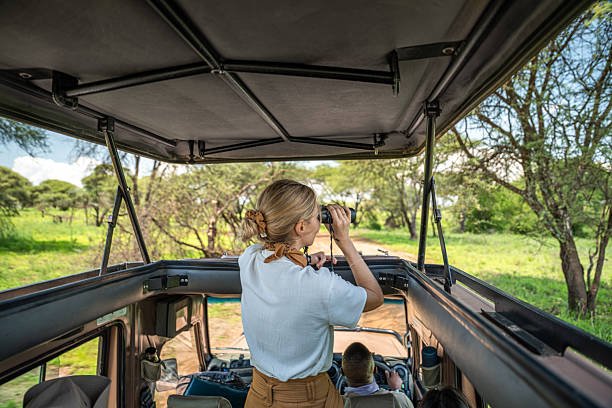
2 Day Group Joining Safari Departures From Moshi: Your Essential Guide
Explore 2-day group joining safaris departing from Moshi, Tanzania. This guide covers essential planning, itinerary options, what's included, and how to book your shared wildlife adventure...
View package detailsWhat Do You Actually Pay For On An African Safari? 2026-2027
What Do You Actually Pay for on an African Safari? is explained with current 2026-2027 planning, price, itinerary and booking information.
View package detailsWhat Does A $1,000 African Safari Look Like? 2026-2027
What Does a $1,000 African Safari Look Like? is explained with current 2026-2027 planning, price, itinerary and booking information.
View package details20 Things You Never Knew About African Safari Animals Guide
Uncover fascinating and often overlooked aspects of African safari animals. This comprehensive guide reveals 20 incredible facts that will deepen your appreciation for wildlife on your...
View package detailsNo related package matches those filters. Clear one or more filters to see the other topic-matched options.



