
A Namibia and Tanzania safari combination itinerary offers an extraordinary journey across two of Africa’s most diverse wildlife destinations, typically spanning 14 to 21 days. It allows travelers to witness Namibia’s stark desert landscapes, unique desert-adapted wildlife, and dramatic coastlines, followed by Tanzania’s classic savannahs, the Great Migration in the Serengeti, and the Ngorongoro Crater’s dense wildlife populations. Such a trip requires careful logistical planning, often involving flights between the two countries, and can be tailored for 2026 and 2027 departures to maximize wildlife viewing opportunities and unique experiences.

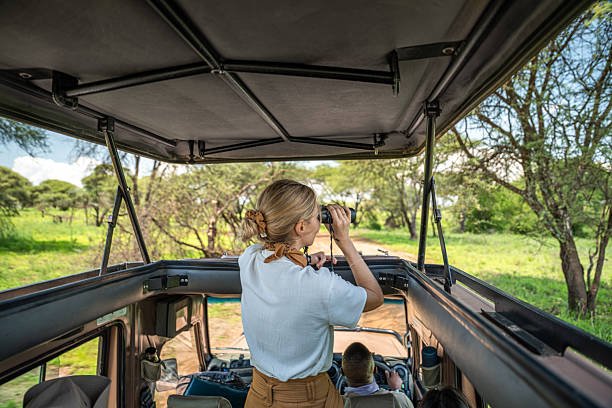
Understanding the Namibia and Tanzania Safari Combination
Combining Namibia and Tanzania for a safari adventure is a dream for many, promising a rich mix of African wilderness. While both nations are renowned for their wildlife, they offer distinctly different experiences. Namibia captivates with its dramatic desert scenery, ancient canyons, and coastal fog, supporting unique species like desert elephants and rhinos. Tanzania, on the other hand, is the quintessential safari destination, famous for its vast plains teeming with predators, the annual Great Migration, and the unparalleled concentration of wildlife within the Ngorongoro Crater. A Namibia and Tanzania safari combination itinerary is not a single, pre-defined package but rather a thoughtfully constructed journey that blends these unique offerings.
The primary challenge and opportunity in crafting such a combination lie in the logistics. Namibia and Tanzania are geographically distant, meaning travel between them requires flights. This adds to the overall duration and cost compared to focusing on a single country. However, for travelers aiming to experience the pinnacle of African wildlife and landscapes, the investment is profoundly rewarding. When planning for 2026 or 2027, early booking is crucial, especially for peak safari seasons and specific lodges or camps that offer exceptional experiences.
Why Combine Namibia and Tanzania? The Unique Appeal
The allure of a Namibia and Tanzania safari combination lies in its ability to deliver unparalleled diversity. Imagine starting your journey amidst the towering red dunes of Sossusvlei in Namibia, a landscape so alien it feels like another planet. Then, picture yourself tracking desert-adapted rhinos in Damaraland, witnessing seals along the Skeleton Coast, or spotting desert elephants in Etosha National Park. This is Namibia’s magic: a land of extremes and resilience.
Transitioning to Tanzania, you enter a world of classic African plains. The Serengeti National Park is synonymous with the Great Migration, a impressive spectacle of millions of wildebeest and zebras. The Ngorongoro Conservation Area, with its caldera teeming with wildlife, offers a chance to see the Big Five in a single day. The Tarangire National Park, known for its large elephant herds and baobab trees, and Lake Manyara, famous for its tree-climbing lions, complete Tanzania’s rich wildlife offering.
This juxtaposition is what makes a Namibia and Tanzania safari combination itinerary so compelling. You move from the raw, arid beauty of Namibia to the lush, vibrant ecosystems of Tanzania. This contrast ensures that your African experience is multifaceted, covering a broader spectrum of wildlife, habitats, and cultural encounters. For travelers seeking a comprehensive understanding of Africa’s natural wonders, this combination is hard to beat.
Structuring Your Namibia and Tanzania Safari Combination Itinerary
Designing a Namibia and Tanzania safari combination itinerary requires careful consideration of time, budget, and the specific interests of the traveler. Most effective combinations range from 14 to 21 days, allowing sufficient time in each country without feeling rushed. The flow of the itinerary is also important, often starting with Namibia’s unique landscapes before heading to Tanzania’s iconic wildlife viewing areas, or vice versa.
A common and effective structure might involve:
- Days 1-7: Namibia Exploration
- Day 8: Travel Day (Namibia to Tanzania)
- Days 9-14 (or longer): Tanzania Safari Highlights
Alternatively, some might prefer to start with Tanzania’s high-octane wildlife action and conclude with Namibia’s serene, dramatic landscapes. The choice often depends on flight availability, seasonal wildlife movements (particularly the Great Migration), and personal preference. For 2026 and 2027 travel, booking well in advance is essential, especially if you aim for specific lodges or wish to experience the migration during its peak periods.
The travel day (Day 8 in the example above) is significant. It typically involves flying from a major Namibian hub like Windhoek (WDH) to a Tanzanian gateway city such as Kilimanjaro International Airport (JRO) or Arusha (ARK). This often involves at least one stopover, making it a full day of travel. Understanding this logistical necessity is key to planning a realistic Namibia and Tanzania safari combination itinerary.
Key Destinations and Experiences in Namibia
Namibia offers a safari experience unlike any other, characterized by its vast open spaces, dramatic geological formations, and unique wildlife adapted to arid conditions. For a Namibia and Tanzania safari combination itinerary, selecting key Namibian highlights is crucial to maximize your time.
Sossusvlei and the Namib Desert
No trip to Namibia is complete without visiting Sossusvlei. This iconic salt pan, surrounded by some of the highest sand dunes in the world, offers impressive landscapes, especially at sunrise and sunset. Activities here include:
- Climbing Dune 45 or Big Daddy: For panoramic views of the desert.
- Visiting Deadvlei: A surreal landscape of ancient camel thorn trees against a stark white pan.
- Exploring Sesriem Canyon: A narrow gorge carved by the Tsauchab River.
Accommodation ranges from luxury lodges within the desert to more budget-friendly options outside the park gates. The experience here is less about spotting large herds and more about immersing yourself in the sheer scale and beauty of the desert environment.
Etosha National Park
Etosha is Namibia’s premier wildlife viewing destination. Its unique feature is the vast, shallow Etosha Pan, which attracts a remarkable concentration of animals, especially during the dry season (June to October). Waterholes become natural gathering points for elephants, lions, leopards, rhinos, giraffes, zebras, and a multitude of antelope species.
- Game Drives: Explore the park’s waterholes, often with excellent sightings.
- Night Drives: Offered by some lodges for a different perspective.
- Okaukuejo Camp: Famous for its floodlit waterhole, a magnet for wildlife after dark.
Etosha is where you’ll find more traditional safari sightings, making it a vital component for a Namibia and Tanzania safari combination itinerary aiming for diverse wildlife encounters.
Damaraland
This rugged, ancient landscape is a haven for desert-adapted wildlife, including black rhinos and elephants. It’s also home to unique geological sites and ancient rock art.
- Tracking Black Rhinos: Guided walks or drives in search of these endangered animals.
- Visiting Twyfelfontein: A UNESCO World Heritage site with thousands of ancient rock engravings.
- Exploring Spitzkoppe: Known as the ‘Matterhorn of Namibia’ for its granite peaks.
Damaraland offers a more rugged, off-the-beaten-path experience, appealing to those who seek adventure and a deeper connection with the wild.
Swakopmund and the Skeleton Coast
While not a traditional safari destination, Swakopmund offers a unique coastal experience that contrasts sharply with the inland deserts and savannahs. Activities include:
- Marine Cruise: Spotting seals, dolphins, and often whales.
- Living Desert Tour: Discovering the small creatures that survive in the Namib Desert dunes.
- Quad Biking and Sandboarding: Adventure activities on the coastal dunes.
Including Swakopmund provides a different facet of Namibia’s diverse geography and is a welcome break from intense wildlife viewing.
Key Destinations and Experiences in Tanzania
Tanzania is the heartland of East African safari, offering iconic landscapes and unparalleled wildlife spectacles. For a Namibia and Tanzania safari combination itinerary, focusing on the Northern Circuit is the most logical and rewarding approach.
Serengeti National Park
The Serengeti is arguably Africa’s most famous national park, renowned for its endless plains and the Great Migration. This natural phenomenon sees millions of wildebeest, zebras, and gazelles traverse the park in search of fresh grazing, closely followed by predators. The experience varies dramatically depending on the time of year and the location within the vast park.
- Witnessing the Great Migration: Crossing rivers (July-September) or calving season (January-February) are peak viewing times.
- Predator Sightings: High densities of lions, leopards, cheetahs, and hyenas.
- Hot Air Balloon Safaris: A magical way to see the plains from above, especially at sunrise.
Accommodation ranges from luxury tented camps to more permanent lodges, strategically located to follow the migration’s movement. For 2026 and 2027, planning around the migration’s expected path is key to a successful Serengeti experience.
Ngorongoro Conservation Area and Crater
A UNESCO World Heritage site, the Ngorongoro Crater is a collapsed volcano caldera that hosts an incredible density of wildlife. It’s one of the few places where you can reliably see the Big Five (lion, leopard, elephant, rhino, buffalo) in a single day, along with vast numbers of other animals.
- Crater Floor Game Drives: Descending into the caldera for exceptional wildlife viewing.
- Maasai Village Visits: Cultural encounters with the local Maasai people (arranged separately).
- Conservation Efforts: Understanding the unique co-existence of wildlife and pastoralists.
The Ngorongoro Crater offers a concentrated wildlife experience, complementing the vastness of the Serengeti.
Tarangire National Park
Known for its large elephant herds and iconic baobab trees, Tarangire is a gem of the Northern Circuit, especially during the dry season when animals congregate along the Tarangire River.
- Elephant Encounters: Witnessing large family groups and massive bulls.
- Birdwatching: Tarangire is a paradise for bird enthusiasts.
- Night Game Drives: Available from some lodges, offering a chance to see nocturnal animals.
Tarangire provides a different landscape and a more intimate feel than the Serengeti, making it a valuable addition to any Namibia and Tanzania safari combination itinerary.
Lake Manyara National Park
Famous for its tree-climbing lions, vibrant birdlife, and scenic groundwater forest, Lake Manyara offers a diverse experience in a relatively small park.
- Tree-Climbing Lions: A rare behavior to observe.
- Flamingos: The lake’s shores are often dotted with thousands of flamingos.
- Canopy Walkway: An elevated walkway offering a unique perspective of the forest.
Lake Manyara is often visited en route to the Serengeti or Ngorongoro, offering a delightful introduction to Tanzania’s wildlife.
Sample Namibia and Tanzania Safari Combination Itinerary (16 Days)
This sample itinerary balances the unique desert landscapes of Namibia with the classic savannah wildlife of Tanzania, offering a comprehensive experience for 2026 or 2027 travel. It is designed for a moderate pace, allowing for in-depth experiences without excessive travel days.
Day 1-3: Windhoek & Surrounds, Namibia
Arrive at Hosea Kutako International Airport (WDH) near Windhoek. Settle into your accommodation, perhaps a lodge just outside the city for a peaceful introduction. Use the first day to relax and acclimatize. Over the next two days, explore Windhoek’s colonial architecture, visit the Christuskirche, and perhaps take a short excursion to the nearby hills for scenic views. This allows for any necessary gear checks or last-minute preparations.
Day 4-5: Sossusvlei & Namib Desert, Namibia
Drive or take a scenic flight to the Sossusvlei region. Spend two days exploring the iconic red dunes. Climb Dune 45 for sunrise, visit Deadvlei’s stark beauty, and marvel at the scale of the desert. Enjoy sundowners overlooking the vast landscape. Accommodation is typically in lodges near the park entrance or within exclusive concessions.
Day 6-7: Swakopmund & Coastal Namibia
Journey to Swakopmund, a charming coastal town located between the Namib Desert and the Atlantic Ocean. Engage in activities like a marine cruise from Walvis Bay to see seals and dolphins, a Living Desert tour to discover the desert’s micro-habitats, or simply enjoy the town’s German colonial heritage and fresh seafood.
Day 8: Travel Day – Namibia to Tanzania
A significant travel day. Depart from Windhoek (WDH) on a flight to Kilimanjaro International Airport (JRO) in Tanzania. This will likely involve a layover, and you should expect to arrive in Arusha, Tanzania, in the evening. You’ll be met by your Tanzanian guide and transferred to your lodge in Arusha.
Day 9: Arusha to Tarangire National Park
After breakfast, drive to Tarangire National Park, famous for its large elephant herds and baobab trees. Enjoy a full day of game drives, exploring the park’s diverse landscapes along the Tarangire River. Overnight in a lodge or tented camp inside or near the park.
Day 10-11: Serengeti National Park
Drive to the legendary Serengeti National Park, perhaps stopping at a Maasai village en route (optional). Spend two full days exploring the vast plains. Depending on the season for your 2026 or 2027 safari, you’ll focus on areas known for migration activity or resident predator concentrations. Enjoy morning and afternoon game drives, with options for hot air balloon safaris.
Day 12: Serengeti to Ngorongoro Conservation Area
Enjoy a final morning game drive in the Serengeti before heading towards the Ngorongoro Conservation Area. Descend into the Ngorongoro Crater for an afternoon game drive, a unique ecosystem teeming with wildlife. Overnight at a lodge on the crater rim or nearby.
Day 13: Ngorongoro to Lake Manyara
After a morning game drive in the Ngorongoro Crater, or a visit to a local Maasai community, drive to Lake Manyara National Park. Enjoy a game drive in the park, known for its tree-climbing lions and diverse birdlife, before settling into your lodge.
Day 14-15: Optional Extension or Departure Preparations
Depending on your chosen duration and interests, these days can be used for further exploration in Tanzania, such as visiting the Usambara Mountains for hiking and cultural experiences, or relaxing on the beaches of Zanzibar. Alternatively, these days can be integrated into the core safari experience, allowing for more in-depth exploration of the Serengeti or Ngorongoro.
Day 16: Departure from Kilimanjaro
After breakfast, transfer to Kilimanjaro International Airport (JRO) for your onward flight, concluding your incredible Namibia and Tanzania safari combination itinerary.
Customizing Your Namibia and Tanzania Safari Combination
The beauty of a Namibia and Tanzania safari combination itinerary is its flexibility. The sample above is a starting point; your trip can be tailored extensively based on your priorities, pace, and budget for 2026 or 2027.
Duration Adjustments
- Shorter Trips (10-12 days): Focus on key highlights in each country, potentially omitting Swakopmund or Tarangire to save travel time. This might involve quicker transfers and less time at each location.
- Longer Trips (18-24 days): Allow for deeper exploration. In Namibia, you could add Damaraland for rhino tracking or the Caprivi Strip for riverine landscapes and different wildlife. In Tanzania, you might extend your time in the Serengeti, explore the Selous Game Reserve (though this adds significant travel), or combine with a Zanzibar beach extension.
Accommodation Styles
Your choice of accommodation significantly impacts the experience and cost. Options for your Namibia and Tanzania safari combination itinerary include:
- Luxury Lodges & Camps: Offering high-end amenities, exquisite dining, private guides, and prime locations.
- Mid-Range Lodges & Tented Camps: Comfortable and well-appointed, providing excellent wildlife viewing opportunities without the top-tier price tag.
- Budget-Friendly Options: Including guesthouses, simpler lodges, and sometimes camping. This requires careful planning to ensure quality experiences are not compromised.
For 2026-2027 bookings, popular lodges and camps, especially those with exclusive locations or unique offerings, get booked up months in advance.
Pace and Focus
Do you prefer a fast-paced adventure hitting all the highlights, or a more relaxed immersion in fewer locations? Are you passionate about photography, birdwatching, tracking specific animals, or cultural interactions? These preferences will shape the itinerary. For instance, a photographer might want more time in specific areas like Etosha’s waterholes or the Serengeti’s predator hotspots.
Travel Style: Private vs. Group
Private Safaris: Offer maximum flexibility, allowing you to set your own pace and focus. You’ll typically have a dedicated vehicle and guide. This is ideal for families, groups of friends, or those with specific interests.
Group Safaris: More budget-friendly, involving shared vehicles and set departure dates. This can be a great way to experience the highlights of a Namibia and Tanzania safari combination itinerary if you are comfortable with a fixed schedule and sharing your experience. Climb 4 Africa offers group departures for Tanzania safaris, which can sometimes be combined with private arrangements in Namibia.
Logistical Considerations for a Namibia and Tanzania Safari Combination
The logistics of combining these two countries are the most critical aspect of planning. Here are key points to consider for your 2026-2027 trip:
Flights
As mentioned, flights are essential. Major international airports are Windhoek (WDH) in Namibia and Kilimanjaro (JRO) or Arusha (ARK) in Tanzania. You’ll need to factor in the cost and time for intercontinental flights to Africa, flights between Namibia and Tanzania, and any internal flights within each country (e.g., to remote lodges in Namibia).
Visas and Vaccinations
Ensure you have the correct visas for both Namibia and Tanzania. Requirements can change, so check official government websites well in advance of your 2026 or 2027 travel dates. Consult your doctor about recommended vaccinations and malaria prophylaxis for both regions.
Travel Insurance
Comprehensive travel insurance is non-negotiable. It should cover medical emergencies, trip cancellations, and lost luggage. For safaris, ensure it covers activities like game drives and any adventure sports you might undertake.
Best Time to Travel for Your Namibia and Tanzania Safari Combination
The optimal time to visit depends on what you want to see, especially concerning the Great Migration in Tanzania.
- Namibia: The dry season (May to October) is generally best for wildlife viewing in Etosha, as animals congregate around waterholes. The desert landscapes are spectacular year-round, but temperatures can be extreme in summer (December-February).
- Tanzania: The dry season (June to October) is ideal for the Serengeti, particularly for witnessing the river crossings of the Great Migration. The calving season (January-February) in the southern Serengeti is also a highlight. The shoulder seasons (March-May, November) can offer fewer crowds and lower prices but unpredictable weather.
For a Namibia and Tanzania safari combination itinerary, aiming for June to October often provides a good balance, offering excellent wildlife viewing in both countries, though it is peak season and thus more expensive for 2026-2027.
Choosing the Right Tour Operator
Given the complexity of a Namibia and Tanzania safari combination itinerary, working with an experienced tour operator is highly recommended. Look for companies that:
- Have in-depth knowledge of both Namibia and Tanzania.
- Can seamlessly manage the inter-country logistics, including flights and transfers.
- Offer customizable itineraries to suit your interests and budget for 2026-2027.
- Provide reliable local support in both countries.
Climb 4 Africa specializes in Tanzania and Kilimanjaro expeditions, but also has extensive experience in arranging comprehensive East and Southern African safari itineraries. We understand the nuances of combining destinations like Namibia and Tanzania, ensuring a smooth and unforgettable adventure. Our team can help craft a bespoke Namibia and Tanzania safari combination itinerary tailored to your specific needs for 2026 or 2027.
What to Pack for Your Combined Safari
Packing for a Namibia and Tanzania safari combination requires versatility. Neutral-colored clothing (khaki, beige, olive green) is essential to blend in with the environment and avoid attracting insects. Lightweight, breathable fabrics are recommended.
Essential Items:
- Lightweight long-sleeved shirts and trousers (for sun and insect protection)
- T-shirts and shorts
- Fleece jacket or warm sweater (for cool evenings and early mornings)
- Waterproof and windproof jacket
- Comfortable walking shoes or hiking boots
- Sandals or flip-flops for camp/lodge
- Hat with a wide brim (for sun protection)
- Sunglasses
- Sunscreen (high SPF)
- Insect repellent (with DEET)
- Basic first-aid kit
- Personal medications
- Binoculars (essential for wildlife viewing)
- Camera with extra batteries and memory cards
- Power adapter and power bank
- Reusable water bottle
- Swimsuit (for lodges with pools)
- Small backpack or daypack
Avoid bright colors, camouflage patterns (unless authorized for specific areas), and excessive perfumes. Pack light, as luggage space on safari vehicles can be limited, especially in Namibia.
Budgeting for Your Namibia and Tanzania Safari Combination
A Namibia and Tanzania safari combination itinerary is a significant investment. The cost varies widely based on duration, accommodation style, private vs. group tours, and the season of travel for 2026-2027.
Key Cost Components:
- International Flights: To and from Africa.
- Inter-country Flights: Between Namibia and Tanzania.
- Accommodation: Lodges and camps are a major expense, especially luxury options.
- Park Fees: Daily entrance fees for national parks and conservation areas.
- Activities: Game drives, guided walks, hot air balloon safaris, marine cruises.
- Guides and Vehicles: Private guides and vehicles are more expensive than shared ones.
- Meals and Drinks: Often included in lodge rates, but not always.
- Visas and Insurance: Necessary administrative costs.
Estimated Cost Ranges (per person, excluding international flights):
- Budget: $300 – $450 per day (basic accommodation, shared vehicles, fewer private activities). This is challenging to achieve for a true Namibia and Tanzania combination without significant compromises.
- Mid-Range: $450 – $750 per day (comfortable lodges, mix of shared/private drives, good quality experience).
- Luxury: $750 – $1500+ per day (high-end lodges, private vehicles and guides, exclusive experiences).
For a 16-day Namibia and Tanzania safari combination itinerary in 2026-2027, expect a mid-range budget to be in the region of $7,200 – $12,000 per person, excluding international flights. Luxury options could easily double this figure.
Booking early for 2026-2027 is crucial not only for availability but also to potentially lock in rates before any significant price increases.
Making Your Booking for 2026-2027
Planning a Namibia and Tanzania safari combination itinerary requires attention to detail. Working with a specialist operator like Climb 4 Africa can significantly simplify the process. We can help you:
- Design a personalized itinerary that balances your interests, budget, and desired pace.
- Secure the best accommodation and internal flights, leveraging our established relationships.
- Provide expert advice on the best times to travel for specific wildlife events in 2026 and 2027.
- Manage all the complex logistics, ensuring a smooth transition between countries.
To begin planning your dream Namibia and Tanzania safari combination itinerary for 2026 or 2027, please reach out to our experienced team. We recommend providing details such as your preferred travel dates, the approximate number of travelers, your desired duration, your accommodation style preference (e.g., mid-range, luxury), and any specific interests you have (e.g., photography, birding, specific wildlife). This will allow us to create a tailored proposal for you.
You can contact us via WhatsApp at +255 747 477 898 or email us at climb4africa@gmail.com. Let us help you craft an unforgettable African adventure that combines the best of Namibia’s unique landscapes with Tanzania’s iconic wildlife.
Check Availability for Namibia And Tanzania Safari Combination Itinerary Guide
Ready to compare dates, prices, and the best option for your group? Send the package name and travel month so the team can reply with a clear quote, availability, and what is included.
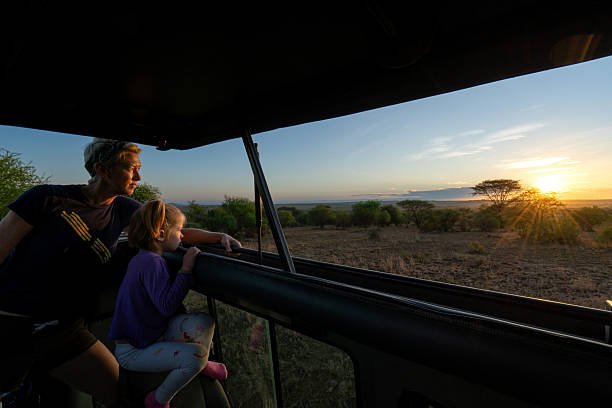
10-Day Tanzania Safari And Zanzibar Beach Holiday: Your Ultimate Itinerary
Combine the thrill of a Tanzania safari with the relaxation of Zanzibar for an unforgettable 10-day adventure. This itinerary balances iconic wildlife viewing with stunning tropical...
View package details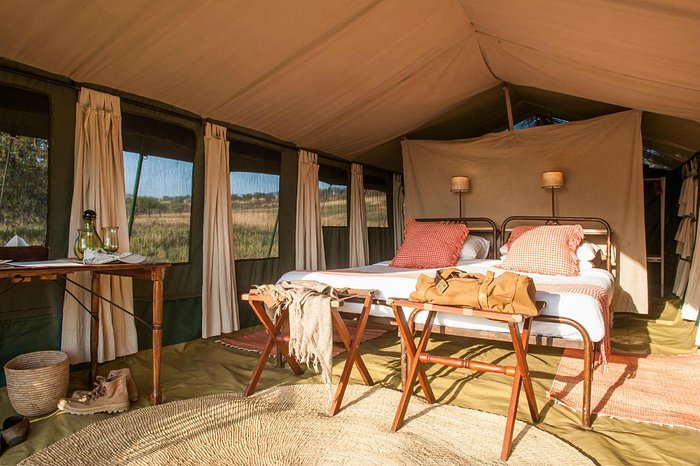
Affordable African Safari Packages: Your Guide To Budget-Friendly Tanzania
Discover how to plan and book affordable African safari packages for 2026-2027. This guide provides practical advice on choosing budget-friendly Tanzania tours, understanding costs, and...
View package details
Kenya And Tanzania Combined Safari Packages: Ultimate Guide 2026-2027
Discover the unparalleled adventure of combining Kenya and Tanzania for a comprehensive East African safari. This guide details everything you need to know for planning your 2026-2027...
View package details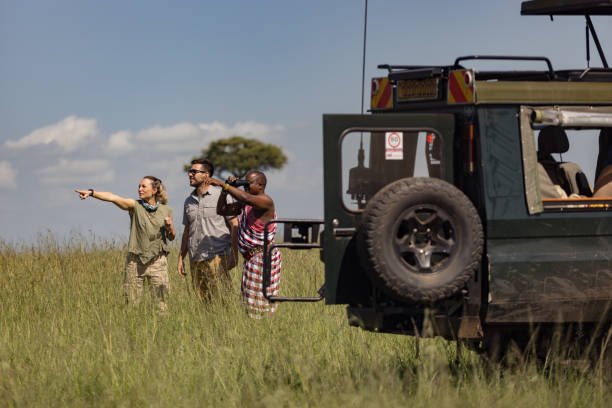
3-Day Serengeti And Ngorongoro Safari: Your Ultimate Tanzania Wildlife
start a concise yet unforgettable 3-day Serengeti and Ngorongoro safari, designed to maximize wildlife encounters in Tanzania's most celebrated parks. This compact adventure offers a taste...
View package details
Serengeti Safari And Zanzibar Beach Holiday: The Ultimate Tanzania
Combine the thrill of a Serengeti safari with the relaxation of a Zanzibar beach holiday. This guide covers everything you need to know for an unforgettable Tanzania adventure in 2026-2027...
View package details
Tanzania Safari And Zanzibar All-Inclusive Packages Guide
Combine the thrill of a Tanzanian wildlife safari with the serene beauty of Zanzibar on an all-inclusive package. This comprehensive guide covers everything you need to know for planning...
View package details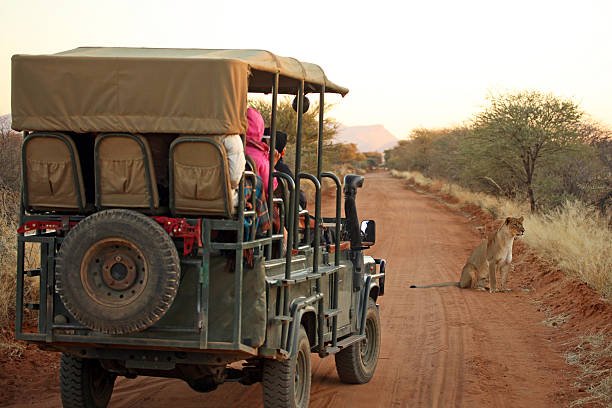
Zanzibar To Mikumi Safari: Flights, Prices And Itinerary Guide
Transition from the spice-scented beaches of Zanzibar to the wildlife-rich plains of Mikumi National Park. This guide details flight logistics, cost considerations, and sample itineraries...
View package details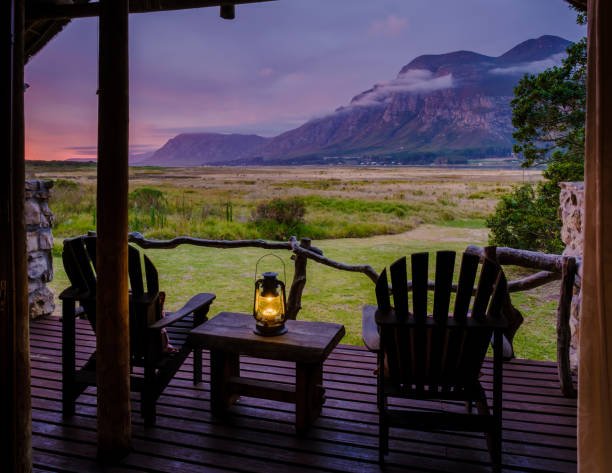
Are African Safari Prices Per Person Or Vehicle? Understanding Tanzania Costs
African safari costs can be confusing. This guide clarifies whether prices are quoted per person or per vehicle, detailing factors that influence your 2026-2027 safari budget in Tanzania.
View package details
Is Tanzania Or Kenya Better For Safari? A Detailed Comparison 2026-2027
Comparing Tanzania and Kenya for your next safari? This in-depth guide breaks down wildlife viewing, landscapes, costs, and optimal travel times to help you choose the perfect East African...
View package details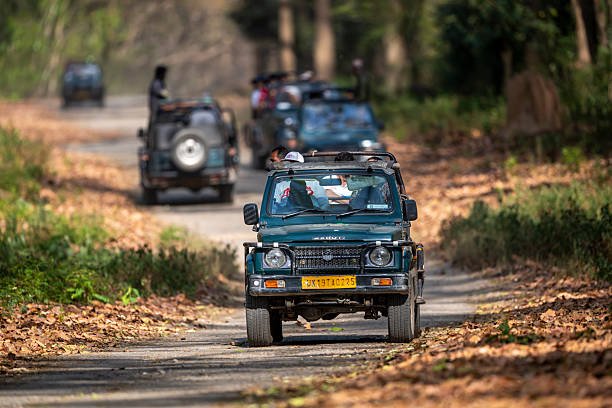
Luxury African Safari Packages: The Ultimate Tanzania Experience In 2026-2027
Explore the pinnacle of African adventure with luxury safari packages in Tanzania. This guide details exclusive lodges, tailor-made itineraries, and the best wildlife experiences for your...
View package details
Tanzania Safari Tours & Packages /: Your Ultimate Wildlife Adventure 2026-2027
Discover the magic of Tanzania with expertly crafted safari tours and packages for 2026 and 2027. From the vast plains of the Serengeti to the depths of the Ngorongoro Crater, find your...
View package detailsBest African Safari Tours & Vacation Packages /: Your Ultimate Tanzania
start an unforgettable African safari adventure in 2026/2027 with expertly curated tours and vacation packages in Tanzania's most iconic wildlife destinations. From the Serengeti to the...
View package detailsNo related package matches those filters. Clear one or more filters to see the other topic-matched options.



