
A Southern Tanzania birding safari focusing on Ruaha, Udzungwa, and Mikumi National Parks offers unparalleled opportunities for discovering unique avian species in diverse, less-visited landscapes, ideal for serious birdwatchers seeking an authentic experience in 2026-2027. This region boasts a rich mix of habitats, from the dry acacia woodlands of Ruaha to the montane forests of Udzungwa and the miombo woodlands surrounding Mikumi, making it a prime destination for spotting endemic and migratory birds.

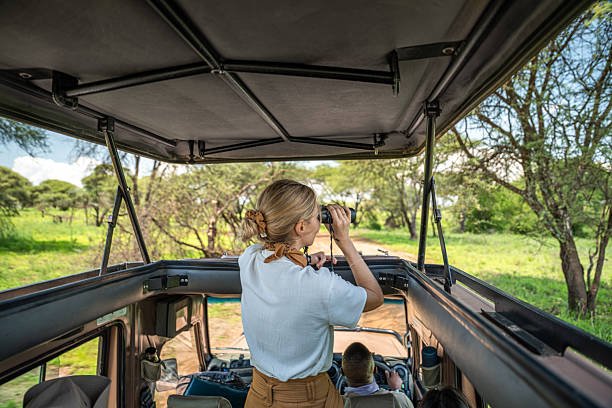
Why Southern Tanzania for Birding?
While the Northern Circuit of Tanzania often takes center stage for wildlife safaris, the southern regions offer a distinctly different, and for the dedicated birder, often more rewarding experience. Southern Tanzania birding safaris, particularly those encompassing Ruaha, Udzungwa, and Mikumi National Parks, present an incredible diversity of avian life set against less crowded, more pristine natural backdrops. This region is a critical area for both resident and migratory birds, boasting a significant number of endemic species found nowhere else on Earth.
For travelers planning a trip in 2026 or 2027, choosing a Southern Circuit birding safari means stepping away from the well-trodden paths. You’ll encounter fewer vehicles, allowing for more intimate wildlife viewing and undisturbed bird observation. The varied ecosystems—from the vast, arid landscapes of Ruaha to the lush, montane forests of Udzungwa and the miombo woodlands and wetlands of Mikumi—each support distinct bird communities. This geographical and ecological variety is precisely what makes a combined safari to these three parks such a compelling proposition for serious ornithologists and keen birdwatchers.
The appeal of Southern Tanzania for birding lies in its sheer biodiversity and the relative wildness of its parks. Ruaha, Tanzania’s largest national park, is renowned for its large elephant and lion populations, but it is also a haven for raptors, hornbills, and a host of other dry-country species. Udzungwa, a part of the ancient Eastern Arc Mountains, is a biodiversity hotspot, a ‘Galapagos of Africa,’ famous for its unique primates and, critically for birders, its endemic forest birds. Mikumi, easily accessible and often visited in conjunction with other southern parks, provides a transition zone with excellent birding opportunities in its woodlands and around its waterholes.
When planning a 2026-2027 birding expedition to this region, it’s crucial to understand the unique characteristics of each park and how they contribute to a comprehensive birding itinerary. This guide aims to provide that insight, helping you make informed decisions about timing, activities, and logistics for an unforgettable Southern Tanzania birding safari.
Ruaha National Park: A Birding Powerhouse
Ruaha National Park is a titan among Tanzanian parks, not just in size but in its ecological significance. For birdwatchers, its vastness translates into a mosaic of habitats, each attracting a unique assemblage of species. Ruaha is particularly celebrated for its high diversity of raptors, with over 40 species recorded, including the majestic Crowned Eagle and the rare Bat-like Weaver. The park’s characteristic acacia and miombo woodland, interspersed with rocky outcrops and riverine forests, creates ideal conditions for a wide range of avian life.
Key Bird Species to Spot in Ruaha
A birding safari in Ruaha is an opportunity to encounter species that are less common in the northern parks. Beyond the raptors, keep an eye out for:
- Hornbills: The park is excellent for various hornbill species, including the Trumpeter Hornbill, Yellow-billed Hornbill, and the striking Ground Hornbill.
- Starlings and Glossy Starlings: Ruaha hosts several iridescent glossy starlings, such as the Violet-backed Starling and the Ruppell’s Starling, which add splashes of colour to the landscape.
- Buntings and Finches: Species like the White-headed Buffalo Weaver, Speckle-fronted Weaver, and various finches are abundant in the drier areas.
- Rollers: The Lilac-breasted Roller, a national symbol of Botswana but found widely in East Africa, is a common sight, alongside the Rufous-crowned Roller.
- Water Birds: Along the Great Ruaha River and its tributaries, expect to see herons, egrets, kingfishers, and other water-dependent species, especially during the drier months when water sources become more concentrated.
The sheer number of bird species recorded in Ruaha, often cited as over 570, highlights its importance as a birding destination. The park’s remoteness and limited tourist numbers mean that sightings can feel more exclusive and natural.
Habitat Diversity and Bird Distribution
Ruaha’s birdlife is intrinsically linked to its varied topography and vegetation. The dominant miombo woodland provides habitat for species adapted to this dry, open forest environment. The riverine forests, lining the Great Ruaha River and its seasonal tributaries, are critical for insectivorous birds, flycatchers, and species that require denser cover and a more reliable water supply. The rugged hills and kopjes are the domain of rock-dwelling birds and raptors that use these elevated perches for hunting and nesting.
Understanding these habitat zones is key for any serious birder. For instance, species like the Crested Barbet and various woodpeckers are commonly found in the woodlands, while the African Finfoot might be glimpsed in quieter stretches of the river. The park’s expansive grasslands also support ground-nesting birds and species that forage in open areas.
Best Time for Birding in Ruaha
The birding experience in Ruaha is significantly influenced by the season. The dry season (June to October) is often considered prime time for birdwatching. During these months, vegetation is less dense, making birds easier to spot. Furthermore, water sources become scarcer, concentrating birds around the remaining rivers and waterholes, which also attracts predators. This is also a peak time for raptor activity. Migratory birds from Europe and other parts of Africa are typically present from November to April, adding another layer of diversity, especially for those interested in waders and certain passerines. However, the green season (November to May) brings lush landscapes and breeding plumage for many resident birds, making it an excellent time for photographers and those interested in observing nesting behaviours. For a comprehensive Southern Tanzania birding safari experience in 2026-2027, considering these seasonal nuances is vital.
Birding Activities in Ruaha
Standard game drives are excellent for covering large areas of Ruaha and spotting a wide array of bird species, including those in the woodlands and open plains. However, for a more focused birding experience, consider:
- Walking Safaris: In designated areas, walking safaris offer an intimate encounter with the bush and its smaller inhabitants. This is ideal for spotting ground-dwelling birds, smaller passerines, and understanding avian behaviour up close. A guided walking safari can reveal species easily missed from a vehicle.
- Boat Safaris: When water levels permit, particularly along the Great Ruaha River, boat safaris provide unique perspectives on water birds, kingfishers, and riverside species. This activity is less common in Ruaha than in some other parks but can be arranged depending on conditions and operator availability.
When planning your 2026-2027 Ruaha birding safari, discuss specific birding interests with your tour operator to ensure your itinerary maximizes opportunities for the species you wish to see.
Udzungwa Mountains National Park: Forested Treasures
Udzungwa Mountains National Park is a world away from the open plains of Ruaha. This is a realm of montane rainforests, mist-shrouded peaks, and ancient miombo woodlands, forming part of the biologically rich Eastern Arc Mountains. For birdwatchers, Udzungwa is a prime destination for spotting a high number of endemic species found nowhere else on Earth. It’s often referred to as the ‘Galapagos of Africa’ due to its unique evolutionary history and high rate of endemism, not just for primates but for birds as well.
Endemic and Unique Birds of Udzungwa
The star attractions in Udzungwa are its endemic species, many of which are shy and inhabit the dense forest undergrowth. These include:
- Udzungwa Forest Partridge: A critically endangered and elusive species, often considered the holy grail for birders visiting the park.
- Dappled Mountain Robin: Another species that prefers the dense forest floor.
- Udzungwa Scops Owl: A small, nocturnal owl with a distinctive call.
- Green-headed Oriole: A strikingly coloured bird found in the upper canopy.
- Swynnerton’s Robin: Found in specific high-altitude forests.
Beyond the endemics, Udzungwa hosts a variety of other forest birds, including turacos, barbets, sunbirds, and a range of endemic subspecies. The sheer variety of forest types, from lowland to montane, supports a complex bird community.
Trekking and Birding in Udzungwa
Birding in Udzungwa is inextricably linked with trekking. The park’s terrain is steep and rugged, with well-maintained trails leading through diverse forest types. Key birding areas and treks include:
- Dengu Trail: A popular route leading to waterfalls, offering chances to see forest birds along the way.
- Sanje Waterfalls: This trek is known for its scenic beauty and opportunities to spot birds in the forest canopy and along the watercourses.
- Mwanihana Trail: A more challenging, multi-day trek that ascends Mwanihana Peak, offering access to higher altitude forest habitats and potentially rarer species.
It’s essential to be accompanied by a local guide who is knowledgeable about bird calls and habitats. The dense forest can make spotting difficult, so a guide’s expertise is invaluable for locating specific species.
Planning Your Udzungwa Birding Expedition
Given the trekking involved, a good level of physical fitness is recommended for birding in Udzungwa. The park is accessed via the main entrance near Mang’ula. Visitors typically stay in lodges or campsites outside the park, with day trips or multi-day camping treks organised from there. For a 2026-2027 birding trip, booking guided treks in advance is advisable, especially for longer excursions.
Important Note: Udzungwa National Park is primarily a trekking and hiking destination. While wildlife is present, the focus for visitors is typically on the unique flora, primates, and its spectacular birdlife. The terrain requires appropriate footwear and clothing.
Seasonal Considerations for Udzungwa
The climate in Udzungwa is tropical, with distinct wet and dry seasons. The dry season (June to October) generally offers the most pleasant trekking conditions, with less rain and lower humidity, making trails easier to navigate. Bird activity can be high as birds forage for food. The rainy season (November to May) can bring heavy downpours, making some trails muddy and slippery. However, this period is also when many birds are in breeding plumage and actively calling, which can aid in detection. The shoulder months, such as May and November, can offer a good balance.
Mikumi National Park: Woodland and Wetland Wonders
Mikumi National Park, often visited as part of a Southern Circuit itinerary due to its accessibility, provides a different birding experience. It’s characterized by its open miombo woodlands, grasslands, and a significant flood plain with several permanent water sources. This creates a diverse habitat that supports a wide array of bird species, including many that are common across East Africa but also some that are more specific to these environments.
Birdlife Highlights in Mikumi
Mikumi is a great place to see a variety of:
- Water Birds: The park’s floodplains and waterholes are magnets for wading birds, waterfowl, and raptors that prey on them. Expect to see various egrets, herons, storks, and pelicans, especially around the Mkata Floodplain.
- Birds of Prey: Eagles, buzzards, and kites are well-represented, often seen soaring overhead or perched on trees.
- Woodland Species: The miombo woodlands are home to numerous species, including various hornbills, barbets, weavers, and sunbirds.
- Ground Birds: Species like the Helmeted Guineafowl are common, as are various francolins and quails.
While Mikumi might not boast the same number of endemics as Udzungwa or the sheer raptor concentration of Ruaha, it offers a robust birding experience that complements the other two parks, providing a good overview of Tanzania’s avian diversity.
Comparing Mikumi’s Habitats for Birding
The key to birding in Mikumi lies in exploring its distinct habitat zones:
- Mkata Floodplain: This is the heart of Mikumi and offers open views for spotting large mammals and birds of prey. The surrounding grasslands also attract seed-eating birds and ground-dwelling species.
- Miombo Woodlands: Surrounding the open areas, these woodlands are excellent for spotting arboreal birds, including hornbills, barbets, and various seed-eating species.
- Waterholes and Rivers: Permanent and seasonal water sources are crucial for attracting water birds and insectivorous species that feed on insects drawn to the water.
A safari vehicle is the primary way to cover ground and explore these varied habitats. Birding can be done from the vehicle or during short stops at strategic points.
Best Visiting Periods for Mikumi Birding
Similar to other southern parks, the dry season (June to October) is generally preferred for birding in Mikumi. The vegetation is less dense, and birds congregate around water sources. This period also coincides with the best time for general wildlife viewing. The rainy season (November to May) sees lush landscapes and breeding activity, which can be excellent for photographers and those interested in nesting behaviours. Migratory birds are present during this time. For a 2026-2027 trip, the dry season offers convenience, while the green season offers specific photographic and breeding opportunities.
Combining Ruaha, Udzungwa, and Mikumi: Itinerary Planning
A Southern Tanzania birding safari that combines Ruaha, Udzungwa, and Mikumi is a substantial undertaking, offering incredible rewards for dedicated birdwatchers. The logistical challenge is significant, but the payoff in terms of unique avian encounters and diverse landscapes is immense. Planning is key to maximizing your experience for 2026-2027.
A Sample Itinerary Structure for 2026-2027
A typical itinerary might look like this:
- Days 1-2: Arrival and Arusha/Dar es Salaam transfer. Depending on your international flight, you’ll either arrive at Kilimanjaro International Airport (JRO) and transfer to Arusha, or fly into Julius Nyerere International Airport (DAR) in Dar es Salaam. It’s common to spend a night here to prepare and arrange domestic flights or road transfers.
- Days 3-5: Mikumi National Park. Often the first stop due to its relative proximity to Dar es Salaam. Spend 2-3 days on game drives, focusing on birding in its woodlands and floodplains.
- Days 6-8: Udzungwa Mountains National Park. Transfer from Mikumi to Udzungwa. Spend 2-3 days trekking and birding, focusing on the forest trails and seeking out endemic species.
- Days 9-12: Ruaha National Park. Travel from Udzungwa to Ruaha. This usually involves a flight from a nearby airstrip (e.g., Ifakara) to Msembe Airstrip in Ruaha, or a longer road journey. Spend 3-4 days exploring Ruaha, focusing on its diverse habitats and raptors.
- Day 13: Departure. Fly from Ruaha back to Dar es Salaam for your international departure, or to Arusha if connecting to other destinations.
This is a highly condensed example; a more relaxed pace would extend each park’s stay. For instance, a 14-day itinerary might allow for more in-depth exploration of each park.
Duration and Pacing Considerations
A focused Southern Tanzania birding safari needs adequate time. A minimum of 10-12 days is recommended to experience all three parks without feeling rushed. However, for serious birdwatchers aiming to maximize sightings and explore thoroughly, 14-21 days would be ideal. This allows for:
- Deeper Exploration: Spending more time in each park allows for exploring different sectors and habitats, increasing the chances of encountering a wider range of species.
- Flexibility: Weather or unexpected sightings can influence daily plans. More time provides flexibility.
- Reduced Fatigue: Long travel days between parks can be tiring. A slower pace makes the journey more enjoyable.
When planning for 2026-2027, consider your personal pace and birding intensity. A shorter trip might focus on just two of the parks if time is limited.
Transportation and Logistics
Getting around Southern Tanzania for birding requires careful planning:
- Road Travel: The roads between parks can be rough and time-consuming. For example, the drive from Mikumi to Udzungwa is manageable, but onward travel to Ruaha by road is very long and often requires a 4×4 vehicle.
- Flights: The most efficient way to connect between these distant parks is by light aircraft. Flights operate from Dar es Salaam and Arusha to airstrips within or near the parks (e.g., Msembe in Ruaha, Ifakara near Udzungwa). This significantly reduces travel time and is highly recommended for maximizing birding time. For 2026-2027, booking these internal flights well in advance is crucial, as availability can be limited.
- Vehicle Type: For park game drives, a sturdy 4×4 safari vehicle with pop-up roof is essential. For Udzungwa, walking is the primary mode of transport, requiring appropriate hiking gear.
Working with a local tour operator like Climb 4 Africa is invaluable for arranging smooth transfers, internal flights, and ensuring you have the right vehicle and guides for your specific birding needs in Southern Tanzania.
Accommodation Options for Birders
Accommodation choices in Southern Tanzania for birding safaris vary significantly between the parks, reflecting their different levels of development and accessibility. Choosing the right lodge or camp can enhance your birding experience by placing you closer to prime habitats or offering excellent birding opportunities right on your doorstep.
Ruaha National Park Lodging
Ruaha offers a range of lodges and tented camps, from rustic to more luxurious. Many are strategically located to offer views of the landscape or near water sources where birds and animals congregate. Expect:
- Tented Camps: Offering an authentic safari feel, often with comfortable en-suite facilities. Some camps are situated to allow for excellent birding around the camp itself, particularly in the early mornings and late afternoons.
- Permanent Lodges: Offering more amenities and comfort, often with swimming pools and restaurants.
- Park-run Rest Houses: Basic but functional, providing a more budget-friendly option for those prioritizing time in the park.
For a 2026-2027 birding safari, staying inside or very close to the park boundaries maximizes your birding time.
Udzungwa Mountains National Park Lodging
Accommodation options in Udzungwa are more limited and generally simpler, reflecting its status as a trekking and conservation area rather than a traditional safari destination. Options include:
- Forest Lodges/Huts: Basic accommodation is available within or near the park entrance, often managed by the park authorities or local conservation initiatives.
- Campsites: Several campsites are available for those who prefer to camp, offering a closer connection to nature.
- Lodges in Nearby Towns: More comfortable lodges and guesthouses can be found in nearby towns like Mang’ula or Ifakara, from where day trips into the park are organized.
When planning a birding trip to Udzungwa in 2026-2027, expect that comfort levels might be lower than in Ruaha or Mikumi, but the immersion in the forest environment is unparalleled.
Mikumi National Park Lodging
Mikumi offers a good selection of accommodation, ranging from budget-friendly lodges to more upscale tented camps. Its accessibility means there are more options catering to different preferences:
- Tented Camps: Many camps are situated just outside the park gates, offering comfortable tented accommodation with en-suite bathrooms and common dining areas. Some are known for attracting birds to their grounds.
- Lodges: Various lodges offer comfortable rooms, often with restaurants and other facilities.
- Campsites: Basic camping facilities are also available.
The choice of accommodation in Mikumi can influence your birding experience, with some lodges offering excellent birding right on their premises.
Factors for Birders to Consider
- Proximity to Habitats: Lodges located near rivers, woodlands, or specific birding hotspots are preferable.
- Noise Levels: Opt for quieter locations away from main roads or busy areas for better bird observation.
- Guides: Some lodges offer their own resident guides who may have excellent local bird knowledge.
- Early Morning/Late Afternoon Access: Lodges that allow easy access to the park or surrounding areas during the prime birding hours (dawn and dusk) are advantageous.
When booking your 2026-2027 Southern Tanzania birding safari, discuss accommodation preferences with your tour operator to ensure they align with your birding goals.
What to Pack for Your Southern Tanzania Birding Safari
Packing appropriately is crucial for a comfortable and successful birding safari in Southern Tanzania. The varied environments and activities require a versatile packing list. Remember that space in safari vehicles and light aircraft can be limited, so pack efficiently.
Clothing Essentials
- Neutral-Coloured Clothing: Opt for earth tones (khaki, olive green, beige, brown) that blend with the environment. Avoid bright colours, which can startle birds.
- Lightweight, Breathable Fabrics: Cotton, linen, or technical hiking fabrics are ideal for the warm climate.
- Long-Sleeved Shirts and Trousers: Essential for sun protection and to guard against insect bites, especially during early mornings and evenings.
- Fleece or Warm Jacket: Evenings and early mornings can be cool, particularly in Ruaha or at higher altitudes in Udzungwa.
- Waterproof Jacket: A lightweight, packable waterproof jacket is advisable, especially during the rainy season or for Udzungwa’s potentially damp conditions.
- Comfortable Walking Shoes/Hiking Boots: Essential for trekking in Udzungwa. Ensure they are broken in.
- Comfortable Safari Shoes: For game drives and general wear.
- Hat: A wide-brimmed hat or cap for sun protection.
- Socks: Good quality walking socks.
Optics and Equipment
- Binoculars: High-quality binoculars (8×42 or 10×42 are good general-purpose choices) are non-negotiable for birding.
- Camera and Lenses: If you’re a keen photographer, bring a camera with a good zoom lens (e.g., 300mm or longer). Extra batteries and memory cards are a must.
- Field Guide: A good field guide for East African birds will be invaluable. Consider one specific to Tanzania or the broader region.
- Notebook and Pen: For recording sightings and notes.
Health and Safety
- Insect Repellent: High DEET content is recommended.
- Sunscreen: High SPF.
- Personal First-Aid Kit: Including any personal medications, plasters, antiseptic wipes, pain relievers, and anti-diarrhoea medication.
- Hand Sanitizer: For use when facilities are unavailable.
- Malaria Prophylaxis: Consult your doctor about malaria prevention before your trip.
- Yellow Fever Certificate: May be required for entry into Tanzania.
Other Essentials
- Backpack: A daypack for carrying water, snacks, camera, and binoculars during treks and drives.
- Water Bottle: Reusable water bottles are encouraged.
- Headlamp or Torch: Useful for navigating camps at night or for early morning birding walks.
- Power Bank/Universal Adapter: For charging electronic devices.
When packing for your 2026-2027 Southern Tanzania birding safari, always check with your tour operator for specific recommendations based on the season and planned activities.
Conservation and Responsible Birding Practices
As birdwatchers, we have a responsibility to minimize our impact on the environments we visit and the species we observe. Southern Tanzania’s parks are vital conservation areas, and adopting responsible practices ensures their protection for future generations and for the birds themselves. For any birding safari in 2026-2027, consider the following:
Minimizing Disturbance
- Maintain Distance: Always keep a respectful distance from birds, especially during breeding season. Avoid approaching nests or young birds.
- Avoid Chasing Birds: Never chase a bird for a better view or photograph. This can cause stress and disrupt their behaviour.
- Use Playback Sparingly (if at all): While bird calls can help locate species, excessive or prolonged playback can stress birds, disrupt their territories, and waste their energy. Many ethical birders avoid playback altogether. Discuss this with your guide.
- Stay on Trails: In areas like Udzungwa, sticking to designated trails is crucial to avoid damaging fragile forest ecosystems and disturbing ground-nesting birds.
Habitat Protection
- Leave No Trace: Pack out everything you pack in. Avoid littering, especially plastics.
- Do Not Feed Wildlife: This includes birds. Feeding them can alter their natural behaviour and diet, making them dependent and vulnerable.
- Respect Vegetation: Do not pick flowers or break branches.
Supporting Conservation
- Choose Eco-Friendly Operators: Select tour operators and lodges that demonstrate a commitment to sustainability and conservation efforts.
- Pay Park Fees: Park entrance fees are a vital source of funding for conservation and park management. Ensure your itinerary includes these.
- Educate Yourself and Others: Learn about the local ecosystems and bird species, and share your knowledge responsibly.
By adhering to these principles, your Southern Tanzania birding safari in 2026-2027 will not only be a memorable experience but also a positive contribution to conservation efforts in this remarkable region.
Booking Your Southern Tanzania Birding Safari for 2026-2027
Planning a specialized birding safari to Southern Tanzania requires attention to detail, especially when combining parks like Ruaha, Udzungwa, and Mikumi. The logistics, optimal timing, and specific guiding needs for birdwatching make it a trip best managed by experts. Whether you are planning for 2026 or 2027, engaging with a knowledgeable local operator is the most effective way to ensure a successful and rewarding experience.
Why Book with Climb 4 Africa?
Climb 4 Africa specializes in creating authentic Tanzanian travel experiences, including detailed wildlife safaris and birding expeditions. Our local expertise means we understand the nuances of Southern Tanzania’s parks, the best times to visit for birding, the most suitable accommodation, and the most efficient travel logistics. We can tailor an itinerary specifically for your birding interests, ensuring you have experienced guides who are knowledgeable about local avian species and their habitats.
What to Discuss When Booking
When you contact us to plan your Southern Tanzania birding safari, be ready to discuss:
- Your Birding Priorities: Are you looking for specific endemic species, raptors, or a general overview of avian diversity?
- Desired Parks: Do you want to visit all three (Ruaha, Udzungwa, Mikumi) or focus on a specific combination?
- Travel Dates: Consider the best seasons for your interests (e.g., dry season for general viewing, green season for breeding plumage).
- Duration: How many days do you have available for the safari?
- Accommodation Style: Budget, mid-range, or luxury?
- Pace: Do you prefer a fast-paced trip or a more relaxed exploration?
- Budget: Having a general budget in mind helps us tailor options.
We can then craft a personalized itinerary for your 2026-2027 Southern Tanzania birding safari that includes optimal park combinations, internal flights, suitable lodges, and expert guides. Our team is committed to providing practical local support and ensuring your trip is both memorable and successful.
To start planning your bespoke birding adventure, reach out to Climb 4 Africa. You can contact us via WhatsApp at +255 747 477 898 or by emailing climb4africa@gmail.com. Let us help you discover the exceptional birdlife of Ruaha, Udzungwa, and Mikumi in 2026-2027.
Check Availability for Southern Tanzania Birding Safari: Ruaha, Udzungwa & Mikumi In 2026-2027
Ready to compare dates, prices, and the best option for your group? Send the package name and travel month so the team can reply with a clear quote, availability, and what is included.
Zanzibar To Mikumi Safari: Flights, Prices And Itinerary Guide
Transition from the spice-scented beaches of Zanzibar to the wildlife-rich plains of Mikumi National Park. This guide details flight logistics, cost considerations, and sample itineraries...
View package details
Affordable African Safari Packages: Your Guide To Budget-Friendly Tanzania
Discover how to plan and book affordable African safari packages for 2026-2027. This guide provides practical advice on choosing budget-friendly Tanzania tours, understanding costs, and...
View package details
Kenya And Tanzania Combined Safari Packages: Ultimate Guide 2026-2027
Discover the unparalleled adventure of combining Kenya and Tanzania for a comprehensive East African safari. This guide details everything you need to know for planning your 2026-2027...
View package details
3-Day Serengeti And Ngorongoro Safari: Your Ultimate Tanzania Wildlife
start a concise yet unforgettable 3-day Serengeti and Ngorongoro safari, designed to maximize wildlife encounters in Tanzania's most celebrated parks. This compact adventure offers a taste...
View package details
Serengeti Safari And Zanzibar Beach Holiday: The Ultimate Tanzania
Combine the thrill of a Serengeti safari with the relaxation of a Zanzibar beach holiday. This guide covers everything you need to know for an unforgettable Tanzania adventure in 2026-2027...
View package details
Tanzania Safari And Zanzibar All-Inclusive Packages Guide
Combine the thrill of a Tanzanian wildlife safari with the serene beauty of Zanzibar on an all-inclusive package. This comprehensive guide covers everything you need to know for planning...
View package details
Are African Safari Prices Per Person Or Vehicle? Understanding Tanzania Costs
African safari costs can be confusing. This guide clarifies whether prices are quoted per person or per vehicle, detailing factors that influence your 2026-2027 safari budget in Tanzania.
View package details
Is Tanzania Or Kenya Better For Safari? A Detailed Comparison 2026-2027
Comparing Tanzania and Kenya for your next safari? This in-depth guide breaks down wildlife viewing, landscapes, costs, and optimal travel times to help you choose the perfect East African...
View package details
Luxury African Safari Packages: The Ultimate Tanzania Experience In 2026-2027
Explore the pinnacle of African adventure with luxury safari packages in Tanzania. This guide details exclusive lodges, tailor-made itineraries, and the best wildlife experiences for your...
View package details
Tanzania Safari Tours & Packages /: Your Ultimate Wildlife Adventure 2026-2027
Discover the magic of Tanzania with expertly crafted safari tours and packages for 2026 and 2027. From the vast plains of the Serengeti to the depths of the Ngorongoro Crater, find your...
View package detailsBest African Safari Tours & Vacation Packages /: Your Ultimate Tanzania
start an unforgettable African safari adventure in 2026/2027 with expertly curated tours and vacation packages in Tanzania's most iconic wildlife destinations. From the Serengeti to the...
View package details
Private Tanzania Safari Packages: Your Ultimate Guide For 2026-2027
Discover the unparalleled freedom and personalized experience of a private Tanzania safari package. This comprehensive guide for 2026-2027 explores custom itineraries, key destinations like...
View package detailsNo related package matches those filters. Clear one or more filters to see the other topic-matched options.



