
Planning a safari after AFCON 2027 in Tanzania offers a fantastic opportunity to experience the country’s renowned wildlife and landscapes, especially if you aim for late 2027 or early 2028. While the tournament itself might draw attention to sports, Tanzania’s natural wonders remain a constant draw, with key safari seasons aligning perfectly for post-event travel. Expect excellent game viewing in parks like the Serengeti, Ngorongoro Crater, and Tarangire, particularly during the dry season from June to October, and again from December to February, which can also offer excellent post-AFCON opportunities in 2027/2028.


Timing Your Safari After AFCON 2027: When is Best?
The question of when to start a safari after AFCON 2027 in Tanzania is crucial for maximizing your wildlife viewing experience. While AFCON 2027 itself will be a major event, the natural rhythms of Tanzania’s ecosystems continue year-round, though certain periods offer distinct advantages. Understanding these patterns will help you align your post-tournament travel with the best opportunities for sightings and comfortable travel conditions in 2026-2027.
Generally, Tanzania experiences two main safari seasons:
- The Dry Season (June to October): This is often considered the prime safari time. Rainfall is minimal, vegetation thins out, and animals congregate around permanent water sources. This concentration makes spotting wildlife significantly easier. For those planning a safari after AFCON 2027, aiming for the latter half of 2027, specifically September or October, would place you squarely within this optimal window. The weather is typically sunny and pleasant, though evenings can be cool, especially at higher altitudes. This period also coincides with the dramatic river crossings of the Great Migration in the Western Serengeti, a bucket-list spectacle for many.
- The Wet Season (November to May): This period is characterized by rains, which vary in intensity. The ‘short rains’ typically occur in November and December, while the ‘long rains’ are usually from March to May. While some roads might become challenging, the wet season offers its own unique beauty. The landscapes turn lush and green, birdlife is abundant with migratory species present, and the “calving season” in the Southern Serengeti (late January to March) is a spectacular time for predator-action as wildebeest give birth. For a safari after AFCON 2027, the short rains in late 2027 can still offer rewarding experiences, often with fewer crowds and lower prices. Traveling in January or February 2028, following the short rains, also presents excellent opportunities before the main long rains begin.
Considering the AFCON 2027 Schedule
The exact dates for AFCON 2027 are critical for planning. If the tournament concludes in mid-to-late July 2027, then immediately transitioning into a safari in August or September 2027 positions you perfectly for the peak dry season and migration events. If the tournament extends into August or finishes later, you might consider a safari in the shoulder months of October 2027 or even pushing into early 2028. The key is to book well in advance, as popular safari dates, especially during peak season, fill up quickly, and 2026-2027 will be a popular travel period.
The Shoulder Seasons: Value and Wildlife
The shoulder seasons – April, May, November, and early December – can offer a compelling balance of good wildlife viewing and fewer crowds. The long rains in April and May can make some areas inaccessible, but the Northern Circuit parks generally remain open. The landscape is incredibly vibrant, and prices for safaris might be slightly more accessible. For a safari after AFCON 2027, if you’re looking for a more relaxed experience away from the peak season rush and potentially better value, consider late November or early December 2027. This period often sees the start of the short rains, which can bring dramatic skies and renewed life to the plains.
Ultimately, a safari after AFCON 2027 in Tanzania is possible and rewarding in most months. However, for the classic, high-visibility wildlife experience, the dry season from June to October 2027 is unparalleled. For a different perspective, abundant newborn wildlife, and potentially fewer vehicles, the calving season from January to March 2028 is exceptional.
Top Tanzania Safari Parks for 2026-2027 Post-AFCON Adventures
Tanzania boasts a collection of Africa’s most iconic wildlife destinations. When planning your safari after AFCON 2027, focusing on the Northern Circuit is usually the most practical and rewarding choice due to its high concentration of diverse ecosystems and easily accessible major parks. These parks offer incredible game viewing opportunities that are accessible throughout much of the year, making them ideal for post-tournament travel in 2026-2027.
The Northern Circuit: A Classic Choice
The Northern Circuit is a well-trodden path for a reason. It includes the Serengeti National Park, Ngorongoro Conservation Area, Tarangire National Park, Lake Manyara National Park, and Arusha National Park. These parks are relatively close to each other and to Kilimanjaro International Airport (JRO), facilitating efficient travel itineraries.
- Serengeti National Park: The undisputed crown jewel. Famous for the Great Migration, vast open plains, and incredible predator-wildlife interactions.
- Ngorongoro Conservation Area: Home to the Ngorongoro Crater, a UNESCO World Heritage Site and one of the most biodiverse places on Earth. It offers dense populations of wildlife, including the Big Five, in a stunning natural amphitheater.
- Tarangire National Park: Known for its large elephant herds, iconic baobab trees, and diverse birdlife. It’s particularly spectacular during the dry season.
- Lake Manyara National Park: Famous for its tree-climbing lions, large troops of baboons, and diverse birdlife, set against the backdrop of the Great Rift Valley escarpment.
Why These Parks for Post-AFCON 2027?
These parks offer a high probability of incredible sightings regardless of the exact month you travel in late 2027 or early 2028. The infrastructure is well-developed, catering to various safari styles, and they provide the quintessential Tanzanian safari experience. Whether you’re interested in the drama of the migration, the density of the Ngorongoro Crater, or the elephant concentrations in Tarangire, the Northern Circuit delivers. Planning your safari after AFCON 2027 around these locations ensures a high chance of success and a memorable adventure.
When considering your safari after AFCON 2027 in Tanzania, remember that each park has its own micro-seasons and highlights. For instance, while the Serengeti is famous for the migration, Tarangire’s elephant herds are most concentrated during the dry months, making it a prime destination for a late 2027 safari. Lake Manyara, while smaller, can offer fantastic sightings year-round, with its tree-climbing lions being a particular draw.
The Serengeti Migration: Timing Your Post-AFCON 2027 Safari
The Great Migration is one of the planet’s most spectacular natural phenomena, involving over 1.5 million wildebeest, zebras, and antelopes constantly moving in a circular pattern across the Serengeti-Mara ecosystem. For many, witnessing this event is the pinnacle of a safari after AFCON 2027 in Tanzania. The timing of your trip in 2026-2027 will dictate where in the vast Serengeti you’re most likely to see large herds and dramatic predator action.
Migration Hotspots by Month
Understanding the migration’s general movements is key to planning:
- December – March: Southern Serengeti & Ndutu Area (Ngorongoro Conservation Area): This is the calving season. Millions of wildebeest gather on the short-grass plains to give birth. It’s a time of intense activity, with high predator numbers (lions, cheetahs, hyenas) as they prey on the vulnerable newborns. If your safari after AFCON 2027 falls into early 2028, this is a phenomenal time to visit for action-packed game drives.
- April – May: Western & Central Serengeti: The herds begin to move northwards. These months often bring the ‘long rains,’ making travel potentially challenging in some areas. However, the western corridor can still offer excellent viewing before the rains truly take hold.
- June – July: Western Serengeti & Grumeti River: This is prime time for witnessing the perilous Grumeti River crossings. Wildebeest are forced to swim across the crocodile-infested waters, creating dramatic and often brutal spectacles. If your safari after AFCON 2027 is planned for mid-2027, this is a highlight you won’t want to miss.
- July – October: Northern Serengeti & Mara River: The most famous river crossings occur here. The Mara River is wider and more challenging than the Grumeti, leading to epic stampedes and intense predator encounters as wildebeest attempt to cross. This is the peak dry season and the most sought-after time for migration viewing. A safari in September or October 2027 would be ideal for this.
- November: Transition back South: The herds begin their journey south, often following the rains. This can be a mixed bag, with herds dispersed as they move.
Post-AFCON 2027 Migration Strategy
If your safari after AFCON 2027 in Tanzania is scheduled for late 2027 (September/October), focus your itinerary on the Northern Serengeti to witness the Mara River crossings. If your travel extends into early 2028, the Southern Serengeti and Ndutu plains for the calving season are exceptional. Even if your travel dates don’t perfectly align with the peak crossings, the Serengeti always teems with resident wildlife, ensuring fantastic sightings year-round. The presence of large herds, even if not migrating, makes it a prime safari destination in 2026-2027.
It’s important to remember that the Great Migration is a natural event, and its exact movements can vary slightly each year based on rainfall patterns. Local guides and lodges use their extensive knowledge and tracking skills to position guests where the herds are most likely to be. Booking with an experienced operator for your safari after AFCON 2027 is crucial for maximizing your chances of witnessing this incredible phenomenon.
Ngorongoro Crater: A Year-Round Gem for Post-AFCON Travelers
The Ngorongoro Crater, often referred to as the ‘Eighth Wonder of the World,’ is a UNESCO World Heritage Site and a must-visit on any Tanzanian safari, especially for those planning a safari after AFCON 2027 in Tanzania. Its unique geological formation has created a self-contained ecosystem with an astonishing density and diversity of wildlife. Unlike the migratory patterns seen in the Serengeti, the Ngorongoro Crater offers exceptional game viewing opportunities throughout the year, making it a reliable highlight for 2026-2027 travel.
Why Ngorongoro is Always a Good Idea
The crater floor, covering approximately 260 square kilometers, is a natural bowl where an estimated 25,000 large mammals reside. This includes a high concentration of predators, such as lions, hyenas, jackals, and the elusive leopard. It’s one of the best places in Tanzania to spot the Big Five (lion, leopard, elephant, rhino, and buffalo) in a single day. The crater is also home to large numbers of wildebeest, zebras, gazelles, hippos, and a remarkable array of birdlife.
- High Wildlife Density: The enclosed nature of the crater means animals don’t need to migrate out, offering consistent sightings.
- Big Five Habitat: It’s one of the few places where seeing all five members of the Big Five is highly probable. The endangered black rhino is particularly well-represented here.
- Scenic Beauty: The sheer scale and beauty of the crater, with its mix of grasslands, swamps, forests, and a salt lake, are impressive.
- Accessibility: Located within the Ngorongoro Conservation Area, it’s easily incorporated into a Northern Circuit itinerary, often visited for a full day of game driving after descending from the crater rim.
Planning Your Ngorongoro Visit Post-AFCON 2027
A day trip into the Ngorongoro Crater is a standard inclusion in most Northern Circuit safaris. You’ll typically stay at a lodge on the crater rim or in nearby Karatu. Early morning descends into the crater are recommended to maximize game viewing and avoid crowds, as visitor numbers are regulated. The best time for game viewing within the crater itself is generally during the dry season (June-October) when animals congregate around water sources, but the density of wildlife ensures excellent sightings even during the wet season. For a safari after AFCON 2027, whether you travel in late 2027 or early 2028, the Ngorongoro Crater will undoubtedly provide unforgettable wildlife encounters. Its consistent appeal makes it a fantastic anchor point for any 2026-2027 Tanzanian adventure.
The Ngorongoro Conservation Area also offers opportunities for cultural visits to Maasai villages, adding another dimension to your experience. While the crater itself is strictly for game drives, the surrounding highlands provide a glimpse into the traditional lifestyle of the Maasai people. This blend of spectacular wildlife and cultural immersion makes the Ngorongoro Crater an essential stop for any safari after AFCON 2027 in Tanzania.
Tarangire National Park: Elephants and More After AFCON 2027
Tarangire National Park is a true gem of the Northern Circuit, particularly renowned for its massive elephant herds and ancient baobab trees. It offers a different, often more intimate, safari experience compared to the vast plains of the Serengeti or the enclosed Ngorongoro Crater. For travelers planning a safari after AFCON 2027 in Tanzania, Tarangire is an excellent addition to any itinerary, especially during the dry season of late 2027.
What Makes Tarangire Special?
Tarangire’s landscape is characterized by rolling hills, open acacia woodlands, and the life-giving Tarangire River, which remains one of the few permanent water sources in the region during the dry season. This river acts as a magnet for wildlife, drawing animals from miles around.
- Elephant Capital: Tarangire is famously known as the ‘Land of Giants’ due to its large elephant populations. During the dry months (June to October), herds numbering in the hundreds can be seen congregating along the Tarangire River. This makes it an unparalleled destination for elephant sightings.
- Baobab Trees: The park is dotted with majestic baobab trees, which are iconic symbols of the African savanna. Their presence adds a unique visual character to the landscape.
- Birdlife: Tarangire is a paradise for birdwatchers, boasting over 550 species, including many migratory birds.
- Predator Sightings: While not as famed for predators as the Serengeti or Ngorongoro, Tarangire offers good chances of spotting lions (including tree-climbing lions), leopards, cheetahs, and wild dogs.
Best Time for Tarangire Post-AFCON 2027
The optimal time to visit Tarangire for a safari after AFCON 2027 in Tanzania is during the dry season, from June to October. This is when the park is at its most vibrant for wildlife viewing, with animals concentrated around the Tarangire River. If your AFCON 2027 travel concludes in July or August, a visit to Tarangire in September or October 2027 would be ideal. Even during the shoulder months or the start of the short rains in late 2027, Tarangire can offer rewarding game viewing, albeit with potentially more dispersed wildlife.
Tarangire is often included as the first or last stop on a Northern Circuit safari due to its proximity to Arusha. This makes it a convenient and impactful addition to your 2026-2027 adventure. The park’s unique ecosystem and abundant wildlife make it a compelling destination for any safari enthusiast.
Exploring Beyond the Northern Circuit Post-AFCON 2027
While the Northern Circuit is the most popular and logistically straightforward for a safari after AFCON 2027 in Tanzania, the country offers other incredible, less-trodden wildlife destinations that might appeal to travelers seeking a more exclusive or different experience in 2026-2027.
Southern Tanzania: Selous and Ruaha
The southern circuit parks, primarily the vast Selous Game Reserve (now Nyerere National Park) and Ruaha National Park, offer a wilder, more remote safari experience. These parks are larger and less developed than their northern counterparts, providing a sense of true wilderness.
- Nyerere National Park (formerly Selous): This is one of the largest game reserves in Africa. It’s famous for its boat safaris on the Rufiji River, walking safaris, and diverse landscapes, including miombo woodlands and riverine forests. It’s known for its large populations of wild dogs and elephants. Access is typically via light aircraft from Dar es Salaam or other hubs.
- Ruaha National Park: Tanzania’s largest national park, Ruaha is known for its dramatic landscapes, rugged terrain, and high predator concentrations, especially lions and wild dogs. It’s a more challenging destination to access, usually requiring a flight, but rewards visitors with an untamed wilderness experience.
When to Visit Southern Parks Post-AFCON 2027
The dry season (June to October) is generally the best time for wildlife viewing in southern Tanzania, as animals congregate around water sources. However, these parks can be visited year-round. If your safari after AFCON 2027 leans towards late 2027 or early 2028, the dry season would still be ideal for maximizing sightings. These parks are excellent for those who have already experienced the Northern Circuit or are looking for a more exclusive, off-the-beaten-path adventure.
Western Tanzania: Mahale and Katavi
For a truly unique experience, western Tanzania offers chimpanzee trekking and pristine wilderness.
- Mahale Mountains National Park: Famous for its large population of wild chimpanzees, Mahale is a stunning park located on the shores of Lake Tanganyika. Trekking to see chimps is the main activity, alongside swimming and relaxing by the lake.
- Katavi National Park: Often described as one of Africa’s wildest and most remote parks, Katavi is known for its large buffalo and elephant herds, and significant predator populations. It’s a destination for the truly adventurous.
Timing for Western Parks
The dry season (June to October) is also the best time for chimpanzee trekking in Mahale, as the chimps tend to descend to lower altitudes. Katavi is best visited during the dry season when wildlife is concentrated. Access to these western parks is almost exclusively by light aircraft.
When considering a safari after AFCON 2027 in Tanzania, exploring these alternative regions offers a different perspective on Tanzania’s incredible biodiversity. However, they often require more complex logistics and higher budgets due to internal flights. For most travelers, especially those visiting for the first time after an event like AFCON 2027, the Northern Circuit remains the most practical and rewarding choice for 2026-2027.
Choosing Your Safari Style: Budget, Mid-Range, Luxury for 2026-2027
When planning your safari after AFCON 2027 in Tanzania, one of the most significant decisions you’ll make is the style of safari you prefer. This choice impacts everything from accommodation and vehicle types to the overall pace and exclusivity of your experience in 2026-2027. Tanzania offers a spectrum of options, catering to various budgets and preferences.
Budget Safaris
Budget-friendly safaris are typically characterized by camping or staying in basic guesthouses. They often involve:
- Accommodation: Tented camps with shared facilities or basic campsites.
- Vehicles: Shared safari vehicles, often 7-seater Land Cruisers or Land Rovers, with a maximum of 6-7 passengers.
- Group Size: Usually small group tours, which can be more cost-effective but offer less flexibility.
- Pace: Can be faster-paced to cover more ground within the allocated time.
- Inclusions: Typically include park fees, accommodation, meals, a driver-guide, and vehicle.
Who it suits: Adventurous travelers, backpackers, students, or those on a tight budget who prioritize experiencing the wildlife over luxury amenities. These safaris are a great way to see Tanzania’s wonders without breaking the bank. A safari after AFCON 2027 can be made affordable with this option.
Mid-Range Safaris
Mid-range safaris strike a balance between comfort and cost, offering a more comfortable experience than budget options without the premium price tag of luxury.
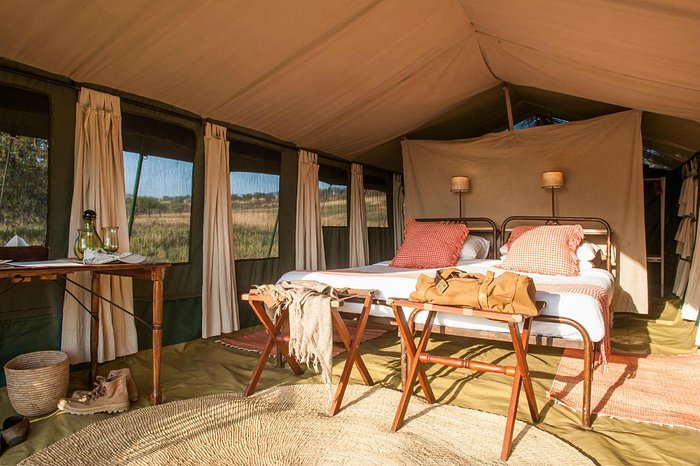
- Accommodation: Comfortable lodges or permanent tented camps with en-suite bathrooms and good amenities.
- Vehicles: Often use shared vehicles, but private vehicle options become more accessible.
- Group Size: Can be small group tours or private tours, offering more flexibility and personalized attention.
- Pace: A more relaxed pace, allowing for longer game drives and more time at sightings.
- Inclusions: Comprehensive inclusions, often including more varied meals and sometimes drinks.
Who it suits: Most travelers, including families, couples, and groups of friends, who want a comfortable and memorable experience with good service and quality accommodation. This is a popular choice for a safari after AFCON 2027 in Tanzania, offering a great value proposition for 2026-2027 travel.
Luxury Safaris
Luxury safaris offer an exclusive, high-end experience with premium services and accommodations.
- Accommodation: High-end lodges, luxury tented camps, or exclusive private concessions with top-tier amenities, gourmet dining, and often private plunge pools or butler service.
- Vehicles: Almost always private vehicles, offering maximum flexibility and personalized game drives.
- Group Size: Typically private tours, ensuring an intimate and exclusive experience.
- Pace: Highly customizable, allowing for spontaneous stops, early morning or late evening drives, and tailored activities.
- Inclusions: All-inclusive packages often cover all meals, a wide range of drinks, laundry, park fees, and activities.
Who it suits: Travelers seeking the utmost comfort, privacy, and personalized service. Honeymooners, special occasion travelers, or those who value exclusivity and are willing to invest more for a premium experience. A luxury safari after AFCON 2027 ensures unparalleled comfort and service.
Private vs. Group Safaris
Beyond the budget-to-luxury spectrum, you can opt for a group safari or a private safari. Group safaris are cost-effective, offering a social atmosphere. Private safaris provide flexibility, control over your itinerary, and a more intimate experience, but at a higher cost. For a safari after AFCON 2027, deciding between group and private will significantly shape your journey.
When booking your safari after AFCON 2027 in Tanzania, discuss these options thoroughly with your tour operator. They can help you find the perfect fit for your budget, comfort level, and desired experience for your 2026-2027 adventure.
Crafting Your Perfect Safari Itinerary After AFCON 2027
Designing an effective itinerary for your safari after AFCON 2027 in Tanzania is key to maximizing your wildlife viewing opportunities and enjoying a smooth travel experience in 2026-2027. The duration of your safari, your interests, and your chosen parks will all influence the final plan.
Typical Itinerary Durations
Most Northern Circuit safaris range from 5 to 10 days. Longer trips allow for more in-depth exploration of each park and can include more diverse locations.
- 5-Day Safari: Often covers Lake Manyara, Tarangire, and Ngorongoro Crater. This is a good option for those with limited time after the AFCON 2027 event.
- 7-Day Safari: Typically includes Lake Manyara, Tarangire, Ngorongoro Crater, and a few days in the Serengeti. This offers a more substantial Serengeti experience.
- 10-Day Safari: Allows for a deeper look at the Serengeti, potentially covering different regions like the central, western, or northern Serengeti depending on the season. It can also include a visit to a Maasai village or other cultural experiences.
Sample Itinerary Structure (7-Day Northern Circuit – Late 2027)
This is a popular structure for a safari after AFCON 2027, assuming travel in September/October:
- Day 1: Arrival in Arusha. Transfer to your hotel.
- Day 2: Arusha to Tarangire National Park. Full day game drive in Tarangire, famous for its elephants and baobabs. Overnight in a lodge/tented camp near the park.
- Day 3: Tarangire to Karatu/Ngorongoro Highlands. Morning game drive in Tarangire, then drive to Karatu. Optional visit to a Maasai village. Overnight in Karatu.
- Day 4: Ngorongoro Crater Tour. Descend into the crater for a full day of game viewing. Overnight in Karatu or on the crater rim.
- Day 5: Karatu to Serengeti National Park. Drive to the Serengeti, with game viewing en route. Arrive in Central Serengeti (Seronera area) for an afternoon game drive. Overnight in a lodge/tented camp in Central Serengeti.
- Day 6: Serengeti National Park. Full day game drives in the Serengeti, focusing on predator sightings and potential migration movements depending on the exact timing in late 2027.
- Day 7: Serengeti to Arusha & Departure. Morning game drive in Serengeti, then transfer to Seronera airstrip for a flight back to Arusha, connecting to Kilimanjaro International Airport (JRO) for your onward journey.
Customization for Your Post-AFCON 2027 Safari
This is just a sample. Your itinerary can be customized based on:
- Interests: Are you passionate about birding, photography, specific animals, or cultural interactions?
- Pace: Do you prefer a fast-paced trip covering many sights, or a slower pace with more time at each location?
- Budget: Accommodation choices and private vs. group tours will significantly affect the itinerary.
- Time of Year: The exact timing of your safari after AFCON 2027 will influence where the Great Migration is located, impacting itinerary design for the Serengeti. For late 2027, focusing on the Northern Serengeti for river crossings is ideal. If traveling in early 2028, the Southern Serengeti for calving is a great option.
Working with an experienced tour operator like Climb 4 Africa is essential for crafting an itinerary that perfectly matches your desires for a safari after AFCON 2027 in Tanzania. They can advise on the best parks, the most suitable timing within 2026-2027, and create a smooth travel plan.
Packing for Your Tanzania Safari in 2026-2027
Packing correctly is vital for comfort and enjoyment on your safari after AFCON 2027 in Tanzania. The climate can vary, and practical considerations are key. Here’s a guide to essential items for your 2026-2027 adventure.
Clothing Essentials
The key is to pack light, comfortable, and versatile clothing. Neutral colors (khaki, beige, olive green) are recommended as bright colors can sometimes startle wildlife. Avoid dark blue or black, as they can attract tsetse flies in some areas.
- Lightweight Trousers/Pants: 2-3 pairs. Convertible hiking pants are useful.
- Shorts: 1-2 pairs, for warmer days or relaxing at the lodge.
- T-shirts/Polo Shirts: 4-5 lightweight, breathable shirts.
- Long-Sleeved Shirts: 2-3, for sun protection and cooler evenings.
- Fleece Jacket or Warm Sweater: Essential for cool mornings and evenings, especially in the Crater or at higher altitudes.
- Lightweight Waterproof Jacket/Poncho: Useful for unexpected rain showers, especially during the shoulder seasons or wet season.
- Comfortable Underwear and Socks.
Footwear
- Comfortable Walking Shoes/Hiking Boots: Broken-in, sturdy shoes for game drives and any light walking.
- Sandals or Flip-Flops: For relaxing at the lodge or camp.
Accessories
- Sun Hat: Wide-brimmed for maximum sun protection.
- Sunglasses: Essential for glare.
- Sunscreen: High SPF.
- Insect Repellent: Containing DEET or Picaridin.
- Personal First-Aid Kit: Including any personal medications, antiseptic wipes, bandages, pain relievers, and anti-diarrhea medication.
- Camera and Extra Batteries/Memory Cards: You’ll want to capture everything! Consider a zoom lens.
- Binoculars: A good pair of binoculars is invaluable for spotting distant wildlife.
- Reusable Water Bottle: To stay hydrated and reduce plastic waste.
- Small Backpack/Daypack: For carrying essentials during game drives (water, camera, sunscreen, binoculars).
- Adapter and Power Bank: For charging electronics. Tanzania uses Type G sockets (UK style) and operates on 230V.
- Personal Toiletries: Though most lodges provide basics.
- Wet Wipes/Hand Sanitizer: For convenient cleaning on the go.
- A good book or travel journal.
Important Considerations
- Luggage Restrictions: If flying between locations (e.g., to the Serengeti or western parks), luggage is often restricted to soft-sided bags weighing around 15-20 kg (33-44 lbs). Check with your operator.
- Modesty: While safari wear is casual, modest dress is appreciated when visiting local villages.
- Layers: The ability to layer clothing is key, as temperatures can fluctuate significantly from day to night and between different altitudes.
Packing smart ensures you’re comfortable and prepared for all aspects of your safari after AFCON 2027 in Tanzania, allowing you to focus on the incredible wildlife and landscapes. For specific advice tailored to your 2026-2027 itinerary, always consult with your tour operator.
Booking Your Safari After AFCON 2027: What to Know
Booking your safari after AFCON 2027 in Tanzania requires careful planning and consideration. With the tournament potentially influencing travel patterns and demand in 2026-2027, it’s wise to book well in advance.
When to Book
For peak safari seasons (like the dry season from June to October 2027) or for specific dates immediately following AFCON 2027, it’s advisable to book at least 6-12 months in advance. This is especially true if you have specific accommodation preferences or require a private vehicle. For travel during the shoulder or wet seasons, 3-6 months might suffice, but booking early is always recommended to secure your preferred choices and potentially better rates.
Choosing a Tour Operator
Selecting the right tour operator is paramount. Look for companies with:
- Local Expertise: Operators based in Tanzania understand the local conditions, logistics, and wildlife best.
- Experience: A proven track record of successful safaris and satisfied clients.
- Customization: The ability to tailor itineraries to your specific interests and budget.
- Good Communication: Responsive and clear communication throughout the booking process.
- Reputation: Check reviews on platforms like TripAdvisor or ask for references.
What to Confirm Before Booking
Before making any payment, ensure you have clarity on the following:
- Detailed Itinerary: A day-by-day breakdown of activities, locations, and travel times.
- Inclusions and Exclusions: What is covered (park fees, accommodation, meals, guide, vehicle, activities) and what is not (international flights, visas, tips, personal expenses, travel insurance).
- Accommodation Details: Specific lodges or tented camps, including room types and meal plans.
- Vehicle Type: Whether it’s a shared or private vehicle, and the type of 4×4 used.
- Guide Information: The experience and qualifications of your guide.
- Payment Schedule: Deposit required, balance due date, and accepted payment methods.
- Cancellation Policy: Understand the terms and conditions for cancellations or changes.
- Visa Requirements: Information on obtaining a Tanzanian visa.
- Vaccinations and Health Advice: Recommendations for malaria precautions and other relevant vaccinations.
Budgeting for Your Safari
Safari costs can vary significantly. Generally, expect to pay per person per day, with rates influenced by accommodation style, vehicle type (private is more expensive), and time of year. For 2026-2027, prices might fluctuate based on demand post-AFCON 2027. A rough estimate for mid-range safaris can range from $250-$500 USD per person per day, while luxury options can exceed $700-$1000+ USD per person per day. Budget camping safaris can be around $150-$250 USD per person per day.
Always get a detailed quote that breaks down these costs. Be wary of prices that seem too good to be true.
Booking your safari after AFCON 2027 in Tanzania is an investment in an unforgettable experience. Careful research and clear communication with your chosen operator will ensure a smooth and rewarding adventure for your 2026-2027 trip.
Why Choose Climb 4 Africa for Your Post-AFCON 2027 Safari?
When planning a significant adventure like a safari after AFCON 2027 in Tanzania, partnering with a reputable and experienced local operator is crucial. Climb 4 Africa specializes in creating exceptional Tanzanian travel experiences, offering the local knowledge, practical support, and personalized service needed for a smooth journey in 2026-2027.
Local Expertise and Support
As a Tanzania-based company, Climb 4 Africa has an intimate understanding of the country’s parks, wildlife, culture, and logistics. This local insight is invaluable for:
- Optimizing Itineraries: Crafting routes that maximize wildlife sightings based on the season and current conditions.
- Navigating Logistics: Smoothly handling park entries, vehicle arrangements, and accommodation bookings.
- On-the-Ground Support: Providing immediate assistance should any unexpected issues arise during your safari.
Tailor-Made Experiences
Climb 4 Africa excels at creating customized safari itineraries. Whether you’re interested in the Great Migration, specific animal encounters, photography, or a blend of wildlife and culture, they can design a trip that perfectly matches your interests and budget for your safari after AFCON 2027.
Commitment to Quality
The company is dedicated to providing high-quality services, from experienced driver-guides to comfortable and well-maintained safari vehicles. They prioritize client satisfaction and aim to deliver memorable, authentic African experiences.
Practical Planning for 2026-2027
With the potential for increased travel demand around major events like AFCON 2027, booking with an operator like Climb 4 Africa ensures you get ahead of the curve. They can advise on the best timing, availability, and help secure your preferred lodges and vehicles for your safari after AFCON 2027 in Tanzania.
Ready to plan your unforgettable safari? Discuss your dream trip with the experts at Climb 4 Africa. You can reach them via WhatsApp at +255 747 477 898 or email them at climb4africa@gmail.com. They are ready to help you craft the perfect Tanzanian adventure for 2026-2027.
“,
“faq_schema”: [
{
“question”: “What is the best time of year for a safari in Tanzania after AFCON 2027?”,
“answer”: “The best time for a safari after AFCON 2027 in Tanzania, particularly for prime wildlife viewing and the Great Migration, is generally during the dry season from June to October 2027. However, the calving season in the Southern Serengeti (January-March 2028) also offers spectacular predator action. Late 2027 or early 2028 travel can align well with these optimal periods.”
},
{
“question”: “Which parks are essential for a safari after AFCON 2027?”,
“answer”: “For a classic Tanzanian safari experience after AFCON 2027, the Northern Circuit is highly recommended, including the Serengeti National Park, Ngorongoro Crater, Tarangire National Park, and Lake Manyara National Park. These parks offer diverse wildlife and are logistically accessible for 2026-2027 travel.”
},
{
“question”: “How long should a safari after AFCON 2027 typically be?”,
“answer”: “A typical safari after AFCON 2027 in Tanzania can range from 5 to 10 days. A 7-day itinerary usually covers the main highlights of the Northern Circuit, offering a good balance of parks and game viewing time. Longer safaris allow for deeper exploration of the Serengeti or inclusion of more remote areas for 2026-2027 trips.”
},
{
“question”: “What is the cost of a safari after AFCON 2027 in Tanzania?”,
“answer”: “Safari costs vary greatly depending on accommodation style, duration, and inclusions. For 2026-2027 travel, expect mid-range safaris to cost approximately $250-$500 USD per person per day, while luxury options can exceed $700-$1000+ USD per person per day. Budget camping safaris can be around $150-$250 USD per person per day. Booking well in advance for travel after AFCON 2027 is advisable.”
},
{
“question”: “Should I book a private or group safari after AFCON 2027?”,
“answer”: “For a safari after AFCON 2027, a group safari is more budget-friendly and offers a social experience. A private safari offers greater flexibility, personalized attention, and control over your itinerary, but comes at a higher cost. The choice depends on your budget, preferences, and travel companions for your 2026-2027 adventure.”
}
]
}
“`
Check Availability for Safari After Afcon In Tanzania 2026-2027
Ready to compare dates, prices, and the best option for your group? Send the package name and travel month so the team can reply with a clear quote, availability, and what is included.
Affordable African Safari Packages: Your Guide To Budget-Friendly Tanzania
Discover how to plan and book affordable African safari packages for 2026-2027. This guide provides practical advice on choosing budget-friendly Tanzania tours, understanding costs, and...
View package details
Kenya And Tanzania Combined Safari Packages: Ultimate Guide 2026-2027
Discover the unparalleled adventure of combining Kenya and Tanzania for a comprehensive East African safari. This guide details everything you need to know for planning your 2026-2027...
View package details
3-Day Serengeti And Ngorongoro Safari: Your Ultimate Tanzania Wildlife
start a concise yet unforgettable 3-day Serengeti and Ngorongoro safari, designed to maximize wildlife encounters in Tanzania's most celebrated parks. This compact adventure offers a taste...
View package details
Serengeti Safari And Zanzibar Beach Holiday: The Ultimate Tanzania
Combine the thrill of a Serengeti safari with the relaxation of a Zanzibar beach holiday. This guide covers everything you need to know for an unforgettable Tanzania adventure in 2026-2027...
View package details
Tanzania Safari And Zanzibar All-Inclusive Packages Guide
Combine the thrill of a Tanzanian wildlife safari with the serene beauty of Zanzibar on an all-inclusive package. This comprehensive guide covers everything you need to know for planning...
View package details
Are African Safari Prices Per Person Or Vehicle? Understanding Tanzania Costs
African safari costs can be confusing. This guide clarifies whether prices are quoted per person or per vehicle, detailing factors that influence your 2026-2027 safari budget in Tanzania.
View package details
Is Tanzania Or Kenya Better For Safari? A Detailed Comparison 2026-2027
Comparing Tanzania and Kenya for your next safari? This in-depth guide breaks down wildlife viewing, landscapes, costs, and optimal travel times to help you choose the perfect East African...
View package details
Luxury African Safari Packages: The Ultimate Tanzania Experience In 2026-2027
Explore the pinnacle of African adventure with luxury safari packages in Tanzania. This guide details exclusive lodges, tailor-made itineraries, and the best wildlife experiences for your...
View package details
Tanzania Safari Tours & Packages /: Your Ultimate Wildlife Adventure 2026-2027
Discover the magic of Tanzania with expertly crafted safari tours and packages for 2026 and 2027. From the vast plains of the Serengeti to the depths of the Ngorongoro Crater, find your...
View package detailsBest African Safari Tours & Vacation Packages /: Your Ultimate Tanzania
start an unforgettable African safari adventure in 2026/2027 with expertly curated tours and vacation packages in Tanzania's most iconic wildlife destinations. From the Serengeti to the...
View package details
Private Tanzania Safari Packages: Your Ultimate Guide For 2026-2027
Discover the unparalleled freedom and personalized experience of a private Tanzania safari package. This comprehensive guide for 2026-2027 explores custom itineraries, key destinations like...
View package detailsLuxury Tanzania Safari Tours 2026-2027
Luxury Tanzania Safari Tours is explained with current 2026-2027 planning, price, itinerary and booking information.
View package detailsNo related package matches those filters. Clear one or more filters to see the other topic-matched options.



