
An AFCON 2027 Big Five safari in Tanzania offers an unparalleled opportunity to witness lions, leopards, elephants, rhinos, and buffalos in their natural habitats, typically combining the Serengeti, Ngorongoro Crater, and Tarangire National Park. For 2027, consider planning your trip either just before or after the AFCON tournament dates to maximize wildlife viewing opportunities and avoid potential crowds and price fluctuations associated with major events, aiming for periods like January-February or June-October for the best game viewing conditions. Early planning and booking, ideally 9-12 months in advance for 2026-2027, are crucial for securing preferred accommodations and safari vehicles, especially given the increased interest surrounding AFCON.
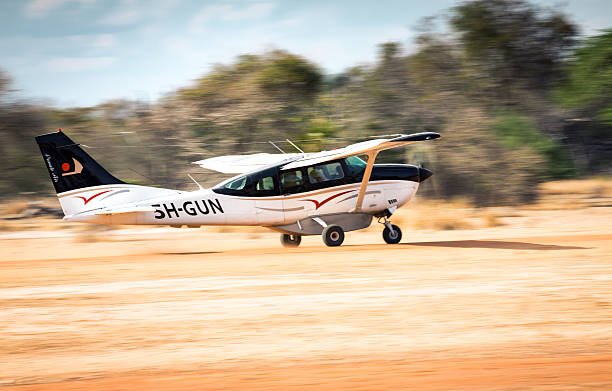

Understanding the AFCON 2027 Big Five Safari in Tanzania
The prospect of combining the electrifying atmosphere of the Africa Cup of Nations (AFCON) with the ultimate wildlife experience – a Big Five safari in Tanzania – presents a unique travel proposition for 2026 and 2027. This isn’t just about ticking off the famous five; it’s about immersing yourself in the raw, untamed beauty of East Africa, with the added excitement of a continent-wide sporting event on the horizon. Tanzania is, without question, one of the premier destinations for Big Five sightings, boasting an incredible density and diversity of wildlife across its world-renowned national parks. The timing of AFCON 2027, typically held in the early months of the year, can influence safari planning significantly, potentially creating opportunities for unique travel combinations or requiring careful timing to avoid peak event-related travel disruptions and costs.
When we talk about a ‘Big Five Safari’ in Tanzania, we’re referring to the lion, leopard, elephant, rhinoceros, and Cape buffalo. These magnificent creatures are not just symbols of African wildlife but also indicators of a healthy ecosystem. Tanzania’s parks, particularly the Northern Circuit, are exceptionally well-equipped to offer sightings of all these animals. The Serengeti National Park, famous for the Great Migration, the Ngorongoro Conservation Area with its unique crater ecosystem, and Tarangire National Park, known for its large elephant herds and baobab trees, form the backbone of most classic Big Five itineraries. Planning for AFCON 2027 means considering how these major events might overlap with ideal safari seasons and how to leverage the opportunity for a truly memorable trip.
The decision to plan your safari around AFCON 2027 isn’t just about convenience; it can also be a strategic choice. While the tournament itself will draw crowds to the host nations (which for AFCON 2027 are confirmed as Kenya, Tanzania, and Uganda), the wildlife viewing seasons in Tanzania remain largely dictated by natural cycles. This means that by carefully selecting your safari dates in 2026 or 2027, you can potentially enjoy exceptional game viewing while minimizing the impact of tournament-related travel surges, or, conversely, choose to incorporate a visit to a host city if your itinerary allows and you wish to experience both. Understanding these dynamics is key to crafting the perfect AFCON 2027 Big Five safari experience.
This guide will explore the specifics: where to go for the best Big Five chances, the ideal times to visit in relation to AFCON 2027, what to expect in terms of safari styles and accommodations, and crucially, how to book your trip effectively for 2026-2027. We aim to provide you with all the practical details needed to make informed decisions, ensuring your safari is as rewarding as it is unforgettable.
Top Destinations for Your AFCON 2027 Big Five Safari
Tanzania is a wildlife paradise, and for those specifically seeking the Big Five, a few key areas stand out. Planning an AFCON 2027 Big Five safari means focusing on parks that consistently deliver sightings of lions, leopards, elephants, rhinos, and buffalos. While these animals can be found in various reserves, the Northern Circuit is generally considered the most reliable and accessible for a concentrated Big Five experience.
Serengeti National Park: The Crown Jewel
No discussion of Tanzanian safaris is complete without mentioning the Serengeti. Its name, derived from the Maasai word ‘Siringet,’ meaning ‘endless plains,’ perfectly captures its vastness. The Serengeti is most famous for the Great Migration, a spectacular natural phenomenon where over 1.5 million wildebeest and zebras, along with a host of predators, traverse the plains in search of greener pastures. While the migration is a major draw, the Serengeti is a year-round Big Five destination. The open grasslands and acacia woodlands provide ideal habitats for lions, which are often seen lounging on kopjes (rocky outcrops) or hunting in prides. Leopards are more elusive but can be found in areas with denser vegetation, particularly along the Grumeti River. Elephants are plentiful, especially in the central and northern sectors, and while rhinos are rarer and more concentrated in specific areas (like the Moru Kopjes), sightings are possible. Cape buffalo herds are a common sight across the plains.
For an AFCON 2027 Big Five safari, understanding the migration’s patterns is key, but even if you miss the peak crossings, the resident wildlife populations ensure incredible viewing. The sheer scale of the Serengeti means you can spend days here and still feel you’ve only scratched the surface.
Ngorongoro Conservation Area: The Eighth Wonder
The Ngorongoro Crater is often described as the eighth wonder of the world, and for good reason. This UNESCO World Heritage Site is a collapsed volcanic caldera, creating a self-contained ecosystem that teems with wildlife. The crater floor, covering about 260 square kilometers, boasts an astonishingly high density of animals, including a robust population of black rhinos – perhaps your best chance of seeing this endangered species on a Tanzanian safari. Lions are abundant, often seen around the Gorigor Swamp and Ngoitokitok Springs. Leopards are present but harder to spot due to the dense vegetation. Elephants are also found here, though they tend to be smaller in stature than their Serengeti counterparts. Vast herds of buffalo graze on the grasslands, and hippos wallow in the permanent water bodies. The advantage of the Ngorongoro Crater for an AFCON 2027 Big Five safari is its compact size; game drives here are incredibly efficient, and you are almost guaranteed to see a wide variety of animals, including the Big Five, within a single day.
It’s important to note that Ngorongoro is a conservation area, not a national park, meaning Maasai communities coexist with the wildlife. This unique human-wildlife interaction adds another layer to the experience. Due to its popularity and conservation status, access to the crater floor is strictly controlled, with limited vehicle numbers allowed per day. This helps preserve the environment but also means booking your safari, especially for 2027, well in advance is essential.
Tarangire National Park: Land of Giants
Tarangire National Park, often visited en route to or from the Serengeti, is particularly famous for its massive elephant herds, especially during the dry season (June to October). During the drier months of 2026 and 2027, elephants, buffalos, and other animals congregate around the Tarangire River, the park’s only permanent source of water. This concentration makes for spectacular game viewing. Tarangire is also a great place to spot lions, often found lounging in the branches of sausage trees to escape the heat and tsetse flies. Leopards are present but, as usual, are more elusive. While rhinos are not a common sighting in Tarangire, the park’s elephant and buffalo populations are among the largest in Tanzania, and its unique landscape, dotted with ancient baobab trees, offers a different visual appeal compared to the Serengeti’s plains or the Ngorongoro Crater’s bowl.
For an AFCON 2027 Big Five safari, Tarangire offers a fantastic contrast, providing opportunities to see large herds and a unique environment. It’s an excellent addition to a Northern Circuit itinerary, especially if you are traveling during the dry season.
Other Notable Parks for Big Five Sightings
While the Northern Circuit is the most popular for Big Five safaris, other parks offer chances, though often with lower densities or requiring more specialized tours:
- Lake Manyara National Park: Famous for its tree-climbing lions, although sightings are not guaranteed. It’s a beautiful park with a diverse range of habitats, from groundwater forests to alkaline lakes, attracting flamingos, elephants, and various antelope species. It can be a good option for a shorter safari or as part of a multi-day trip.
- Ruaha National Park: Located in the south, Ruaha is Tanzania’s largest national park and offers a more wild and remote safari experience. It has a healthy population of lions and elephants, and is known for its large numbers of Greater Kudu. Rhinos are present but very rare. Access is more challenging, typically requiring light aircraft flights, making it less common for a standard Big Five safari, but ideal for those seeking solitude.
- Selous Game Reserve (Nyerere National Park): Also in the south, Selous is a vast wilderness area. It’s renowned for its large elephant and buffalo populations, wild dogs, and excellent boat safaris along the Rufiji River. While leopards and lions are present, rhino sightings are very infrequent. Like Ruaha, it’s more remote and often accessed by flight.
For an AFCON 2027 Big Five safari focused on maximizing your chances of seeing all five iconic animals in a single trip, the Serengeti, Ngorongoro Crater, and Tarangire National Park remain the top recommendations. These parks are well-serviced by tour operators and offer a high probability of success for discerning travelers in 2026 and 2027.
When to Go: Optimal Timing for AFCON 2027 and Wildlife Viewing
Timing is everything when planning an AFCON 2027 Big Five safari. You need to consider both the tournament schedule and the natural cycles of wildlife in Tanzania. AFCON 2027 is scheduled to be hosted by Kenya, Tanzania, and Uganda, with the exact dates typically falling in January and February. This period, while ideal for certain wildlife viewing aspects, also presents unique considerations due to the sporting event.
AFCON 2027 and Safari Seasons: The Trade-offs
January – February (During AFCON 2027):
- Wildlife Advantages: This is generally the ‘green season’ or ‘short rains’ period in Tanzania. The landscape is lush and vibrant, offering stunning photographic opportunities. It’s a fantastic time for birdwatching as migratory birds are present. For the Serengeti, this is when the wildebeest migration is typically in the southern plains, calving season, meaning abundant predator activity as lions, cheetahs, and hyenas prey on newborns. This can lead to incredible predator sightings.
- AFCON 2027 Considerations: As Tanzania is a host nation, travel to and from major cities like Dar es Salaam and potentially Arusha (the gateway to the Northern Circuit) might see increased traffic and demand. Flights and accommodations in these hubs could be more expensive and harder to book if not done well in advance for 2027. Safari parks themselves might not be significantly more crowded than usual, but the overall travel infrastructure around the country could be busier. Some travelers might wish to incorporate a visit to a host city to experience the football buzz, while others might prefer to avoid it entirely.
Strategic Alternatives for AFCON 2027 Travelers:
- Just Before AFCON (Late December 2026): You can catch the early stages of the calving season in the southern Serengeti and enjoy the green season’s beauty before the main AFCON influx.
- Just After AFCON (March – May 2027): March can still offer good game viewing as the rains begin to subside, and the landscape remains green. April and May are typically the ‘long rains’ season, meaning fewer tourists, lower prices, and lush scenery, but some tracks might be impassable, and game viewing can be more dispersed. However, for a budget-conscious traveler in 2027, this shoulder season can be excellent.
Best Time for Big Five Sightings (Outside AFCON Peak):
While the Big Five can be seen year-round, certain periods offer statistically higher chances or more dramatic viewing experiences:
- June – October (Dry Season): This is widely considered the peak safari season in Tanzania. The weather is dry and sunny, with minimal rainfall. Vegetation thins out, making wildlife easier to spot. Animals congregate around permanent water sources, leading to predictable and exciting game viewing. The Great Migration is typically moving north through the Serengeti during these months, with dramatic river crossings often occurring in July, August, and September. This is also the best time for seeing rhinos in Ngorongoro and for large herds in Tarangire. Due to its popularity, booking your AFCON 2027 Big Five safari for this period requires booking at least 9-12 months in advance for 2026-2027.
- November – December (Short Rains): This period sees the return of migratory birds and the start of the ‘short rains’. The landscape turns green again, and the temperatures are pleasant. The wildebeest migration begins its journey south towards the Serengeti’s southern plains. Game viewing is still good, with fewer crowds than the peak dry season. This can be a great time to visit if you want to combine pleasant weather with good sightings and slightly lower prices than the June-October peak.
Planning Your AFCON 2027 Safari Logistics
Given that AFCON 2027 dates are in January/February, if you’re planning a safari during this time, here’s a strategic approach:
- Book Flights Early: International and domestic flights into Tanzania should be secured as soon as possible for 2027 to mitigate potential price increases and availability issues related to AFCON.
- Safari Itinerary First: Focus on crafting your safari itinerary based on optimal wildlife viewing for the regions you wish to visit. For the Serengeti’s calving season, January-February is excellent.
- Accommodation Choices: Book lodges and tented camps well in advance. High-demand locations, especially those offering prime migration viewing or close proximity to the Ngorongoro Crater, will fill up quickly for 2027.
- Consider a Host City Visit (Optional): If you wish to experience AFCON 2027, plan this segment of your trip separately. Ensure sufficient travel time between the host city and your safari starting point (usually Arusha).
- Flexibility: Be prepared for potentially busier travel days or slightly higher costs in urban centers during the tournament. Safari parks themselves tend to remain serene.
Ultimately, for an AFCON 2027 Big Five safari, the best timing depends on your priorities. If you want to witness the calving season and predator action, January-February is fantastic, but requires diligent booking. If you prioritize the Great Migration river crossings and drier conditions, aim for June-October 2027. For a balance, consider the shoulder months of March or November-December. No matter the season, Tanzania promises an unforgettable wildlife spectacle.
Choosing Your Safari Style: From Camping to Luxury Lodges
An AFCON 2027 Big Five safari in Tanzania can be tailored to virtually any budget and comfort level. The choice of safari style and accommodation significantly impacts the overall experience, from the level of immersion in nature to the amenities and services provided. Understanding these options is key to planning a trip that aligns with your expectations for 2026-2027.
Budget Camping Safaris
Who it suits: Adventurous travelers, backpackers, and those on a tighter budget who prioritize an authentic, close-to-nature experience. It’s also a great option for younger travelers or those who don’t mind roughing it a bit.
What to expect: These safaris involve staying in public campsites within or near national parks. You’ll sleep in comfortable, sturdy tents, often with basic but clean shared ablution facilities. Meals are typically prepared by a dedicated safari cook, offering hearty and delicious dishes. While basic, these safaris offer incredible value and a genuine connection to the wilderness. You’ll still have a knowledgeable guide and a 4×4 safari vehicle. This style is often chosen by groups looking to keep costs down for an AFCON 2027 Big Five safari.
Trade-offs: Less privacy, shared facilities, and fewer creature comforts. Evenings can be cooler, and you’ll be more exposed to the elements. However, the camaraderie around the campfire and the proximity to wildlife can be incredibly rewarding.
Mid-Range Tented Camps
Who it suits: Travelers seeking a balance between comfort and an authentic safari feel. This is a popular choice for many families and couples.
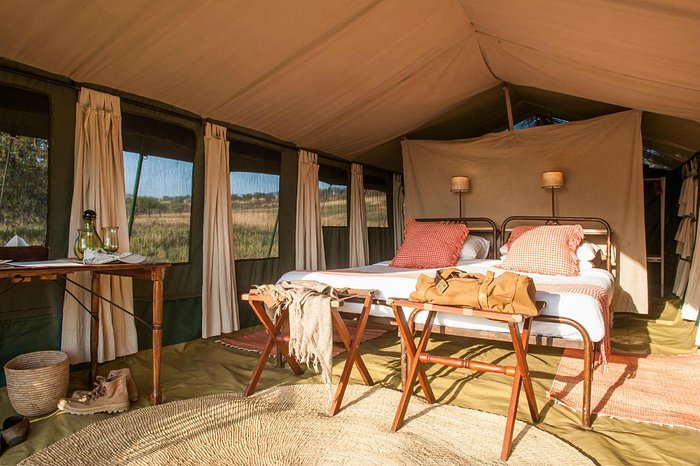
What to expect: Tented camps offer a step up in comfort. You’ll stay in spacious canvas tents, often with en-suite bathrooms (flush toilets and showers), comfortable beds, and sometimes even private verandas. These camps are usually located in prime wildlife areas, either within parks or just outside. Meals are typically served in a communal dining tent or lodge, offering a good standard of cuisine. The atmosphere is often more intimate than large lodges, providing a great safari experience for your AFCON 2027 Big Five safari.
Trade-offs: More expensive than budget camping, but significantly less than luxury lodges. While comfortable, they might not offer the same level of high-end amenities or exclusive services as luxury options.
Luxury Lodges and Camps
Who it suits: Discerning travelers seeking a high level of comfort, service, and exclusivity. Ideal for honeymoons, special occasions, or those who want to indulge in the ultimate safari experience.
What to expect: Luxury lodges and tented camps offer spacious, elegantly furnished suites or villas, often with private plunge pools, expansive decks, gourmet dining, fine wines, and impeccable service. Many feature amenities like spas, swimming pools, and personalized butler services. These properties are usually located in prime wildlife areas, offering stunning views and exclusive game drive opportunities. Expect a highly personalized and pampered experience for your AFCON 2027 Big Five safari, ensuring every need is met.
Trade-offs: This is the most expensive option. While offering unparalleled comfort and service, some travelers might find it less ‘wild’ or rustic than more basic options. The focus is on indulgence and relaxation alongside wildlife viewing.
Private Safaris vs. Group Safaris
Private Safaris:
- Who it suits: Families, groups of friends, couples wanting a personalized experience, or those with specific interests or time constraints.
- What to expect: You have a dedicated safari vehicle and guide for your exclusive use. This means you can set your own pace, spend as much time as you like at sightings, and customize your itinerary. It offers maximum flexibility and privacy. This is often the preferred choice for those planning an AFCON 2027 Big Five safari for a specific family reunion or group of friends.
- Trade-offs: Significantly more expensive than group safaris due to the dedicated vehicle and guide costs.
Group Safaris (Shared Departures):
- Who it suits: Solo travelers, couples, or small groups looking to save money by sharing costs. It’s also a good way to meet like-minded travelers.
- What to expect: You join a pre-scheduled departure with a group of other travelers. You share a safari vehicle and guide. Itineraries are fixed, and game drive times are coordinated for the group. This is a very popular option for budget-conscious travelers looking for an AFCON 2027 Big Five safari. Climb 4 Africa offers shared departures for many of its popular safari routes, such as those found on our group safari dates page.
- Trade-offs: Less flexibility, potential need to compromise on game drive durations or routes, and less privacy.
Mobile Camping Safaris
Who it suits: Adventurous travelers who want to follow the Great Migration or explore remote areas with minimal impact and a deep connection to nature.
What to expect: These are more traditional safaris where a camp is set up specifically for your group, often in exclusive-use campsites within the parks. The camp moves with you, following the wildlife, especially the migration. This offers a unique, in-depth experience. This can be an excellent, albeit more involved, option for an AFCON 2027 Big Five safari if you are focusing on the Serengeti during migration season.
Trade-offs: Requires more logistical planning and is generally more expensive than public camping. You are essentially carrying your accommodation with you.
Lodge-Based Safaris
Who it suits: Travelers who prefer the stability and amenities of permanent lodges or tented camps.
What to expect: You stay at one or a few fixed lodges or camps and undertake daily game drives from that base. This offers convenience and comfort, with excellent facilities available during non-game drive hours. This is the most common style for mid-range to luxury travelers and is well-suited for combining different parks within the Northern Circuit for an AFCON 2027 Big Five safari.
Trade-offs: You might miss out on specific wildlife movements if your lodge isn’t perfectly positioned for that day’s action, especially concerning the Great Migration.
When planning your AFCON 2027 Big Five safari, consider your budget, desired level of comfort, and how much you want to be immersed in the wild. Whether you choose basic camping under the stars or a luxurious lodge with all the amenities, Tanzania’s wildlife and landscapes promise an unforgettable adventure for 2026-2027.
Sample Itineraries for an AFCON 2027 Big Five Safari
Crafting the perfect itinerary for your AFCON 2027 Big Five safari is crucial for maximizing your wildlife viewing opportunities and ensuring a smooth, enjoyable trip. The classic Northern Circuit offers the highest probability of seeing the Big Five and is the most popular choice for first-time visitors. Here are a few sample itinerary structures, adaptable for 2026-2027, keeping in mind potential AFCON 2027 travel considerations.
The Classic Northern Circuit: 7 Days
This is a popular and well-rounded itinerary, perfect for those with limited time who want to experience the highlights of the Northern Circuit. It balances iconic locations with sufficient time for game drives.
Day 1: Arrival in Arusha & Transfer to Lodge
Arrive at Kilimanjaro International Airport (JRO). You’ll be met by your guide and transferred to your lodge in or around Arusha. Relax and prepare for your safari adventure. If arriving during AFCON 2027, expect potentially busier airport conditions. Accommodation: Arusha Hotel/Lodge.
Day 2: Arusha to Tarangire National Park
After breakfast, drive to Tarangire National Park, known for its large elephant herds and baobab trees. Spend the day on game drives, searching for elephants, lions, buffalos, and other wildlife. Accommodation: Tented Camp/Lodge in or near Tarangire.
Day 3: Tarangire to Lake Manyara & Karatu
Morning game drive in Tarangire. Afterward, drive to Lake Manyara National Park for a game drive. This park is famous for its tree-climbing lions (though sightings are not guaranteed) and diverse birdlife. Continue to your lodge in the Karatu highlands, near the Ngorongoro Crater. Accommodation: Lodge in Karatu.
Day 4: Ngorongoro Crater Tour
Descend into the Ngorongoro Crater for a full-day game drive. This UNESCO World Heritage Site is a natural amphitheater teeming with wildlife, offering excellent chances to see the Big Five, including black rhinos. Enjoy a picnic lunch on the crater floor. Accommodation: Lodge in Karatu.
Day 5: Karatu to Serengeti National Park
Drive to the Serengeti National Park, arguably the most famous wildlife sanctuary in the world. Depending on the time of year (2026 or 2027), your guide will take you to areas known for wildlife activity, potentially tracking the Great Migration or finding resident predators. Accommodation: Tented Camp/Lodge in Central Serengeti.
Day 6: Full Day Serengeti Exploration
Spend the entire day exploring the vast plains of the Serengeti. Game drives will focus on finding lions, leopards, cheetahs, and the abundant herbivores. Optional hot air balloon safari at sunrise (highly recommended, book in advance). Accommodation: Tented Camp/Lodge in Central Serengeti.
Day 7: Serengeti to Arusha & Departure
Enjoy a final morning game drive in the Serengeti. Afterward, fly from a Serengeti airstrip back to Arusha (or Kilimanjaro International Airport) for your onward flight. Alternatively, drive back to Arusha, a longer but often more budget-friendly option.
Extended Northern Circuit: 10 Days (Migration Focused)
This itinerary allows for deeper exploration of the Serengeti, focusing on tracking the Great Migration, and includes more time in Tarangire and potentially a visit to the Maasai Mara (if crossing borders is considered, though for a Tanzania-focused trip, staying within Tanzania is recommended). For 2026-2027, this offers more flexibility to adapt to migration movements.
Day 1-2: Arusha & Tarangire National Park
Arrival, transfer to Arusha. Drive to Tarangire for two days of exploration, focusing on elephant herds and diverse birdlife.
Day 3: Tarangire to Lake Manyara & Karatu
Game drive in Tarangire, then proceed to Lake Manyara. Overnight in Karatu.
Day 4-7: Serengeti National Park (Migration Focus)
Spend four full days in the Serengeti. Depending on the season in 2027, your guide will position you to witness the Great Migration, whether it’s calving in the south (Jan-Mar), moving north (Apr-Jun), or crossing rivers in the west/north (Jul-Oct). This extended stay maximizes chances for spectacular sightings. Consider staying in different camps (e.g., Central, North, West) to cover more ground.
Day 8: Serengeti to Ngorongoro Conservation Area
Morning game drive in Serengeti, then drive to the rim of the Ngorongoro Crater. Overnight at a lodge on the crater rim for stunning views.
Day 9: Ngorongoro Crater & Maasai Village Visit
Full-day game drive in the Ngorongoro Crater. In the afternoon, visit a local Maasai village for a cultural experience. Accommodation: Lodge in Karatu.
Day 10: Karatu to Arusha & Departure
Leisurely breakfast, then drive back to Arusha for your onward flight. If your flight is late, you might have time for a visit to Arusha town or a local market.
Private Custom Safari Options for 2026-2027
For a truly bespoke AFCON 2027 Big Five safari, a private custom itinerary is the way to go. This allows you to:
- Choose Your Pace: Spend more days in parks you love, or skip those that interest you less.
- Tailor to Interests: Focus on photography, birdwatching, specific species, or cultural interactions.
- Select Accommodation: Choose exactly which lodges or camps best suit your budget and preferences.
- Set Your Own Schedule: Decide when you want to start your game drives, how long you want to stay at sightings, and when you prefer to return to camp.
- Travel Dates Flexibility: While AFCON 2027 is a fixed event, a private safari allows you to choose the best safari windows before or after the tournament, or even during if you plan meticulously.
A custom safari can range from 5 days to 3 weeks or more, incorporating parks beyond the Northern Circuit if desired, such as Ruaha or Nyerere National Park for a more off-the-beaten-path experience. When planning for 2026-2027, discuss your interests, budget, and desired travel dates with your tour operator. They can help craft an itinerary that balances iconic Big Five viewing with unique experiences.
Key Considerations for Itinerary Planning in 2026-2027:
- Migration Location: If traveling during the Great Migration period (especially June-October), research where the herds are expected to be. This is a dynamic event, and flexibility is key.
- Rhino Sightings: If seeing a rhino is a high priority, allocate sufficient time for Ngorongoro Crater.
- Leopard Hotspots: Certain areas within the Serengeti, like the Seronera Valley, are known for leopard sightings.
- Elephant Herds: Tarangire is unparalleled for elephants, especially during the dry season.
- Travel Time: Factor in driving times between parks. While distances might look short on a map, African roads can be slow. Flying between parks (e.g., Serengeti to Arusha) significantly saves time but adds cost.
Whether you opt for a standard 7-day itinerary or a more extensive custom journey for your AFCON 2027 Big Five safari, thorough planning ensures you make the most of Tanzania’s incredible wildlife offerings in 2026-2027.
Essential Planning for Your 2026-2027 Safari Adventure
Planning an AFCON 2027 Big Five safari involves more than just choosing an itinerary; it requires attention to detail across several logistical areas. For 2026-2027, early preparation is key, especially given the potential impact of AFCON on travel demand and pricing. Here’s a breakdown of essential planning steps:
Visa and Entry Requirements
Most nationalities require a visa to enter Tanzania. You can typically obtain a visa upon arrival at Kilimanjaro International Airport (JRO) or Julius Nyerere International Airport (DAR), or apply online in advance through the Tanzanian immigration website. Check the latest requirements for your nationality well before your 2027 travel dates. Ensure your passport is valid for at least six months beyond your intended stay and has sufficient blank pages.
Health and Vaccinations
Consult your doctor or a travel clinic 4-6 weeks before your trip for recommended vaccinations and malaria prevention. Yellow fever vaccination is mandatory for travelers arriving from or transiting through countries with a risk of yellow fever transmission; you will need to carry your vaccination certificate. Malaria prophylaxis is generally recommended for most safari destinations in Tanzania, including the Northern Circuit. Pack insect repellent containing DEET.
Travel Insurance
Comprehensive travel insurance is non-negotiable. Ensure it covers:
- Medical emergencies and evacuation (including air evacuation from remote areas).
- Trip cancellation and interruption.
- Lost or stolen baggage and personal items.
- Activities such as game drives and any optional excursions.
Given the potential for travel disruptions around major events like AFCON 2027, robust insurance is even more critical for 2026-2027 travel.
Packing Essentials
Pack light, comfortable clothing suitable for warm days and cooler evenings. Neutral colors (khaki, beige, olive green) are best for safaris to avoid startling wildlife. Avoid bright colors and black/blue (which can attract tsetse flies).
- Clothing: Lightweight long-sleeved shirts and trousers, T-shirts, shorts, a warm fleece or jacket for early mornings/evenings, a hat, sunglasses, swimwear (if your lodge has a pool).
- Footwear: Comfortable walking shoes or hiking boots (if planning any walking safaris), sandals or flip-flops for the lodge/camp.
- Health Kit: Personal medications, basic first-aid supplies, antiseptic wipes, pain relievers, anti-diarrhea medication, motion sickness medication.
- Gear: Binoculars (essential for wildlife viewing), camera with extra batteries and memory cards, a good zoom lens, power bank, adapter for UK-style plugs (Type G), headlamp or flashlight.
- Documents: Passport, visa, flight tickets, insurance details, vaccination certificates, copies of important documents.
Remember that luggage restrictions often apply to light aircraft flights within Tanzania, typically around 15-20 kg per person in a soft-sided duffel bag.
Currency and Payments
The local currency is the Tanzanian Shilling (TZS). However, US Dollars are widely accepted and often preferred for safari payments, park fees, and lodge bills. Ensure your USD bills are new (issued after 2009), crisp, and in denominations of $20, $50, or $100. Smaller denominations are useful for tips and small purchases. ATMs are available in major towns like Arusha, but can be unreliable. Credit cards are accepted in larger hotels and lodges, but often with a surcharge (around 5%). It’s wise to carry a mix of USD cash and a credit/debit card.
Tipping Etiquette
Tipping is customary and appreciated for good service. For safari staff, a general guideline per group per day is:
- Safari Guide: $20 – $30 USD
- Safari Cook (if on a camping safari): $10 – $15 USD per day
- Lodge/Camp Staff (pool for housekeeping, waiters, etc.): $5 – $10 USD per day per guest
These are guidelines and should be adjusted based on the quality of service received. Tips are usually given in USD cash at the end of your safari or stay.
Communication and Internet
Wi-Fi is available in most lodges and camps, though connectivity can be intermittent, especially in more remote areas. Mobile phone reception is also spotty outside of towns. Consider purchasing a local SIM card if you need reliable communication. For your AFCON 2027 Big Five safari, embrace the opportunity to disconnect and experience nature, but having a plan for essential communication is wise.
Booking Lead Times for 2026-2027
For an AFCON 2027 Big Five safari, especially if traveling during peak seasons (June-October) or the popular January-February period coinciding with AFCON, booking well in advance is crucial. Aim to book:
- 12-18 months ahead: For peak season travel, specific lodges, or if you have very particular requirements.
- 9-12 months ahead: Recommended for most bookings, especially for 2027 travel, to secure preferred accommodations and safari vehicles.
- 6-9 months ahead: For shoulder seasons or if you are flexible with accommodation choices.
Given the dual interest from AFCON enthusiasts and safari lovers for 2027, early booking is your best strategy to secure the best options and potentially better rates.
Booking Your Dream Safari: Practical Advice for 2026-2027
Selecting the right tour operator is paramount to a successful and memorable AFCON 2027 Big Five safari. With numerous options available, it’s essential to choose a company that offers expertise, reliability, and value. Here’s how to approach booking your 2026-2027 adventure.
Choosing a Reputable Tour Operator
When looking for a company to organize your AFCON 2027 Big Five safari, consider these factors:
- Local Expertise: A Tanzanian-based operator like Climb 4 Africa has invaluable on-the-ground knowledge. They understand the parks, wildlife patterns, local logistics, and have established relationships with lodges and park authorities. This local insight is crucial for crafting the best itineraries and handling any issues that may arise.
- Reviews and Testimonials: Look for operators with consistently positive reviews on platforms like TripAdvisor. Pay attention to feedback regarding guide quality, vehicle maintenance, accommodation standards, and overall organization. Climb 4 Africa has a strong reputation, as evidenced by reviews like this TripAdvisor review.
- Customization Options: Ensure the operator can tailor your safari to your specific interests, budget, and travel style. Whether you want a private luxury experience or a shared budget safari for AFCON 2027, flexibility is key.
- Communication: A good operator will communicate clearly and promptly, answering all your questions thoroughly. They should be transparent about inclusions, exclusions, and pricing.
- Safety Standards: Inquire about their safety protocols, including vehicle maintenance, guide training, and emergency procedures.
Understanding Inclusions and Exclusions
This is one of the most critical aspects of booking. A safari package typically includes:
- Accommodation before and after safari (sometimes).
- Park entrance fees.
- All meals during the safari (breakfast, lunch, dinner).
- Bottled water during game drives.
- A professional English-speaking safari guide.
- A 4×4 safari vehicle with pop-up roof for game viewing.
- Airport transfers.
- Game drives as per itinerary.
Common exclusions:
- International flights.
- Visa fees.
- Travel insurance.
- Gratuities for guides and camp staff.
- Personal expenses (souvenirs, laundry, drinks other than water).
- Optional activities like hot air balloon safaris, cultural visits, or night drives (if permitted).
Always get a detailed breakdown of what is included and excluded in your quote for your AFCON 2027 Big Five safari. This prevents misunderstandings and unexpected costs during your 2026-2027 trip.
Deposit and Payment Schedule
Reputable operators typically require a deposit upon booking (often 20-50% of the total cost) to secure your safari, especially for high-demand periods like 2027. The remaining balance is usually due 30-60 days before your safari start date. Be wary of operators asking for full payment upfront or only accepting cash payments. Ensure you receive clear payment instructions and receipts.
Cancellation and Refund Policy
Understand the operator’s cancellation policy thoroughly. This will detail the penalties for cancelling at different stages before your departure. Given the investment in an AFCON 2027 Big Five safari, having a clear policy in writing is essential. This is where comprehensive travel insurance becomes vital.
Customizing Your AFCON 2027 Safari Booking
When you’re ready to book, contact Climb 4 Africa. You can reach them via WhatsApp at +255 747 477 898 or email at climb4africa@gmail.com. When you inquire, be ready to provide:
Check Availability for Afcon Big Five Safari In Tanzania 2026-2027
Ready to compare dates, prices, and the best option for your group? Send the package name and travel month so the team can reply with a clear quote, availability, and what is included.
Affordable African Safari Packages: Your Guide To Budget-Friendly Tanzania
Discover how to plan and book affordable African safari packages for 2026-2027. This guide provides practical advice on choosing budget-friendly Tanzania tours, understanding costs, and...
View package details
Kenya And Tanzania Combined Safari Packages: Ultimate Guide 2026-2027
Discover the unparalleled adventure of combining Kenya and Tanzania for a comprehensive East African safari. This guide details everything you need to know for planning your 2026-2027...
View package details
3-Day Serengeti And Ngorongoro Safari: Your Ultimate Tanzania Wildlife
start a concise yet unforgettable 3-day Serengeti and Ngorongoro safari, designed to maximize wildlife encounters in Tanzania's most celebrated parks. This compact adventure offers a taste...
View package details
Serengeti Safari And Zanzibar Beach Holiday: The Ultimate Tanzania
Combine the thrill of a Serengeti safari with the relaxation of a Zanzibar beach holiday. This guide covers everything you need to know for an unforgettable Tanzania adventure in 2026-2027...
View package details
Tanzania Safari And Zanzibar All-Inclusive Packages Guide
Combine the thrill of a Tanzanian wildlife safari with the serene beauty of Zanzibar on an all-inclusive package. This comprehensive guide covers everything you need to know for planning...
View package details
Are African Safari Prices Per Person Or Vehicle? Understanding Tanzania Costs
African safari costs can be confusing. This guide clarifies whether prices are quoted per person or per vehicle, detailing factors that influence your 2026-2027 safari budget in Tanzania.
View package details
Is Tanzania Or Kenya Better For Safari? A Detailed Comparison 2026-2027
Comparing Tanzania and Kenya for your next safari? This in-depth guide breaks down wildlife viewing, landscapes, costs, and optimal travel times to help you choose the perfect East African...
View package details
Luxury African Safari Packages: The Ultimate Tanzania Experience In 2026-2027
Explore the pinnacle of African adventure with luxury safari packages in Tanzania. This guide details exclusive lodges, tailor-made itineraries, and the best wildlife experiences for your...
View package details
Tanzania Safari Tours & Packages /: Your Ultimate Wildlife Adventure 2026-2027
Discover the magic of Tanzania with expertly crafted safari tours and packages for 2026 and 2027. From the vast plains of the Serengeti to the depths of the Ngorongoro Crater, find your...
View package detailsBest African Safari Tours & Vacation Packages /: Your Ultimate Tanzania
start an unforgettable African safari adventure in 2026/2027 with expertly curated tours and vacation packages in Tanzania's most iconic wildlife destinations. From the Serengeti to the...
View package details
Private Tanzania Safari Packages: Your Ultimate Guide For 2026-2027
Discover the unparalleled freedom and personalized experience of a private Tanzania safari package. This comprehensive guide for 2026-2027 explores custom itineraries, key destinations like...
View package detailsLuxury Tanzania Safari Tours 2026-2027
Luxury Tanzania Safari Tours is explained with current 2026-2027 planning, price, itinerary and booking information.
View package detailsNo related package matches those filters. Clear one or more filters to see the other topic-matched options.



