A comprehensive Kilimanjaro, Serengeti, and Rwanda gorilla trekking itinerary typically spans 14-21 days, beginning with the Kilimanjaro climb (5-9 days), followed by a Serengeti safari (3-5 days), and concluding with gorilla trekking in Rwanda (3-4 days). This adventure requires careful planning for acclimatization, wildlife viewing, and conservation area access, with 2026-2027 bookings advisable due to high demand.

Planning Your Kilimanjaro Serengeti and Rwanda Gorilla Trekking Itinerary
Combining the majestic summit of Mount Kilimanjaro, the vast plains of the Serengeti teeming with wildlife, and the intimate encounter with mountain gorillas in Rwanda is the ultimate East African adventure. This itinerary is not for the faint of heart; it demands physical preparation, a keen interest in nature, and a robust travel plan. When considering a trip for 2026-2027, early booking is paramount, especially for securing permits for both Kilimanjaro and the Rwandan gorilla permits, which are limited and highly sought after.
The sequencing of these destinations is crucial for logistics, acclimatization, and maximizing your experience. While variations exist, a common and logical flow involves tackling Kilimanjaro first, followed by a safari in Tanzania’s Serengeti, and then a flight to Rwanda for the gorilla trek. This order allows for acclimatization on Kilimanjaro before the physical demands of trekking, and then transitions to a more relaxed, albeit exciting, safari experience before the final, deeply moving, gorilla encounter.
Choosing the right operator is as important as the itinerary itself. For a trip of this magnitude, partnering with a company that has expertise across all three destinations – Kilimanjaro climbs, Tanzanian safaris, and Rwandan gorilla tours – offers smooth coordination. Climb 4 Africa specializes in these very experiences, providing local support and tailored planning for an unforgettable journey. Their understanding of the nuances of each location ensures a well-managed adventure.
Understanding the Core Components of Your African Adventure
Before diving into a potential itinerary, it’s essential to understand what each component entails:
- Mount Kilimanjaro Climb: Africa’s highest peak, a dormant volcano, offers a challenging but achievable trek for those with good fitness. It’s not a technical climb, but altitude sickness is the primary concern. Multiple routes exist, each with different durations, scenery, and acclimatization profiles.
- Serengeti National Park Safari: Renowned for the Great Migration, the Serengeti is a vast ecosystem supporting an incredible density and diversity of wildlife. Safaris here focus on game drives to spot lions, elephants, leopards, rhinos, buffalo, cheetahs, and countless other species.
- Volcanoes National Park (Rwanda) Gorilla Trekking: This is a unique opportunity to observe endangered mountain gorillas in their natural habitat. The trek involves hiking through dense rainforest to reach a habituated gorilla family, an experience often described as profound and life-changing.
Each of these experiences has specific logistical requirements, permit needs, and optimal travel times, which must be interwoven into a cohesive travel plan. For instance, the best time for Kilimanjaro trekking often overlaps with the dry seasons, which also coincide with excellent safari viewing in the Serengeti. Rwanda’s gorilla trekking is possible year-round, though the dry seasons offer easier hiking conditions.
A Proposed 18-Day Kilimanjaro, Serengeti & Rwanda Gorilla Trekking Itinerary
This is a sample itinerary designed to balance the intensity of Kilimanjaro with the wonder of the Serengeti and the unique experience of gorilla trekking. It assumes a moderate pace, allowing for acclimatization and enjoyment, and is suitable for 2026-2027 travel.
Day 1: Arrival in Tanzania (Kilimanjaro International Airport – JRO) & Transfer to Moshi
Arrive at Kilimanjaro International Airport (JRO). You’ll be met by our representative and transferred to your hotel in Moshi, the gateway town to Kilimanjaro. This evening, you’ll have a pre-climb briefing with your guide, covering gear checks, safety procedures, and itinerary details. This is a crucial step to ensure you’re fully prepared for the ascent. Relax and get a good night’s sleep.
Day 2: Moshi to Marangu Gate (1,860m) to Mandara Huts (2,700m) – Marangu Route
After breakfast, drive to Marangu Gate, the starting point for the Marangu Route. Complete registration formalities and begin your trek through the lush rainforest. The path is well-maintained, and you’ll likely encounter diverse birdlife and colobus monkeys. The hike to Mandara Huts takes approximately 3-5 hours. You’ll spend the night in communal huts, enjoying the sounds of the forest.
Day 3: Mandara Huts (2,700m) to Horombo Huts (3,700m)
Today’s trek takes you out of the rainforest and into the moorland zone. The scenery changes dramatically, opening up to stunning views of the surrounding plains. The hike is longer, about 5-7 hours. As you gain altitude, you’ll notice the vegetation becoming sparser, with giant heathers and groundsels becoming prominent. Arrive at Horombo Huts, a bustling campsite with impressive views of Kibo and Mawenzi peaks.
Day 4: Horombo Huts (3,700m) – Acclimatization Day
An important acclimatization day. You’ll hike to a higher altitude (around 4,000m) and then return to Horombo Huts. This helps your body adjust to the thinning air, significantly reducing the risk of altitude sickness. The day offers fantastic panoramic views and a chance to observe the unique alpine desert landscape.
Day 5: Horombo Huts (3,700m) to Kibo Huts (4,700m)
Today, you’ll trek across the stark, treeless alpine desert. The landscape is lunar-like, with rocks and sparse vegetation. The trail can be dusty and challenging. The goal is Kibo Huts, located at the base of the Kibo cone. This is your last stop before the summit attempt. You’ll have an early dinner and try to get some rest before the midnight start.
Day 6: Kibo Huts (4,700m) to Uhuru Peak (5,895m) and down to Horombo Huts (3,700m)
The most challenging day. You’ll start your ascent around midnight, trekking in darkness with headlamps. The trail is steep and rocky. You’ll reach Stella Point (5,756m) at sunrise, and then continue the final push to Uhuru Peak, the summit of Kilimanjaro. After celebrating your achievement, you’ll descend back to Kibo Huts for a short rest before continuing down to Horombo Huts. This is a very long day (10-16 hours).
Day 7: Horombo Huts (3,700m) to Marangu Gate (1,860m) and transfer to Arusha
Your final day of trekking. You’ll descend through the moorland and rainforest zones, arriving back at Marangu Gate. Here, you’ll receive your climbing certificates. After a well-deserved lunch, you’ll be transferred to your hotel in Arusha, ready to relax and recount your incredible Kilimanjaro achievement.
Day 8: Arusha to Serengeti National Park
After a leisurely breakfast in Arusha, you’ll begin your overland safari journey to the legendary Serengeti National Park. The drive itself is an experience, passing through the Ngorongoro Conservation Area. You’ll have the option to stop at a Maasai village en route (if not done previously) and visit the Olduvai Gorge. Upon arrival in the Serengeti, you’ll check into your lodge or tented camp and start your first thrilling game drive as the sun begins to set over the plains.
Day 9-10: Serengeti National Park – Wildlife Exploration
Spend two full days exploring the vast Serengeti. Your experienced guide will lead you on game drives to track down the ‘Big Five’ (lion, leopard, elephant, rhino, buffalo) and witness the incredible array of other wildlife. Depending on the time of year, you may have the chance to witness the Great Migration – a truly spectacular natural phenomenon. Game drives are typically conducted in the early morning and late afternoon when animals are most active.
Day 11: Serengeti to Zanzibar (via Arusha/Kilimanjaro Airport)
Enjoy a final morning game drive in the Serengeti before flying from a Serengeti airstrip to Zanzibar. This flight significantly cuts down on travel time compared to driving back to Arusha and then taking a ferry or flight. Upon arrival in Zanzibar, you’ll be transferred to your beach resort for relaxation and a change of pace after your adventurous climb and safari.
Day 12-13: Zanzibar – Relaxation and Culture
These days are for enjoying the tropical paradise of Zanzibar. Relax on the white-sand beaches, swim in the turquoise waters of the Indian Ocean, or explore the historic Stone Town, a UNESCO World Heritage site. Optional activities include spice tours, snorkeling trips to nearby islands, or diving.
Day 14: Zanzibar to Kigali, Rwanda
After breakfast, you’ll fly from Zanzibar to Kigali, the capital of Rwanda. Upon arrival, you’ll be met and transferred to your hotel. Depending on your arrival time, you might have the opportunity to explore Kigali, perhaps visiting the Kigali Genocide Memorial Centre, a moving and important site, or enjoying the city’s vibrant culinary scene.
Day 15: Kigali to Volcanoes National Park (Kinigi)
After an early breakfast, you’ll drive north to Volcanoes National Park, home to the majestic mountain gorillas. The journey takes approximately 2-3 hours and offers stunning scenery of Rwanda’s rolling hills and lush landscapes. You’ll check into your lodge near the park headquarters in Kinigi and attend a pre-trek briefing by park rangers. The briefing covers safety guidelines and etiquette for gorilla trekking.
Day 16: Gorilla Trekking in Volcanoes National Park
Today is the highlight: gorilla trekking. After the briefing, you’ll be assigned a gorilla family and guided by experienced trackers and rangers into the dense rainforest. The trek duration can vary from 1 to 6 hours, depending on the gorillas’ location. Once you find them, you’ll have a precious hour to observe and photograph these incredible creatures in their natural environment. It’s a profoundly moving experience. After the trek, you’ll return to your lodge.
Day 17: Golden Monkey Trekking / Dian Fossey Hike & Return to Kigali
You have options today. You can opt for another trek to see the playful Golden Monkeys, a different but equally rewarding primate experience. Alternatively, you can hike to the Dian Fossey Memorial, learning about the life and work of the renowned primatologist. After your morning activity, you’ll drive back to Kigali. Enjoy a farewell dinner and reflect on your extraordinary East African journey.
Day 18: Departure from Kigali
Enjoy a final breakfast in Kigali. Depending on your flight schedule, you may have time for some last-minute souvenir shopping or a visit to a local market. You will then be transferred to Kigali International Airport for your departure flight.
Key Considerations for Your Kilimanjaro, Serengeti, and Rwanda Adventure
Planning a multi-destination trip like this requires attention to detail. Here are some critical factors to consider for your 2026-2027 adventure:
1. Timing and Seasonality
While this itinerary can be adjusted for different times of the year, the dry seasons are generally preferred for optimal conditions:
- Kilimanjaro: The driest and warmest months are January-March and June-October. These periods offer clearer skies and less challenging trail conditions.
- Serengeti: The dry season (June-October) is excellent for wildlife viewing, especially the Great Migration which often congregates around the Grumeti and Mara Rivers. The calving season (January-February) in the southern Serengeti is also a spectacular time for predator action.
- Rwanda: The dry seasons (June-September and December-February) make gorilla trekking easier due to less rain and mud. However, rain is possible year-round, and the gorillas move daily, so accessibility can still vary.
For a trip combining all three, the June to October window often provides the best overlap for good weather across Kilimanjaro and the Serengeti, while still being a viable time for gorilla trekking in Rwanda.
2. Physical Fitness and Acclimatization
Kilimanjaro: This is the most physically demanding part. You need good cardiovascular fitness and stamina. Proper acclimatization is key to summit success and avoiding altitude sickness. The Marangu route offers a slower ascent profile over 7 days, which aids acclimatization compared to shorter routes, but even then, it’s a serious undertaking. The Lemosho or Machame routes are often recommended for better acclimatization due to their longer duration and higher success rates.
Gorilla Trekking: While not as altitude-dependent as Kilimanjaro, gorilla trekking involves hiking through steep, muddy, and sometimes dense jungle terrain. A moderate level of fitness is beneficial, and trekking poles are highly recommended. Altitude in Volcanoes National Park is around 2,500m, which is considerably lower than Kilimanjaro’s summit.
Serengeti: This component is primarily about endurance for early morning and late afternoon game drives, with no significant physical exertion required beyond getting in and out of safari vehicles.
3. Permits and Visas
- Kilimanjaro Park Fees: These are substantial and are usually included in tour operator packages.
- Gorilla Permits (Rwanda): These are the most critical and expensive permits, costing $1,500 per person. They are strictly limited and must be booked well in advance, often months or even a year ahead for peak seasons in 2026-2027.
- Visas: Most nationalities require visas for Tanzania and Rwanda. These can often be obtained online in advance or upon arrival, but checking current requirements for your nationality is essential. East African tourist visas may be an option if you plan to visit multiple East African countries.
4. Logistics and Transportation
This itinerary involves multiple travel methods:
- Kilimanjaro: Overland transport to the park gate and back to Arusha.
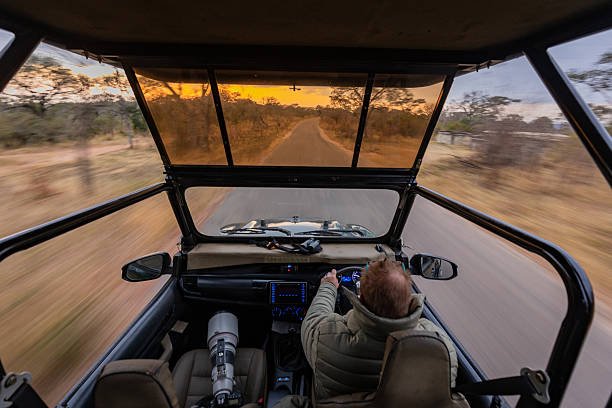
- Serengeti: Overland safari from Arusha, or a flight from Arusha/Kilimanjaro to a Serengeti airstrip, followed by game drives in 4×4 safari vehicles. The itinerary above suggests a flight from Serengeti to Zanzibar to save time.
- Rwanda: Flights from Zanzibar to Kigali, and then private road transfers to Volcanoes National Park and back.
Working with an operator like Climb 4 Africa simplifies these complex transfers, ensuring smooth transitions between countries and activities. They manage internal flights, road transfers, and accommodation bookings.
5. Accommodation Styles
Your trip can be customized to your preferred level of comfort:
- Kilimanjaro: Basic camping on the mountain (except Marangu Route which has huts).
- Serengeti: Ranges from comfortable mid-range lodges and permanent tented camps to luxurious lodges offering excellent amenities.
- Rwanda: Lodges near Volcanoes National Park range from comfortable mid-range options to high-end luxury lodges.
The choice of accommodation significantly impacts the overall cost of your 2026-2027 adventure.
Choosing Your Kilimanjaro Route
The choice of Kilimanjaro route is a major decision impacting your climb’s difficulty, scenery, and success rate. For a combined itinerary, efficiency and acclimatization are key.
- Marangu Route (Coca-Cola Route): 5-7 days. The only route with hut accommodations. It’s the most established but has a steeper ascent profile, leading to lower success rates compared to other routes. It’s often chosen for its unique hut experience.
- Machame Route (Whiskey Route): 6-7 days. Very popular for its scenic beauty and excellent acclimatization profile, often resulting in higher success rates. It involves camping.
- Lemosho Route: 7-8 days. Considered one of the most scenic routes, offering superb acclimatization and high success rates. It’s longer and thus more expensive, starting from the west.
- Shira Route: 7-8 days. Similar to Lemosho but starts at a higher altitude.
- Rongai Route: 6-7 days. Approaches from the north, offering a drier ascent and good acclimatization, especially during the rainy season.
- Northern Circuit: 9 days. The longest route, offering the best acclimatization and highest success rates, with extensive circling of the mountain.
For a combined trip where time might be a consideration, a 7-day Machame or Lemosho route offers a good balance of acclimatization and scenery without being excessively long. If your primary goal is summit success and you have flexibility, the 8-day Lemosho or the 9-day Northern Circuit are excellent choices for 2026-2027.
Serengeti Safari Considerations
The Serengeti is vast, and its wildlife patterns change throughout the year:
- The Great Migration: This epic movement of over 1.5 million wildebeest, zebras, and gazelles is dictated by the rains. Knowing where the herds are will greatly enhance your safari experience.
- Northern Serengeti (July-October): Ideal for witnessing the river crossings of the Mara River, a dramatic spectacle.
- Central Serengeti (Year-round): Offers good game viewing throughout the year, with resident wildlife and good chances of seeing predators.
- Southern Serengeti (December-March): The calving season, where vast numbers of wildebeest gather to give birth. This is prime time for predator sightings.
Your safari itinerary within the Serengeti will be tailored by your guide based on the current wildlife movements and your interests.
Rwanda Gorilla Trekking Details
Volcanoes National Park is home to ten habituated gorilla families, each with a different trekking difficulty:
- Permit Cost: $1,500 USD per person. Bookings must be made far in advance.
- Group Size: A maximum of 8 people per gorilla family per day.
- Trekking Time: Can range from 30 minutes to several hours. It depends on where the gorillas are feeding and nesting that day.
- Physical Demands: While not extreme, the terrain is steep, muddy, and can be challenging. Porters are available for hire at the park entrance to help carry your pack and assist you on the trail – highly recommended.
- The Encounter: Once you find the gorillas, you will have one hour to observe them. It’s a strictly regulated encounter to protect the gorillas.
Customizing Your 2026-2027 Itinerary
The proposed 18-day itinerary is a template. You can adjust it based on your interests, budget, and available time:
- Longer Kilimanjaro Climb: Opt for an 8-day Lemosho or 9-day Northern Circuit for higher summit success rates and better acclimatization. This would extend the trip by 1-2 days.
- Extended Serengeti Safari: Spend more time exploring different regions of the Serengeti, or add a visit to the Ngorongoro Crater for a different ecosystem and guaranteed Big Five sightings. This could add 2-3 days.
- More Time in Rwanda: Include visits to Nyungwe Forest National Park for chimpanzee trekking and canopy walks, or explore Lake Kivu. This could add 2-4 days.
- Add Zanzibar: If the 2 days in Zanzibar feel too short, extend your stay to fully enjoy the beaches, historical sites, and water activities.
A comprehensive trip covering all three destinations comfortably could easily extend to 21-25 days if you opt for longer treks or more in-depth exploration of each location. For 2026-2027, planning ahead is key to securing permits and ideal accommodation.
Budgeting for Your African Adventure
The cost of a Kilimanjaro, Serengeti, and Rwanda gorilla trekking itinerary can vary significantly based on accommodation choices, route selection, group size, and the duration of each component. Here’s a general breakdown of cost factors:
Estimated Cost Components (per person):
- Kilimanjaro Climb: $1,800 – $3,500+ (for 7-9 days, depending on route, inclusions, and operator). This typically includes park fees, crew wages, food, and camping equipment.
- Serengeti Safari: $300 – $800+ per day (for mid-range to luxury, including park fees, vehicle, guide, accommodation, and meals). A 3-day safari might range from $900 – $2,400+.
- Gorilla Permit (Rwanda): $1,500 USD (fixed price).
- Rwanda Accommodation & Transfers: $200 – $700+ per day (depending on lodge choice and internal travel). A 3-day stay could be $600 – $2,100+.
- Internal Flights: Serengeti to Zanzibar, Zanzibar to Kigali can range from $300 – $700+ each, depending on booking time and airline.
- Visas, Tips, Personal Expenses: Budget an additional $500 – $1,000+.
A rough estimate for an 18-day trip as outlined, using mid-range options, could range from $5,500 to $10,000+ per person, excluding international flights. Luxury options would be higher. Booking early for 2026-2027 can sometimes secure better rates, especially for flights and lodges.
Booking Your Kilimanjaro Serengeti and Rwanda Gorilla Trekking Itinerary
To plan and book your dream Kilimanjaro Serengeti and Rwanda gorilla trekking itinerary for 2026-2027, it’s essential to work with experienced tour operators who can manage the complex logistics and secure necessary permits.
Climb 4 Africa specializes in creating these comprehensive East African adventures. We understand the intricacies of combining a Kilimanjaro climb with a Serengeti safari and Rwanda gorilla trekking. Our team can help you:
- Select the best Kilimanjaro route for your fitness and goals.
- Tailor your Serengeti safari to the best wildlife viewing areas for your travel dates.
- Secure your crucial Rwandan gorilla permits well in advance.
- Arrange smooth internal flights and ground transportation.
- Choose accommodation that fits your budget and desired comfort level.
- Provide expert advice on packing, health, and visa requirements.
Starting the planning process early, ideally 12-18 months in advance for 2026-2027 travel, will give you the best chance of securing your preferred dates, permits, and accommodations. Don’t hesitate to reach out to us with your specific interests and travel window. We can help craft a personalized itinerary that makes your ultimate African dream a reality.
For a personalized quote and expert advice on planning your Kilimanjaro Serengeti and Rwanda gorilla trekking itinerary, contact Climb 4 Africa today. You can reach us via WhatsApp at +255 747 477 898 or by email at climb4africa@gmail.com. Let us help you create an unforgettable adventure across East Africa.
Check Availability for Kilimanjaro Serengeti And Rwanda Gorilla Trekking Itinerary: An…
Ready to compare dates, prices, and the best option for your group? Send the package name and travel month so the team can reply with a clear quote, availability, and what is included.

Afcon Mount Kilimanjaro And Serengeti Package
AFCON 2027 Mount Kilimanjaro and Serengeti Package.
View package details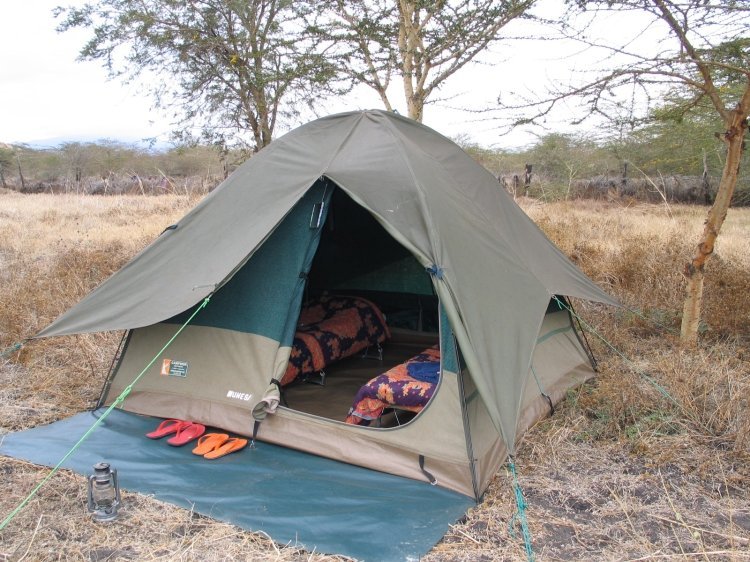
Three Day Serengeti Safari During AFCON 2027
Mwongozo wa kiutendaji kwa safari ya siku tatu ya Serengeti wakati AFCON 2027, ukijumuisha mwelekeo wa maeneo, ratiba ya siku, na ushauri wa ubashiri wa kupanga pamoja na jinsi ya...
View package details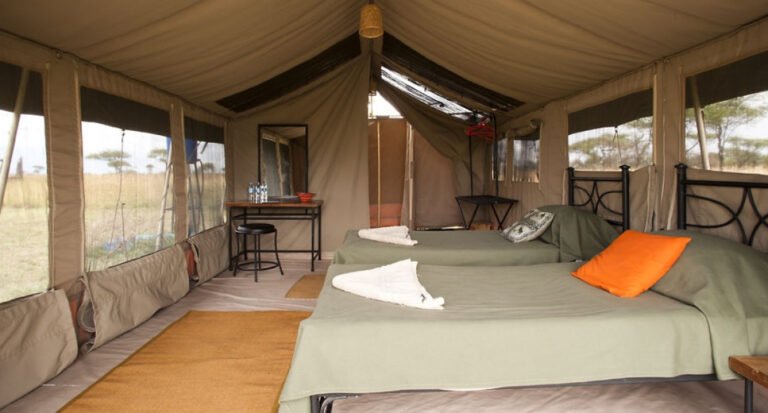
Afcon Kilimanjaro Ngorongoro And Zanzibar Holiday
AFCON 2027 Kilimanjaro Ngorongoro and Zanzibar Holiday.
View package details
Kilimanjaro Safari And Afcon Final Package
Kilimanjaro Safari and AFCON Final Package.
View package details
Kilimanjaro to Nairobi AFCON Travel Package
Mpango wa safari wa Kilimanjaro hadi Nairobi kwa AFCON unaowezesha kushuhudia milima na miji miwili mikubwa ya Afrika pamoja na mechi za AFCON kwa njia salama na ya kipekee.
View package detailsAfcon Tanzania Football Kilimanjaro And Safari Tour
AFCON 2027 Tanzania Football Kilimanjaro and Safari Tour.
View package detailsAFCON 2027 Safari from Kilimanjaro Airport
Mwongozo wa kina wa AFCON 2027 Safari starting from Kilimanjaro Airport, ukiruhusu kupanga ratiba, usafiri, mapumziko ya kambi, na maeneo ya kuzunguka ili kuonyesha wanyama na mandhari ya...
View package details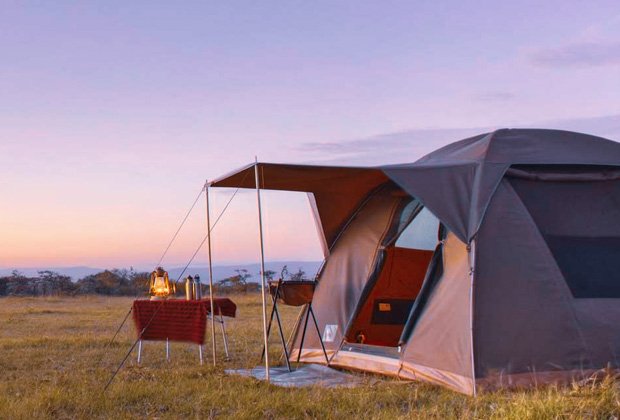
AFCON 2027 Safari from Moshi: Safari ya Afrika Mashariki kwa Mashabiki wa Soka
Safari ya kipekee ya AFCON 2027 inayochukua mji wa Moshi kuwa kituo cha kuanzia kwa mbuga ya wanyamapori na milima ya Kilimanjaro, ikijumuisha uhifadhi wa ndani na mwongozo wa kiusimamizi...
View package details
Kilimanjaroo Airport to AFCON Host City Transfer
Katika ukurasa huu wa kina, tunakuletea mwongozo wa kina juu ya jinsi ya kuhamisha kutoka Uwanja wa Kilimanjaro kwenda mjini litakalohudhuria AFCON 2027, pamoja na mapendekezo ya usafiri...
View package details
Kilimanjaroo Climb After AFCON 2027
Mwongozo wa kina wa kupanda Kilimanjaro baada ya AFCON 2027: njia zinazofaa, ratiba inayoakisi acclimatization, na vidokezo vya kupanga pamoja na namna ya kuwasiliana na Climb 4 Africa kwa...
View package details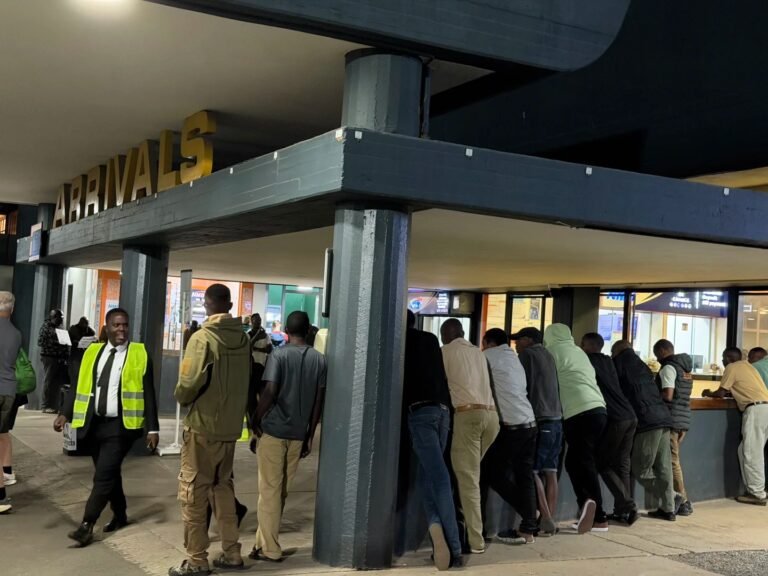

No related package matches those filters. Clear one or more filters to see the other topic-matched options.