Combining Rwanda gorilla trekking, Kilimanjaro climbing, and a Serengeti safari offers an unparalleled East African adventure. For 2026-2027, these distinct experiences can be seamlessly integrated into a comprehensive itinerary, typically starting with Kilimanjaro in Tanzania, followed by a Serengeti safari, and concluding with gorilla trekking in Rwanda, or vice-versa, with durations ranging from 14 to 21 days depending on the chosen routes and pace. Planning involves coordinating permits, flights, accommodations, and local logistics across two countries, best managed by an experienced operator like Climb 4 Africa.
Why Combine Rwanda Gorilla Trekking, Kilimanjaro Climbing, and Serengeti Safari?
For many travelers, the dream of East Africa isn’t confined to a single iconic experience. It’s about the convergence of distinct, powerful encounters: the humbling presence of mountain gorillas in Rwanda, the physical triumph of reaching Uhuru Peak on Kilimanjaro, and the awe-inspiring wildlife spectacles of the Serengeti. These three activities, while geographically distinct, represent the pinnacle of what this vibrant region offers. Combining them into one coherent trip, particularly for ambitious travel in 2026-2027, allows for a deep immersion into the natural wonders, cultural richness, and raw beauty of Africa. It’s a journey that challenges you physically, enriches you culturally, and leaves you with a profound connection to the continent.
This combination is ideal for those seeking a multifaceted adventure. You get the thrill of high-altitude trekking, the serenity and wonder of observing primates in their natural habitat, and the classic safari experience with vast plains and abundant game. Each component requires different preparations and offers unique rewards, making the combined trip incredibly diverse and memorable. For instance, climbing Kilimanjaro tests your endurance and acclimatization skills, while gorilla trekking in Rwanda demands patience and respect for the forest and its inhabitants. The Serengeti safari, on the other hand, provides a constant sense of discovery as you traverse diverse landscapes in search of wildlife.
The logistics of piecing together these experiences can seem daunting. Traveling between Rwanda and Tanzania involves flights, border crossings, and coordinating different types of tours. This is where expert guidance becomes invaluable. An operator experienced in handling multi-country itineraries like Climb 4 Africa can streamline the process, ensuring that your Rwanda gorilla trekking, Kilimanjaro climbing, and Serengeti safari are not just achievable, but also smoothly executed. They manage the intricate details, from securing permits and booking internal flights to arranging appropriate accommodations and ground transportation, allowing you to focus on the adventure itself.
Comprehensive Planning for Your 2026-2027 East African Expedition
Embarking on a journey that combines Rwanda gorilla trekking, Kilimanjaro climbing, and a Serengeti safari requires meticulous planning, especially when looking ahead to 2026 and 2027. The success of such an ambitious trip hinges on understanding the interdependencies of these activities and the logistical challenges involved in moving between countries and ecosystems.
Key Planning Considerations:
- Timeline: Allocate sufficient time. A typical itinerary for all three would need at least 14-21 days. This allows for acclimatization on Kilimanjaro, travel time, and dedicated days for safari and gorilla trekking. Rushing through any one of these experiences would detract from its impact.
- Permits and Bookings: Permits for Kilimanjaro climbs and especially gorilla trekking in Rwanda are highly sought after and must be booked well in advance. For 2026-2027, securing these permits early is crucial.
- Seasonality: Each activity has optimal seasons. While Kilimanjaro can be climbed year-round, drier months offer better trekking conditions. The Serengeti’s Great Migration timing is also season-dependent. Rwanda’s gorilla habitat is lush year-round, but dry seasons can make trekking easier.
- Logistics: This involves international flights to East Africa (likely arriving in Tanzania or Rwanda), internal flights or overland travel between countries, visas, vaccinations, travel insurance, and currency.
- Operator Choice: Partnering with a reputable tour operator that specializes in multi-country East African itineraries is paramount. They possess the local knowledge, established networks, and experience to manage the complexities.
The sequencing of these adventures is also a critical decision. Many travelers opt to tackle Kilimanjaro first to get the most physically demanding part out of the way while they are fresh. Following this with a Serengeti safari offers a more relaxed pace to recover and enjoy wildlife viewing. Rwanda’s gorilla trek, often requiring a moderate hike, can then serve as a unique and memorable conclusion. Alternatively, some prefer the serenity of gorilla trekking first, followed by the challenge of Kilimanjaro, and then the expansive safari. The choice often depends on personal preference, flight availability, and the timing of the Great Migration.
For 2026-2027 travel, it’s advisable to start preliminary planning at least 9-12 months in advance, especially for securing prime gorilla permits and booking Kilimanjaro climbs during peak seasons. Understanding the nuances of each destination is key to crafting an itinerary that maximizes your experience without unnecessary stress.
Kilimanjaro Climbing: Summiting Africa’s Highest Peak
Mount Kilimanjaro, standing at 5,895 meters (19,341 feet), is the world’s tallest freestanding mountain and a bucket-list item for many adventurers. Climbing Kilimanjaro is a significant undertaking, requiring physical preparation, mental fortitude, and careful logistical planning. It’s not a technical climb but rather a test of endurance and acclimatization to high altitudes. For those combining it with other East African adventures, it often serves as the physical centerpiece of the trip.
Choosing Your Kilimanjaro Route
Several routes ascend Kilimanjaro, each offering a different experience in terms of scenery, difficulty, acclimatization profile, and crowds. The choice of route is one of the most critical decisions you’ll make, directly impacting your chances of success and overall enjoyment. For a combined Rwanda gorilla trekking, Kilimanjaro climbing, and Serengeti safari itinerary, selecting a route that balances ascent time with acclimatization is vital. The most popular routes include:
- Marangu Route (Coca-Cola Route): The oldest and one of the most direct routes. It’s known for its hut accommodation rather than camping. It’s generally considered less scenic and has a lower success rate due to its rapid ascent profile, which can hinder acclimatization.
- Machame Route (Whiskey Route): The most popular route, known for its stunning scenery and excellent acclimatization profile (“climb high, sleep low”). It’s a camping route and offers a good balance of challenge and beauty, making it a strong contender for combined trips. For 2026-2027, booking this route early is recommended.
- Lemosho Route: Considered by many to be the most scenic route, offering panoramic views and excellent acclimatization. It’s longer and more expensive but provides a more remote and rewarding experience.
- Shira Route: Similar to Lemosho but starts at a higher altitude. It’s a good option for experienced trekkers who are confident with high-altitude starts.
- Rongai Route: Approaches Kilimanjaro from the north, offering a different perspective and often drier conditions. It’s a good option during the rainy seasons.
- Northern Circuit: The longest route, offering the highest acclimatization profile and a 360-degree view of Kilimanjaro. It has the highest success rate but is also the most expensive and time-consuming.
For a trip combining Kilimanjaro climbing with a Serengeti safari and Rwanda gorilla trekking, the Machame or Lemosho routes are often recommended. They provide a solid acclimatization period, increasing your chances of reaching the summit, and offer the trekking experience many travelers envision.
Duration and Difficulty Levels
Kilimanjaro climbs typically range from 5 to 9 days, depending on the route chosen. Shorter routes (like Marangu’s 5-day option) are generally not recommended due to poor acclimatization, leading to lower success rates and increased risk of altitude sickness. Longer routes (7-9 days) allow for better acclimatization, significantly improving your chances of reaching the summit safely and comfortably. A 7-day climb is considered a good balance for most trekkers.
The difficulty is primarily related to altitude, not technical climbing. The physical exertion is considerable, especially on summit night, which can involve trekking for 10-12 hours in the dark and cold. Mental resilience is as important as physical fitness. For those undertaking a combined expedition, it’s wise to arrive in Tanzania a day or two before the climb to rest and prepare, especially if flying in from a different time zone.
Best Time to Climb Kilimanjaro (2026-2027)
The best times to climb Kilimanjaro are during the dry seasons, which generally offer clearer skies and less challenging trail conditions. These periods are:
- January to March: Generally clear and dry, but can be cold with occasional snow at the summit. This is a popular period.
- June to October: The longest dry season, offering stable weather, clear views, and pleasant temperatures. This is peak season, so booking well in advance for 2026-2027 is essential.
The shorter rainy seasons (April-May and November-December) can be more challenging with muddy trails and reduced visibility. However, they also mean fewer crowds and potentially lower prices. For those combining trips, synchronizing the Kilimanjaro climb with the optimal safari and gorilla trekking seasons can be complex, but achievable with expert planning.
Essential Preparation for Kilimanjaro
Proper preparation is non-negotiable for a successful Kilimanjaro climb:
- Physical Fitness: Focus on cardiovascular endurance (running, cycling, swimming) and strength training, particularly for your legs and core. Practice hiking with a weighted backpack, ideally on inclines. Start training at least 2-3 months prior to your climb.
- Acclimatization Strategy: Choose a longer route (7+ days) and a reputable operator who emphasizes acclimatization protocols.
- Gear: Invest in or rent high-quality gear, including waterproof and windproof outer layers, warm mid-layers, thermal base layers, sturdy hiking boots, a warm hat, gloves, and sunglasses. A good sleeping bag rated for sub-zero temperatures is crucial.
- Mental Preparedness: Understand the challenges of altitude sickness and be prepared for difficult summit night conditions.
- Medical Consultation: Consult your doctor about altitude sickness medication (like Diamox) and general health advice for high-altitude trekking.
Understanding Kilimanjaro Climb Costs
The cost of a Kilimanjaro climb can vary significantly based on the route, duration, operator, and level of service. Generally, expect prices to range from $1,800 to $4,000+ per person for a standard 7-day climb with a reputable operator. Factors influencing cost include:
- Park Fees: These are substantial and set by the Tanzanian government.
- Crew Wages: For guides, porters, and cooks. Ethical operators pay fair wages.
- Accommodation: Camping equipment or hut fees.
- Food: Meals provided on the mountain.
- Transportation: To and from the mountain gate.
- Operator’s Margin: Including safety equipment, communication, and support.
When comparing prices for 2026-2027, prioritize operators who are transparent about their pricing, demonstrate ethical treatment of their crew, and have a strong safety record. Cheaper options often cut corners on crew welfare or safety, which can have serious consequences.
Serengeti Safari: Witnessing the Great Migration and Wildlife Spectacle
The Serengeti National Park is arguably Africa’s most famous wildlife sanctuary. Its name, derived from the Maasai word ‘Siringet,’ meaning ‘endless plains,’ perfectly describes its vast, open grasslands teeming with an extraordinary diversity of wildlife. A Serengeti safari is a cornerstone of any East African adventure, especially when combined with Rwanda gorilla trekking and Kilimanjaro climbing. It offers a classic safari experience that is both thrilling and deeply moving.
Key Highlights of a Serengeti Safari
The Serengeti is home to the “Big Five” (lion, leopard, elephant, rhino, buffalo) and countless other species. Its sheer scale means that wildlife is abundant and diverse across its different regions:
- Predator-Prey Interactions: Witnessing lions hunting wildebeest, cheetahs chasing gazelles, or hyenas scavenging is a common and dramatic sight.
- Vast Herds: The sheer number of animals, particularly during the Great Migration, is staggering.
- Diverse Habitats: From open grasslands and acacia woodlands to kopjes (rocky outcrops) and riverine forests, the Serengeti supports a wide array of animals.
- Birdlife: Over 500 species of birds, making it a paradise for ornithologists.
Timing Your Serengeti Safari for the Great Migration
The Great Migration, a constant movement of over 1.5 million wildebeest, zebras, and gazelles following the rains in search of fresh grazing, is a highlight for many safari-goers. While the Serengeti offers incredible wildlife viewing year-round, timing your visit to coincide with specific phases of the migration can enhance the experience. For 2026-2027, here’s a general guide:
- December – March: The migration is typically in the southern Serengeti and Ngorongoro Conservation Area, calving season. This is a fantastic time to see newborn animals and predators in action.
- April – May: The migration begins moving north as the southern plains dry out. These months can be wet and fewer tourists.
- June – July: The herds are usually in the western corridor or heading towards the Grumeti River. River crossings can be spectacular during this period.
- August – October: The migration is often in the northern Serengeti, near the Mara River, where dramatic river crossings occur frequently. This is a prime time for witnessing this phenomenon.
- November: The herds may start their journey southwards again, often following the first rains.
When planning your Serengeti safari as part of a larger trip, understanding these movements is key to maximizing your chances of witnessing the migration’s most dramatic events. However, even outside of migration peaks, the Serengeti’s resident wildlife population ensures incredible sightings.
Serengeti Safari Accommodation Options
Accommodation in the Serengeti ranges from basic camping to ultra-luxury lodges, catering to various budgets and preferences:
- Tented Camps: Offer a classic safari feel, with comfortable canvas tents (often with en-suite bathrooms) set up in permanent or mobile camps. Mobile camps move to follow the migration.
- Lodges: Permanent structures offering more amenities, including swimming pools, restaurants, and bars. They provide a comfortable base, often with stunning views.
- Public Campsites: The most budget-friendly option, offering basic facilities for self-drive or guided camping.
Choosing accommodation in strategic locations within the Serengeti is crucial for optimizing game viewing, especially when trying to catch specific migration events or predator sightings.
Types of Serengeti Safaris
Safaris can be tailored to your interests and budget:
- Game Drives: The most common way to explore. Vehicles are equipped with pop-up roofs for unobstructed viewing and photography.
- Walking Safaris: Available in specific areas outside the main park or on private concessions, offering a more intimate connection with the bush (subject to regulations).
- Hot Air Balloon Safaris: A spectacular way to see the Serengeti from above, typically at sunrise, followed by a champagne breakfast. This is an optional add-on and can be quite pricey.
Serengeti Safari Budget Considerations
A Serengeti safari is a significant investment. Costs typically include park fees, accommodation, vehicle and guide hire, and food. For a mid-range to luxury safari lasting 3-4 days, you can expect costs to range from $400 to $1,000+ per person per day. Factors influencing cost include:
- Accommodation level
- Length of safari
- Private vs. Shared vehicle
- Time of year (peak season is more expensive)
- Inclusions (e.g., hot air balloon rides)
When planning for 2026-2027, it’s important to compare quotes carefully and understand what is included. Reputable operators will provide detailed breakdowns of costs.
Rwanda Gorilla Trekking: Encountering Mountain Gorillas in Volcanoes National Park
Rwanda’s Volcanoes National Park is one of the last refuges for the endangered mountain gorilla. Trekking to see these magnificent creatures in their natural, misty mountain habitat is a profoundly moving and life-changing experience. It is a highlight of any trip to East Africa and a critical component of the Rwanda gorilla trekking, Kilimanjaro climbing, and Serengeti safari combination.
Securing Gorilla Permits in Rwanda
Gorilla permits are the key to trekking in Rwanda and are strictly limited to preserve the gorillas’ welfare. Permits must be booked well in advance, often 6-12 months ahead, especially for peak seasons in 2026-2027. The Rwandan government sets the permit price, which is currently $1,500 per person per trek.
Important Notes on Permits:
- Each permit allows one hour of observation with a gorilla family.
- Permits are non-refundable once purchased, though exceptions may be made for illness with a doctor’s note.
- Only 8 visitors are allowed to trek to a specific gorilla family per day.
- Permits are managed by the Rwanda Development Board (RDB).
Working with an experienced tour operator like Climb 4 Africa is the easiest way to secure these permits. They have systems in place to monitor availability and make bookings on your behalf.
The Gorilla Trekking Experience in Rwanda
The trek itself usually begins early in the morning at the park headquarters in Kinigi. After a briefing and being assigned to a gorilla family (based on group dynamics and your fitness level), you’ll be driven to the trailhead. The trek can range from 30 minutes to several hours, involving hiking through dense jungle, bamboo forests, and sometimes up steep, muddy slopes. Porters are available to hire at the trailhead to help carry your backpack and provide assistance on the trail, which is highly recommended.
Upon locating the gorilla family, you’ll have one hour to observe them. This time is spent watching the gorillas interact, feed, groom, and play. It’s an incredibly intimate encounter, respecting their space while being close enough to observe their complex social structures and individual personalities. The guides are knowledgeable and ensure the safety of both trekkers and gorillas.
Best Time for Gorilla Trekking in Rwanda
While mountain gorillas can be trekked year-round, the dry seasons generally offer easier trekking conditions:
- Dry Seasons: June to August and December to February. Trails are less muddy and slippery, making the hike easier.
- Wet Seasons: March to May and September to November. Trails can be very muddy and challenging, but the forest is lush, and there are often fewer tourists.
The gorillas are always present in the park, so their location doesn’t change significantly with the seasons. The primary difference is the condition of the trekking trails.
Preparing for Your Rwanda Gorilla Trek
Preparation is key to enjoying your gorilla trek:
- Physical Fitness: While not as demanding as Kilimanjaro, a moderate level of fitness is required. You should be able to walk for several hours over uneven terrain. Practice hiking on hills.
- Gear: Essential items include sturdy, waterproof hiking boots, long trousers, a long-sleeved shirt (to protect against stinging nettles and insects), a waterproof jacket, gloves (for gripping vegetation), insect repellent, sunscreen, a hat, and a reusable water bottle. A good camera is a must.
- Health: Ensure you are up-to-date with vaccinations recommended for East Africa. A yellow fever vaccination certificate is often required.
- Mindset: Be prepared for the unpredictable nature of trekking. The gorillas could be close to the start point or require a long hike. Embrace the adventure.
Rwanda Gorilla Trekking Costs
The primary cost for Rwanda gorilla trekking is the $1,500 permit fee per person. This is often bundled into a larger tour package. Your tour operator will arrange:
- Gorilla permit purchase
- Accommodation before and after the trek
- Transportation to Volcanoes National Park
- Park entry fees (separate from the gorilla permit)
- Park guides and rangers
- Meals
A typical 3-day Rwanda gorilla trekking tour, including accommodation and transportation, might range from $1,800 to $3,000+ per person, with the permit being the largest single component.
Logistics, Itinerary Design, and Cross-Border Travel
Successfully combining Rwanda gorilla trekking, Kilimanjaro climbing, and a Serengeti safari requires sophisticated logistical planning. Managing travel between Tanzania and Rwanda, coordinating different tour types, and ensuring smooth transitions are critical for a successful 2026-2027 expedition.
Sequencing Your East African Adventure
The order in which you undertake these three activities can significantly impact your experience:
- Kilimanjaro -> Serengeti -> Rwanda: A common sequence. Start with the physical challenge of Kilimanjaro, then relax on a Serengeti safari, and finish with the intimate wildlife encounter of gorilla trekking. This allows for recovery after the climb.
- Rwanda -> Serengeti -> Kilimanjaro: Begin with the unique primate experience, move to the classic safari, and end with the ultimate physical challenge. This might appeal to those who want to get the most ‘unique’ experiences done first.
- Serengeti -> Rwanda -> Kilimanjaro: Start with the safari, then the gorillas, and finish with Kilimanjaro. This might suit those who want to acclimatize to Africa’s climate and wildlife before tackling the mountain.
The optimal sequence often depends on flight schedules, visa requirements, and the desired pace. Climb 4 Africa can help you design the most logical and enjoyable flow for your specific travel dates in 2026-2027.
Transportation Between Destinations
Moving between Tanzania and Rwanda typically involves flights:
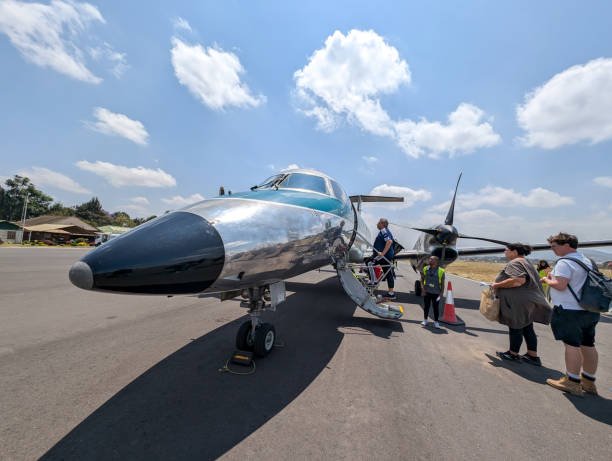
- Kilimanjaro/Serengeti to Rwanda: You’ll likely fly from Kilimanjaro International Airport (JRO) or Arusha Airport (ARK) to Kigali International Airport (KGL) in Rwanda. There are usually direct or one-stop flights, often via Nairobi (Kenya) or Entebbe (Uganda).
- Rwanda to Kilimanjaro/Serengeti: The reverse route applies.
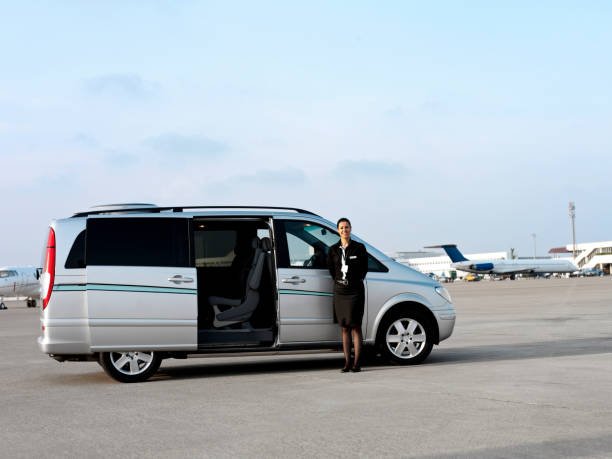
Ground transfers within each country are standard: airport pick-ups, transfers to safari starting points, and transport to Kilimanjaro gates are all part of the package. For the Serengeti, game drive vehicles are typically 4×4 Land Cruisers or Land Rovers, essential for navigating the park’s terrain.
Visas and Health Requirements for 2026-2027
Visas:
- Tanzania: Most nationalities require a visa. This can often be obtained on arrival at JRO or in advance online. Check current requirements for your nationality well before your trip.
- Rwanda: Most nationalities can obtain a visa on arrival in Kigali or apply online. East African Tourist Visas are available for those visiting multiple East African countries, which might be an option if you plan other stops.
Health:
- Yellow Fever: Vaccination is mandatory for entry into Rwanda and often required if transiting through certain African countries. Carry your certificate.
- Malaria: Both Tanzania and Rwanda are malaria-endemic. Consult your doctor about malaria prophylaxis and take precautions against mosquito bites (repellent, long sleeves/trousers at dusk).
- Other Vaccinations: Consult your doctor or a travel clinic about recommended vaccinations (e.g., Hepatitis A, Typhoid) and general travel health advice.
- Travel Insurance: Comprehensive travel insurance covering medical emergencies, evacuation, trip cancellation, and lost belongings is essential for all three activities. Ensure it covers high-altitude trekking and remote areas.
It’s crucial to verify the latest visa and health requirements for 2026-2027 as regulations can change.
Packing Essentials for All Three Adventures
Packing for this diverse trip requires careful consideration. Aim for versatility and layers:
- Clothing: Moisture-wicking base layers, insulating mid-layers (fleece), waterproof and windproof outer shells for Kilimanjaro. Comfortable, breathable clothing for safari and travel. Neutral colors for safari. Long sleeves and trousers for evenings (malaria protection).
- Footwear: Broken-in hiking boots for Kilimanjaro and gorilla trekking. Comfortable shoes or sandals for safari lodges and travel.
- Gear: A good quality backpack (for day hikes), duffel bag (for porters on Kilimanjaro), sleeping bag (rated for freezing temperatures), headlamp, sunglasses, sun hat, sunscreen, insect repellent, reusable water bottle, personal first-aid kit.
- Photography: Camera, extra batteries, memory cards, binoculars (essential for safari).
- Documents: Passport, visas, flight tickets, insurance details, vaccination certificates, copies of all important documents.
When packing for Kilimanjaro, remember that porters will carry your main duffel bag, so weight limits apply. You’ll carry a daypack with essentials.
Why Choose Climb 4 Africa for Your Combined Expedition
Planning a complex itinerary involving Rwanda gorilla trekking, Kilimanjaro climbing, and Serengeti safari demands expertise that goes beyond a single destination. Climb 4 Africa specializes in creating these multi-faceted East African adventures, offering:
- Integrated Itineraries: We seamlessly combine trekking, safari, and primate encounters into well-paced, logical itineraries for 2026-2027.
- Local Expertise: With deep roots in Tanzania and extensive knowledge of Rwanda, we understand the ground realities, permit systems, and logistical nuances of each location.
- Ethical Operations: We are committed to fair wages for our mountain crews and responsible tourism practices that benefit local communities and wildlife conservation.
- Safety First: Safety is paramount, especially on Kilimanjaro. Our guides are highly trained, experienced, and equipped with oxygen and medical kits.
- Customization: We tailor trips to your specific interests, budget, and timeframe, ensuring your dream East African journey is realized.
- Permit Management: We handle the complex process of securing Kilimanjaro climbing slots and essential Rwanda gorilla permits, often months in advance.
By partnering with Climb 4 Africa, you gain a dedicated team that manages the intricate details, allowing you to focus on the incredible experiences that await you. We ensure that your journey through Tanzania and Rwanda is as rewarding and stress-free as possible.
Making Your Booking Decisions for 2026-2027
Deciding to undertake a combined Rwanda gorilla trekking, Kilimanjaro climbing, and Serengeti safari is a significant commitment, both financially and in terms of time. When planning for 2026-2027, consider the following to make informed decisions:
- Start Early: As highlighted, permits for gorilla trekking and popular Kilimanjaro routes book up months, sometimes over a year, in advance. The sooner you start planning, the more options you will have for dates, routes, and accommodations.
- Prioritize Your Interests: While combining these three is fantastic, understand the time and energy each requires. If time is very limited, you might need to choose two out of three, or opt for shorter routes.
- Budget Realistically: These are not budget trips. Factor in international flights, visas, permits, the tour package itself, vaccinations, insurance, tips, and personal expenses. A comprehensive trip like this can easily range from $6,000 to $12,000+ per person, depending on luxury levels and chosen routes.
- Consult with Experts: Engage with experienced tour operators. A conversation with us at Climb 4 Africa can clarify many of your questions about feasibility, best timings, and detailed costs for your desired 2026-2027 adventure. We can help you navigate the complexities of inter-country travel, permit acquisition, and crafting the perfect itinerary that balances challenge and enjoyment.
To begin planning your ultimate East African adventure, reach out to us. We recommend providing your preferred travel dates, estimated group size, and any specific interests you have (e.g., focus on wildlife photography, specific Kilimanjaro route preference, desire for luxury accommodation). This information will help us craft a personalized itinerary for your Rwanda gorilla trekking, Kilimanjaro climbing, and Serengeti safari.
Contact Climb 4 Africa today:
- WhatsApp: +255 747 477 898
- Email: climb4africa@gmail.com
Let us help you turn your dream of conquering Kilimanjaro, witnessing the Serengeti’s wonders, and encountering Rwanda’s gorillas into a reality for 2026 or 2027.
“,
“faq_schema”: [
{
“question”: “What is the best time of year for a combined Rwanda gorilla trekking, Kilimanjaro climbing, and Serengeti safari in 2026-2027?”,
“answer”: “The best time often balances the dry seasons for Kilimanjaro and Serengeti safaris. Generally, June to October offers dry weather for Kilimanjaro and excellent game viewing in the Serengeti. For gorillas in Rwanda, dry seasons (June-August, December-February) make trekking easier, but it’s possible year-round. Combining these means looking for overlaps; for instance, June-August or December-February are good compromises for all three.”
},
{
“question”: “How long does a trip combining Kilimanjaro, Serengeti, and Rwanda gorillas typically take?”,
“answer”: “A comprehensive trip usually requires at least 14 to 21 days. This allows for 6-8 days for Kilimanjaro (including acclimatization and descent), 3-4 days for a Serengeti safari, 2-3 days for gorilla trekking in Rwanda (including travel), plus travel time between destinations and buffer days.”
},
{
“question”: “What is the cost for a combined Kilimanjaro, Serengeti, and Rwanda gorilla trekking trip in 2026-2027?”,
“answer”: “Costs vary significantly based on route choice, accommodation style, and operator. A mid-range to comfortable trip for all three experiences in 2026-2027 typically ranges from $6,000 to $12,000+ per person. This includes Kilimanjaro climb fees, permits, safari costs, gorilla permits ($1,500 each in Rwanda), internal flights, accommodation, and guides.”
},
{
“question”: “Is it better to climb Kilimanjaro first or do the safari and gorilla trekking first?”,
“answer”: “Many prefer to climb Kilimanjaro first while they are fresh and physically at their peak. After the demanding trek, a Serengeti safari offers relaxation and recovery, followed by the unique experience of gorilla trekking. However, some prefer to start with the gorillas or safari for a more relaxed introduction to Africa.”
},
{
“question”: “Do I need separate visas for Tanzania and Rwanda for this combined trip?”,
“answer”: “Yes, typically you will need separate visas for Tanzania and Rwanda. Many nationalities can obtain these upon arrival or apply online in advance. Check the specific requirements for your nationality for both countries well before your 2026-2027 travel dates. An East African Tourist Visa might be an option if visiting multiple East African countries.”
},
{
“question”: “What level of fitness is required for all three activities?”,
“answer”: “Kilimanjaro climbing requires a high level of cardiovascular fitness and endurance due to the altitude. Serengeti safaris are generally relaxed but involve long hours in a vehicle. Rwanda gorilla trekking requires moderate fitness for hiking through jungle terrain, which can be steep and muddy. Overall, good physical condition is essential.”
}
]
}
“`
Check Availability for Rwanda Gorilla Trekking Kilimanjaro Climbing And Serengeti Safari 2026-2027
Ready to compare dates, prices, and the best option for your group? Send the package name and travel month so the team can reply with a clear quote, availability, and what is included.

Afcon Mount Kilimanjaro And Serengeti Package
AFCON 2027 Mount Kilimanjaro and Serengeti Package.
View package details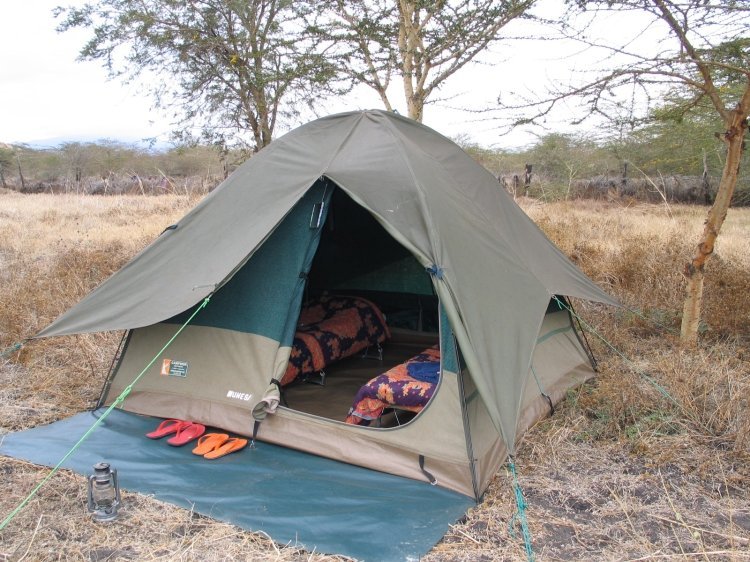
Three Day Serengeti Safari During AFCON 2027
Mwongozo wa kiutendaji kwa safari ya siku tatu ya Serengeti wakati AFCON 2027, ukijumuisha mwelekeo wa maeneo, ratiba ya siku, na ushauri wa ubashiri wa kupanga pamoja na jinsi ya...
View package details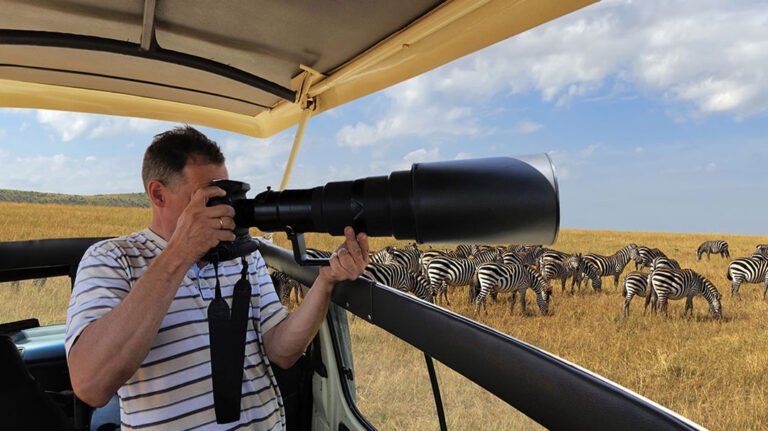
Kilimanjaro Safari And Afcon Final Package
Kilimanjaro Safari and AFCON Final Package.
View package detailsAfcon Tanzania Football Kilimanjaro And Safari Tour
AFCON 2027 Tanzania Football Kilimanjaro and Safari Tour.
View package detailsAFCON 2027 Safari from Kilimanjaro Airport
Mwongozo wa kina wa AFCON 2027 Safari starting from Kilimanjaro Airport, ukiruhusu kupanga ratiba, usafiri, mapumziko ya kambi, na maeneo ya kuzunguka ili kuonyesha wanyama na mandhari ya...
View package details
Kilimanjaro to Nairobi AFCON Travel Package
Mpango wa safari wa Kilimanjaro hadi Nairobi kwa AFCON unaowezesha kushuhudia milima na miji miwili mikubwa ya Afrika pamoja na mechi za AFCON kwa njia salama na ya kipekee.
View package details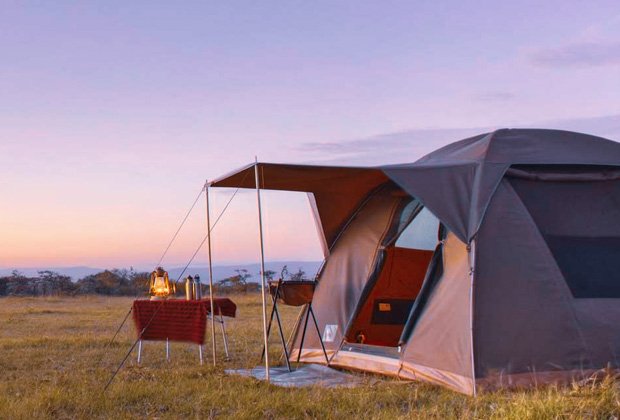
AFCON 2027 Safari from Moshi: Safari ya Afrika Mashariki kwa Mashabiki wa Soka
Safari ya kipekee ya AFCON 2027 inayochukua mji wa Moshi kuwa kituo cha kuanzia kwa mbuga ya wanyamapori na milima ya Kilimanjaro, ikijumuisha uhifadhi wa ndani na mwongozo wa kiusimamizi...
View package details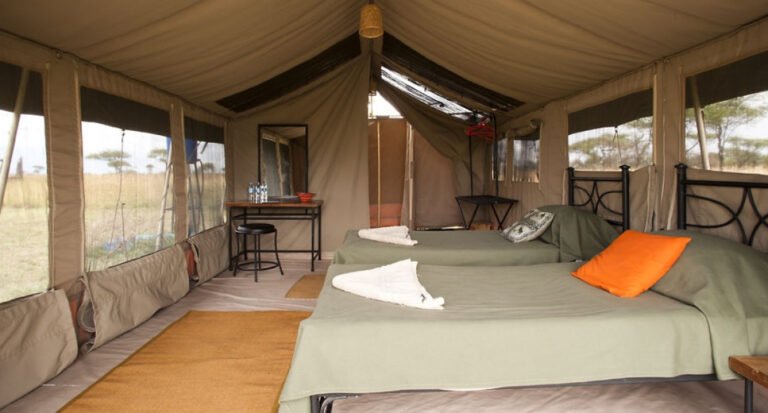
Afcon Kilimanjaro Ngorongoro And Zanzibar Holiday
AFCON 2027 Kilimanjaro Ngorongoro and Zanzibar Holiday.
View package details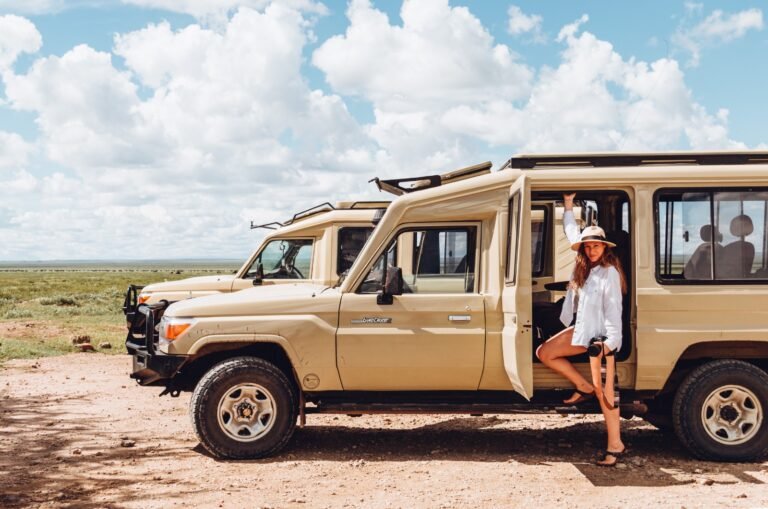
Afcon Private Serengeti Safari With Lodges
AFCON 2027 Private Serengeti Safari with Lodges.
View package detailsAfcon Luxury Serengeti Safari Packages
AFCON 2027 Luxury Serengeti Safari Packages.
View package details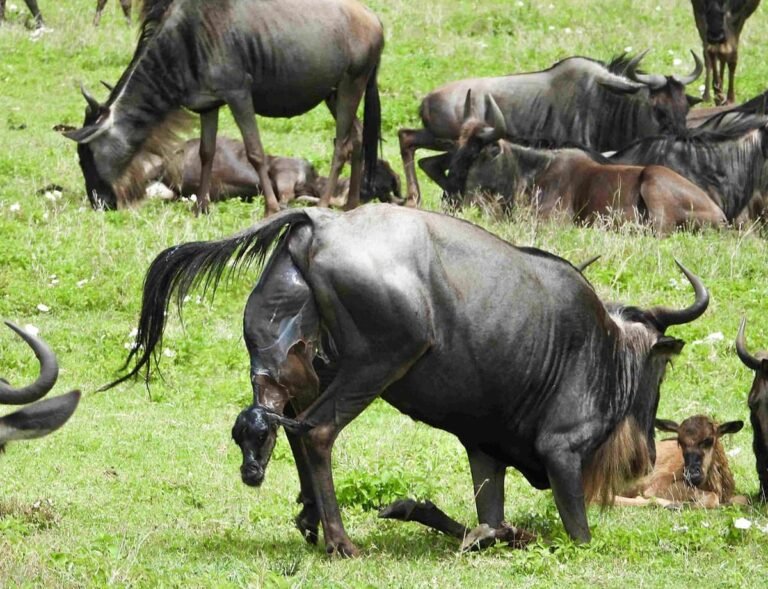
Serengeti Great Migration Safari During AFCON 2027
Mwongozo wa kina kwa safari ya Serengeti Great Migration wakati wa AFCON 2027, ukilenga kuelewa maeneo, kipindi cha mwendo wa mnyama, na mapendekezo ya mipango ya kiutendaji.
View package detailsFour Day Serengeti na Ngorongoro Safari During AFCON 2027
Mwongozo wa safari ya siku 4 kwenye Serengeti na Ngorongoro wakati AFCON 2027; jinsi ya kupanga, nini cha kujali, na jinsi ya kuandaa,”
View package detailsNo related package matches those filters. Clear one or more filters to see the other topic-matched options.