A 10-day Kilimanjaro climb combined with a Serengeti safari and Masai Mara exploration typically involves climbing Mount Kilimanjaro via a 6-7 day route, followed by a 2-3 day safari in Tanzania’s Serengeti National Park, and concluding with a 1-2 day visit to Kenya’s Masai Mara National Reserve. This integrated itinerary offers a remarkable blend of challenging trekking and world-class wildlife viewing, often starting with the climb from Moshi, Tanzania, then flying or driving to the Serengeti, and crossing into the Masai Mara, or vice versa, with 2026-2027 bookings requiring early planning for optimal availability and pricing.
Why Combine Kilimanjaro, Serengeti, and Masai Mara?
The allure of Africa often conjures images of majestic wildlife roaming vast plains and the challenge of conquering its highest peak. For many travelers, the ultimate African adventure involves ticking off two monumental experiences: summiting Mount Kilimanjaro and witnessing the unparalleled drama of a Serengeti and Masai Mara safari. Combining these elements into a single, cohesive trip provides an incredible breadth of experiences, from the physical and mental achievement of reaching Uhuru Peak to the awe-inspiring spectacle of the Great Migration and encounters with the Big Five.
This itinerary is designed for those who want to maximize their time in East Africa, experiencing both its towering natural monument and its legendary wildlife ecosystems. It’s a journey that offers profound contrasts: the quiet solitude and physical exertion of the mountain trek against the vibrant, thrilling encounters with animals in their natural habitat. For 2026-2027 travel, booking this combination early is highly recommended, as peak safari seasons and popular Kilimanjaro climbing dates fill up quickly.
The decision to combine these destinations isn’t just about seeing more; it’s about experiencing the raw, untamed spirit of Africa in its most iconic forms. Imagine standing on the Roof of Africa one day, and the next, watching a pride of lions stalk wildebeest across the savanna. This is the magic that a Kilimanjaro climb, Serengeti safari, and Masai Mara itinerary delivers. It’s an investment in memories that last a lifetime, offering a comprehensive taste of East Africa’s unparalleled natural wonders.
Your 10-Day Kilimanjaro Climb & Serengeti Safari, Masai Mara Itinerary Explained
Crafting a 10-day itinerary that effectively balances a Kilimanjaro climb with both the Serengeti and Masai Mara requires careful planning, especially considering travel times and acclimatization needs. The most practical approach for a 10-day window is to focus on a shorter Kilimanjaro route (typically 6-7 days) and then allocate the remaining days to safari. This means a swift, but rewarding, trek followed by an intense wildlife immersion.
Here’s a common structure that many travelers opt for, focusing on efficiency and impact:
Day 1-7: Kilimanjaro Climb (e.g., Machame or Lemosho Route)
Your journey begins in Moshi, Tanzania, the gateway to Kilimanjaro. After a pre-climb briefing and gear check, you’ll start your chosen route. A 6-day Machame or 7-day Lemosho route offers a good balance of ascent profile, acclimatization, and summit success probability within this timeframe. These routes are popular for their scenic beauty and higher success rates, though they do require a good level of fitness.
- Day 1: Arrive in Moshi, transfer to hotel, briefing, gear check.
- Day 2-7: Kilimanjaro Trekking. Ascend through diverse ecological zones, from rainforest to alpine desert and arctic summit. Daily progress is made, with acclimatization being key. The summit night involves a challenging ascent to Uhuru Peak before descending to Mweka Camp.
- Day 7 (Evening): Descend to Mweka Gate, receive your certificate, and transfer back to your hotel in Moshi.
Day 8: Transfer to Serengeti National Park
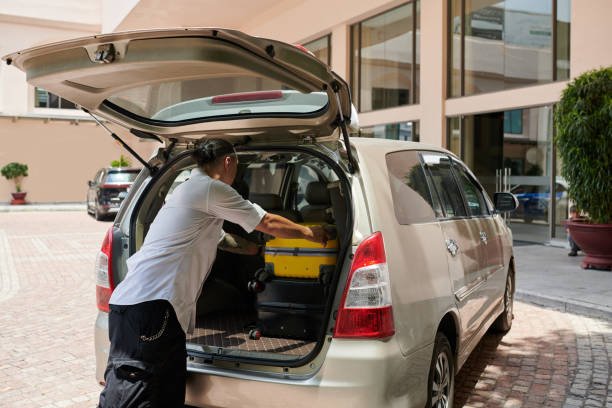
After recovering from your climb, you’ll head to the airport (likely Kilimanjaro International Airport – JRO) for a flight to the Serengeti. This is the most time-efficient way to reach the park. Alternatively, a long overland drive is possible but will consume most of your day, making flying the preferred option for a 10-day trip.
- Morning flight from Arusha/JRO to a Serengeti airstrip (e.g., Seronera).
- Meet your safari guide and vehicle, begin your first game drive en route to your lodge or tented camp.
- Evening game drive and overnight in the Serengeti.
Day 9: Serengeti Safari Exploration
A full day dedicated to exploring the vast plains of the Serengeti. Depending on the time of year, you might witness the Great Migration herds, observe predators in action, or simply marvel at the sheer abundance of wildlife.
- Full day of game drives in the Serengeti, searching for lions, leopards, elephants, buffalo, rhinos, and diverse birdlife.
- Optional hot air balloon safari at dawn for a unique perspective.
- Overnight in the Serengeti.
Day 10: Transfer to Masai Mara & Departure
This is where the itinerary needs careful consideration due to border crossings and logistics. The most smooth way to experience both the Serengeti and Masai Mara within 10 days is often to fly from the Serengeti to the Masai Mara, or to drive to the border and cross over. Depending on your international flight schedule, you might have a morning game drive in the Serengeti, then fly to the Masai Mara for a brief experience, or head directly towards the border/airport for departure.
- Morning game drive in the Serengeti.
- Fly from the Serengeti to the Masai Mara (via connecting flights, often through Wilson Airport in Nairobi).
- Alternatively, drive to the Tanzania-Kenya border (e.g., Isebania), clear immigration, and proceed to the Masai Mara. This overland option is significantly longer.
- A short game drive in the Masai Mara if time permits.
- Transfer to an airstrip for a flight to Nairobi (Wilson Airport), then to Jomo Kenyatta International Airport (NBO) for your departure.
Important Note on Day 10: A true 10-day itinerary combining all three is very fast-paced. Often, travelers extend by a day or two to allow for more relaxed travel and deeper immersion. If your flight departs on Day 10, you’ll need to fly from the Masai Mara to Nairobi very early. For 2026-2027 planning, consider if adding a day or two would enhance your experience, particularly for the safari portion.
Choosing Your Kilimanjaro Climb Route
For a 10-day combined Kilimanjaro climb and safari itinerary, the choice of Kilimanjaro route is critical. You need a route that offers a good balance of acclimatization, scenery, and a reasonable chance of summit success within a 6-7 day timeframe. The most popular and recommended options for this condensed trip are the Machame Route and the Lemosho Route.
The Machame Route (6 or 7 Days)
Often called the “Whiskey Route,” the Machame Route is one of the most popular choices. It’s known for its scenic beauty and challenging terrain, which aids acclimatization.
- Duration: Typically 6 or 7 days. A 7-day option provides better acclimatization and thus higher success rates, which is crucial for your Kilimanjaro climb.
- Scenery: Excellent. It traverses the southern circuit, offering diverse views as you ascend through rainforest, moorland, alpine desert, and arctic zones.
- Acclimatization Profile: Good, especially on the 7-day version which uses the “climb high, sleep low” principle effectively.
- Difficulty: Moderate to Difficult. It’s a strenuous trek, particularly the summit night.
- Crowds: Can be busy, especially during peak seasons.
- Why it suits this itinerary: Its popularity means good infrastructure and experienced guides are readily available. A 6-day Machame is fast; a 7-day Machame is more advisable for success.
The Lemosho Route (7 or 8 Days)
The Lemosho Route is considered one of the most beautiful routes, offering a more remote and wild experience, especially in its initial stages. It joins the Machame route around Day 3.
- Duration: Typically 7 or 8 days. For a 10-day trip, a 7-day Lemosho is the maximum you can consider before safari.
- Scenery: Outstanding. It starts in the west, crossing the Shira Plateau, offering spectacular views and a sense of wilderness.
- Acclimatization Profile: Excellent. The gradual ascent and varied terrain make it one of the best for acclimatization, leading to higher success rates.
- Difficulty: Moderate to Difficult. Similar to Machame, with a challenging summit night.
- Crowds: Less crowded than Machame in the initial days, but merges with Machame and Uhuru Peak crowds later.
- Why it suits this itinerary: Its superior acclimatization profile is a significant advantage for summit success, which is paramount before embarking on a safari. A 7-day Lemosho is ideal.
Other Route Considerations
While Marangu (Coca-Cola Route) is an option, its hut accommodation and less effective acclimatization profile make it less ideal for a combined trip where summit success is a priority. Rongai, starting from the north, is also an option but often requires more days for optimal acclimatization and may not fit as seamlessly into a combined itinerary starting and ending in Moshi/Arusha.
Recommendation for a 10-Day Trip: Given the tight timeframe, a 7-day Machame Route or a 7-day Lemosho Route is strongly recommended. These offer the best balance of acclimatization and time efficiency. Attempting Kilimanjaro in 5 days is generally not advised due to significantly lower success rates and higher risks of altitude sickness.
Essential Kilimanjaro Preparation
Regardless of the route chosen, preparation is key. For a 2026-2027 climb:
- Physical Fitness: Start training at least 3-6 months in advance. Focus on cardiovascular fitness (hiking, running, cycling) and strength training, especially for your legs and core. Practice hiking with a weighted backpack.
- Mental Preparedness: Kilimanjaro is as much a mental challenge as a physical one. Understand the risks and rewards, and be prepared for challenging conditions, especially on summit night.
- Gear: Invest in or rent high-quality gear. This includes waterproof and windproof outer layers, warm inner layers, sturdy hiking boots, a good sleeping bag rated for extreme cold, and trekking poles. Your operator should provide a detailed gear list.
- Acclimatization: This is the most critical factor for summit success. Listen to your body, drink plenty of water, and avoid overexertion. Your guide will monitor you closely.
Serengeti Safari: The Heart of the Great Migration
The Serengeti National Park is legendary, renowned for its vast plains and the single greatest wildlife spectacle on Earth: the Great Migration. Witnessing millions of wildebeest, zebras, and gazelles traversing the plains in search of fresh grazing is an experience that defines African safaris.
Understanding the Great Migration
The migration is a year-round phenomenon, with the animals constantly moving in a circular pattern. The location of the herds in 2026-2027 will depend on the time of year you visit:
- December – March: The herds are typically in the southern Serengeti and Ndutu area (which straddles the border with Ngorongoro Conservation Area), calving season. This is a prime time to see newborn wildebeest and predator action.
- April – May: The “long rains” usually occur, and the herds begin moving northwards, often dispersing. This is the “low season” with fewer tourists and lower prices, but can be challenging for game viewing due to rain.
- June – July: The herds gather in the western corridor, preparing for the iconic river crossings of the Grumeti River. This is a spectacular, albeit often brutal, event.
- August – October: The herds are typically in the northern Serengeti, with significant crossings of the Mara River into Kenya’s Masai Mara. This is peak season for witnessing these dramatic river crossings.
For a 10-day trip, the timing of your safari component is crucial for maximizing your chances of seeing specific events like river crossings. If your trip falls in August-October, you might be able to time your Serengeti visit to coincide with northern herds potentially crossing into the Masai Mara.
Wildlife Beyond the Migration
Even outside of peak migration periods, the Serengeti is teeming with wildlife. It boasts one of the highest concentrations of predators in Africa, including:
- Lions: Large prides are common, especially in areas like Seronera.
- Leopards: Elusive but present, often found in acacia trees or along riverbanks.
- Cheetahs: Frequently seen on the open plains, hunting their prey.
- Elephants, Buffalo, Rhinos: The “Big Five” are all found here, though rhinos are rarer and more concentrated in specific areas.
- Giraffes, Zebras, Various Antelopes: A constant presence across the landscape.
- Birdlife: Over 500 species, making it a paradise for birdwatchers.
The Serengeti Safari Experience
Your safari experience in the Serengeti will typically involve:
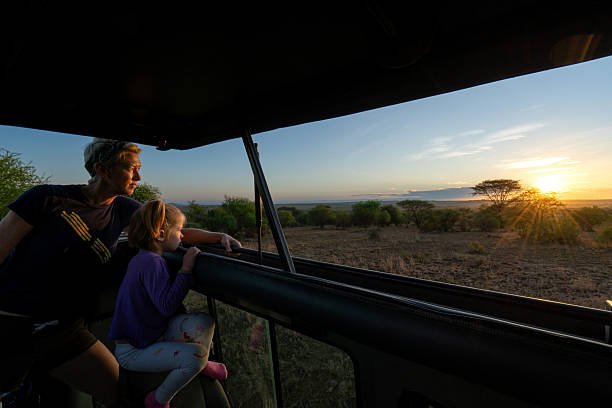
- Game Drives: Conducted in custom-built 4×4 safari vehicles with pop-up roofs for optimal viewing and photography. Your experienced guide will use their knowledge of animal behavior and tracks to find wildlife.
- Accommodation: Options range from luxury lodges and permanent tented camps to more mobile tented camps that follow the migration. For a 10-day trip, staying in a well-located lodge or permanent camp is often preferred for comfort and ease after the Kilimanjaro climb.
- Optional Activities: A hot air balloon safari at dawn offers a truly unforgettable perspective of the Serengeti plains and its inhabitants.
Masai Mara: Kenya’s Iconic Wildlife Sanctuary
The Masai Mara National Reserve, directly north of the Serengeti, is essentially a continuation of the same ecosystem. It’s famed for its high density of wildlife, particularly lions, and its role in the Great Migration, especially the dramatic Mara River crossings.
Masai Mara vs. Serengeti
While part of the same ecosystem, the Masai Mara offers a slightly different feel:
- Landscape: More rolling hills and acacia woodlands compared to the flatter plains of much of the Serengeti.
- Wildlife Density: The Mara is renowned for its exceptionally high predator populations, particularly lions.
- River Crossings: The Mara River is a major obstacle for the migrating herds, and the crossings here (often August-October) are the most dramatic and frequently photographed events of the migration.
- Regulations: Vehicles in the Mara are generally closer to wildlife than in the Serengeti, offering more intimate viewing opportunities.
Experiencing the Masai Mara
A short visit, perhaps 1-2 days within a 10-day itinerary, will focus on:
- Game Drives: Similar to the Serengeti, with expert guides.
- Witnessing the Migration (Seasonal): If your trip aligns with August-October, you might witness river crossings.
- Maasai Culture: Opportunities to visit a traditional Maasai village can be arranged, offering insights into the local culture and way of life.
For a 10-day combined trip: Given the limited time, a 1-day visit to the Masai Mara might be a quick highlight reel. If you are particularly keen on the Mara River crossings, you would ideally plan your 2026-2027 trip for August-October and potentially extend your safari portion by a day or two to allow for a more meaningful experience in both parks.
smooth Logistics: Getting Between Kilimanjaro, Serengeti, and Masai Mara
The logistics of moving between these iconic locations are a critical part of planning your 10-day Kilimanjaro climb and safari. Efficient travel ensures you maximize your time experiencing the destinations rather than in transit.
Travel from Kilimanjaro to Serengeti
Option 1: Flying (Recommended for 10-day itinerary)
- Route: From Kilimanjaro International Airport (JRO) or Arusha Airport (ARK) to a Serengeti airstrip (e.g., Seronera Airstrip).
- Duration: Approximately 1-1.5 hours flight time.
- Pros: Saves significant time, offers aerial views of the landscape, more comfortable after a strenuous climb.
- Cons: More expensive than driving.
Option 2: Driving
- Route: From Moshi/Arusha to the Serengeti via a park gate (e.g., Naabi Hill Gate).
- Duration: Can take 6-9 hours, depending on road conditions and your specific lodge location within the Serengeti.
- Pros: More budget-friendly, allows for passing through other areas like Mto wa Mbu.
- Cons: Very time-consuming, can be bumpy and tiring, especially after climbing Kilimanjaro.
Travel from Serengeti to Masai Mara
This is often the most complex part of the logistics due to the international border crossing.
Option 1: Flying (Most Efficient for 10-day itinerary)
- Route: Fly from a Serengeti airstrip to Nairobi’s Wilson Airport (WIL), often with a stopover in Kilimanjaro or Arusha. From Wilson Airport, you’ll typically take a smaller bush plane flight directly into the Masai Mara (e.g., Keekorok, Musiara, or Ol Kiombo airstrips).
- Duration: The entire journey can take 4-6 hours, including transfers and flight times.
- Pros: The quickest and most comfortable way to connect the two parks, minimizing travel time.
- Cons: Most expensive option, involves multiple flights and potential luggage restrictions.
Option 2: Overland via Border Crossing
- Route: Drive from your Serengeti lodge to the Isebania/Sirari border crossing (Tanzania/Kenya). After clearing immigration, you’ll drive to the Masai Mara.
- Duration: This is a very long day, potentially 8-12 hours of driving plus border formalities.
- Pros: Can be more economical if you are on a tighter budget and don’t mind the extensive travel.
- Cons: Extremely time-consuming, tiring, and can be less predictable due to border delays. Not ideal for a short 10-day trip.
Option 3: Driving via Tarime/Kenya Border
- Similar to Option 2, but utilizing a different border post. Still a long overland journey.
Internal Flights and Carriages
For a 10-day trip, booking internal flights is almost a necessity to connect Kilimanjaro, Serengeti, and Masai Mara efficiently. These flights are typically operated by local airlines and can be booked through your tour operator. Ensure your tour operator handles all flight bookings and transfers to and from airports/airstrips.
Tip for 2026-2027 Bookings: Internal flight schedules can change. Confirm flight details with your operator well in advance. Be mindful of luggage weight restrictions on these smaller aircraft – usually around 15-20kg per person in soft bags.
Planning Your 2026-2027 Kilimanjaro Climb & Safari Adventure
Embarking on a combined Kilimanjaro climb and safari is a significant undertaking that requires meticulous planning. Here are key considerations for your 2026-2027 adventure:
Best Time to Travel
The ideal time to combine Kilimanjaro and safari depends on your priorities. Generally, the dry seasons are preferred for both activities:
- Kilimanjaro Dry Seasons: January-March and June-October. These months offer the clearest skies and least rain, making for better trekking conditions and summit success.
- Serengeti/Masai Mara Dry Seasons: June-October (coincides with Kilimanjaro’s second dry season) is excellent for wildlife viewing and river crossings. January-February is also good, coinciding with the southern Serengeti calving season.
For a 10-day itinerary, aiming for June-October provides the best overlap for good weather on Kilimanjaro and peak wildlife viewing, including potential river crossings in the Masai Mara.
Avoiding Peak Crowds: While the dry seasons are popular, consider shoulder months like late May or early November for potentially fewer crowds and slightly lower prices, though weather can be more variable.
Duration and Pace
As established, a 10-day itinerary is ambitious. It offers a taste of each experience but is fast-paced. For a more comfortable and less rushed journey, consider extending your trip:
- 12-14 days: Allows for a 7-day Kilimanjaro climb, 3-4 days in the Serengeti, and 2 days in the Masai Mara, with more relaxed travel days. This is highly recommended for 2026-2027 trips.
- 14+ days: Provides ample time for a 7-8 day climb, 4-5 days of safari, and potentially adding other destinations like the Ngorongoro Crater or Zanzibar.
If sticking to 10 days, prioritize one Kilimanjaro route (7-day Machame or Lemosho) and focus on efficient travel (flying between locations).
Budget and Costs for 2026-2027
A Kilimanjaro climb and safari package is a significant investment. Costs vary widely based on:
- Kilimanjaro Route and Duration: Longer routes and more reputable operators cost more.
- Safari Accommodation: Luxury lodges are significantly more expensive than mid-range tented camps.
- Mode of Transport: Flying between locations adds considerable cost compared to overland travel.
- Group Size: Private tours are more expensive than joining a group departure.
- Time of Year: Peak seasons (June-October, December-March) are generally more expensive.
General Cost Estimates (per person for a 10-day package):
- Budget/Mid-Range: Expect prices starting from $3,500 – $5,000 USD. This might involve overland safari travel, simpler accommodation, and joining group departures.
- Mid-Range/Comfort: Likely in the range of $5,000 – $7,500 USD. This typically includes flying between locations, comfortable lodges/camps, and potentially more personalized service.
- Luxury: Can range from $7,500 USD upwards, featuring top-tier lodges, private charter flights, and exclusive safari experiences.
Key inclusions to look for:
- Kilimanjaro climb: Park fees, guide and porter salaries, food, camping equipment, transfers.
- Safari: Park entry fees, vehicle and guide, accommodation, all meals on safari, internal flights (if specified).
Key exclusions:
- International flights.
- Visa fees.
- Travel insurance (mandatory).
- Tips for guides and porters (a significant cost).
- Personal gear.
- Drinks and personal expenses.
- Optional activities (e.g., hot air balloon safari).
For 2026-2027 bookings, it’s wise to get quotes early. Prices can fluctuate based on park fee changes and operator costs.
Visas and Vaccinations
- Visas: Most nationalities require a visa for Tanzania and Kenya. These can often be obtained online in advance or on arrival, but check current regulations for your nationality.
- Vaccinations: Consult your doctor or a travel clinic well in advance (at least 6-8 weeks before departure). Yellow Fever vaccination is often required, especially if traveling from or transiting through a country with a risk of Yellow Fever. Malaria prophylaxis is recommended for safari portions. Other recommended vaccinations may include Hepatitis A, Typhoid, and Tetanus.
Travel Insurance
Comprehensive travel insurance is mandatory for Kilimanjaro climbs and highly recommended for safaris. Ensure your policy covers:
- High-altitude trekking (up to 6,000m).
- Emergency medical evacuation (helicopter rescue is common on Kilimanjaro).
- Trip cancellation and interruption.
- Lost or delayed baggage.
Packing Essentials
Beyond your Kilimanjaro gear, pack for safari:
- Lightweight, neutral-colored clothing (khaki, beige, green).
- Comfortable walking shoes for camp.
- Sunscreen, hat, sunglasses.
- Insect repellent.
- Binoculars.
- Camera with extra batteries and memory cards.
- A small backpack for day trips and game drives.
- A good book for downtime.
Booking Your Unforgettable Kilimanjaro Climb & Safari
Planning a trip that combines the challenge of Kilimanjaro with the adventure of Serengeti and Masai Mara safaris requires an experienced and reliable tour operator. At Climb 4 Africa, we specialize in crafting these smooth, memorable East African journeys.
Why Choose Climb 4 Africa for Your Kilimanjaro Climb & Serengeti Safari, Masai Mara Itinerary?
- Local Expertise: As a Tanzania-based company, we have intimate knowledge of the routes, wildlife, logistics, and local conditions.
- Safety First: Your safety on Kilimanjaro is our top priority, with highly trained guides, comprehensive medical kits, and emergency protocols.
- Tailor-Made Experiences: We understand that every traveler is unique. We can customize your 10-day itinerary, or any duration, to match your interests, budget, and pace. Whether you prefer a 6-day Machame or a 7-day Lemosho climb, and specific safari locations, we design it for you.
- Quality & Value: We offer competitive pricing for high-quality services, ensuring you get the best value for your investment. We are transparent about what is included and excluded.
- smooth Logistics: We manage all the complex travel arrangements, from airport transfers and Kilimanjaro logistics to internal flights and safari vehicle arrangements, ensuring a smooth transition between destinations.
Ready to Plan Your 2026-2027 Adventure?
To start planning your dream Kilimanjaro climb and Serengeti safari, Masai Mara itinerary, we recommend getting in touch. We can provide personalized quotes and discuss the best options for your specific travel dates and preferences. Whether you are aiming for a specific departure in 2026 or looking ahead to 2027, early planning is key to securing your preferred dates and accommodations.
Contact us today:
- WhatsApp: +255 747 477 898
- Email: climb4africa@gmail.com
Let us help you craft an extraordinary East African adventure that combines the challenge of Kilimanjaro with the wonder of its most famous wildlife parks. We look forward to assisting you in making your 2026-2027 travel dreams a reality.
Check Availability for Kilimanjaro Climb & Serengeti Safari: Your 10-Day Combined Itinerary…
Ready to compare dates, prices, and the best option for your group? Send the package name and travel month so the team can reply with a clear quote, availability, and what is included.

Afcon Mount Kilimanjaro And Serengeti Package
AFCON 2027 Mount Kilimanjaro and Serengeti Package.
View package details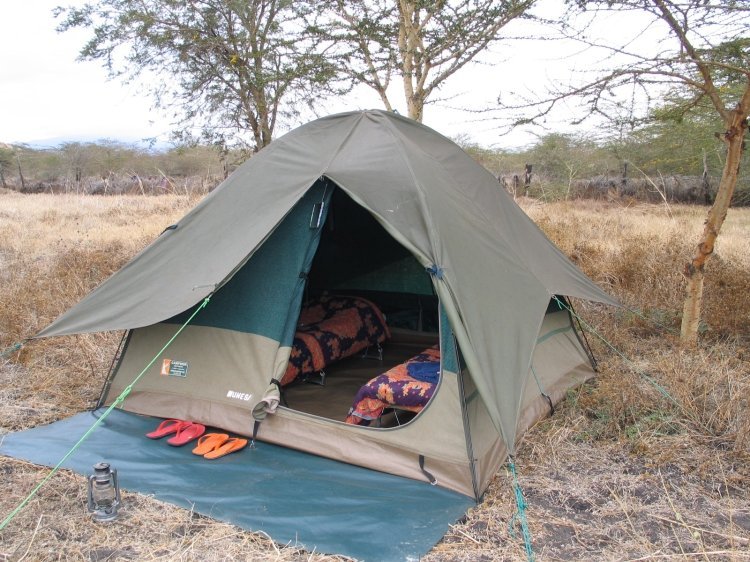
Three Day Serengeti Safari During AFCON 2027
Mwongozo wa kiutendaji kwa safari ya siku tatu ya Serengeti wakati AFCON 2027, ukijumuisha mwelekeo wa maeneo, ratiba ya siku, na ushauri wa ubashiri wa kupanga pamoja na jinsi ya...
View package details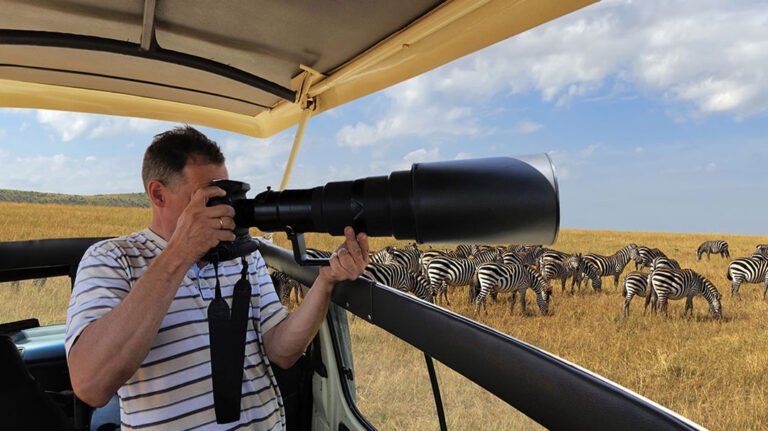
Kilimanjaro Safari And Afcon Final Package
Kilimanjaro Safari and AFCON Final Package.
View package detailsAfcon Tanzania Football Kilimanjaro And Safari Tour
AFCON 2027 Tanzania Football Kilimanjaro and Safari Tour.
View package detailsAFCON 2027 Safari from Kilimanjaro Airport
Mwongozo wa kina wa AFCON 2027 Safari starting from Kilimanjaro Airport, ukiruhusu kupanga ratiba, usafiri, mapumziko ya kambi, na maeneo ya kuzunguka ili kuonyesha wanyama na mandhari ya...
View package details
Kilimanjaro to Nairobi AFCON Travel Package
Mpango wa safari wa Kilimanjaro hadi Nairobi kwa AFCON unaowezesha kushuhudia milima na miji miwili mikubwa ya Afrika pamoja na mechi za AFCON kwa njia salama na ya kipekee.
View package details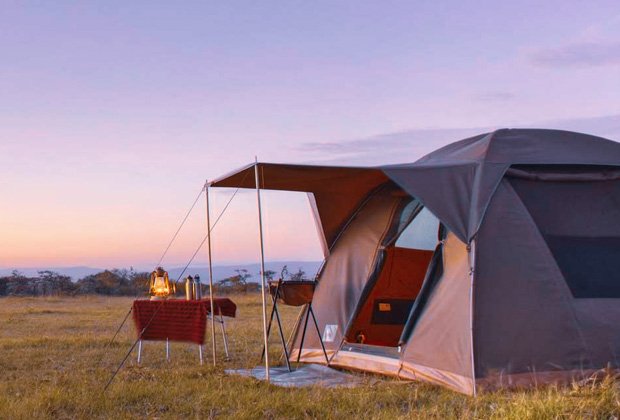
AFCON 2027 Safari from Moshi: Safari ya Afrika Mashariki kwa Mashabiki wa Soka
Safari ya kipekee ya AFCON 2027 inayochukua mji wa Moshi kuwa kituo cha kuanzia kwa mbuga ya wanyamapori na milima ya Kilimanjaro, ikijumuisha uhifadhi wa ndani na mwongozo wa kiusimamizi...
View package details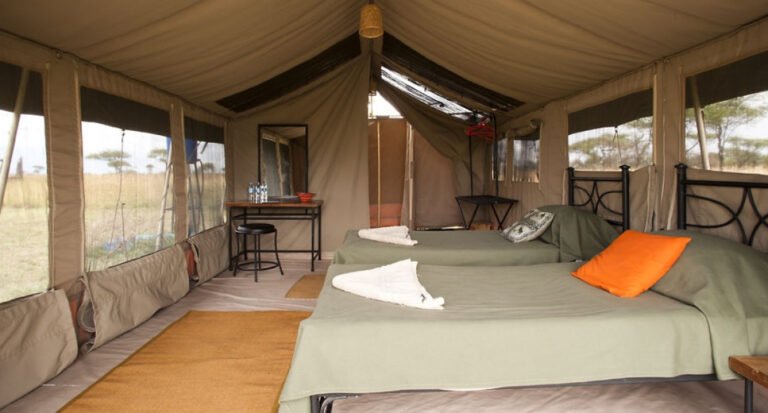
Afcon Kilimanjaro Ngorongoro And Zanzibar Holiday
AFCON 2027 Kilimanjaro Ngorongoro and Zanzibar Holiday.
View package details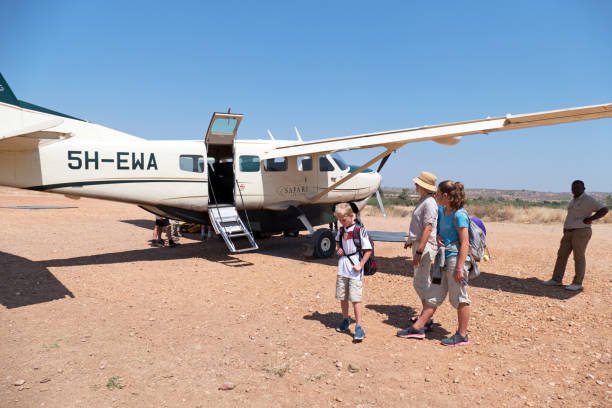
1-Day Serengeti Safari From Zanzibar By Flight: Cost & Itinerary 2026-2027
Is a 1-day Serengeti safari from Zanzibar feasible? Get the expert breakdown on the flight logistics, cost factors, and how to manage your expectations for this intense, one-day wildlife...
View package details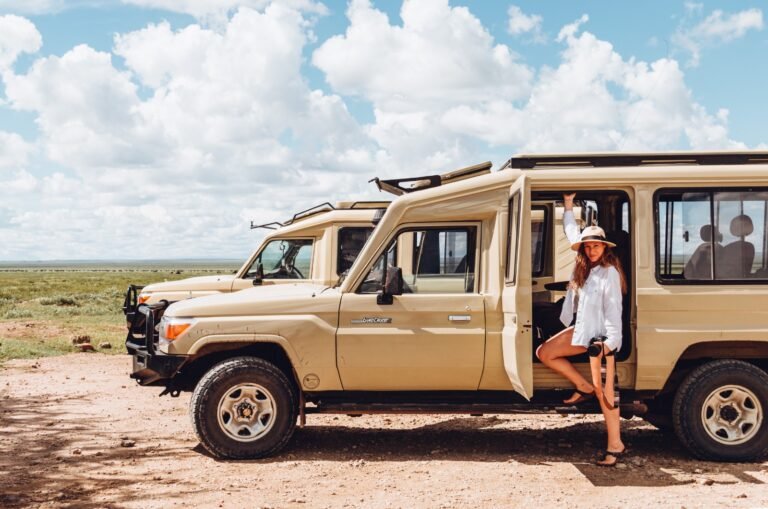
Afcon Private Serengeti Safari With Lodges
AFCON 2027 Private Serengeti Safari with Lodges.
View package detailsAfcon Luxury Serengeti Safari Packages
AFCON 2027 Luxury Serengeti Safari Packages.
View package details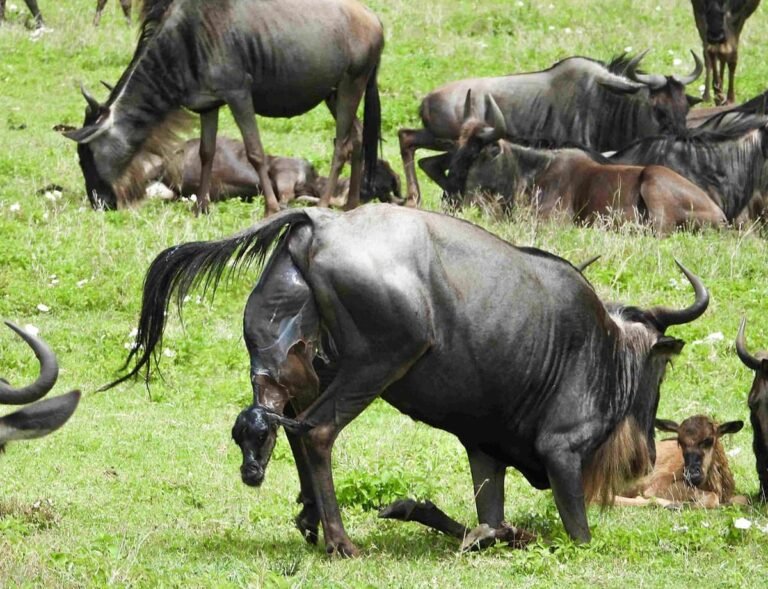
Serengeti Great Migration Safari During AFCON 2027
Mwongozo wa kina kwa safari ya Serengeti Great Migration wakati wa AFCON 2027, ukilenga kuelewa maeneo, kipindi cha mwendo wa mnyama, na mapendekezo ya mipango ya kiutendaji.
View package detailsNo related package matches those filters. Clear one or more filters to see the other topic-matched options.