Combining a safari in Kenya and Tanzania with a Mount Kilimanjaro climb offers an unparalleled East African adventure, typically spanning 10-21 days depending on safari duration and chosen Kilimanjaro route. This epic journey allows you to witness iconic wildlife migrations across the Serengeti and Maasai Mara, followed by the immense physical and mental challenge of summiting Africa’s highest peak. Planning for 2026-2027 involves selecting specific safari parks, choosing a Kilimanjaro ascent route like Machame or Lemosho, and coordinating logistics for a smooth transition between these distinct experiences.

The Ultimate East African Adventure: Safari Meets Summit
For many, the dream of Africa involves two iconic experiences: the thrill of a wildlife safari and the challenge of summiting a majestic mountain. A Kenya Tanzania safari and Kilimanjaro climbing combination brings these dreams together into one epic, life-changing journey. Imagine days spent tracking the Great Migration across the vast plains of the Serengeti and Maasai Mara, spotting lions, elephants, and rhinos in their natural habitat, followed by days of trekking upwards through diverse ecosystems towards the roof of Africa. This is not just a holiday; it’s an expedition that tests your limits and rewards you with unforgettable vistas and profound experiences.
This comprehensive guide is designed to help you plan and execute such an ambitious trip for 2026 or 2027. We’ll break down the complexities of combining these two distinct adventures, from choosing the right safari parks and Kilimanjaro routes to understanding the best times to travel and how to manage the logistics. Whether you’re an avid trekker looking to add a safari, or a wildlife enthusiast eager to challenge yourself on a mountain, this guide provides the practical insights you need.
Why Combine a Kenya Tanzania Safari with Kilimanjaro?
The appeal of a Kenya Tanzania safari and Kilimanjaro climbing combination lies in its sheer scope and the incredible diversity of experiences it offers. You’re not just seeing one facet of East Africa; you’re engaging with its most celebrated natural wonders in their full glory.
- Unmatched Wildlife Encounters: Kenya and Tanzania are arguably the world’s premier safari destinations, home to the Big Five (lion, leopard, elephant, rhino, buffalo) and the impressive spectacle of the Great Migration. A well-planned safari ensures you witness these animals in their natural, sprawling habitats.
- The Challenge of Kilimanjaro: Mount Kilimanjaro, a dormant volcano, is the highest free-standing mountain in the world and a UNESCO World Heritage Site. Its summit, Uhuru Peak, sits at 5,895 meters (19,341 feet). The climb is a significant physical and mental undertaking, offering a profound sense of accomplishment.
- Geographical Proximity: The parks and the mountain are located in close proximity, making logistical connections feasible. Moshi, the gateway town for Kilimanjaro climbs, is a relatively short flight or drive from major safari hubs like Arusha, Nairobi, and the Serengeti ecosystem.
- Diverse Landscapes: From the savannahs and acacia woodlands of the Serengeti and Maasai Mara to the alpine deserts and glacial zones of Kilimanjaro, you’ll traverse an astonishing range of environments within a single trip.
- Cultural Immersion: Both safari experiences and the Kilimanjaro trek offer opportunities to interact with local cultures, from Maasai communities near the reserves to the Chagga people on Kilimanjaro’s slopes.
- Efficiency and Value: By combining these experiences, you can often achieve a more comprehensive East African adventure within a single trip, potentially optimizing travel time and sometimes achieving better value through package deals.
This combination is ideal for travelers who seek both adventure and immersion, wanting to experience the raw beauty of African wildlife alongside the personal triumph of conquering a formidable natural landmark. It caters to those who are physically active and appreciate a multi-faceted travel experience.
Planning Your Kenya Tanzania Safari & Kilimanjaro Combination 2026-2027
Successfully combining a safari and a Kilimanjaro climb requires meticulous planning. The key is to balance the requirements of each activity, considering timing, logistics, and your personal preferences. Here’s a breakdown of the crucial planning stages for a 2026-2027 adventure:
Define Your Priorities
Are you primarily a wildlife enthusiast who wants to see the migration and add a mountain challenge, or are you a climber looking to explore the local scenery before or after your trek? Your primary focus will influence the length of your safari versus your climb, and the specific parks and routes you choose. For instance, a dedicated wildlife photographer might spend more time on safari, while a seasoned trekker might opt for a longer, more challenging Kilimanjaro route.
Set Your Budget
A combined safari and Kilimanjaro trip is a significant investment. Costs vary widely based on safari duration, accommodation style (budget camping, mid-range lodges, luxury tented camps), Kilimanjaro route length and support, group size (private vs. group treks), and the time of year. Understanding your budget early on will help narrow down options. For 2026-2027, expect costs to reflect current economic conditions and operator pricing structures.
Choose Your Timing
The best time to visit East Africa depends on the Great Migration’s location and Kilimanjaro’s weather patterns. Generally, the dry seasons (June-October and January-February) are excellent for both safari and climbing. However, specific migration movements and Kilimanjaro’s summit conditions might make other times advantageous for one activity over the other. Coordinating these can be key to maximizing your experience.
Select Your Routes and Parks
This is where your research truly pays off. Which Kilimanjaro route best suits your fitness and time constraints? Which Kenyan and Tanzanian parks offer the wildlife experiences you desire? For example, the Serengeti and Maasai Mara are essential for migration viewing, while parks like Amboseli offer stunning elephant encounters with Kilimanjaro backdrops.
Book with a Reliable Operator
This is paramount. A reputable tour operator specializing in both safaris and Kilimanjaro climbs can handle all the complex logistics, from park permits and accommodation to mountain guides, porters, and internal flights or transfers. For a Kenya Tanzania safari and Kilimanjaro climbing combination, choosing an operator with strong local support in both countries is crucial. Look for operators who are transparent about inclusions, safety protocols, and ethical treatment of staff.
Prepare Physically and Mentally
Kilimanjaro is a serious trek. Physical training is non-negotiable. While a safari is more relaxed, the combination requires stamina. Mentally prepare for long travel days, varying conditions, and the physical demands of the climb. For 2026-2027 planning, start your fitness regime well in advance.
Understand Visa and Health Requirements
Ensure you have the correct visas for Kenya and Tanzania. Consult your doctor about recommended vaccinations and malaria prophylaxis well before your departure. Travel insurance covering high-altitude trekking and emergency evacuation is essential.
Crafting Your Kenya & Tanzania Safari Experience
A safari component of a Kenya Tanzania safari and Kilimanjaro climbing combination can be tailored to your interests, whether you prioritize the Great Migration, specific wildlife sightings, or diverse landscapes. Kenya and Tanzania offer distinct but complementary safari experiences.
Kenya’s Iconic Wildlife Destinations
Kenya is renowned for its classic safari experiences:
- Masai Mara National Reserve: Famous for its vast wildebeest and zebra populations, especially during the Great Migration (July-October). It’s also excellent for predator sightings.
- Amboseli National Park: Offers stunning views of Mount Kilimanjaro as a backdrop to large elephant herds. A photographer’s paradise.
- Lake Nakuru National Park: Known for its large flamingo population (though numbers fluctuate) and a sanctuary for both black and white rhinos.
- Samburu National Reserve: Offers unique wildlife species adapted to arid conditions, such as the Grevy’s zebra, reticulated giraffe, and gerenuk.
- Tsavo East & West National Parks: Vast and diverse, offering a more rugged safari experience with red-hued elephants and unique landscapes.
Tanzania’s Vast Wilderness
Tanzania boasts some of Africa’s most iconic and expansive protected areas:
- Serengeti National Park: The quintessential Tanzanian safari destination, a UNESCO World Heritage Site famous for the Great Migration and exceptional year-round game viewing.
- Ngorongoro Conservation Area: Home to the Ngorongoro Crater, a caldera with an incredibly high density of wildlife, including the Big Five, in a compact area.
- Tarangire National Park: Known for its large elephant herds, particularly during the dry season, and its iconic baobab trees.
- Lake Manyara National Park: Famous for its tree-climbing lions and diverse birdlife.
- Selous Game Reserve (now Nyerere National Park): One of Africa’s largest game reserves, offering a wilder, less crowded safari experience, often explored by boat safari and walking safaris.
The Great Migration: Timing is Everything
If witnessing the Great Migration is a priority for your Kenya Tanzania safari and Kilimanjaro climbing combination in 2026-2027, timing is critical. The migration is a year-round phenomenon, but its location dictates the best viewing spots:
- Calving Season (Jan-Mar): Southern Serengeti, Tanzania. Excellent for predator action as predators feast on newborn wildebeest.
- River Crossings (Jul-Oct): Mara River in the northern Serengeti (Tanzania) and Maasai Mara (Kenya). The most dramatic phase, where wildebeest and zebras risk crossing crocodile-infested rivers.
- Grumeti River Crossings (May-Jun): Western Serengeti, Tanzania. Often overlooked but can be spectacular.
- Wildebeest herds spread across Maasai Mara (Sep-Oct): Following the rains and fresh grass.
It’s important to note that migration movements can vary year to year. A good operator will advise on the most likely locations for specific dates.
Safari Styles and Accommodation Choices
Your safari experience can range from:
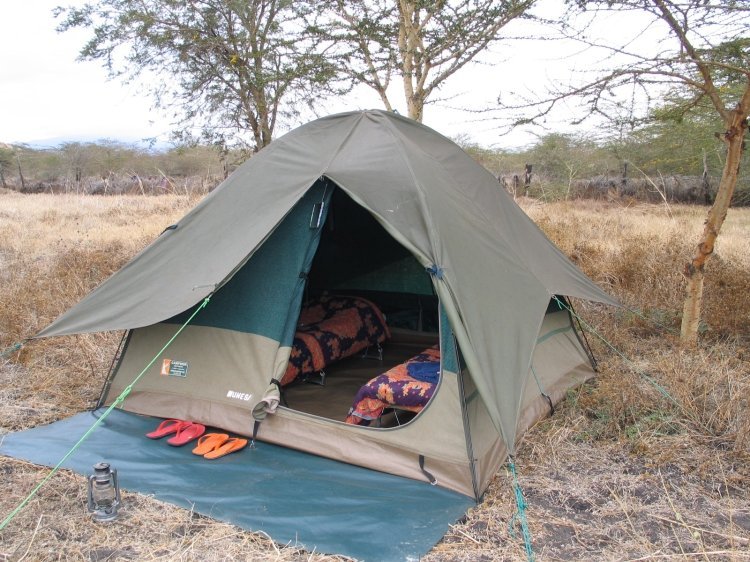
- Budget Camping: Basic but often offers a more adventurous feel. Shared facilities.
- Mid-Range Lodges/Tented Camps: Comfortable amenities, private bathrooms, good food, and often swimming pools. A popular choice for most travelers.
- Luxury Lodges/Tented Camps: High-end facilities, gourmet dining, exceptional service, and prime locations.
- Private Safaris: Offers maximum flexibility in terms of itinerary, pace, and game drives. You’ll have a dedicated vehicle and guide.
- Group Safaris: More budget-friendly, traveling with other like-minded individuals. Less itinerary flexibility.
For a Kenya Tanzania safari and Kilimanjaro climbing combination, many opt for mid-range or comfortable lodge-based safaris to ensure relaxation after trekking, or to conserve energy before the climb. Private safaris offer the best customization.
Conquering Mount Kilimanjaro: Routes and Considerations
Choosing the right Kilimanjaro route is crucial for success and enjoyment, especially when combining it with a safari. The route affects the climb’s difficulty, acclimatization profile, scenery, and overall experience. For a 2026-2027 climb, booking well in advance is recommended, particularly for popular routes during peak seasons.
Popular Kilimanjaro Routes Explained
Each route has its own characteristics:
- Marangu Route (Coca-Cola Route): The oldest and arguably simplest route. It’s the only route with dormitory-style accommodation (huts) and can be completed in 5 days. It has a lower success rate due to its fast ascent profile and poor acclimatization.
- Machame Route (Whiskey Route): One of the most popular routes, known for its scenic beauty and “climb high, sleep low” acclimatization profile. It takes 6-7 days and has a higher success rate than Marangu.
- Lemosho Route: Considered one of the most beautiful routes, offering excellent acclimatization and stunning panoramic views. It’s a longer route, typically 7-8 days, providing ample time to adjust to the altitude.
- Shira Route: Similar to Lemosho but starts at a higher elevation. It’s often combined with Lemosho or Machame.
- Rongai Route: Approaches Kilimanjaro from the north, making it a drier route, ideal during the rainy seasons. It’s less crowded and offers good acclimatization, typically 6-7 days.
- Northern Circuit: The longest and most expensive route, offering the best acclimatization and highest success rates. It circumnavigates the mountain and takes 9-10 days.
- Umbwe Route: The shortest and most direct route, making it the steepest and most challenging. It requires excellent fitness and acclimatization is difficult, hence it’s not recommended for most trekkers.
Comparing Kilimanjaro Routes for Combination Treks
When planning your Kenya Tanzania safari and Kilimanjaro climbing combination, consider these factors for route selection:
- Duration: If your safari is lengthy, you might prefer a shorter Kilimanjaro route (6 days). However, for higher success rates and a better experience, longer routes (7+ days) are strongly recommended. The 7-day Machame or 7-day Lemosho are excellent compromises.
- Acclimatization: Routes like Lemosho, Shira, and the Northern Circuit offer superior acclimatization profiles due to their longer duration and “climb high, sleep low” strategy. This is crucial for summit success and enjoyment.
- Scenery: Lemosho and Shira are often cited as the most scenic, traversing diverse landscapes and offering incredible views.
- Crowds: Rongai and the Northern Circuit tend to be less crowded than Machame or Lemosho. Marangu, though huts can be busy.
- Cost: Shorter routes like Marangu and Machame (6 days) are generally less expensive than longer, more comprehensive routes like Lemosho or the Northern Circuit.
Recommendation for combination trips: For a balance of success, scenery, and manageable duration, the 7-day Machame or 7-day Lemosho routes are highly recommended for your Kenya Tanzania safari and Kilimanjaro climbing combination in 2026-2027. They offer good acclimatization without excessively extending the trip.
Preparing for Your Kilimanjaro Climb
Physical preparation is non-negotiable for Kilimanjaro. Aim to:
- Cardiovascular Fitness: Engage in regular aerobic activities like hiking, running, cycling, or swimming for at least 3-4 months prior.
- Strength Training: Focus on leg strength (squats, lunges) and core strength.
- Hiking Practice: Undertake long hikes, ideally with elevation gain, carrying a daypack. Practice hiking on consecutive days if possible.
- Mental Fortitude: Prepare for long, challenging days, cold temperatures, and the mental push required to keep going.
Gear: Proper gear is essential. This includes layering clothing, waterproof outerwear, sturdy hiking boots, a warm sleeping bag, a headlamp, and trekking poles. Your tour operator will provide a detailed gear list.
Understanding and Managing Altitude Sickness (AMS)
Acute Mountain Sickness (AMS) is the most significant risk on Kilimanjaro. It’s caused by ascending too quickly and the body not adjusting to lower oxygen levels. Symptoms include headache, nausea, dizziness, and fatigue. The best prevention is:
- Slow Ascent: Choose a longer route (7+ days).
- Hydration: Drink plenty of water (3-4 liters per day).
- Pacing: Walk slowly (“pole pole” – slowly, slowly in Swahili).
- Avoid Alcohol and Smoking: These can exacerbate AMS symptoms.
- Medication: Diamox (acetazolamide) can be prescribed by your doctor to aid acclimatization. Discuss this with your physician.
Your guides are trained to monitor for AMS and will make decisions regarding your safety, including descending if necessary. Never ignore symptoms.
Logistics and Timing for Your Combined Trip
Coordinating a safari and a mountain climb requires careful consideration of the best travel times, trip duration, and how you’ll move between locations. Planning for 2026-2027 means looking at these elements now.
Best Time to Go: Balancing Safari and Climb
The ideal time to combine a Kenya Tanzania safari and Kilimanjaro climb depends on your priorities:
- Dry Seasons (June to October, January to February): These are generally considered the best months for both activities.
- June-October: Excellent for safari, especially for witnessing the Great Migration river crossings in the Maasai Mara/northern Serengeti. Kilimanjaro has clear skies, though it can be cold. This is peak season for both.
- January-February: Good for safari, particularly in the southern Serengeti for calving season. Kilimanjaro is also in a dry period, though can be hotter at lower altitudes.
- Shoulder Seasons (March-May, November-December): These are the rainy seasons. While safaris can be good with fewer crowds and lush landscapes, Kilimanjaro’s trails can be muddy and slippery, and summit success rates may be lower due to visibility and weather. However, prices might be lower.
For 2026-2027: If seeing the migration river crossings is key, aim for July-October. If you prefer fewer crowds and potentially lower prices, consider late January/February or perhaps early June. Always check with your operator for the most up-to-date conditions.
Determining Your Ideal Trip Duration
A combined trip requires a minimum of 10-14 days, but 14-21 days is more comfortable and allows for a richer experience:
- Kilimanjaro Climb: 6-9 days (depending on route).
- Safari: 3-7 days (depending on parks visited and pace).
- Travel Days: Add 2-3 days for international travel and buffer time between activities.
A 7-day climb plus a 5-day safari, plus travel, easily fills 14-16 days. For a more relaxed pace or to explore more parks, plan for 18-21 days.
Travel Between Safari and Kilimanjaro
The most common logistical flow is:
- Arrive in Nairobi (Kenya) or Kilimanjaro International Airport (JRO, Tanzania).
- Safari in Kenya: If starting in Nairobi, you might do a Kenyan safari (e.g., Maasai Mara) then fly to Arusha or Kilimanjaro International Airport (JRO) in Tanzania.
- Safari in Tanzania: If starting in Tanzania or flying in, you could explore the Northern Circuit parks (Serengeti, Ngorongoro, Tarangire) based out of Arusha.
- Transfer to Moshi: The town closest to Kilimanjaro for pre-climb briefings and preparation.
- Kilimanjaro Climb: Depart from Moshi for your trek.
- Post-Climb: Return to Moshi for rest and then depart from JRO, or transfer to Arusha for onward travel or Zanzibar.
Internal Travel:
- Flights: Small bush planes are common for safari transfers (e.g., Nairobi to Maasai Mara, Arusha to Serengeti).
- Road Transfers: Safaris involve long drives in 4×4 vehicles. Transfers between cities/towns are usually done by private vehicle or shuttle bus.
A reputable operator will manage all these transfers and flights for your Kenya Tanzania safari and Kilimanjaro climbing combination.
Visa and Health Requirements for 2026-2027 Travel
Visas:
- Kenya: Most nationalities require an e-visa, applied for in advance.
- Tanzania: Visas can often be obtained on arrival for many nationalities, or applied for online in advance. Check current regulations.
- East Africa Tourist Visa: Some nationalities may be eligible for a joint visa covering Kenya, Uganda, and Rwanda, but it’s essential to verify if it includes Tanzania and if it’s suitable for your specific itinerary.
Health:
- Yellow Fever: Vaccination is often required, especially if arriving from or transiting through a country with a risk of yellow fever. Carry your vaccination certificate.
- Malaria: Tanzania and Kenya are malaria-endemic areas. Consult your doctor about appropriate antimalarial medication.
- Other Vaccinations: Recommended vaccinations may include Hepatitis A, Typhoid, and Tetanus. Always consult a travel clinic or your doctor at least 4-6 weeks before travel.
- Travel Insurance: Comprehensive travel insurance is mandatory for Kilimanjaro climbs. It must cover high-altitude trekking, emergency medical expenses, and emergency evacuation (helicopter rescue).
For 2026-2027 travel, it’s crucial to check the latest visa and health advisories closer to your departure date, as regulations can change.
Sample Itinerary Structures
Here are two common structures for a Kenya Tanzania safari and Kilimanjaro climbing combination. These are flexible and can be customized extensively.
Option 1: Safari First, Then Climb (Approx. 14-16 Days)
This structure allows you to enjoy the wildlife and landscapes before the physical exertion of the climb.
Days 1-2: Arrival & Nairobi/Arusha
Arrive at Jomo Kenyatta International Airport (NBO) in Nairobi or Kilimanjaro International Airport (JRO). Transfer to your hotel. If starting in Nairobi, you might spend a day exploring the city or nearby attractions.
Days 3-6: Kenyan Safari (e.g., Maasai Mara)
Fly or drive to the Maasai Mara. Enjoy game drives, seeking out the Big Five and the migration (seasonal). Stay in a lodge or tented camp.
Day 7: Travel to Tanzania/Moshi
Fly from the Maasai Mara airstrip to Arusha or JRO. Transfer to Moshi, the base town for Kilimanjaro. Meet your climbing team for a pre-climb briefing.
Days 8-14: Kilimanjaro Climb (e.g., 7-Day Machame Route)
Begin your ascent. This typically involves 7 days of trekking through diverse ecological zones to Uhuru Peak and descending back to the Mweka Gate.
Day 15: Post-Climb Relaxation & Departure
Rest in Moshi. You might opt for a day trip or cultural tour. Transfer to JRO for your flight home, or to Arusha for further travel (e.g., Zanzibar).
Option 2: Climb First, Then Safari (Approx. 14-16 Days)
This is for those whose primary goal is the climb, followed by a well-deserved, relaxing safari.
Day 1: Arrival in Kilimanjaro (JRO)
Arrive at JRO, transfer to Moshi. Pre-climb briefing and gear check.
Days 2-8: Kilimanjaro Climb (e.g., 7-Day Lemosho Route)
start your chosen Kilimanjaro route. This 7-day trek offers excellent acclimatization and stunning scenery.
Day 9: Post-Climb Relaxation & Transfer to Arusha
Descend from Kilimanjaro, return to Moshi. Celebrate your achievement. Transfer to Arusha, the safari hub.
Days 10-14: Tanzanian Safari (e.g., Northern Circuit)
Explore Tarangire National Park, Lake Manyara, and the Ngorongoro Crater. Continue to the Serengeti for extensive game drives. Stay in lodges or tented camps.
Day 15: Final Game Drive & Departure
Enjoy a final morning game drive, then transfer to Arusha Airport or JRO for your onward flight home or to Zanzibar.
Customizing Your Itinerary
These are just frameworks. You can:
- Extend Safari: Add more days to explore additional parks in Kenya or Tanzania, or visit Zanzibar for beach relaxation after your climb.
- Add Activities: Include cultural tours, hot air balloon safaris, or day trips to waterfalls.
- Choose Different Routes: Opt for a 9-day Northern Circuit for higher success rates on Kilimanjaro, or a shorter 6-day Machame if time is tight.
- Combine Parks: Mix and match parks based on your interests – perhaps Amboseli for Kilimanjaro views, Samburu for unique wildlife, and the Maasai Mara for migration.
The most effective way to build your perfect Kenya Tanzania safari and Kilimanjaro climbing combination for 2026-2027 is to work with an experienced tour operator who can tailor it precisely to your desires and constraints.
Budgeting for Your Combined Kenya Tanzania Safari and Kilimanjaro Climb
A combined Kenya Tanzania safari and Kilimanjaro climbing combination is a significant investment, and costs can vary widely. It’s essential to understand the factors influencing the price for your 2026-2027 adventure.
Safari Cost Factors
The price of your safari component depends on:
- Duration: More days mean higher costs.
- Parks Visited: Some parks have higher entrance fees (e.g., Ngorongoro Crater).
- Accommodation Style: Luxury lodges are significantly more expensive than budget camping.
- Vehicle Type: Private 4×4 vehicles with pop-up roofs are standard and priced accordingly.
- Group Size: Private safaris are more expensive per person than shared group tours.
- Inclusions: Meals, park fees, guide services, and internal flights all contribute.
Typical Safari Cost Range (per person, per day):
- Budget Camping: $200 – $350 USD
- Mid-Range Lodges/Tented Camps: $350 – $600 USD
- Luxury Lodges/Tented Camps: $600 – $1000+ USD
These are indicative and can vary based on the operator and specific package.
Kilimanjaro Climb Cost Factors
The cost of climbing Kilimanjaro is largely dictated by:
- Route Duration: Longer routes are more expensive due to more days of guide, porter, and cook fees, plus park fees.
- Operator Type: Local operators often offer more competitive pricing than international ones, but ensure they are reputable and ethical.
- Inclusions: Standard inclusions are park fees, camping/hut fees, guide and porter salaries, food, purified water, rescue fees, and often a pre-climb briefing and basic gear.
- Group Size: Private climbs are more expensive than joining a group trek.
- Gear Rental: Some operators include basic gear, others charge extra.
- Tips: Tipping the mountain crew is customary and a significant part of the cost.
Typical Kilimanjaro Climb Cost Range (per person, for a 7-day trek):
- Budget Operators: $1,400 – $1,800 USD
- Mid-Range/Reputable Local Operators: $1,800 – $2,800 USD
- High-End/International Operators: $2,800 – $4,000+ USD
Note: Extremely low prices can sometimes indicate compromises on safety, crew welfare, or equipment quality. Always scrutinize very cheap offers.
Overall Budget Considerations for 2026-2027
When combining these, remember to budget for:
- International Flights: These are a major component. Book in advance for 2026-2027 to secure better fares.
- Internal Flights/Transfers: Bush flights and road transfers between locations.
- Visas: Cost varies by nationality.
- Travel Insurance: Essential for high-altitude trekking.
- Vaccinations & Medications.
- Tips: For safari guides and mountain crew. This can add 10-15% to the trip cost.
- Personal Expenses: Souvenirs, drinks, extra snacks, etc.
- Pre- and Post-Trek Accommodation: If needed beyond the itinerary.
A comfortable 14-day Kenya Tanzania safari and Kilimanjaro climbing combination for 2026-2027, using mid-range services, might range from $4,000 to $7,000 USD per person, excluding international flights. Luxury options would be higher.
Booking Your Kenya Tanzania Safari and Kilimanjaro Combination
Securing your Kenya Tanzania safari and Kilimanjaro climbing combination for 2026-2027 requires careful selection of a tour operator. Given the complexity of combining these two distinct adventures, partnering with a company that has proven expertise in both is vital for a smooth and successful trip.
When you choose an operator like Climb 4 Africa, you benefit from:
- Local Expertise: Deep knowledge of Kilimanjaro’s routes, mountain crew, and safety protocols, alongside extensive experience with Kenya and Tanzania’s prime safari destinations.
- smooth Logistics: They handle all the intricate details, from park permits and accommodation bookings to flight arrangements and ground transfers, ensuring a cohesive journey.
- Tailor-Made Itineraries: They can craft a custom trip that perfectly matches your interests, budget, and timeframe, whether you want more safari days, a specific Kilimanjaro route, or a particular pace.
- Safety Focus: A strong emphasis on safety for Kilimanjaro climbs, including well-trained guides, comprehensive medical kits, and emergency evacuation plans.
- Ethical Operations: Commitment to fair treatment and good working conditions for mountain crews and safari guides.
To start planning your unforgettable 2026-2027 adventure:
Reach out to the experts at Climb 4 Africa. Provide them with your preferred travel dates, desired duration, rough budget, and any specific interests (e.g., Great Migration, specific wildlife, Kilimanjaro route preference). They will work with you to design an itinerary that maximizes your experience and ensures a safe, rewarding journey.
You can contact them directly via:
- WhatsApp: +255 747 477 898
- Email: climb4africa@gmail.com
Their team is ready to help you build the ultimate Kenya Tanzania safari and Kilimanjaro climbing combination, turning your African dream into a reality.
“,
“faq_schema”: [
{
“question”: “What is the best time of year for a Kenya Tanzania safari and Kilimanjaro climb combination in 2026-2027?”,
“answer”: “The best time generally aligns with the dry seasons: June to October and January to February. June-October is ideal for witnessing the Great Migration river crossings and offers clear skies for Kilimanjaro, though it’s peak season. January-February is also good for safari (calving season) and climbing, with potentially fewer crowds than the mid-year peak.”
},
{
“question”: “How long does a combined Kenya Tanzania safari and Kilimanjaro climb trip typically take?”,
“answer”: “A combined trip usually requires at least 10-14 days, but 14-21 days is recommended for a more comfortable and comprehensive experience. This allows for 6-9 days for the Kilimanjaro climb and 3-7 days for the safari, plus essential travel and buffer days.”
},
{
“question”: “Which Kilimanjaro route is best for a combined safari and climb?”,
“answer”: “For a good balance of acclimatization, scenery, and success rates, the 7-day Machame or 7-day Lemosho routes are highly recommended. They offer better acclimatization than shorter routes and are manageable within a combined itinerary without being overly strenuous.”
},
{
“question”: “What are the main costs involved in a Kenya Tanzania safari and Kilimanjaro climb combination?”,
“answer”: “Costs include international flights, safari package (lodging, park fees, guide, vehicle), Kilimanjaro climb package (park fees, guides, porters, food, accommodation), internal flights/transfers, visas, travel insurance (mandatory for Kilimanjaro), vaccinations, and tips for guides and crew. A mid-range 14-day trip might cost between $4,000-$7,000 USD per person, excluding international flights.”
},
{
“question”: “Do I need specific visas for both Kenya and Tanzania?”,
“answer”: “Yes, typically you will need separate visas for Kenya and Tanzania. Most nationalities can apply for e-visas online in advance for Kenya, and visas for Tanzania can often be obtained on arrival or applied for online. It’s crucial to check the latest visa requirements for your nationality well before your 2026-2027 travel dates.”
},
{
“question”: “What is the best way to book a combined Kenya Tanzania safari and Kilimanjaro climb?”,
“answer”: “Booking with an experienced, local tour operator like Climb 4 Africa is highly recommended. They specialize in handling the complex logistics of combining safaris and Kilimanjaro climbs, ensuring smooth transitions, safety, and a well-tailored itinerary. Contact them via WhatsApp +255 747 477 898 or email climb4africa@gmail.com.”
}
]
}
“`
Check Availability for Kenya Tanzania Safari And Kilimanjaro Climbing Combination 2026-2027
Ready to compare dates, prices, and the best option for your group? Send the package name and travel month so the team can reply with a clear quote, availability, and what is included.
Afcon Tanzania Football Kilimanjaro And Safari Tour
AFCON 2027 Tanzania Football Kilimanjaro and Safari Tour.
View package detailsAfcon Kilimanjaro Safari And Zanzibar Package: Expert Planning Guide
A comprehensive guide to coordinating your AFCON 2027 travel, including Kilimanjaro trekking, Northern Circuit safaris, and Zanzibar relaxation, with expert logistical advice.
View package detailsI Land At Kilimanjaro Airport—Can I Join A Safari The Next Day? ( Planning
A practical guide to the logistics of starting your Tanzania safari immediately after landing at Kilimanjaro International Airport, including arrival times, visa tips, and itinerary...
View package detailsCan I Join A Safari Group Directly From Kilimanjaro Airport? Logistical Guide
A practical guide to coordinating your arrival at Kilimanjaro International Airport (JRO) with a scheduled group safari, including logistical requirements and booking tips.
View package details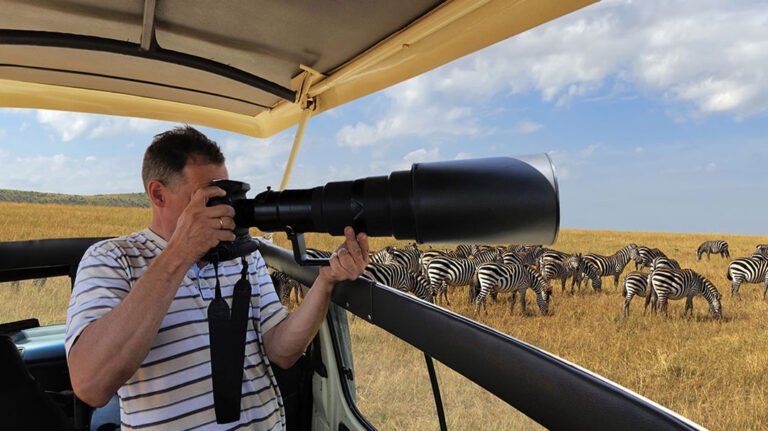
Kilimanjaro Safari And Afcon Final Package
Kilimanjaro Safari and AFCON Final Package.
View package detailsAFCON 2027 Safari from Kilimanjaro Airport
Mwongozo wa kina wa AFCON 2027 Safari starting from Kilimanjaro Airport, ukiruhusu kupanga ratiba, usafiri, mapumziko ya kambi, na maeneo ya kuzunguka ili kuonyesha wanyama na mandhari ya...
View package details
Kilimanjaro to Nairobi AFCON Travel Package
Mpango wa safari wa Kilimanjaro hadi Nairobi kwa AFCON unaowezesha kushuhudia milima na miji miwili mikubwa ya Afrika pamoja na mechi za AFCON kwa njia salama na ya kipekee.
View package details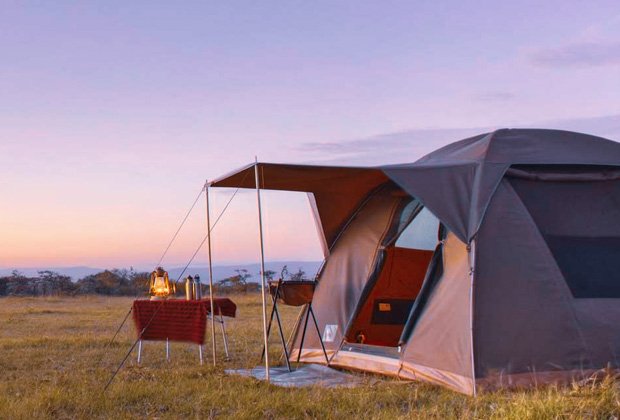
AFCON 2027 Safari from Moshi: Safari ya Afrika Mashariki kwa Mashabiki wa Soka
Safari ya kipekee ya AFCON 2027 inayochukua mji wa Moshi kuwa kituo cha kuanzia kwa mbuga ya wanyamapori na milima ya Kilimanjaro, ikijumuisha uhifadhi wa ndani na mwongozo wa kiusimamizi...
View package details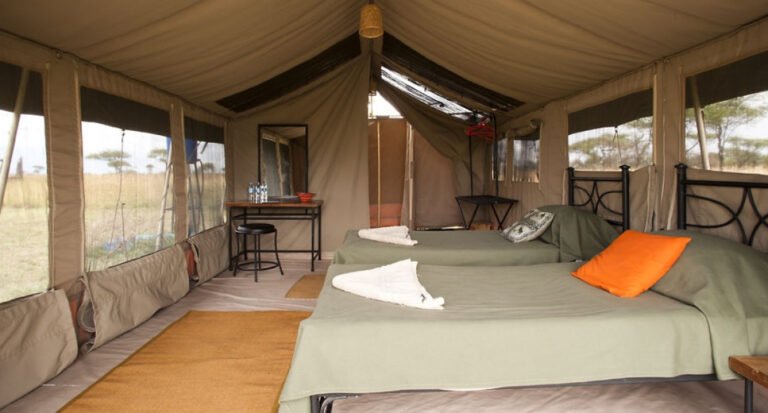
Afcon Kilimanjaro Ngorongoro And Zanzibar Holiday
AFCON 2027 Kilimanjaro Ngorongoro and Zanzibar Holiday.
View package details
Afcon Mount Kilimanjaro And Serengeti Package
AFCON 2027 Mount Kilimanjaro and Serengeti Package.
View package details
AFCON 2027 Safari Packages from Tanzania
Hitaji la safari ya kundoka ili kufurahia AFCON 2027? Chagua kutoka kwa mikakati ya safari nchini Tanzania inayoambatana na wildlife, mbuga maarufu, na uwekaji wa huduma ya kimataifa ya...
View package detailsNo related package matches those filters. Clear one or more filters to see the other topic-matched options.