The ideal Kenya and Tanzania Great Migration safari itinerary for 2026-2027 focuses on following the vast herds of wildebeest and zebras as they traverse the Serengeti and Maasai Mara ecosystems, with key viewing periods concentrated around river crossings in July-October and calving seasons in January-March, often spanning 7-14 days and combining iconic parks like the Serengeti, Maasai Mara, Ngorongoro Crater, and Tarangire.
Understanding the Great Migration Cycle
The Great Migration is not a single event but a continuous, year-round movement of over 1.5 million wildebeest, zebras, and gazelles, driven by the primal need for fresh grazing and water. This spectacular natural phenomenon is the pulse of the Serengeti-Maasai Mara ecosystem. Understanding its cyclical nature is paramount to crafting a successful Kenya and Tanzania Great Migration safari itinerary.
At its core, the migration is dictated by rainfall patterns. The herds follow the rain, which signals the growth of fresh grass. This relentless pursuit shapes their journey across the vast plains.
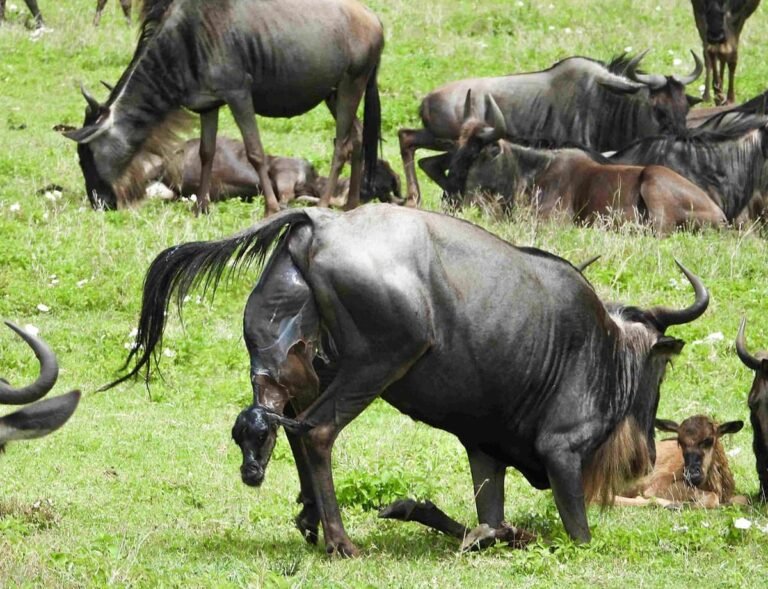
* Calving Season (Late January – March): The migration typically congregates in the southern Serengeti, around the Ndutu area, for the calving season. This is when an estimated 200,000 to 300,000 new wildebeest calves are born each year. The plains become a nursery, teeming with life, but also attracting predators. This period is excellent for predator sightings, as lion prides, cheetahs, and hyenas capitalize on the abundance of vulnerable young.
* Wildebeest Move North (April – May): As the southern Serengeti dries out, the herds begin their journey northward. This is often referred to as the ‘long rains’ period, and the migration can become somewhat dispersed across the central and western Serengeti. While spectacular, tracking them can be more challenging due to the lush vegetation and scattered herds.
* Western Corridor and Grumeti River (June): The herds converge in the western Serengeti, moving towards the Grumeti River. This is one of the first major river crossings of the year. While the Grumeti River crossings can be dramatic, they are often less predictable and the river is smaller than the Mara. However, the concentration of animals here is still impressive, and large crocodiles are often present, adding to the drama.
* The Mara River Crossings (July – October): This is the most iconic phase of the Great Migration and what many travelers envision. The herds cross the Mara River, which forms part of the border between the Serengeti National Park (Tanzania) and the Maasai Mara National Reserve (Kenya). These crossings are perilous, with powerful currents, steep banks, and hungry crocodiles waiting. The sheer volume of animals attempting to cross, the roars, the dust, and the predator action make this an unparalleled spectacle. The migration will spend several months in the Maasai Mara, grazing and moving around the reserve, before beginning to head south again.
* Return South (November – December): The herds begin their journey southwards, often following the rains back into the Serengeti, perhaps through the Loliondo Game Controlled Area and into the central or eastern Serengeti, before eventually reaching the southern plains for the next calving season. This period can also offer excellent game viewing, as the animals are on the move.
Understanding these phases allows you to tailor your Kenya and Tanzania Great Migration safari itinerary to witness the specific events you are most interested in, whether it’s the drama of river crossings or the abundance of newborns.
Planning Your Safari Timing: When to Go for the Best Viewing
Choosing the right time for your Kenya and Tanzania Great Migration safari itinerary is the single most critical factor for maximizing your chances of witnessing this extraordinary event. While wildlife is present year-round, the migration’s location dictates the best viewing opportunities.
Here’s a breakdown by month, keeping in mind that nature is not perfectly predictable, and the exact timing can shift slightly each year:
* January – March: Calving Season in the South
* Where: Southern Serengeti National Park and the Ngorongoro Conservation Area (especially Ndutu).
* What to Expect: A phenomenal number of newborn wildebeest and zebras. Excellent predator action as lions, cheetahs, and hyenas hunt the vulnerable young. The landscape is often green and beautiful after the short rains.
* Pros: Incredible photography opportunities, high predator activity, lush scenery.
* Cons: The herds can be somewhat spread out over a large area in the south. River crossings are not a feature during this time.
* April – May: The Move North (Long Rains)
* Where: Central and Western Serengeti.
* What to Expect: The herds are on the move northwards. While they can be dispersed, this is a period of transition. The landscape is incredibly green and vibrant. However, this is also the peak of the ‘long rains’, meaning game drives can be challenging due to muddy roads.
* Pros: Fewer tourists, lush scenery.
* Cons: Potential for rain impacting game drives, herds can be scattered, no significant river crossings.
* June: Western Corridor & Grumeti River
* Where: Western Serengeti.
* What to Expect: The herds are generally concentrated in the western corridor, preparing to cross the Grumeti River. While not as famous as the Mara River, these crossings can still be dramatic and offer excellent viewing of crocodiles.
* Pros: Good chance of Grumeti River crossings, fewer crowds than peak season.
* Cons: The Grumeti is a smaller river, so crossings can be less consistently spectacular than the Mara.
* July – October: Mara River Crossings (Peak Season)
* Where: Northern Serengeti (Tanzania) and Maasai Mara National Reserve (Kenya).
* What to Expect: This is the prime time for witnessing the dramatic Mara River crossings. The herds are concentrated, and the action is intense. The Maasai Mara is at its best for game viewing, with abundant resident wildlife as well.
* Pros: Highest chance of witnessing epic river crossings, excellent general game viewing in both parks, dry weather.
* Cons: Peak tourist season, higher prices, requires booking well in advance.
* November – December: Return South
* Where: Eastern and Central Serengeti, potentially moving towards the south.
* What to Expect: The herds begin their journey back towards the southern plains. This can be a period of excellent game viewing as the animals move through different areas of the Serengeti.
* Pros: Fewer crowds than peak season, good game viewing as herds move.
* Cons: Timing can be variable, not focused on a specific dramatic event like river crossings.
For 2026 and 2027, the general patterns are expected to hold. If witnessing the Mara River crossings is your absolute priority, aim for July through October. If seeing the calving season and predator action is more appealing, target January to March.
Essential Parks for the Great Migration
A successful Kenya and Tanzania Great Migration safari itinerary hinges on visiting the right parks at the right time. The migration’s movement links these iconic ecosystems, offering different experiences throughout the year.
Serengeti National Park, Tanzania
Often called “The Endless Plains,” the Serengeti is the heart of the Great Migration. Its sheer size means the migration can be in different parts of the park at different times of the year.
* Southern Serengeti (Ndutu): Crucial for the calving season (Jan-Mar). Expect vast, open plains ideal for spotting large herds and predators. The landscape is usually green and picturesque during this time.
* Central Serengeti (Seronera): Offers excellent game viewing year-round, as resident wildlife is abundant. It’s often a stopover point for the migrating herds and can provide good sightings of predators, especially lions and leopards, even outside peak migration months.
* Western Corridor (Grumeti): Key for the June/July period when the herds may cross the Grumeti River. This area has denser riverine forests and is known for its large crocodiles.
* Northern Serengeti: The staging ground for the dramatic Mara River crossings (July-Oct). This region borders Kenya and is where the migration often enters or exits the Maasai Mara.
Why it’s essential: It’s the primary stage for the migration’s annual cycle, offering diverse habitats and wildlife viewing opportunities throughout the year.
Maasai Mara National Reserve, Kenya
Bordering the Serengeti, the Maasai Mara is the northern extension of this vast ecosystem and is world-renowned for the dramatic Mara River crossings.
* When to Visit for Migration: Primarily from July to October, when the herds are typically in the Mara, crossing the Mara River. The reserve is home to abundant resident wildlife, making it a fantastic safari destination even when the migration is not at its peak.
* Key Features: Famous for its large populations of lions, leopards, cheetahs, and elephants. The open savannah dotted with acacia trees offers classic safari scenery. The Mara River itself is a dramatic centerpiece.
Why it’s essential: It offers the most dramatic and predictable river crossing spectacles, drawing millions of visitors annually.
Ngorongoro Conservation Area, Tanzania
While not directly on the main migration route year-round, the Ngorongoro Conservation Area, particularly the Ndutu region, is a critical part of the migration cycle during the calving season.
* When to Visit for Migration: January to March, when the migration herds gather in the nutrient-rich grasslands of Ndutu for calving. The Ngorongoro Crater itself is a caldera teeming with wildlife, including the Big Five, and offers spectacular viewing regardless of the migration’s status.
* Key Features: The Ngorongoro Crater is a UNESCO World Heritage Site and one of the most concentrated wildlife areas on Earth. It’s a unique ecosystem within the larger conservation area.
Why it’s essential: It’s the nursery of the migration and offers the incredible bonus of the dense wildlife within the Ngorongoro Crater.
Tarangire National Park, Tanzania
Tarangire is often included in Tanzania-based itineraries, especially during the dry season (July-October), when it becomes a haven for wildlife, including elephants.
* When to Visit for Migration: While not a primary migration crossing point, Tarangire can be excellent from July to October as animals, including some migrating herds and large elephant populations, congregate around the Tarangire River and its swamps.
* Key Features: Famous for its huge elephant herds and ancient baobab trees. It offers a different landscape and a more intimate safari experience compared to the vast plains of the Serengeti.
Why it’s essential: It provides a diverse safari experience, especially during the dry season, and complements the Serengeti experience, offering a chance to see large elephant herds and unique tree-climbing pythons.
Sample Kenya and Tanzania Great Migration Safari Itineraries
Crafting the perfect Kenya and Tanzania Great Migration safari itinerary depends on your interests, budget, and the time of year you plan to travel. Here are a few sample itineraries, designed to maximize your chances of witnessing the migration’s incredible spectacle. These are starting points; your itinerary can be customized to your specific needs.
Itinerary 1: Classic Migration River Crossings (July-October) – 10 Days
This itinerary is designed for those who prioritize witnessing the dramatic Mara River crossings, the most iconic phase of the Great Migration.
* Day 1: Arrival in Nairobi, Kenya
* Arrive at Jomo Kenyatta International Airport (NBO). Transfer to your hotel.
* Accommodation: Nairobi hotel.
* Day 2: Nairobi to Maasai Mara National Reserve
* Morning flight from Nairobi Wilson Airport to the Maasai Mara.
* Transfer to your camp/lodge. Afternoon game drive.
* Accommodation: Maasai Mara tented camp or lodge.
* Day 3-5: Maasai Mara National Reserve
* Three full days dedicated to exploring the Maasai Mara. Focus on areas near the Mara River for potential crossings. Game drives will be timed to maximize wildlife viewing, including predator activity and, of course, the wildebeest and zebra herds.
* Optional: Hot air balloon safari at sunrise (additional cost).
* Accommodation: Maasai Mara tented camp or lodge.
* Day 6: Maasai Mara to Serengeti National Park (Northern Sector)
* After a morning game drive, transfer to the airstrip for your flight to the Kogatende airstrip in the Northern Serengeti, Tanzania.
* Transfer to your lodge/camp. Afternoon game drive.
* Accommodation: Northern Serengeti lodge or tented camp.
* Day 7-8: Northern Serengeti National Park
* Two full days exploring the Northern Serengeti. This region is prime for witnessing the Mara River crossings if the herds are in the area. Your guide will track the herds and look for crossing opportunities.
* Accommodation: Northern Serengeti lodge or tented camp.
* Day 9: Serengeti to Arusha
* Morning game drive in the Serengeti, followed by a flight from Kogatende to Kilimanjaro International Airport (JRO) or Arusha Airport (ARK).
* Transfer to your hotel in Arusha.
* Accommodation: Arusha hotel.
* Day 10: Departure
* Transfer to JRO for your international flight home, or continue to your next destination.
Best suited for: Travelers prioritizing the dramatic Mara River crossings and willing to travel during the peak season.
Itinerary 2: Calving Season and Central Serengeti (January-March) – 9 Days
This itinerary focuses on the abundance of new life and predator action during the calving season in the southern Serengeti, combined with the excellent resident wildlife of the central Serengeti.
* Day 1: Arrival in Kilimanjaro (JRO) / Arusha
* Arrive at Kilimanjaro International Airport (JRO). Transfer to your hotel in Arusha.
* Accommodation: Arusha hotel.
* Day 2: Arusha to Southern Serengeti / Ndutu Area
* Fly from Arusha Airport (ARK) to an airstrip in the Southern Serengeti/Ndutu area (e.g., Ndutu Airstrip).
* Transfer to your lodge or tented camp. Afternoon game drive.
* Accommodation: Southern Serengeti/Ndutu lodge or tented camp.
* Day 3-5: Southern Serengeti / Ndutu Area
* Three full days exploring the vast plains of the southern Serengeti and Ndutu. This is the heart of the calving season. You’ll witness huge herds of wildebeest and zebras, with countless newborns. Predator sightings are often exceptional during this time, with lions, cheetahs, and hyenas actively hunting.
* Accommodation: Southern Serengeti/Ndutu lodge or tented camp.
* Day 6: Southern Serengeti to Central Serengeti
* After a morning game drive, drive or fly to the Central Serengeti (Seronera area). The drive itself offers game viewing opportunities as you move through different habitats.
* Check into your lodge/camp. Afternoon game drive in the Seronera Valley.
* Accommodation: Central Serengeti lodge or tented camp.
* Day 7-8: Central Serengeti National Park
* Two full days exploring the diverse landscapes of the Central Serengeti. Seronera is known for its resident wildlife, including large prides of lions, leopards, cheetahs, and elephants. While the main migration herds might be further south, there are still significant numbers of animals present, and you’ll experience excellent general game viewing.
* Accommodation: Central Serengeti lodge or tented camp.
* Day 9: Departure
* Enjoy a final morning game drive in the Serengeti, followed by a flight from Seronera Airstrip to Kilimanjaro International Airport (JRO) or Arusha Airport (ARK) for your onward journey.
Best suited for: Travelers interested in the calving season, predator action, and excellent general game viewing, avoiding the peak season crowds.
Itinerary 3: Comprehensive Kenya & Tanzania Migration Experience (14 Days)
This extended itinerary offers a deep look at both the Kenyan and Tanzanian sides of the migration, covering multiple key areas and maximizing your chances of seeing the phenomenon from start to finish.
* Day 1: Arrival in Nairobi, Kenya
* Arrive at Jomo Kenyatta International Airport (NBO). Transfer to your hotel.
* Accommodation: Nairobi hotel.
* Day 2: Nairobi to Maasai Mara National Reserve
* Fly from Nairobi Wilson Airport to the Maasai Mara. Transfer to your camp/lodge. Afternoon game drive.
* Accommodation: Maasai Mara tented camp or lodge.
* Day 3-4: Maasai Mara National Reserve
* Two full days exploring the Maasai Mara, focusing on areas known for river crossings or general herd concentrations.
* Accommodation: Maasai Mara tented camp or lodge.
* Day 5: Maasai Mara to Northern Serengeti
* Morning game drive. Fly from Maasai Mara to Kogatende Airstrip in the Northern Serengeti.
* Transfer to your lodge/camp. Afternoon game drive.
* Accommodation: Northern Serengeti lodge or tented camp.
* Day 6-7: Northern Serengeti National Park
* Two full days in the Northern Serengeti, seeking out Mara River crossings and following the herds.
* Accommodation: Northern Serengeti lodge or tented camp.
* Day 8: Northern Serengeti to Central Serengeti
* Morning game drive. Fly from Kogatende to Seronera Airstrip in the Central Serengeti.
* Transfer to your lodge/camp. Afternoon game drive in the Seronera Valley.
* Accommodation: Central Serengeti lodge or tented camp.
* Day 9-10: Central Serengeti National Park
* Two full days exploring the rich wildlife of the Central Serengeti. Excellent for predator sightings and diverse landscapes.
* Accommodation: Central Serengeti lodge or tented camp.
* Day 11: Central Serengeti to Southern Serengeti / Ndutu Area
* Drive or fly from Central Serengeti to the Southern Serengeti/Ndutu area. Depending on the time of year, this might be to catch the tail end of the calving season or to position for the northward movement.
* Check into your lodge/camp. Afternoon game drive.
* Accommodation: Southern Serengeti/Ndutu lodge or tented camp.
* Day 12-13: Southern Serengeti / Ndutu Area
* Two full days exploring the southern plains, focusing on calving (if applicable) or the initial stages of the northward movement.
* Accommodation: Southern Serengeti/Ndutu lodge or tented camp.
* Day 14: Departure
* Enjoy a final morning game drive. Fly from Ndutu Airstrip (or similar) to Kilimanjaro International Airport (JRO) or Arusha Airport (ARK) for your international flight home.
Best suited for: Travelers seeking the most in-depth experience, covering multiple key migration areas across both countries and experiencing different phases of the migration cycle.
Important Note on Itineraries: These are illustrative. A Kenya and Tanzania Great Migration safari itinerary is highly dynamic. Your specific route and park choices will be refined based on the most current migration reports closer to your travel dates for 2026 or 2027. This is where working with an experienced local operator is invaluable.
Choosing Your Safari Style: Lodges vs. Tented Camps vs. Camping
Your choice of accommodation significantly impacts your Kenya and Tanzania Great Migration safari itinerary experience, influencing comfort, immersion, and budget. Understanding the differences is key to selecting what’s right for you.
Luxury Lodges
* Description: Permanent structures, often with solid walls, offering amenities akin to a high-end hotel. They typically feature en-suite bathrooms, comfortable beds, lounges, swimming pools, and fine dining. Many are situated in prime locations with stunning views.
* **Pros:** Maximum comfort, excellent service, privacy, convenient facilities, often in impressive settings.
* **Cons:** Can be the most expensive option, less of an “in-the-wild” feel compared to tents, fixed locations limit mobility during game drives.
* Best for: Travelers seeking ultimate comfort, relaxation, and a pampered experience, honeymooners, or those with mobility concerns.
Tented Camps and Safari Lodges (Mid-Range to Luxury)
* Description: These offer a blend of comfort and bush immersion. Tents are typically large, canvas structures on permanent bases, featuring proper beds, en-suite bathrooms (often with flushing toilets and hot showers), and private verandas. They provide a closer connection to the natural environment while maintaining a good level of comfort.
* **Pros:** Excellent balance of comfort and bush experience, often located in more remote or exclusive areas, great atmosphere, good service.
* **Cons:** Can still be pricey, some may have shared bathrooms (though less common in mid-range and up), you’ll hear the sounds of the bush at night (which many find a pro!).
* Best for: Most safari-goers looking for an authentic yet comfortable experience. This is a very popular choice for Great Migration safaris.
Mobile Camping Safaris
* Description: For the truly adventurous. These are often set up specifically for your group in designated campsites within or near national parks. You sleep in comfortable safari tents, but facilities are more basic – often shared pit latrines and bucket showers. Meals are prepared by a camp chef.
* **Pros:** Most in-depth experience, closest to nature, often the most budget-friendly, can access more remote areas.
* **Cons:** Basic facilities, requires a willingness to rough it a bit, less privacy, reliant on camp staff.
* Best for: Budget-conscious travelers, backpackers, those seeking a raw, authentic, and deeply in-depth wilderness experience.
Fly Camping
* Description: Even more basic than mobile camping. Typically involves a simple canvas tent pitched in a remote, often spectacular location, usually for a single night. Facilities are minimal, and it’s about sleeping under the stars with just a canvas barrier between you and the wild.
* **Pros:** Ultimate wilderness immersion, incredibly adventurous, unique overnight experience.
* **Cons:** Very basic, requires a high level of adventurous spirit, weather-dependent.
* Best for: Experienced adventurers looking for a unique, off-the-beaten-path overnight experience, often as an add-on to a standard safari.
Choosing the right accommodation for your Kenya and Tanzania Great Migration safari itinerary will depend on your comfort level and desired level of immersion. For most travelers, a well-appointed tented camp offers the perfect blend of authentic bush experience and comfort.
Logistics and Travel Considerations
Planning a cross-border safari like a Kenya and Tanzania Great Migration safari itinerary involves several logistical considerations to ensure a smooth and enjoyable trip. Attention to these details will prevent common pitfalls.
Visas
* Tanzania: Most nationalities can obtain a visa on arrival at Kilimanjaro International Airport (JRO) or other entry points. Alternatively, you can apply online in advance. Check the latest requirements for your specific nationality.
* Kenya: Most nationalities require an e-visa, which must be applied for and obtained online *before* traveling to Kenya. Do not wait until arrival.
* Recommendation: Always check the official government immigration websites for the most up-to-date visa requirements for both Kenya and Tanzania well in advance of your 2026 or 2027 trip.
Flights
* International Flights: Typically arrive at Jomo Kenyatta International Airport (NBO) in Nairobi, Kenya, or Kilimanjaro International Airport (JRO) in Tanzania. Your itinerary will dictate which is more convenient as a starting point.
* **Internal Flights:** Essential for covering large distances quickly and accessing remote safari areas. For a Kenya and Tanzania Great Migration safari itinerary, you’ll likely use light aircraft flights between parks (e.g., Nairobi to Maasai Mara, Maasai Mara to Serengeti, Serengeti to Arusha/JRO). These flights have strict baggage weight limits (usually 15-20 kg in soft bags).
* Booking: Internal flights are usually arranged by your tour operator as part of your package.
Border Crossing
* Between Kenya and Tanzania: If your itinerary involves crossing the land border between Kenya and Tanzania (e.g., from Maasai Mara to Serengeti), this typically happens at the Isebania/Sirari border post. Your tour operator will arrange transport and assist with the immigration process. Be prepared for potential delays and queues. Flying between the two countries is often more smooth if your itinerary allows.
* Recommendation: Clarify with your tour operator how border crossings are handled. Flying is generally the preferred method for a Kenya and Tanzania Great Migration safari itinerary to save time and hassle.
Health and Vaccinations
* Malaria: Both Kenya and Tanzania are malaria-endemic regions. Consult your doctor or a travel clinic about malaria prophylaxis well in advance of your trip. Taking anti-malarial medication is highly recommended.
* Yellow Fever: A Yellow Fever vaccination certificate may be required, especially if you are arriving from or transiting through a country with a risk of Yellow Fever transmission. Check the latest regulations.
* Other Vaccinations: Routine vaccinations should be up to date. Discuss other recommended vaccinations (e.g., Hepatitis A, Typhoid) with your healthcare provider.
* Insect Repellent: Use a strong insect repellent containing DEET, especially during dawn and dusk, to protect against mosquito bites.
Travel Insurance
* Mandatory: Comprehensive travel insurance is essential. It should cover medical emergencies, evacuation (including air ambulance), trip cancellation, and lost luggage. Ensure it specifically covers safari activities.
Currency and Payments
* Kenya: Kenyan Shilling (KES). USD is widely accepted for tourist services, but it’s good to have some local currency for smaller purchases.
* Tanzania: Tanzanian Shilling (TZS). USD is also widely accepted, particularly for park fees and lodge payments. Ensure USD bills are newer issues (post-2009) and in good condition.
* Credit Cards: Accepted at most lodges and larger hotels, but often with a surcharge. Cash is king in smaller establishments and for tips.
* ATMs: Available in major towns like Nairobi, Arusha, and Moshi, but can be unreliable in remote areas.
Communication
* Mobile Coverage: Mobile phone coverage is generally available in major towns and tourist areas, but can be spotty in remote national parks. Consider purchasing local SIM cards if you need to stay connected.
* Wi-Fi: Most lodges and camps offer Wi-Fi, though it can be slow or intermittent, especially in more remote locations. Embrace the opportunity to disconnect!
Planning these logistics carefully will ensure your Kenya and Tanzania Great Migration safari itinerary runs smoothly, allowing you to focus on the incredible wildlife.
What to Pack for Your Great Migration Safari
Packing for a safari, especially one focused on the Great Migration across Kenya and Tanzania, requires thoughtful consideration. The goal is to be comfortable, practical, and prepared for varying conditions. Remember the strict baggage weight limits for internal flights!
Clothing Essentials:
- Neutral-Colored Clothing: Pack lightweight, breathable clothing in neutral tones like khaki, beige, olive green, and brown. Avoid bright colors (which can scare wildlife) and dark colors like black or navy (which attract tsetse flies and can be too hot).
- Long-Sleeved Shirts and Trousers: Essential for sun protection during the day and for warding off mosquitoes in the evenings.
- T-shirts and Polo Shirts: For warmer days.
- Fleece Jacket or Warm Sweater: Evenings and early mornings can be surprisingly cool, especially in higher altitudes or during certain seasons.
- Lightweight Waterproof Jacket/Poncho: For unexpected rain showers, particularly during the rainy seasons (April-May and November).
- Comfortable Shorts or Skirts: For relaxing at the lodge/camp during the heat of the day.
- Swimsuit: Many lodges and camps have swimming pools.
Footwear:
- Comfortable Walking Shoes/Hiking Boots: Broken-in, sturdy shoes for game drives and any optional walking safaris.
- Sandals or Flip-Flops: For relaxing around the camp/lodge.
Accessories:
- Wide-Brimmed Hat: Crucial for sun protection. A hat with a chin strap is useful for windy game drives.
- Sunglasses: To protect your eyes from the strong sun.
- Scarf or Bandana: Useful for dusty conditions or as a fashion accessory.
- Binoculars: Absolutely essential for wildlife viewing. Bring the best pair you can afford!
- Camera and Accessories: With extra batteries, memory cards, and a zoom lens. Consider a dust-proof cover.
- Power Bank/Portable Charger: For charging devices when away from power sources.
- Travel Adapter: Kenya and Tanzania typically use Type G (UK-style) 3-pin sockets. Check if your devices need a voltage converter.
- Headlamp or Small Flashlight: Useful for navigating around camp after dark.
- Reusable Water Bottle: To stay hydrated and reduce plastic waste. Many camps provide filtered water refills.
- Small Backpack/Daypack: For carrying essentials during game drives (water, camera, sunscreen, binoculars).
Health and Personal Items:
- Sunscreen: High SPF, broad-spectrum.
- Insect Repellent: Containing DEET.
- Personal First-Aid Kit: Including any personal medications, pain relievers, antiseptic wipes, bandages, and motion sickness medication if needed.
- Hand Sanitizer: For use on the go.
- Toiletries: While most lodges provide basics, bring your preferred brands.
- Prescription Medications: In their original packaging, with a copy of your prescription.
Important Documents:
- Passport: With at least six months’ validity beyond your stay and sufficient blank pages.
- Visas: Printed copies of your e-visas (Kenya) and any other required visa documentation.
- Flight Itineraries and Confirmations.
- Travel Insurance Details.
- Vaccination Certificates (e.g., Yellow Fever).
Remember: Pack light, soft-sided duffel bags are mandatory for most internal flights due to weight and space restrictions. Avoid hard suitcases.
Booking Your Great Migration Safari
Booking a Kenya and Tanzania Great Migration safari itinerary requires careful planning, especially if you aim for peak seasons like July-October for river crossings or January-March for calving. Early booking is crucial for 2026 and 2027 to secure the best lodges, camps, and flight availability.
Working with a Local Operator
Partnering with a reputable local tour operator like Climb 4 Africa is highly recommended for a Kenya and Tanzania Great Migration safari itinerary. They possess invaluable on-the-ground knowledge, can navigate complex logistics, and offer personalized service.
* Expertise: Local operators understand the nuances of the migration’s movement, park regulations, and the best times to visit specific areas. They can adjust itineraries based on real-time migration reports.
* Logistics Management: They handle all bookings for accommodation, internal flights, park fees, and transfers, simplifying the process for you.
* Customization: They can tailor your itinerary to your specific interests, budget, and travel style.
* Support: You have direct support before, during, and after your trip.
What to Confirm Before Booking
When discussing your Kenya and Tanzania Great Migration safari itinerary, ensure you clarify the following with your chosen operator:
* **Exact Itinerary Details:** Park visits, duration in each park, accommodation types.
* **Inclusions:** What is covered (accommodation, meals, park fees, internal flights, game drives, guide services, transfers)?
* **Exclusions:** What is not covered (international flights, visas, tips, personal expenses, drinks, optional activities like hot air balloon safaris)?
* **Accommodation Details:** Specific lodges/camps booked, room types, and any specific amenities.
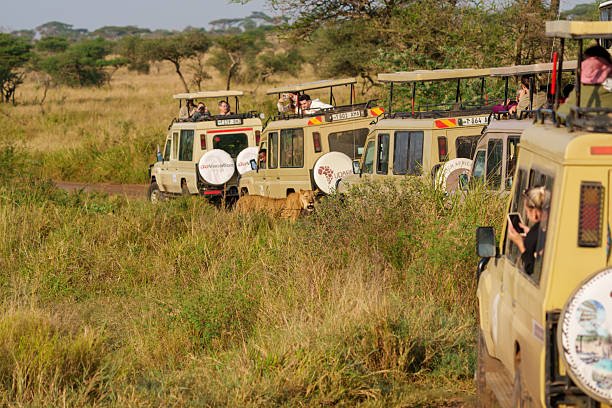
* **Vehicle Type:** Type of safari vehicle (e.g., 4×4 Land Cruiser, pop-top roof for better viewing).
* **Guide Qualifications:** Experience and knowledge of your guide.
* **Payment Schedule:** Deposit required, balance due date, and cancellation policy.
* **Baggage Allowance:** Strict limits for internal flights (usually 15-20 kg in soft-sided bags).
* **Migration Updates:** How will they use current migration information to refine your itinerary closer to the travel date?
The Booking Process with Climb 4 Africa
1. **Initial Inquiry:** Contact Climb 4 Africa via email at climb4africa@gmail.com or WhatsApp at +255 747 477 898 with your desired travel dates (mentioning 2026 or 2027), interests (e.g., river crossings, photography, family), and preferred budget range.
2. **Itinerary Proposal:** Based on your input and current migration patterns, Climb 4 Africa will propose a draft Kenya and Tanzania Great Migration safari itinerary.
3. **Customization:** Discuss the proposal with the team. They will fine-tune the itinerary, accommodation, and activities to match your needs.
4. **Confirmation and Deposit:** Once you approve the itinerary, a deposit will be required to secure bookings for lodges, camps, and internal flights. This is especially important for peak season travel in 2026 and 2027.
5. **Pre-Trip Information:** You’ll receive detailed information about what to pack, visa requirements, health advice, and more.
6. **Final Payment:** The remaining balance will be due a specified number of weeks before your departure.
7. **Your Safari:** You’ll be met at the airport and guided through your incredible adventure.
Booking your Kenya and Tanzania Great Migration safari itinerary well in advance, especially for 2026 and 2027, is key to securing your preferred experience. Contacting Climb 4 Africa early allows ample time for planning and customization.
Maximizing Your Great Migration Experience
Witnessing the Great Migration is a special event, and a well-planned Kenya and Tanzania Great Migration safari itinerary is just the first step. To truly make the most of this incredible spectacle, consider these tips:
Work with an Experienced Guide
Your safari guide is your eyes and ears in the bush. An experienced guide:
* Tracks the Herds: Knows where the migration is likely to be based on rainfall, reports from other guides, and their own knowledge of the ecosystem.
* Understands Wildlife Behavior: Can interpret animal movements and predict potential sightings or interactions.
* Maximizes Game Drives: Knows the best times and locations for game drives to increase your chances of seeing the migration and other wildlife.
* Provides Insight: Offers valuable information about the animals, their habitats, and the ecosystem.
Choose Your Accommodation Wisely
* Location is Key: For migration viewing, staying in strategically located camps or lodges can mean the difference between witnessing a crossing or just seeing distant herds. Camps in the northern Serengeti or Maasai Mara are ideal during July-October.
* Consider Mobile Camps: If your timing aligns with the migration’s movement, temporary mobile camps can offer unparalleled proximity to the herds.
Be Patient and Flexible
Nature doesn’t run on a schedule. The migration’s exact location and timing can shift due to weather patterns.
* Allow Buffer Time: Don’t plan every minute. Be prepared for your guide to change plans based on where the animals are.
* Embrace the Journey: Even if a dramatic river crossing doesn’t happen on your specific day, the sheer scale of the herds and the abundance of other wildlife make for an unforgettable experience.
Consider Multiple Locations
Instead of focusing on just one park or area, a longer Kenya and Tanzania Great Migration safari itinerary that includes both the Serengeti and Maasai Mara, or different sectors of the Serengeti, offers a more comprehensive view of the migration’s journey.
Enhance with Optional Activities
* Hot Air Balloon Safari: A sunrise balloon ride over the plains offers a unique perspective of the vast herds and the landscape. This is a popular addition, especially in the Maasai Mara or Serengeti.
* Walking Safaris: In designated areas, walking safaris provide a more intimate connection with the bush and its smaller details.
Photography Tips
* Gear: A good zoom lens (300mm or more) is essential. Bring extra batteries and memory cards.
* Timing: The “golden hours” around sunrise and sunset offer the best light.
* Patience: Wait for the right moment – the drama of a crossing, a predator on the hunt, or a calf taking its first steps.
Respect Wildlife and the Environment
* Keep a Safe Distance: Never approach wildlife too closely. Follow your guide’s instructions.
* No Feeding: Never feed the animals.
* Minimize Your Footprint: Stay on designated roads, avoid littering, and be mindful of noise levels.
By incorporating these tips into your Kenya and Tanzania Great Migration safari itinerary, you’ll significantly increase your chances of a truly exceptional and memorable wildlife encounter.
Great Migration in 2026-2027: Expectations and Planning
Planning for the Great Migration in 2026 and 2027 involves understanding the general patterns while remaining aware that natural events are never entirely predictable. The fundamental drivers – rainfall, grass growth, and predator-prey dynamics – remain constant, forming the basis of any Kenya and Tanzania Great Migration safari itinerary.
* Consistency of the Phenomenon: The Great Migration is a continuous cycle. While exact timings and locations can vary year to year, the underlying movement will persist. The vast numbers of animals and the dramatic events like river crossings and calving are expected to continue.
* Impact of Climate Change: While difficult to predict specific impacts, subtle shifts in rainfall patterns due to climate change could influence the migration’s exact timing and routes. This is why relying on up-to-date information from local operators closer to your travel dates is crucial.
* Booking Lead Times: For prime viewing periods in 2026 and 2027, especially July-October for river crossings, booking 9-18 months in advance is highly advisable. Popular lodges and internal flights fill up quickly.
* Flexibility is Key: Even with meticulous planning, flexibility in your Kenya and Tanzania Great Migration safari itinerary is beneficial. Be open to your guide’s suggestions if the animals are moving slightly differently than anticipated.
* Focus on the Ecosystem: While the migration is the star, remember that the Serengeti-Maasai Mara ecosystem is rich with other wildlife. Even if you miss a specific crossing, the opportunities for exceptional game viewing are immense throughout the year.
* Consider Shoulder Seasons: For 2026 or 2027, if you prefer fewer crowds and potentially lower prices, consider the shoulder seasons. For example, late May or early June can offer excellent game viewing before the main river crossing rush, and November/December can be great for the return journey south.
**Partnering with Climb 4 Africa for your 2026-2027 Great Migration safari ensures you benefit from their up-to-date knowledge and ability to adapt your Kenya and Tanzania Great Migration safari itinerary to the most current wildlife movements. Their expertise in crafting smooth safari experiences in Tanzania and Kenya means you can relax and experience the magic of the migration.**
To begin planning your unforgettable journey, reach out to Climb 4 Africa today:
WhatsApp:
Check Availability for Kenya And Tanzania Great Migration Safari Itinerary 2026-2027
Ready to compare dates, prices, and the best option for your group? Send the package name and travel month so the team can reply with a clear quote, availability, and what is included.
Serengeti Great Migration Safari During AFCON 2027
Mwongozo wa kina kwa safari ya Serengeti Great Migration wakati wa AFCON 2027, ukilenga kuelewa maeneo, kipindi cha mwendo wa mnyama, na mapendekezo ya mipango ya kiutendaji.
View package detailsAFCON 2027 Safari to See the Wildebeest Migration
Mpangilio wa safari wa AFCON 2027 unakuja na mwendo wa Wildebeest Migration; onyesha mipango ya kipekee, maeneo ya kuchagua, na mikakati ya kuteka uhalisia wa wanyamapori bila kulazimisha...
View package details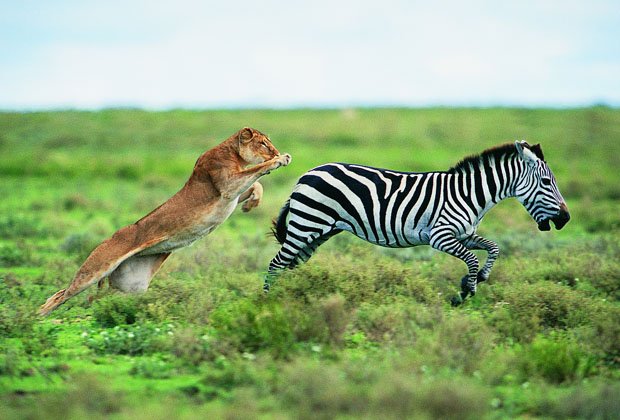
Dec 28, – 5 Day Ndutu Migration And Ngorongoro Group Safari 2026
Join a small group for a 5-day safari departing December 28, 2026, targeting the Ndutu region for the start of the calving season and the Ngorongoro Crater.
View package details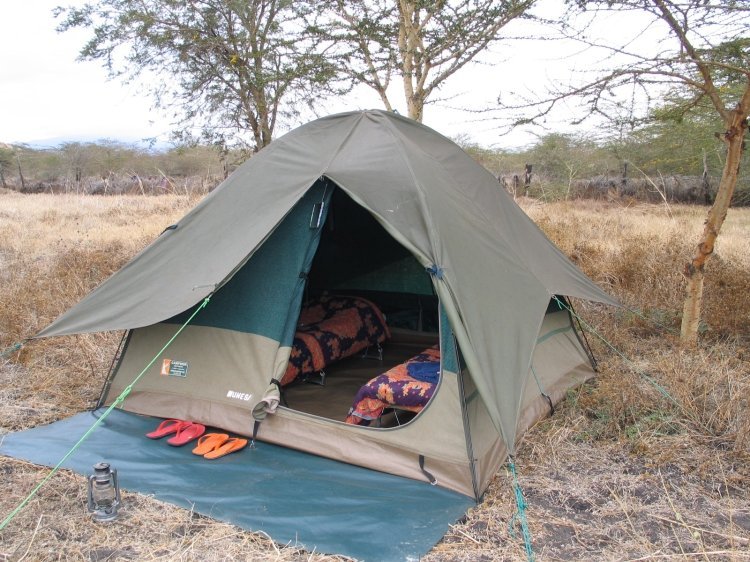
AFCON 2027 Safari Packages from Tanzania
Hitaji la safari ya kundoka ili kufurahia AFCON 2027? Chagua kutoka kwa mikakati ya safari nchini Tanzania inayoambatana na wildlife, mbuga maarufu, na uwekaji wa huduma ya kimataifa ya...
View package details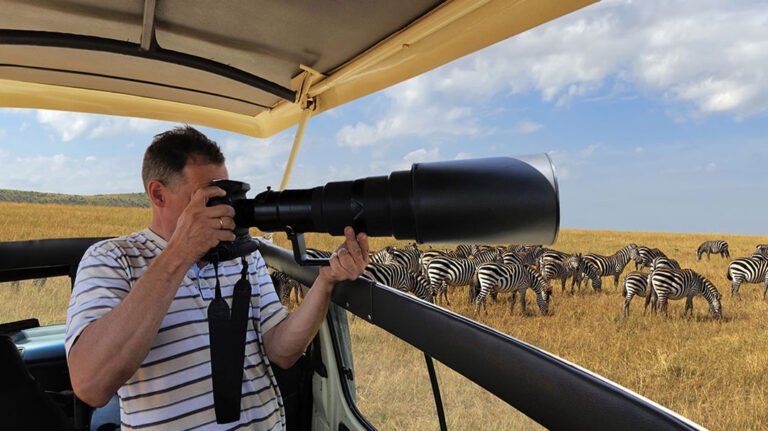
AFCON 2027 Mid Range Safari Packages Tanzania
Mwongozo wa safari ya kati ya AFCON 2027 Tanzania kutoka Climb 4 Africa: mipango ya njia, maeneo ya msitu wa serikali, na usalama wa wasafiri. Onyesha jinsi ya kuchagua kilima cha kati...
View package details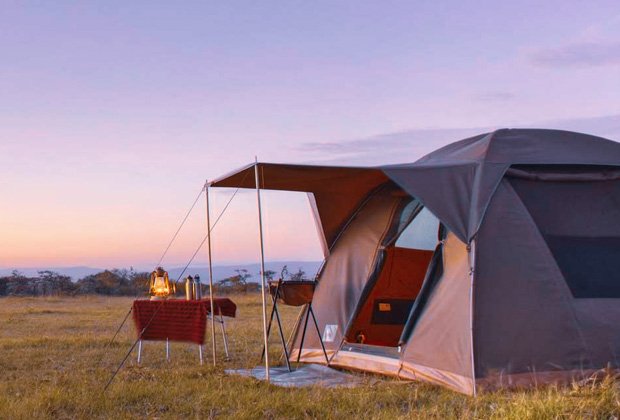
Best Tanzania Safari Before Afcon Final
Best Tanzania Safari Before AFCON 2027 Final.
View package detailsBest Tanzania Safari After Afcon Match
Best Tanzania Safari After AFCON 2027 Match.
View package detailsFive Day Tanzania Safari And Afcon Package
Five Day Tanzania Safari and AFCON Package.
View package details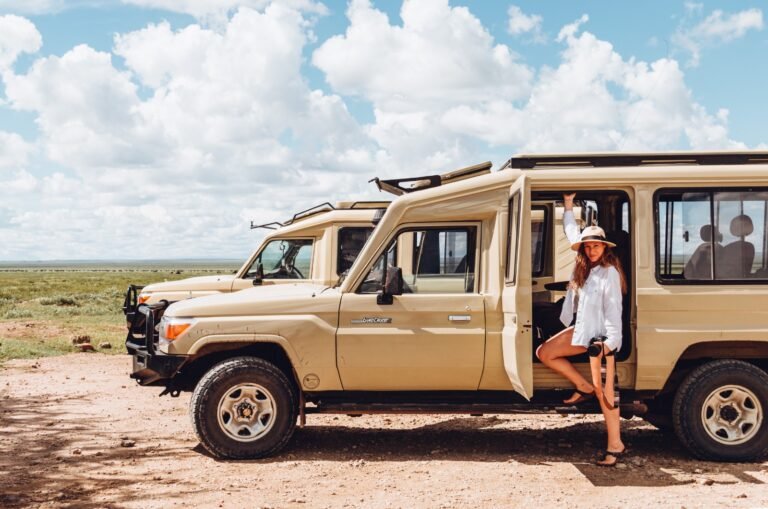
Afcon Northern Tanzania Safari Packages
AFCON 2027 Northern Tanzania Safari Packages.
View package detailsAfcon Tanzania Football Kilimanjaro And Safari Tour
AFCON 2027 Tanzania Football Kilimanjaro and Safari Tour.
View package details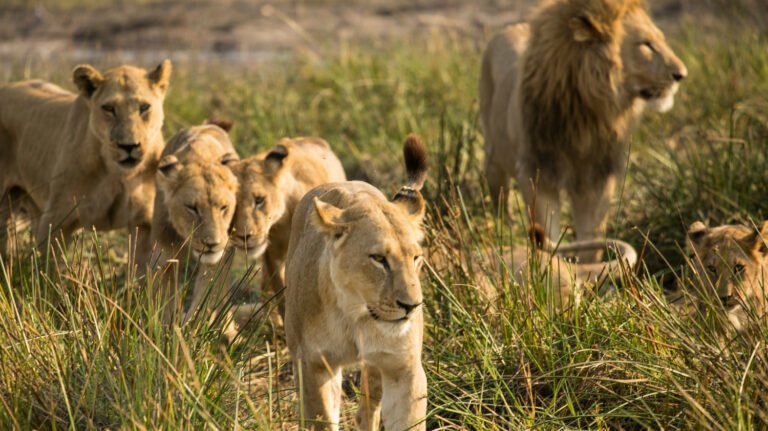
Tanzania Safari Packages from Dar es Salaam During AFCON 2027
Mwongozo wa kina wa safari za Tanzania kuanzia Dar es Salaam wakati AFCON 2027: rasilimali, mipango ya siku, na hatua za uhakika za ziara za wanyama na mbuga maarufu.
View package detailsNo related package matches those filters. Clear one or more filters to see the other topic-matched options.