Flights from Tokyo to Tanzania for a Serengeti safari and Kilimanjaro climb typically involve at least one layover, usually in a major Middle Eastern or European hub, connecting to Kilimanjaro International Airport (JRO) or potentially Dar es Salaam (DAR) for onward travel. Planning for 2026-2027 requires booking international flights well in advance, considering visa requirements for Tanzania, and coordinating with your safari and climb operator for smooth ground arrangements upon arrival.


Understanding Your Journey: Tokyo to Tanzania Flights
Embarking on an adventure from Tokyo, Japan, to Tanzania, East Africa, for an unforgettable Serengeti safari and a challenging Mount Kilimanjaro climb is a significant undertaking. The journey requires careful planning, especially concerning international flights. This guide focuses specifically on the practicalities of securing Tokyo to Tanzania flights for these iconic African experiences, covering routes, airlines, booking considerations, and what to expect for your 2026-2027 travel plans.
The primary gateway for most travelers heading to Kilimanjaro and the northern safari circuit is Kilimanjaro International Airport (JRO). While Dar es Salaam (DAR) is Tanzania’s largest city and main international hub, JRO is geographically much closer to Moshi (the gateway town for Kilimanjaro climbs) and Arusha (the hub for northern safaris), significantly reducing your initial ground transfer time and cost.
Direct flights from Tokyo to Tanzania are non-existent. Your journey will always involve at least one stop. The most common layover cities for flights from Tokyo to JRO are typically found in the Middle East, such as Doha (Qatar), Dubai (UAE), or Istanbul (Turkey), or occasionally in Europe, like Amsterdam or Frankfurt. Airlines like Qatar Airways, Emirates, Turkish Airlines, KLM, and Lufthansa are frequent carriers on these routes.
When searching for Tokyo to Tanzania flights, be prepared for journeys that can range from 18 to 30+ hours, including layover times. The duration and cost will heavily depend on the airline, the length and number of layovers, and how far in advance you book. For 2026-2027 travel, starting your flight search at least 6-9 months ahead is highly recommended, especially if you aim for peak safari or climbing seasons.
Key Flight Routes and Airlines for Tokyo to Tanzania
Navigating the global aviation network to reach Tanzania from Tokyo involves understanding the most practical and efficient routes. While options can fluctuate, certain airline alliances and hubs consistently offer the best connectivity. For travelers focused on Kilimanjaro and the Serengeti, prioritizing flights into Kilimanjaro International Airport (JRO) is usually the most efficient choice.
Middle Eastern Hubs: The Most Common Connection Points
Airlines operating through major Middle Eastern hubs offer some of the most popular and often competitive routes from Tokyo to JRO. These hubs provide extensive networks and modern airport facilities, making for smoother connections.
- Qatar Airways (via Doha, Hamad International Airport – DOH): This is frequently a top choice. Qatar Airways offers excellent service, a modern fleet, and a well-regarded loyalty program. Flights from Tokyo (NRT or HND) to Doha are plentiful, and from Doha, they have regular flights to JRO. The layover in Doha is usually manageable, and the airline’s connectivity to East Africa is strong.
- Emirates (via Dubai, Dubai International Airport – DXB): Emirates is another major player, connecting Tokyo to its bustling hub in Dubai. From Dubai, they operate flights to Kilimanjaro. Dubai International Airport is a massive hub, and while it can be busy, it offers a wide array of amenities. Emirates is known for its premium service.
- Turkish Airlines (via Istanbul, Istanbul Airport – IST): Turkish Airlines provides a compelling option, especially for those seeking potentially different routing or competitive pricing. Istanbul has become a significant global transit point, and Turkish Airlines flies extensively across Africa. Flights from Tokyo to Istanbul are frequent, with onward connections to JRO.
When considering these routes for 2026-2027, remember that flight schedules can change. It’s always wise to check directly with the airlines or use reputable flight aggregators to confirm timings and availability for your specific travel dates.
European Hubs: An Alternative Path
While less common than Middle Eastern connections for this specific route, European hubs can sometimes offer competitive pricing or different layover experiences. These are often part of alliances like Star Alliance or SkyTeam.
- KLM (via Amsterdam, Schiphol Airport – AMS): KLM, often in partnership with Kenya Airways (which flies to JRO from Nairobi), can provide a route via Amsterdam. This might involve a flight from Tokyo to Amsterdam and then a connecting flight to Nairobi (NBO), followed by a short hop to JRO.
- Lufthansa (via Frankfurt, Frankfurt Airport – FRA): Similarly, Lufthansa can offer connections through Frankfurt, often partnering with other airlines for the final leg into East Africa, potentially via Nairobi or Addis Ababa.
These European routes might involve longer overall travel times compared to Middle Eastern options, but they can be worth exploring if you find a significant price difference or prefer a different travel experience. For 2026-2027 bookings, comparing prices across both Middle Eastern and European hubs is a smart strategy.
Considering Dar es Salaam (DAR) as an Alternative Entry Point
While JRO is ideal, you might sometimes find better flight deals or schedules into Dar es Salaam (DAR). If this is the case, you’ll need to factor in additional travel arrangements within Tanzania.
- Domestic Flight from DAR to JRO: The most straightforward option is a short domestic flight from Dar es Salaam to Kilimanjaro International Airport. Several Tanzanian airlines operate this route regularly. This adds cost and complexity but is manageable.
- Ground Transfer: It is possible to travel by bus or private car from Dar es Salaam to Arusha or Moshi, but this is a very long journey (8-10+ hours) and generally not recommended for international travelers arriving on long-haul flights, especially if Kilimanjaro or a safari is the immediate next step.
For most Kilimanjaro climbs and northern circuit safaris, flying directly into JRO is the preferred and most efficient method for 2026-2027 travel. Always confirm your entry airport with your tour operator.
Booking Your Tokyo to Tanzania Flights: Key Considerations
Securing the right flights is a critical step in planning your Tanzanian adventure. Beyond just finding a route, several factors influence the booking process and the overall travel experience. For 2026-2027, these considerations remain paramount.
Timing is Everything: When to Book
The general rule for international travel, especially to popular destinations like Tanzania, is to book as early as possible. For peak seasons (typically June to October for safaris, and January to February or June to October for Kilimanjaro), booking your Tokyo to Tanzania flights 9-12 months in advance is advisable for the best availability and pricing. For travel in the shoulder or lower seasons in 2026 or 2027, 6-9 months might suffice, but early booking always provides more options.
Fare Types and Flexibility
When searching for flights, pay close attention to the fare rules. Are your tickets changeable or refundable? For a trip as significant as a Kilimanjaro climb and safari, flexibility can be invaluable, although it often comes at a higher price. Understand the fees associated with changes or cancellations before committing. For 2026-2027 travel, consider whether travel insurance covers flight disruptions.
Airline Choice and Layover Strategy
As discussed, Middle Eastern carriers often provide a good balance of service, price, and efficient connections. However, don’t discount other options. When comparing flights, look at:
- Layover Duration: Aim for layovers that are long enough to comfortably make your connection but not excessively long, which can lead to fatigue. A 2-4 hour layover is generally ideal.
- Layover Airport: Familiarize yourself with the transit airport. Some airports are more user-friendly for connections than others.
- Airline Alliances: If you collect miles with a specific airline alliance (e.g., Star Alliance, Oneworld, SkyTeam), booking with carriers within that alliance can help you earn miles and potentially enjoy benefits like priority boarding or baggage handling.
Baggage Allowances
This is crucial for safari and trekking trips. International flights will have specific checked and carry-on baggage allowances. However, for Kilimanjaro climbs, you’ll also have separate allowances for the duffel bag carried by your porters and your daypack. Ensure you understand the airline’s policy for checked baggage weight and dimensions, as excess baggage fees can be substantial. For safari, consider the practicalities of luggage size, as safari vehicles often have limited space.
Cost Factors for 2026-2027
The price of Tokyo to Tanzania flights is influenced by:
- Seasonality: Peak seasons (July-September, December-February) are generally more expensive.
- Demand: Global travel trends and specific events in Tanzania can affect prices.
- Booking Window: As mentioned, booking further in advance usually yields better prices.
- Airline Competition: Routes with more airlines competing tend to have more competitive fares.
While exact prices fluctuate, expect Tokyo to JRO flights to range broadly from ¥150,000 to ¥350,000+ (approximately $1000 – $2300+ USD) round trip per person for economy class, depending heavily on the factors above. For 2026-2027, it’s wise to budget on the higher end and be pleasantly surprised if you find a deal.
Pro Tip for Flight Booking
Use flight comparison websites to get an overview of available routes and prices, but always try to book directly with the airline or through a trusted travel agent. This often simplifies changes, cancellations, and communication if issues arise. For your 2026-2027 trip, consider contacting Climb 4 Africa for advice on optimal arrival airports and timings that align with your Kilimanjaro climb and safari itinerary.
Visa and Entry Requirements for Tanzania
Understanding the visa process is a non-negotiable part of planning your international travel. For Japanese citizens traveling to Tanzania, a visa is required. The process is generally straightforward, and there are a few ways to obtain it.
Tanzanian Visa Options
For most nationalities, including Japanese citizens, the most common and convenient way to get a Tanzanian visa is through an online application or by obtaining it upon arrival at the airport. However, it’s always best to check the latest requirements from the Tanzanian embassy or consulate in Japan or your country of residence.
- Online Visa Application: Tanzania has an official e-visa portal. This is often the most recommended method as it allows you to secure your visa before traveling, reducing potential stress at the airport. You’ll typically need your passport details, travel dates, and sometimes information about your accommodation or tour operator. The processing time can vary, so apply well in advance of your 2026-2027 travel dates.
- Visa on Arrival: While possible at JRO and DAR, obtaining a visa on arrival can sometimes involve longer queues and uncertainty, especially during peak travel times. It’s generally preferable to have your visa sorted beforehand.
- Embassy Application: You can also apply for a visa in person or by mail through the Tanzanian Embassy or Consulate in Japan. This method is usually more time-consuming.
Visa Fees and Validity
Visa fees are subject to change. For a single-entry tourist visa, the cost is typically around $50 – $100 USD, but always verify the current fee. Ensure your passport is valid for at least six months beyond your intended stay and has sufficient blank pages for stamps.
Important Notes for 2026-2027
Always check the official Tanzanian Immigration Services website or the Tanzanian Embassy in Japan for the most up-to-date information on visa requirements, fees, and application procedures. Regulations can change, and staying informed is key to a smooth entry into the country.
Visa Application Checklist
- Passport: Valid for at least 6 months beyond stay, with at least 2 blank pages.
- Digital Passport Photo: Usually required for online applications.
- Completed Application Form: Either online or physical form.
- Travel Itinerary: May be requested, especially if applying for specific visa types.
- Visa Fee: Payment method (online or cash on arrival).
For your 2026-2027 journey, start your visa application process at least 1-2 months before your departure date.
Coordinating Flights with Your Kilimanjaro Climb and Safari
The timing of your Tokyo to Tanzania flights is intrinsically linked to your itinerary on the ground. A well-coordinated arrival ensures you maximize your time and minimize stress.
Arrival Airport and Transfer Logistics
As emphasized, Kilimanjaro International Airport (JRO) is your ideal arrival point. Your tour operator, such as Climb 4 Africa, will typically arrange airport transfers to your hotel in Moshi (for Kilimanjaro climbs) or Arusha (for safaris).
- Pre-Climb Briefing: If you’re climbing Kilimanjaro, arriving at least 1-2 days before your scheduled climb date is essential. This allows time for acclimatization to the local climate, a mandatory pre-climb briefing with your guides, gear checks, and last-minute preparations.
- Safari Start: For a safari, arriving a day or two before your safari begins provides buffer time and allows you to relax before heading out into the parks.
When booking your Tokyo to Tanzania flights for 2026-2027, ensure your arrival date aligns perfectly with your tour operator’s recommended pre-climb or pre-safari dates. Communicate your flight details to your operator as soon as they are confirmed.
Connecting Flights within Tanzania
If your itinerary involves visiting multiple regions, such as Kilimanjaro, the Serengeti, and perhaps Zanzibar, you might need to consider internal flights.
- JRO to Serengeti Airstrip: Some safari itineraries fly directly from JRO (or Arusha Airport – ARK) to airstrips within the Serengeti National Park. This saves significant driving time but adds to the overall cost.
- Arusha (ARK) to Zanzibar (ZNZ): If your trip concludes with a beach holiday in Zanzibar, you’ll likely take a short flight from Arusha Airport (ARK) to Zanzibar (ZNZ).
Your tour operator can advise on the best way to structure these internal movements and book these connecting flights for your 2026-2027 adventure.
Contingency Planning
Flight delays or cancellations can happen. Building a buffer of at least 24-48 hours between your international flight arrival and the start of your Kilimanjaro climb or safari is a prudent measure. This buffer can absorb minor delays and ensure you don’t miss critical pre-climb briefings or the start of your safari.
Sample Arrival Schedule for Kilimanjaro Climb
- Day 1: Arrive at Kilimanjaro International Airport (JRO) from Tokyo. Meet your transfer and proceed to your hotel in Moshi.
- Day 2: Rest, gear check, and attend the mandatory pre-climb briefing with your Climb 4 Africa guides. Final preparations.
- Day 3: Depart for Kilimanjaro National Park Gate to begin your climb.
This schedule allows for essential acclimatization and preparation before the physical demands of the climb begin.
Preparing for Your Tanzania Trip: Beyond the Flights
While Tokyo to Tanzania flights are a primary concern, a successful trip requires attention to several other critical elements. For your 2026-2027 travels, consider these aspects early in your planning.
Health and Vaccinations
Consult your doctor or a travel clinic 4-6 weeks before your trip regarding recommended vaccinations and malaria prophylaxis. Yellow fever vaccination is often required or recommended, especially if you are transiting through certain countries. Ensure you carry your vaccination certificate.
Travel Insurance
Comprehensive travel insurance is non-negotiable. It should cover:
- Medical Emergencies: Including evacuation from remote areas (crucial for Kilimanjaro).
- Trip Cancellation/Interruption: To protect your investment if unforeseen circumstances prevent you from traveling or completing your trip.
- Lost or Delayed Baggage: Though less critical than medical coverage.
Ensure your policy specifically covers high-altitude trekking for Kilimanjaro and adventure activities associated with safaris.
Currency and Payment
The currency in Tanzania is the Tanzanian Shilling (TZS). However, USD is widely accepted and often preferred for tourist services, especially for Kilimanjaro climbs and safaris. It’s advisable to carry a mix of USD (newer bills, dated 2009 or later, are best) for tour payments and smaller expenses, and TZS for local markets and tips. ATMs are available in major towns like Arusha and Moshi, but credit card acceptance can be limited, especially outside hotels.
Packing Essentials
Packing appropriately is vital for comfort and safety.
- For Kilimanjaro: Layered clothing is key. This includes thermal base layers, fleece mid-layers, and waterproof/windproof outer shells. Good quality hiking boots, a warm sleeping bag, gloves, hats, and sunscreen are essential. Climb 4 Africa provides detailed packing lists.
- For Safari: Lightweight, neutral-colored clothing is best. Binoculars, a camera with a good zoom lens, insect repellent, a wide-brimmed hat, and comfortable walking shoes are recommended.
Remember that your international flight baggage allowance might differ from what you can carry on the mountain or in a safari vehicle. Pack smart and prioritize essentials.
Communication and Connectivity
Wi-Fi is available in most hotels in Arusha and Moshi, but can be spotty or unavailable in remote safari locations or on Kilimanjaro. Consider purchasing a local SIM card upon arrival for more reliable and affordable data access. Major international roaming plans can be very expensive.
Making Your 2026-2027 Tanzania Dream a Reality with Climb 4 Africa
Planning a trip from Tokyo to Tanzania for a Kilimanjaro climb and Serengeti safari is complex, involving international flights, visa procedures, health precautions, and on-the-ground logistics. Working with an experienced local operator like Climb 4 Africa simplifies this process immensely.
Climb 4 Africa specializes in providing comprehensive support for travelers undertaking Kilimanjaro climbs and Tanzanian safaris. We understand the nuances of travel to Tanzania and can offer invaluable assistance with:
- Itinerary Planning: Tailoring your trip to your interests, budget, and time, ensuring your Kilimanjaro climb and safari components are seamlessly integrated.
- Logistics Coordination: Arranging airport transfers, accommodation, and all necessary permits and park fees.
- Expert Guidance: Providing detailed packing lists, pre-climb briefings, and on-the-ground support from experienced local guides and staff.
- Flight Advice: While we don’t book international flights, we can advise on the best arrival airports and timings to suit your itinerary for 2026-2027.
By partnering with us, you gain access to local expertise that can help you navigate the complexities of planning your Tokyo to Tanzania flights and ensuring your adventure is safe, enjoyable, and unforgettable. We are committed to providing practical, locally-supported African travel experiences.
For personalized assistance with planning your 2026-2027 Kilimanjaro climb and Serengeti safari, including advice on travel logistics and itinerary creation, please do not hesitate to reach out. You can contact us via WhatsApp at +255 747 477 898 or send an email to climb4africa@gmail.com. Let us help you turn your dream African adventure into a reality.
Check Availability for Tokyo To Tanzania Flights For Serengeti Safari & Kilimanjaro Climb 2026-2027
Ready to compare dates, prices, and the best option for your group? Send the package name and travel month so the team can reply with a clear quote, availability, and what is included.

Afcon Mount Kilimanjaro And Serengeti Package
AFCON 2027 Mount Kilimanjaro and Serengeti Package.
View package details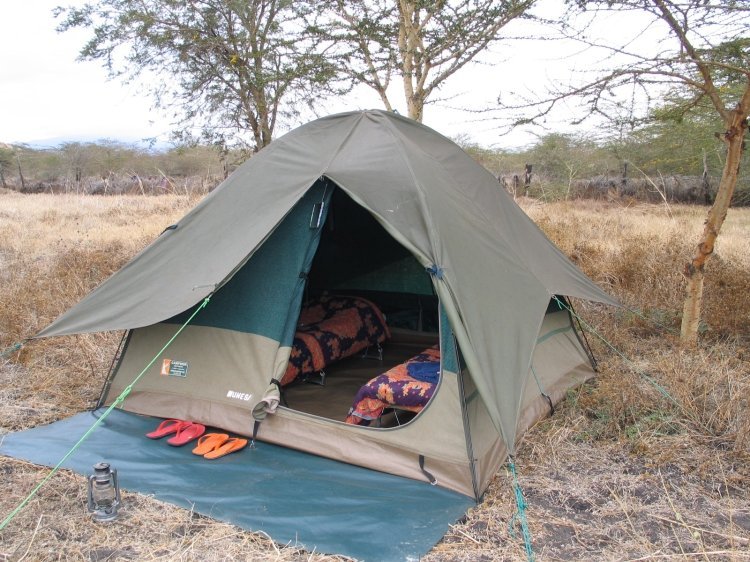
Afcon Tanzania Football Kilimanjaro And Safari Tour
AFCON 2027 Tanzania Football Kilimanjaro and Safari Tour.
View package detailsThree Day Serengeti Safari During AFCON 2027
Mwongozo wa kiutendaji kwa safari ya siku tatu ya Serengeti wakati AFCON 2027, ukijumuisha mwelekeo wa maeneo, ratiba ya siku, na ushauri wa ubashiri wa kupanga pamoja na jinsi ya...
View package details
Kilimanjaro Safari And Afcon Final Package
Kilimanjaro Safari and AFCON Final Package.
View package detailsAFCON 2027 Safari from Kilimanjaro Airport
Mwongozo wa kina wa AFCON 2027 Safari starting from Kilimanjaro Airport, ukiruhusu kupanga ratiba, usafiri, mapumziko ya kambi, na maeneo ya kuzunguka ili kuonyesha wanyama na mandhari ya...
View package details
Kilimanjaro to Nairobi AFCON Travel Package
Mpango wa safari wa Kilimanjaro hadi Nairobi kwa AFCON unaowezesha kushuhudia milima na miji miwili mikubwa ya Afrika pamoja na mechi za AFCON kwa njia salama na ya kipekee.
View package details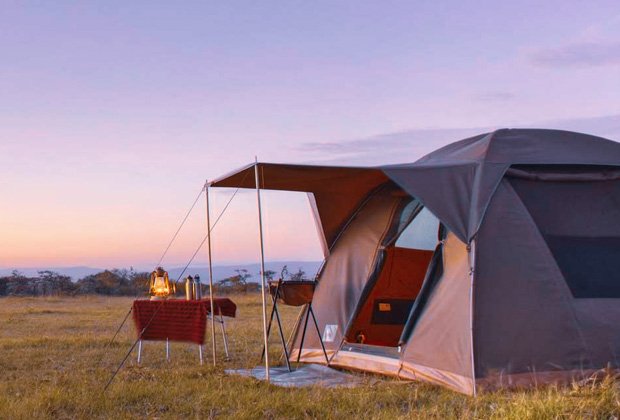
AFCON 2027 Safari from Moshi: Safari ya Afrika Mashariki kwa Mashabiki wa Soka
Safari ya kipekee ya AFCON 2027 inayochukua mji wa Moshi kuwa kituo cha kuanzia kwa mbuga ya wanyamapori na milima ya Kilimanjaro, ikijumuisha uhifadhi wa ndani na mwongozo wa kiusimamizi...
View package details
Afcon Kilimanjaro Ngorongoro And Zanzibar Holiday
AFCON 2027 Kilimanjaro Ngorongoro and Zanzibar Holiday.
View package details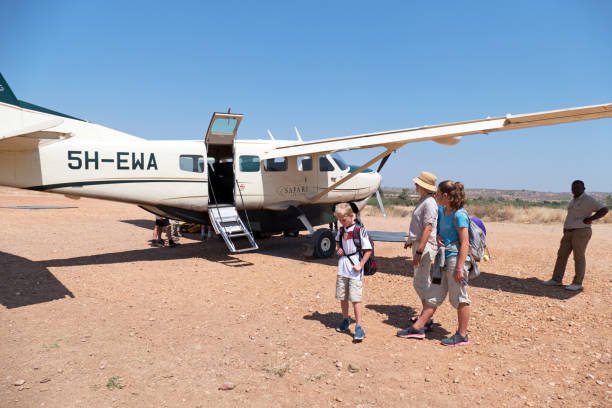
4-Day Serengeti Safari From Zanzibar With Return Flights: A Planning Guide
A deep look at planning a 4-day fly-in safari from Zanzibar to the Serengeti, covering flight logistics, itinerary structures, and the critical decisions needed for a successful 2026 or...
View package detailsCan A Solo Traveller Join A Serengeti Safari In Dec ?
Planning a solo safari in December 2026? Discover the logistics of joining group departures, why December is a prime time for the migration, and how to manage costs effectively.
View package details
Afcon Private Serengeti Safari With Lodges
AFCON 2027 Private Serengeti Safari with Lodges.
View package detailsAfcon Luxury Serengeti Safari Packages
AFCON 2027 Luxury Serengeti Safari Packages.
View package detailsNo related package matches those filters. Clear one or more filters to see the other topic-matched options.