
Yes, Lake Manyara National Park is often worth adding to a Tanzania safari, particularly if you have at least 3-4 days for your Northern Circuit itinerary, as it provides a concentrated yet diverse wildlife viewing experience, famous tree-climbing lions, and a beautiful setting that complements the larger parks like Serengeti and Ngorongoro. Its compact size makes it ideal for shorter game drives or as a stopover, offering distinct attractions that can enhance your overall understanding of Tanzania’s ecosystems and wildlife, especially when planning for 2026 or 2027.


Understanding Lake Manyara’s Place in a Tanzania Safari Itinerary
When planning a Tanzania safari, especially for trips in 2026 or 2027, you’ll quickly encounter a series of iconic national parks and conservation areas, most notably the Serengeti, Ngorongoro Crater, Tarangire, and Lake Manyara. The question of whether Lake Manyara is ‘worth it’ isn’t about its intrinsic value as a park – it’s undoubtedly a special place – but rather how it fits into the broader picture of your safari experience and whether it justifies the time and cost within a limited itinerary. Many travelers ask this because they are trying to optimize their time, budget, and wildlife viewing opportunities across the famous Northern Circuit. Does it offer something truly unique that the other parks don’t, or is it a ‘nice to have’ that can be skipped if time is tight?
The answer hinges on several factors: your interests, the length of your safari, your budget, and what you hope to see and experience. Lake Manyara, while smaller than its neighbors, possesses a distinct charm and a surprising density of wildlife concentrated in a relatively small area. It’s frequently visited as part of a classic Northern Circuit route, often slotted between Tarangire and the Ngorongoro Crater, or as a day trip from Arusha. Its unique selling points – the legendary tree-climbing lions, vast flocks of flamingos (seasonally), and the dramatic backdrop of the Rift Valley escarpment – set it apart.
For many, Lake Manyara is not just another stop; it’s an opportunity to witness a specific ecological phenomenon and enjoy a different kind of safari drive. The park’s terrain varies from groundwater forests to acacia woodlands, open savannas, and the lake shore itself, creating diverse habitats that support a wide array of animals. Understanding these nuances helps in deciding if Lake Manyara is worth adding to your 2026-2027 safari plans.
What Makes Lake Manyara Unique? The Signature Attractions
The primary reason Lake Manyara National Park is frequently recommended is its collection of unique attractions that are either rare or absent elsewhere. These are the elements that make travelers reconsider whether it’s ‘worth it’ to include it, especially when faced with the temptation to spend more time in the vast plains of the Serengeti or the unparalleled density of the Ngorongoro Crater.
The Elusive Tree-Climbing Lions
Perhaps the most famous resident of Lake Manyara is its population of lions that have adapted to climbing trees. While not exclusive to Manyara (they are also found in Queen Elizabeth National Park in Uganda and occasionally in the Serengeti), they are most reliably sighted here. The exact reason for this behavior remains a subject of debate among scientists – some suggest it’s to escape the heat, others to avoid biting insects, or to gain a better vantage point over the plains. Whatever the reason, seeing lions lounging on the branches of large acacia or fig trees is an unforgettable sight and a major draw for visitors. These lions are not just a fleeting glimpse; they often spend significant time in the trees, allowing for prolonged observation. If this is a ‘must-see’ for your 2026-2027 safari, Manyara is your best bet.
Abundant Birdlife and Flamingo Spectacles
Lake Manyara is a designated Ramsar site, recognized for its significant wetland habitats. The lake itself is a magnet for birds, especially during the wet season when it attracts thousands of Greater and Lesser Flamingos. While the flamingo numbers can fluctuate significantly with rainfall and lake levels, when they are present in large numbers, the sight of the lake shore shimmering with pink is spectacular. Beyond flamingos, the park boasts over 400 species of birds, making it a paradise for birdwatchers. You can expect to see pelicans, storks, cormorants, kingfishers, and numerous smaller species within the diverse habitats. For avid birders planning a 2026-2027 trip, Lake Manyara offers a concentrated birding experience that might be harder to find elsewhere on the circuit.
The Dramatic Rift Valley Escarpment
The park is situated at the foot of the Great Rift Valley’s western escarpment. This geological feature provides a stunning visual backdrop to the safari experience. Game drives often involve traversing the diverse landscape that stretches from the lake’s edge up towards the imposing cliffs. The escarpment creates microclimates and varied terrains, contributing to the park’s biodiversity. The views from the escarpment, looking down over the park and lake, are particularly memorable, especially at sunrise or sunset. This dramatic landscape adds a scenic dimension to the wildlife viewing that is distinct from the flatter plains of the Serengeti.
Diverse Habitats in a Compact Area
One of Lake Manyara’s strengths is its surprising variety of ecosystems packed into just 330 square kilometers (127 sq mi) of land area, though only about 89 sq km (34 sq mi) is lake. Within this relatively small space, you can find dense groundwater forests, acacia woodlands, open grassy plains, and the alkaline lake shore. This mosaic of habitats supports a wide range of animals, from large mammals like elephants, giraffes, zebras, wildebeest, and buffalo to smaller predators like leopards and cheetahs, as well as baboons and monkeys. The compact nature means you can experience these different environments and their associated wildlife within a single game drive, making it an efficient park for viewing.
Wildlife Viewing Potential: What to Expect in Lake Manyara
When considering if Lake Manyara is worth adding to your 2026-2027 safari, the quality and quantity of wildlife sightings are paramount. While it might not boast the sheer numbers of wildebeest and zebras seen during the Great Migration in the Serengeti, Lake Manyara offers a rich and varied wildlife experience, often with more intimate encounters due to its size and terrain.
Mammal Sightings: Beyond the Lions
Lake Manyara is renowned for its large elephant population. You’ll often see herds of elephants, including large tuskers, moving through the park, particularly in the groundwater forests where they find ample food and water. The park is also home to large troops of baboons, often seen by the roadside, providing excellent photo opportunities and observing their social dynamics. Giraffes, both Masai and the localized Manyara subspecies, are plentiful and can be seen browsing on acacia trees. You’ll also encounter buffalo, hippos (in the hippo pool), zebras, wildebeest, impala, dik-dik, and various other antelope species. While predators like lions and leopards are present, they can be more elusive than in other parks. Cheetahs are also found here but are less commonly seen. The compact nature of the park often leads to rewarding game drives where you can tick off a good number of species in a single day.
Birdwatching Highlights
As mentioned, Lake Manyara is a premier birding destination. The diversity of habitats supports an incredible avian population. Besides the seasonal flamingos, key species to look out for include the crowned eagle, African fish eagle, various hornbills, rollers, turacos, and the lilac-breasted roller, which is a photographer’s favorite. The dense forest areas are good for spotting monkeys and forest birds, while the open plains and lake edge attract water birds and raptors. For serious bird enthusiasts planning a 2026-2027 safari, dedicating a half-day or full-day to birdwatching in Manyara can be highly rewarding.
Best Times for Wildlife Viewing
Lake Manyara’s wildlife viewing is generally good year-round, but specific periods offer distinct advantages. The dry season, from June to October, is often considered the best time for game viewing across the Northern Circuit. During these months, animals congregate around the permanent water sources, making them easier to spot. The vegetation is also less dense, improving visibility. However, this is also peak tourist season. The wet season (November to May) brings lush green landscapes and is excellent for birdwatching, especially when the lake is full and attracts flamingos. The rains can make some roads challenging, but they also bring out newborn animals and can lead to spectacular photographic opportunities with dramatic skies. For 2026-2027 planning, consider the trade-off between peak wildlife activity and crowd levels.
What Sets Manyara Apart from Serengeti and Ngorongoro
It’s crucial to understand how Lake Manyara complements, rather than competes with, the Serengeti and Ngorongoro Crater. The Serengeti is vast, famous for the Great Migration, and offers an expansive, classic savanna experience. The Ngorongoro Crater is a caldera teeming with wildlife, offering exceptional predator sightings and a unique enclosed ecosystem. Lake Manyara, by contrast, is smaller, more intimate, and characterized by its groundwater forests, escarpment views, and the specific behaviors of its tree-climbing lions and large elephant herds. It’s a different flavor of safari. If your primary goal is to witness the Great Migration in its full glory, the Serengeti is paramount. If you want to see a high density of animals in a caldera, Ngorongoro is the place. But if you appreciate diverse habitats, unique animal behaviors, and a beautiful, accessible park, Lake Manyara offers significant value. For 2026-2027 itineraries, it’s often the ‘gentle introduction’ or a ‘scenic interlude’ between the more intense experiences of its larger counterparts.
Activities and Experiences in Lake Manyara
Beyond standard game drives, Lake Manyara National Park offers a few other activities that can enhance your visit and contribute to its ‘worth it’ factor, especially for travelers looking for varied safari experiences in 2026-2027.
Classic Game Drives
The most common way to explore Lake Manyara is via game drives. The park has a network of tracks that allow you to navigate through its diverse landscapes. Game drives here are typically shorter than in the Serengeti due to the park’s size, often lasting 2-4 hours. This makes it perfect for a morning or afternoon activity. The narrowness of the park means game viewing can feel more concentrated. The presence of the Rift Valley escarpment as a backdrop to your drives adds a unique scenic element.
Night Game Drives
One of the standout activities that makes Lake Manyara particularly appealing is the availability of night game drives. These are conducted in designated areas of the park, typically outside the main forest canopy but within the park boundaries. Night drives offer a chance to see nocturnal animals that are rarely active during the day, such as bush babies, civets, genets, porcupines, and various smaller predators like caracals or aardvarks. You might also spot lions and leopards on the hunt. This is a significant differentiator from many other Tanzanian parks, where night drives are not permitted. If you’re interested in a different perspective of the bush and seeing animals active after dark, the night game drive in Lake Manyara is a compelling reason to visit, especially for those planning a 2026-2027 safari seeking unique experiences.
Walking Safaris
Walking safaris are also offered in Lake Manyara, typically on the outer edges of the park or in adjacent areas managed by TANAPA (Tanzania National Parks Authority). These are usually guided by armed rangers and offer a more intimate connection with the environment. You can learn about the smaller details of the ecosystem – the tracks, plants, insects, and bird calls – in a way that’s not possible from a vehicle. These walks provide a different pace and perspective, allowing for a deeper appreciation of the bush. For travelers who enjoy active exploration and a more hands-on safari experience, the walking safari option adds considerable value.
Canoeing Safaris
Canoeing safaris are available on Lake Manyara itself, offering a unique water-level perspective of the wildlife and birdlife. Gliding across the lake, you can get close to hippos, water birds, and potentially see animals coming down to drink along the shore. This activity provides a tranquil and different way to experience the park’s environment. It’s a good option for those looking for a relaxed yet engaging safari activity.
Cultural Tourism and Local Encounters
While not within the park itself, the areas surrounding Lake Manyara, particularly towards Mto wa Mbu, offer opportunities for cultural immersion. Mto wa Mbu is a vibrant, multicultural village where you can experience the daily lives of people from over 30 different tribes. Organized village tours can include visits to local farms, markets, and community projects. This adds a significant human dimension to your safari, providing context and understanding of the people who live alongside the wildlife. For many travelers in 2026-2027, combining wildlife viewing with cultural experiences is a key part of a fulfilling trip.
Logistics and Planning: Integrating Lake Manyara into Your 2026-2027 Safari
Deciding whether Lake Manyara is ‘worth it’ also involves understanding the practicalities of getting there, spending time there, and how it fits into a larger itinerary. Its location and size make it logistically straightforward for many Northern Circuit tours.
Location and Accessibility
Lake Manyara National Park is conveniently located in the northern part of Tanzania, approximately 120 km (75 miles) west of Arusha. This makes it easily accessible by road, typically taking about 2-3 hours from Arusha. Its proximity to other major Northern Circuit parks – Tarangire National Park is about an hour away, and the Ngorongoro Conservation Area is also within easy reach – means it fits seamlessly into most safari itineraries. Many travelers include it as a stop between Arusha and Ngorongoro/Serengeti, or as a day trip from Arusha or Karatu.
Typical Itinerary Placement
A common sequence for a Northern Circuit safari in 2026 or 2027 would be:
- Day 1: Arrive in Arusha, overnight.
- Day 2: Drive to Tarangire National Park for game drives. Overnight near Tarangire or Karatu.
- Day 3: Morning game drive in Lake Manyara National Park, followed by a scenic drive up the Rift Valley escarpment. Continue to Ngorongoro Conservation Area or Karatu for overnight.
- Day 4: Ngorongoro Crater game drive.
- Day 5 onwards: Serengeti National Park.
Alternatively, it can be placed after Ngorongoro before heading back to Arusha, or even as a dedicated full-day excursion from Arusha if time is very limited. The choice depends on your overall safari duration and pace.
Duration of Stay
Most visitors spend half a day to one full day in Lake Manyara. Given its size, a full day is usually sufficient to cover the main areas and enjoy a game drive, potentially with a night drive or walking safari. If your time is limited, a half-day is still worthwhile for a taste of its unique attractions. Spending more than one full day might feel repetitive for some, unless you are a dedicated birdwatcher or keen on exploring specific activities like extensive walking or canoeing.
Park Fees and Costs
Park fees are a significant component of any Tanzanian safari budget. For Lake Manyara National Park, standard fees apply. As of the latest information available for 2026-2027 planning, these typically include:
- Park Entry Fee: Approximately $55 per person per day for foreign non-residents.
- Vehicle Fee: A daily fee for the safari vehicle, which varies based on vehicle size.
- Camping Fees: If opting for public or special campsites within the park.
- Activity Fees: Additional charges for night game drives, walking safaris, and canoeing. For example, night game drives often cost around $50-60 per person (plus vehicle entry), and walking safaris around $30-40 per person.
These fees are subject to change, and it’s always best to confirm the latest rates with your tour operator for your 2026-2027 trip. The cost of Lake Manyara is integrated into your overall safari package. For a 1-day visit, these fees add to the daily safari cost. When comparing safari packages, understanding which fees are included is crucial. Many operators will include park fees in their quoted prices.
Accommodation Options
There are various accommodation options both inside and outside Lake Manyara National Park, catering to different budgets and preferences. Staying inside the park offers the advantage of being right in the middle of the action, allowing for early morning or late evening game viewing. Options range from:
- Luxury Lodges: Offering high-end amenities, fine dining, and stunning views.
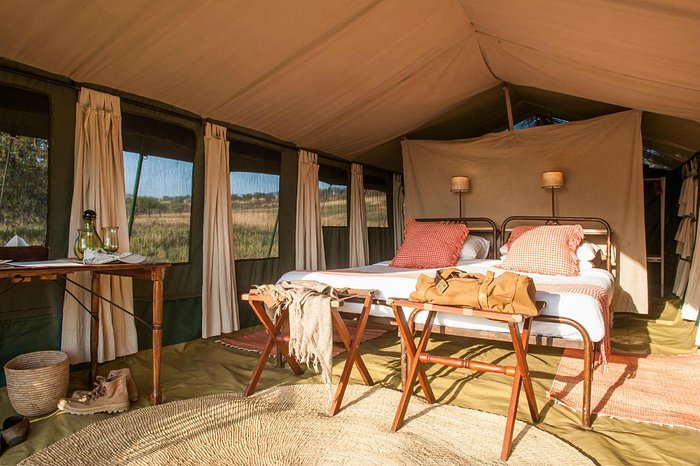
- Mid-Range Tented Camps: Providing comfortable canvas accommodation with en-suite facilities, offering a more ‘in the bush’ feel.
- Budget Campsites: For those on a tighter budget, offering basic facilities for camping.
Outside the park, particularly in the nearby towns of Mto wa Mbu and Karatu, you’ll find a wider range of hotels and lodges, from budget guesthouses to more upscale resorts. Choosing accommodation depends on your safari style and how much time you plan to spend in the park itself. For 2026-2027 bookings, early reservation is recommended, especially for popular lodges inside the park.
Comparing Lake Manyara to Other Northern Circuit Parks
To definitively answer if Lake Manyara is ‘worth it’, it’s essential to compare its offerings against the other major parks on the Northern Circuit. This helps in prioritizing and tailoring your 2026-2027 safari.
Lake Manyara vs. Serengeti
Serengeti: Vast, iconic, renowned for the Great Migration, huge wildebeest and zebra herds, excellent predator sightings (lions, cheetahs, leopards), diverse landscapes from open plains to acacia woodlands. It offers an unparalleled sense of scale and wildness. The downside can be its size, meaning more driving time to cover different areas, and it can get crowded in popular spots during peak season.
Lake Manyara: Compact, intimate, known for tree-climbing lions and large elephant herds, abundant birdlife, dramatic escarpment views, groundwater forests. It offers concentrated wildlife viewing and unique attractions. It lacks the sheer scale and migration spectacle of the Serengeti.
Verdict: If witnessing the Great Migration is your absolute priority, the Serengeti is non-negotiable. Lake Manyara is a valuable addition for its unique features and different landscape, offering a more concentrated experience. It’s not a replacement for the Serengeti but a wonderful complement.
Lake Manyara vs. Ngorongoro Crater
Ngorongoro Crater: A UNESCO World Heritage Site, a caldera with an incredibly high density of wildlife, including the ‘Big Five’ (lion, leopard, elephant, rhino, buffalo) in a relatively small area. It’s often described as a natural zoo due to the concentration of animals. Offers exceptional rhino sightings, which are rare elsewhere.
Lake Manyara: Offers a different ecosystem, with tree-climbing lions, large elephant herds, and birdlife being key attractions. It’s an open park rather than a caldera, with a more varied terrain extending up the escarpment.
Verdict: The Ngorongoro Crater offers an unmatched density of wildlife and a unique geological setting. Lake Manyara provides a distinct experience with its specific attractions. Both are highly recommended, and they are geographically close, making it easy to visit both. Manyara’s night drives are a significant advantage over the crater’s limitations.
Lake Manyara vs. Tarangire
Tarangire: Famous for its large elephant herds, especially during the dry season when they congregate around the Tarangire River. Also known for its iconic baobab trees and diverse birdlife. Offers a more classic savanna landscape and is often less crowded than Manyara or Ngorongoro.
Lake Manyara: Offers tree-climbing lions, a more diverse habitat mix (including groundwater forest), and a stunning escarpment backdrop. Its lake attracts significant birdlife, and it offers night game drives.
Verdict: Both parks are excellent for elephant sightings and birding. Tarangire is perhaps more renowned for its sheer number of elephants during the dry season. Lake Manyara distinguishes itself with the tree-climbing lions and the unique escarpment setting. They are often visited consecutively, providing a good contrast in landscapes and wildlife focus. For 2026-2027 safaris, choosing between them or including both depends on how much time you have and your specific interests.
Who is Lake Manyara Best Suited For?
Understanding who benefits most from visiting Lake Manyara can help you decide if it’s ‘worth it’ for your specific travel style and preferences.
- First-time Safari-Goers: Lake Manyara provides an excellent introduction to the Tanzanian safari experience. Its manageable size, diverse wildlife, and beautiful scenery offer a rewarding first encounter with African wildlife without being overwhelming.
- Bird Enthusiasts: With over 400 species recorded, Lake Manyara is a top destination for birdwatchers. The mix of wetland, forest, and savanna habitats supports a rich avian population.
- Photography Enthusiasts: The dramatic escarpment, colorful flamingos (seasonally), tree-climbing lions, and abundant wildlife offer numerous photographic opportunities. The variety of landscapes also adds to the visual appeal.
- Travelers Seeking Unique Wildlife Behavior: The chance to see lions lounging in trees is a major draw. For those interested in specific animal behaviors, Manyara is a prime location.
- Travelers Interested in Night Safaris: The availability of night game drives is a significant advantage, offering a chance to see nocturnal animals and a different side of the park.
- Travelers with Limited Time: Its proximity to Arusha and relatively small size make it ideal for shorter safaris or as a stopover on a longer Northern Circuit trip. A half-day or full-day here can still be highly rewarding.
- Families: The accessibility, variety of animals, and activities like walking safaris can be engaging for families. The baboon sightings are often a hit with children.
Potential Downsides or Considerations
While Lake Manyara offers many advantages, it’s also important to be aware of potential downsides or factors that might influence your decision on whether it’s ‘worth it’ for your 2026-2027 safari.
- Size and Crowds: Its compact size means that game drives can sometimes feel a bit confined, and popular spots might get crowded, especially during peak season. The main road that runs through the park can also experience traffic.
- Wildlife Density Compared to Ngorongoro: While Manyara has good wildlife, the sheer density of animals within the Ngorongoro Crater is usually higher. If maximum animal sightings in a confined space are your only goal, the Crater might take precedence.
- Seasonal Fluctuations: The visibility of flamingos, for example, is highly dependent on rainfall and lake levels. While wildlife is present year-round, the ‘spectacle’ of certain features can vary.
- Limited Scope for Multi-Day Exploration: For travelers seeking extensive exploration over multiple days, Manyara might feel too small. Its strength lies in its concentrated offerings rather than vastness.
Making Your Decision for 2026-2027: Is Lake Manyara Worth It For You?
Ultimately, the decision of whether Lake Manyara is ‘worth adding’ to your Tanzania safari in 2026 or 2027 depends on your personal priorities. Here’s a summary to help you weigh the pros and cons:
Include Lake Manyara If:
- You want to see the unique tree-climbing lions.
- You are a keen birdwatcher.
- You appreciate dramatic landscapes and scenic backdrops.
- You are interested in night game drives or walking safaris.
- You have at least 3-4 days for a Northern Circuit safari and want to experience its distinct offerings.
- You are looking for a more intimate and concentrated safari experience.
- You want to break up longer drives between Tarangire and Ngorongoro/Serengeti.
Consider Skipping Lake Manyara If:
- Your safari is very short (e.g., 2-3 days total) and focused solely on the absolute highlights like Ngorongoro and Serengeti.
- Your primary goal is witnessing the Great Migration and maximizing time in the Serengeti.
- You are looking for the highest possible density of Big Five sightings in one location (Ngorongoro Crater might be a stronger contender).
- You prefer vast, open plains and a sense of immense scale over a more contained park experience.
For most travelers undertaking a classic Northern Circuit safari, Lake Manyara offers enough unique value to make it a worthwhile inclusion. It provides a different perspective and a collection of experiences that enrich the overall journey. It’s a park that rewards exploration and offers a beautiful, diverse slice of Tanzania’s wildlife and landscapes.
When planning your 2026-2027 Tanzania safari and considering the inclusion of Lake Manyara, it’s highly beneficial to work with experienced local operators. They can help you craft an itinerary that balances the iconic parks with lesser-known gems and unique activities, ensuring you get the most out of your time and budget. They can also advise on the best times to visit based on wildlife movements and seasonal conditions.
For expert advice tailored to your specific interests and travel dates in 2026 or 2027, get in touch with Climb 4 Africa. We specialize in creating unforgettable Tanzanian safari experiences, incorporating parks like Lake Manyara to create a well-rounded and enriching adventure. Contact us via WhatsApp at +255 747 477 898 or email us at climb4africa@gmail.com to discuss your dream safari.
Frequently Asked Questions About Lake Manyara
Is Lake Manyara better than Tarangire?
It’s not about ‘better,’ but ‘different.’ Tarangire is renowned for its massive elephant herds, especially in the dry season, and its iconic baobab trees. Lake Manyara is famous for its tree-climbing lions, dense groundwater forests, and the Rift Valley escarpment backdrop. Both offer excellent birdwatching. For a 2026-2027 safari, including both provides a great contrast in landscapes and wildlife focus.
Can you see the Big Five in Lake Manyara?
Yes, it is possible to see all of the Big Five (lion, leopard, elephant, buffalo, and rhino) in Lake Manyara, though rhino sightings are rare. Lions, elephants, and buffalo are commonly seen. Leopards are present but elusive. The Ngorongoro Crater is generally considered a more reliable place for Big Five sightings, especially rhinos.
How many days are recommended for Lake Manyara?
Most visitors find that half a day to one full day is sufficient to experience Lake Manyara National Park. This allows for a comprehensive game drive and perhaps one additional activity like a night drive or walking safari. If time is very limited, even a half-day visit can be rewarding.
When is the best time to visit Lake Manyara for flamingos?
The presence of flamingos at Lake Manyara is highly dependent on rainfall and lake levels. Generally, the best chances to see large flocks are during the wet season (November to May) when the lake is full. However, numbers can fluctuate significantly year to year, so it’s not guaranteed. The dry season offers excellent wildlife viewing for other species.
Are night game drives available in Lake Manyara?
Yes, Lake Manyara is one of the few national parks in Tanzania that offers guided night game drives. This is a significant attraction, providing an opportunity to see nocturnal animals that are not visible during daytime game drives. These drives typically occur in designated areas and come with an additional fee.
Is Lake Manyara suitable for a day trip from Arusha?
Absolutely. Lake Manyara is a popular choice for a day trip from Arusha due to its relatively short driving distance (2-3 hours each way). A day trip allows for a morning game drive, often including lunch, and a return to Arusha in the late afternoon. It’s a great option for those with limited time who want a taste of a Tanzanian national park.
Check Availability for Is Lake Manyara Worth Adding To A Tanzania Safari In ? 2026-2027
Ready to compare dates, prices, and the best option for your group? Send the package name and travel month so the team can reply with a clear quote, availability, and what is included.
Affordable African Safari Packages: Your Guide To Budget-Friendly Tanzania
Discover how to plan and book affordable African safari packages for 2026-2027. This guide provides practical advice on choosing budget-friendly Tanzania tours, understanding costs, and...
View package details
Kenya And Tanzania Combined Safari Packages: Ultimate Guide 2026-2027
Discover the unparalleled adventure of combining Kenya and Tanzania for a comprehensive East African safari. This guide details everything you need to know for planning your 2026-2027...
View package details
3-Day Serengeti And Ngorongoro Safari: Your Ultimate Tanzania Wildlife
start a concise yet unforgettable 3-day Serengeti and Ngorongoro safari, designed to maximize wildlife encounters in Tanzania's most celebrated parks. This compact adventure offers a taste...
View package details
Serengeti Safari And Zanzibar Beach Holiday: The Ultimate Tanzania
Combine the thrill of a Serengeti safari with the relaxation of a Zanzibar beach holiday. This guide covers everything you need to know for an unforgettable Tanzania adventure in 2026-2027...
View package details
Tanzania Safari And Zanzibar All-Inclusive Packages Guide
Combine the thrill of a Tanzanian wildlife safari with the serene beauty of Zanzibar on an all-inclusive package. This comprehensive guide covers everything you need to know for planning...
View package details
Are African Safari Prices Per Person Or Vehicle? Understanding Tanzania Costs
African safari costs can be confusing. This guide clarifies whether prices are quoted per person or per vehicle, detailing factors that influence your 2026-2027 safari budget in Tanzania.
View package details
Is Tanzania Or Kenya Better For Safari? A Detailed Comparison 2026-2027
Comparing Tanzania and Kenya for your next safari? This in-depth guide breaks down wildlife viewing, landscapes, costs, and optimal travel times to help you choose the perfect East African...
View package details
Luxury African Safari Packages: The Ultimate Tanzania Experience In 2026-2027
Explore the pinnacle of African adventure with luxury safari packages in Tanzania. This guide details exclusive lodges, tailor-made itineraries, and the best wildlife experiences for your...
View package details
Tanzania Safari Tours & Packages /: Your Ultimate Wildlife Adventure 2026-2027
Discover the magic of Tanzania with expertly crafted safari tours and packages for 2026 and 2027. From the vast plains of the Serengeti to the depths of the Ngorongoro Crater, find your...
View package detailsBest African Safari Tours & Vacation Packages /: Your Ultimate Tanzania
start an unforgettable African safari adventure in 2026/2027 with expertly curated tours and vacation packages in Tanzania's most iconic wildlife destinations. From the Serengeti to the...
View package details
Private Tanzania Safari Packages: Your Ultimate Guide For 2026-2027
Discover the unparalleled freedom and personalized experience of a private Tanzania safari package. This comprehensive guide for 2026-2027 explores custom itineraries, key destinations like...
View package detailsLuxury Tanzania Safari Tours 2026-2027
Luxury Tanzania Safari Tours is explained with current 2026-2027 planning, price, itinerary and booking information.
View package detailsNo related package matches those filters. Clear one or more filters to see the other topic-matched options.



