
For the best chance of witnessing the dramatic wildebeest river crossings in September, you should book a safari that includes at least 3 to 4 nights in the western or northern Serengeti. This duration allows flexibility to track the herds, as migration timing can vary, and provides ample opportunity to position yourself near the Mara River, the most likely crossing point during this period. Planning for 2026 or 2027 should factor in booking well in advance for September, as it’s a peak viewing season.
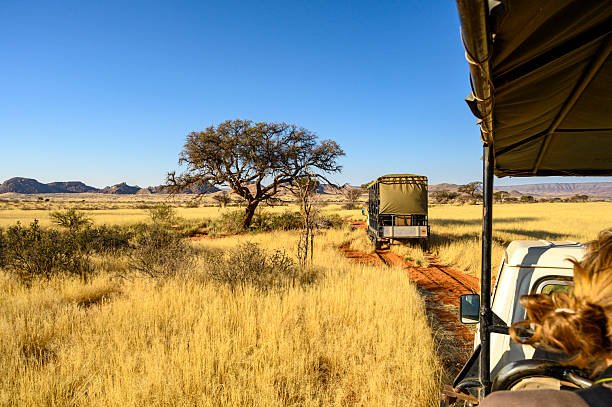

Understanding Wildebeest Migration Timing in September
September is a truly pivotal month for the Great Wildebeest Migration, marking a significant phase as the herds navigate towards their calving grounds and then begin their journey north. The iconic river crossings, particularly of the Mara River, are often at their most dramatic during this time. This isn’t just a static event; it’s a dynamic movement dictated by rainfall, grazing patterns, and predator presence. Therefore, understanding the nuances of the migration in September is crucial for determining the ideal safari length.
The wildebeest are typically moving from the central and western Serengeti towards the northern Serengeti and into the Maasai Mara National Reserve in Kenya. The Mara River, a formidable natural barrier, becomes a focal point as thousands of wildebeest must cross it to access fresh pastures. However, the exact timing and location of these crossings can fluctuate year by year, and even day by day. A herd might attempt a crossing and be deterred by crocodiles or perceived danger, only to try again miles downstream or the following day. This unpredictability is precisely why a flexible safari duration is so important.
For travelers targeting September 2026 or September 2027, the general pattern holds, but it’s wise to consult with local experts who monitor the migration’s progress in real-time. They can provide the most up-to-date information closer to your travel dates, helping to fine-tune your itinerary and maximize your viewing opportunities. The sheer scale of the event, with an estimated 1.5 million wildebeest, 200,000 zebras, and 400,000 gazelles, makes it one of nature’s most awe-inspiring spectacles, and September offers prime viewing.
Why 3-4 Nights is the Sweet Spot for September Crossings
When aiming to witness the wildebeest crossing the Mara River in September, a safari of 3 to 4 nights dedicated to the northern or western Serengeti offers the best balance between maximizing your chances and enjoying a comprehensive safari experience. Let’s break down why this duration is recommended and what it entails:
Maximizing Viewing Opportunities
The Mara River crossings are not guaranteed daily events. Herds gather along the riverbanks, sometimes for days, before conditions are right for a crossing. They might test the waters, get spooked, or wait for specific triggers. By staying for 3 to 4 nights, you significantly increase the probability that you will be present during a successful crossing. If you only stay for 1 or 2 nights, you might miss the window entirely. This duration allows your guide ample time to scout different sections of the river and follow the herds’ movements.
Flexibility to Track the Herds
The migration is a moving target. While September is generally associated with the northern Serengeti and Mara River, the exact location of the densest herds can shift. A 3-4 night stay provides the necessary flexibility to move between different areas within the northern sector or even to focus on the western corridor if the herds are lagging or moving unusually. This adaptability is key to a successful sighting, especially when specific wildlife events like river crossings are the primary goal.
Experiencing More Than Just Crossings
While river crossings are a major draw, the Serengeti offers incredible wildlife viewing throughout. A 3-4 night stay in a prime migration area allows you to experience the full spectrum of the ecosystem. You’ll have opportunities to see predators like lions, cheetahs, and leopards interacting with the vast herds, witness other plains game, and absorb the sheer scale and beauty of the Serengeti landscape. This extended time ensures you don’t just chase a single event but enjoy a rich, multi-faceted safari.
Logistical Considerations
Factor in travel time. Reaching the northern Serengeti, especially from popular entry points like Arusha, involves flights or long drives. A 3-4 night stay ensures that your time on the ground isn’t disproportionately consumed by transit. It allows for at least two full days of game driving, which is essential for covering ground and increasing sighting probabilities. For a 2026 or 2027 trip, booking lodges or mobile camps in these remote northern areas requires early planning, as availability can be limited.
Where to Focus Your September Safari for Wildebeest Crossings
In September, the primary focus for witnessing wildebeest crossings is the northern Serengeti National Park, particularly along the Mara River. However, understanding the broader ecosystem and potential alternative locations is also beneficial.
The Northern Serengeti and the Mara River
The Mara River is the star attraction for September migration viewing. This powerful river forms part of the border between Tanzania’s Serengeti National Park and Kenya’s Maasai Mara National Reserve. As the wildebeest move north, they are often funneled towards this river. The sheer volume of animals attempting to cross, often with predators lurking on the banks and in the water, creates some of the most dramatic wildlife scenes imaginable. Viewing points along the Mara River can include areas like:
- Kogatende area: This is a prime location within the northern Serengeti, offering excellent access to the Mara River and the surrounding plains where herds congregate. Camps and lodges in this region are strategically positioned for migration viewing.
- Lamai Wedge: A particularly famous section of the Mara River known for intense crossing activity. Access might be more restricted or require specific vehicle positioning.
It’s important to note that crossings are not confined to one specific spot. Herds can cross at multiple points along the river, and their decisions are unpredictable. Your safari guide’s expertise in tracking and understanding animal behavior will be invaluable here.
The Western Corridor (Grumeti River)
While the Mara River is the main event in September, the Grumeti River in the western Serengeti can sometimes offer spectacular crossings earlier in the migration cycle or if the herds’ movements are atypical. The Grumeti is known for its large crocodiles, which add another layer of danger and drama to any crossing attempt. However, by September, the majority of the migration has typically moved further north. If you are traveling in early September and hear reports of significant activity in the west, it could be worth considering, but it’s generally a secondary option for this month.
Considerations for 2026-2027 Planning
When booking for September 2026 or September 2027, it’s essential to secure accommodation in the northern Serengeti well in advance. Lodges and tented camps in Kogatende and surrounding areas fill up rapidly due to the high demand for migration viewing. Mobile camps that follow the migration can also be an excellent option, offering a more intimate and closer-to-the-action experience, but they also require early booking and can be more expensive.
What Influences Crossing Success?
Several factors influence whether a wildebeest crossing occurs and its success rate:
- Rainfall: Recent rains dictate where fresh grazing is available. If the best grass is on the other side of the river, the wildebeest will be more motivated to cross.
- Predator Pressure: Lions, hyenas, and wild dogs can sometimes ‘herd’ the wildebeest towards the river, initiating a crossing.
- Herd Size: Larger herds often create a sense of safety in numbers, encouraging some individuals to make the leap.
- Calmness: A perceived sense of calm or a lack of immediate danger can prompt the first brave individuals to enter the water.
- Time of Day: Crossings can happen at any time, but dawn and dusk are often popular for predator activity, which can sometimes trigger movement.
Beyond the Crossings: Other September Safari Highlights
While the wildebeest crossings are a prime objective for many visitors in September, the Serengeti and surrounding areas offer a wealth of other incredible wildlife encounters and experiences. A 3-4 night stay ensures you have time to appreciate these as well.
Predator Activity
September is a fantastic month for predator sightings. With the massive herds of wildebeest and zebras present, lions, cheetahs, leopards, hyenas, and wild dogs have an abundant food source. You’re likely to witness thrilling hunts, territorial disputes, and the general dynamics of the predator-prey relationship. The open plains of the Serengeti are ideal for spotting cheetahs on the hunt, while the riverine areas and kopjes offer opportunities to find lions and leopards.
Birdwatching
The Serengeti is a birdwatcher’s paradise, and September falls within a period of good avian activity. While it’s not peak breeding season for migratory birds (which typically arrive later in the year), resident species are abundant, and you can spot a remarkable variety of raptors, ground birds, and water birds. Keep an eye out for species like the Secretarybird, Kori Bustard, Ostrich, and various eagles and vultures.
The Serengeti Landscape
The vast, rolling plains of the Serengeti, dotted with acacia trees and dramatic kopjes, are a spectacle in themselves. September typically brings drier weather, meaning the landscape is golden and offers excellent visibility for game viewing. The sense of space and the raw beauty of this iconic African wilderness are profound. Sunrise and sunset in the Serengeti are particularly magical, painting the sky with vibrant colors over the endless plains.
Other Plains Game
Beyond the wildebeest, you’ll encounter large herds of zebras and various species of gazelles (Thomson’s and Grant’s) throughout the Serengeti. Giraffes, elephants (though less common in the far north compared to other parks), buffaloes, and a host of smaller mammals like warthogs, dik-diks, and mongooses are also present and readily observable.
Cultural Encounters
Depending on your itinerary, you might have opportunities for cultural experiences, such as visiting a Maasai village. These interactions offer a glimpse into the traditional way of life of the Maasai people, who have coexisted with the wildlife of this region for centuries. For planning 2026 or 2027 safaris, inquire about incorporating such enriching experiences.
Comparing Safari Durations: What Does Less or More Time Mean?
Deciding on the right number of nights for your September wildebeest crossing safari involves weighing various factors, including your budget, time constraints, and the intensity of your wildlife viewing goals. Here’s a comparison of different durations:
1-2 Nights: The Short Safari
Pros: Ideal for travelers with very limited time or those on a tighter budget. It allows a brief glimpse of the Serengeti and potentially the migration. It might be feasible if you’re combining it with other activities like Kilimanjaro climbs or Zanzibar visits.
Cons: Significantly reduces your chances of witnessing a river crossing. You might only catch the tail end of the herds or miss them entirely. The focus would likely be more on general game viewing in a specific area rather than actively tracking the migration’s most dramatic event. Travel time to remote northern camps can eat up a large portion of this short stay.
Best suited for: Travelers with very limited time or those prioritizing other destinations in Tanzania, using the Serengeti for a brief highlight.
3-4 Nights: The Recommended Duration
Pros: Offers a strong balance. It significantly increases your odds of seeing a river crossing, allows for exploration of different areas within the northern Serengeti, provides ample time for predator sightings, and minimizes the impact of travel time on your safari experience. This is the sweet spot for migration crossing focus.
Cons: Requires a greater time commitment and budget than shorter safaris. You might still, by chance, miss a crossing if the timing is exceptionally unusual, but the probability is much lower.
Best suited for: Travelers whose primary goal is to see the wildebeest river crossings, while also enjoying a comprehensive Serengeti safari experience.
5+ Nights: The in-depth Safari
Pros: Provides the highest probability of witnessing a crossing. It allows for in-depth exploration of the northern Serengeti, potentially venturing into more remote areas. It offers maximum flexibility to wait for crossings, follow herds, and experience the ecosystem at a relaxed pace. You can also combine different camps or lodges within the northern sector for varied perspectives.
Cons: Requires a significant time and financial investment. For some, a very long stay in one region might feel repetitive if their sole focus is the crossings, though the Serengeti’s vastness usually prevents this.
Best suited for: Dedicated wildlife enthusiasts, photographers, or those who want the ultimate, most comprehensive Serengeti migration experience without compromise. This duration is excellent for 2026-2027 planning for those seeking an in-depth adventure.
Key Planning Considerations for September 2026-2027 Safaris
- Book Early: September is peak season. For the best lodges, tented camps, and flight availability, especially in the northern Serengeti, book 12-18 months in advance for 2026 and 2027.
- Location is Key: Ensure your accommodation is in or very near the northern Serengeti (Kogatende area) to be close to the Mara River.
- Guided Safaris: A reputable tour operator with experienced guides is essential. They have the knowledge to track the migration and the expertise to position you for potential crossings.
- Flights: Consider flying into the Kogatende airstrip (or nearby airstrips) to save considerable travel time compared to driving from Arusha or Kilimanjaro International Airport.
- Weather: September is generally dry and sunny, with cooler mornings and evenings. Pack layers.
- Photography: If photography is a priority, discuss this with your operator. Specialized vehicles and guides can enhance your experience.
Choosing Your Accommodation: Lodges vs. Tented Camps
The type of accommodation you choose in the northern Serengeti can significantly impact your safari experience, especially when your goal is to see wildebeest crossings in September. Both lodges and tented camps offer unique advantages.
Luxury Lodges
Permanent lodges in the northern Serengeti offer solid structures, often with amenities like swimming pools, fine dining, and spacious rooms with en-suite bathrooms. They provide a comfortable and reliable base, unaffected by weather. Lodges are a good choice for those who prioritize comfort and a more conventional hotel experience.
- Pros: High level of comfort, excellent amenities, reliable facilities, can be booked year-round.
- Cons: Can sometimes feel less ‘wild’ or in-depth than tented camps, often larger and with more guests.
Tented Camps (Permanent and Mobile)
Tented camps range from very luxurious ‘glamping’ experiences to more rustic, but still comfortable, setups. Permanent tented camps are set up in one location and offer en-suite bathrooms and comfortable furnishings. Mobile tented camps are seasonal and move with the migration, offering a truly in-depth experience often closer to the action. They provide a fantastic sense of being in the heart of the wilderness.
- Pros: Highly in-depth, closer connection to nature, often smaller and more intimate, mobile camps offer flexibility.
- Cons: Can be more susceptible to weather, amenities might be slightly more basic (though still excellent in luxury camps), mobile camps have limited availability and need early booking.
For September 2026 or 2027, consider a mobile tented camp if you want to be as close as possible to the Mara River crossing points. However, permanent tented camps and lodges in Kogatende also provide excellent access and comfort.
The Role of Your Safari Guide and Operator
Your choice of safari operator and the expertise of your guide are paramount when trying to witness the wildebeest crossings in September. This is not a static attraction; it requires knowledge, experience, and real-time information.
Expert Tracking and Knowledge
Experienced guides understand the migration’s patterns, the behavior of wildebeest, and the environmental factors that influence crossings. They maintain communication with other guides and park rangers to get real-time updates on herd movements and potential crossing sites. This constant information flow is critical for positioning you correctly.
Vehicle and Access
Your operator will provide a suitable 4×4 safari vehicle, essential for navigating the often challenging terrain of the Serengeti. The vehicle should be equipped for game viewing, with pop-up roofs or open sides for unobstructed photography. Understanding park rules regarding off-road driving and conservation is also crucial, and a good operator ensures these are followed.
Logistics and Planning
A reputable operator like Climb 4 Africa handles all the complex logistics: booking flights to remote airstrips, securing accommodation, arranging park fees, and ensuring smooth transfers. This allows you to focus entirely on the wildlife experience. For your 2026 or 2027 September trip, entrusting these details to experts is wise.
Customization
When you contact a local operator, you can discuss your specific interests, such as photography, and they can tailor your itinerary accordingly. They can advise on the best duration, accommodation, and specific areas to focus on based on current migration predictions. For instance, they can help you decide if 3 nights are sufficient or if 4 nights would be significantly better for your specific travel dates in September 2026 or 2027.
Ready to plan your unforgettable wildebeest crossing safari? Contact Climb 4 Africa today to discuss your ideal itinerary for September 2026 or 2027. Our local experts can help you craft a trip that maximizes your chances of witnessing this incredible spectacle. Reach out via WhatsApp at +255 747 477 898 or email us at climb4africa@gmail.com to start planning.
Is it Possible to See Crossings with Fewer Than 3 Nights?
While 3-4 nights is strongly recommended for a high probability of seeing wildebeest crossings in September, it is technically possible, though highly unlikely, to witness a crossing with fewer nights. However, this would be a matter of extreme luck rather than good planning.
The Element of Chance
If you book a 1 or 2-night safari in the northern Serengeti in September, you are essentially relying on the wildebeest deciding to cross the Mara River during the very short window of your stay. You would need to be in the right place at the right time. This could mean arriving just as a major crossing is underway, or a crossing happening on the only full day you have available for game drives.
Why It’s Not Advisable
Relying on such a slim chance is not a recommended strategy for an event as significant and sought-after as the Mara River crossing. The cost of reaching the northern Serengeti and staying in its exclusive camps or lodges is substantial. Spending this money for just 1-2 nights when the primary goal is a specific, unpredictable event would be a significant gamble. The disappointment of missing the crossing after investing considerable time and money can be immense.
Furthermore, short stays in remote areas like the northern Serengeti mean that travel time to and from the airstrip, check-in procedures, and packing up to leave can consume a significant portion of your limited safari time. This leaves even less time for actual game viewing and waiting for the migration.
Alternative Strategies for Shorter Stays
If you have less than 3 nights, it might be more practical to:
- Focus on general game viewing in a more accessible part of the Serengeti (e.g., central or southern) where sightings are more consistent, though river crossings are less likely in September.
- Consider visiting a different park known for reliable wildlife viewing during your limited time.
- Accept that a very short trip might mean you are primarily experiencing the Serengeti’s vastness and other wildlife, with crossings being a ‘bonus’ if luck strikes.
For travelers planning for 2026 or 2027 with less than 3 nights available for the migration viewing areas, it’s crucial to manage expectations and perhaps adjust the primary goal of the safari.
Maximizing Your Chances: Tips for September River Crossings
Even with the recommended duration, actively taking steps can further enhance your chances of witnessing a dramatic wildebeest river crossing in September.
Choose Your Operator Wisely
As mentioned, a local operator with a strong reputation for migration tracking is indispensable. They will have the most up-to-date information. For instance, if you’re booking for September 2026 or 2027, an operator like Climb 4 Africa will be monitoring migration reports throughout 2025 and 2026 to advise clients.
Communicate with Your Guide
Don’t hesitate to discuss your primary goal with your guide daily. Let them know you’re particularly keen on witnessing a crossing. They will prioritize areas along the Mara River and keep you informed about any potential activity they hear about.
Be Patient and Flexible
Witnessing a crossing often requires patience. You might spend hours waiting by the riverbank, watching the herds mill about, before they finally make their move. Be prepared for long waits, early mornings, and late evenings spent in prime viewing locations. Flexibility in your daily schedule is key; your guide might suggest an unexpected change of plans if there’s a credible report of impending action.
Understand the ‘Why’ Behind the Wait
A good guide will explain why the animals are hesitant to cross – perhaps the water is too high, the current too strong, or a predator is too close. Understanding these dynamics adds depth to the experience, even while you wait.
Consider a Mobile Camp
If your budget allows and availability permits for 2026 or 2027, a mobile tented camp that moves with the migration can place you closer to the action. These camps are often set up in strategically chosen locations, sometimes very near the Mara River, offering unparalleled access.
Manage Expectations
While September is a prime month, nature is unpredictable. Sometimes, even with the best planning, the crossings might be smaller, less dramatic, or occur at a different location than anticipated. Enjoying the entire Serengeti experience, including the incredible predator action and vast landscapes, will ensure a fulfilling safari regardless of whether you witness a crossing.
The Cost Factor: How Duration Impacts Safari Price
The number of nights you book directly influences the overall cost of your Tanzania safari. Understanding this relationship is crucial for budgeting your 2026 or 2027 trip.
Per-Night Costs
Safari costs are typically calculated on a per-person, per-night basis. This rate usually includes:
- Accommodation (lodge or tented camp)
- All meals (breakfast, lunch, dinner)
- Park entrance fees
- Game drives in a 4×4 vehicle with a professional guide
- Drinks (sometimes limited, check inclusions)
- Transfers (e.g., from the airstrip to the camp)
The northern Serengeti is generally one of the more expensive regions due to its remoteness, the exclusivity of camps, and the high demand during migration season. Prices for luxury lodges and high-end tented camps in September can range significantly, but expect figures from $600 to $1500+ per person per night, sometimes even higher for ultra-luxury options.
Calculating Total Cost
A 3-night safari would therefore cost approximately 3 times the per-night rate for accommodation and associated services. A 4-night safari would be 4 times that rate, plus any additional park fees or specific activity costs.
Additional Costs to Consider
- International flights to Kilimanjaro International Airport (JRO) or other entry points.
- Domestic flights within Tanzania (e.g., Arusha to Kogatende airstrip). These can range from $350 to $550 per person round trip.
- Tips for guides and lodge staff.
- Travel insurance.
- Visa fees.
- Personal expenses (souvenirs, alcoholic beverages, etc.).
Value Proposition
While a 3-4 night stay is more expensive than a 1-2 night stay, it offers significantly better value in terms of achieving your primary goal: seeing the wildebeest crossings. The increased probability of success and the richer overall experience often justify the additional investment for many travelers planning for 2026 or 2027.
For a personalized quote tailored to your specific needs and budget for September 2026 or 2027, please reach out to our team at Climb 4 Africa. We can help you navigate the costs and find the best value for your dream migration safari.
Frequently Asked Questions About September Wildebeest Crossings
Q1: Are wildebeest crossings guaranteed in September?
No, wildebeest crossings are a natural phenomenon and cannot be guaranteed. While September is a prime month with a high probability, timing and success depend on environmental factors. A 3-4 night stay significantly increases your chances.
Q2: Which is the best location in Tanzania for September crossings?
The northern Serengeti National Park, specifically along the Mara River, is the prime location for witnessing wildebeest crossings in September. Areas like Kogatende are particularly popular.
Q3: How far in advance should I book for September 2026 or 2027?
For September, which is peak migration season, it is highly recommended to book at least 12-18 months in advance. This secures the best lodges, tented camps, and internal flight availability.
Q4: What is the typical weather like in the Serengeti in September?
September is generally dry and sunny, marking the end of the dry season. Daytime temperatures are pleasant, and evenings can be cool. It’s an excellent month for wildlife viewing due to good visibility.
Q5: Can I combine a wildebeest crossing safari with a Kilimanjaro climb?
Yes, many travelers combine a Serengeti safari with a Kilimanjaro climb. It’s advisable to do the safari after the climb to relax and recover, or vice versa. Ensure you allow adequate travel time between destinations.
Final Decision: How Many Nights for Your September Wildebeest Crossing Safari?
Based on maximizing your chances of witnessing the spectacular wildebeest crossings of the Mara River, the definitive answer for September travel is to book a safari that includes a minimum of 3 to 4 nights specifically in the northern Serengeti region. This duration provides the necessary flexibility and time to track the herds, wait patiently by the riverbanks, and increase your odds of experiencing this awe-inspiring natural event.
While shorter trips might catch lightning in a bottle, they rely heavily on luck and significantly diminish your probability of success, making the investment potentially less rewarding. Conversely, longer stays offer unparalleled immersion and the highest certainty, but come with increased costs and time commitments.
For planning your 2026 or 2027 September safari, remember that early booking is paramount, especially for the sought-after accommodations in the northern Serengeti. Consulting with experienced local operators like Climb 4 Africa is key to crafting an itinerary that aligns with your goals, budget, and desired level of comfort.
Ready to witness one of nature’s greatest spectacles? Let Climb 4 Africa help you plan your perfect wildebeest crossing safari for September 2026 or 2027. Our expertise ensures you’ll have the best possible opportunity to see the migration’s dramatic river crossings. Contact us today to begin planning your adventure:
- WhatsApp: +255 747 477 898
- Email: climb4africa@gmail.com
- Website: Climb 4 Africa
We look forward to helping you create an unforgettable Tanzanian safari experience!
Check Availability for How Many Nights For Wildebeest Crossings In September? 2026-2027
Ready to compare dates, prices, and the best option for your group? Send the package name and travel month so the team can reply with a clear quote, availability, and what is included.
We Want Safari First And Zanzibar After, How Many Nights Should We Spend In
We want safari first and Zanzibar after, how many nights should we spend in each? is explained with current 2026-2027 planning, price, itinerary and booking.
Where To Stay To See The Great Migration In July 2026-2027
July is a prime month for witnessing the Great Migration in Tanzania. This guide details where to stay to maximize your chances of seeing this incredible wildlife spectacle, focusing on the…
Private Serengeti Safari For Two: What To Book 2026-2027
This comprehensive guide helps couples and pairs book their ideal private Serengeti safari for 2026-2027, covering lodge choices, vehicle options, itinerary planning, and essential booking…
I Am Visiting Serengeti In September, Should I Stay Near Kogatende? 2026-2027
I am visiting Serengeti in September, should I stay near Kogatende? is explained with current 2026-2027 planning, price, itinerary and booking information.
I Want To Photograph Wildlife In Serengeti, How Many Nights Do I Need?
I want to photograph wildlife in Serengeti, how many nights do I need? is explained with current 2026-2027 planning, price, itinerary and booking information.
Serengeti Safari: How Many Days Should You Stay In ? 2026-2027
Deciding how many days to spend in the Serengeti is crucial for an impactful safari. This comprehensive guide helps you determine the optimal duration based on your interests, budget, and…
I Want To Do Ngorongoro And Serengeti As A Solo Traveller, How Should I Book?
I want to do Ngorongoro and Serengeti as a solo traveller, how should I book? is explained with current 2026-2027 planning, price, itinerary and booking.
No related package matches those filters. Clear one or more filters to see the other topic-matched options.



