
To avoid safari scams in Tanzania, thoroughly research and vet tour operators, prioritize those with clear communication and verifiable credentials, understand all contract terms before booking, be wary of unusually low prices, and trust your instincts, especially when dealing with unsolicited offers or high-pressure sales tactics. For 2026-2027 travel, early booking with established, transparent companies like Climb 4 Africa is a key strategy for a secure and authentic experience.
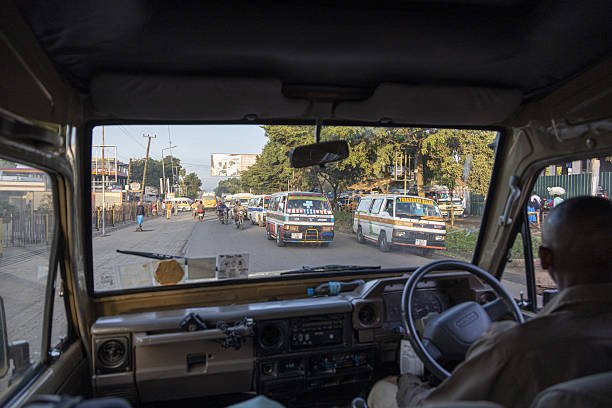
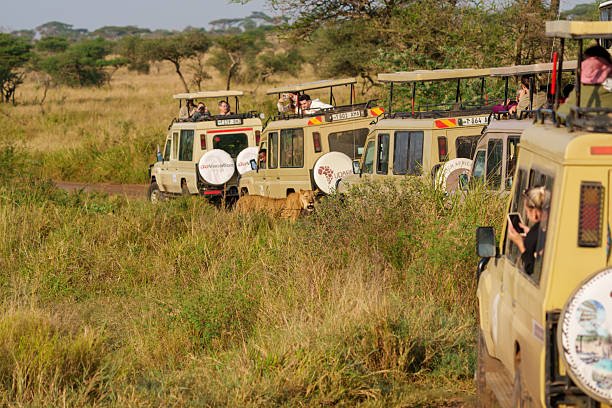
Understanding the Safari Landscape and Potential Pitfalls
Tanzania is a premier safari destination, drawing hundreds of thousands of visitors each year to witness the Great Migration, scale Mount Kilimanjaro, and relax on Zanzibar’s shores. This popularity, while wonderful for the country and travelers alike, also attracts individuals and entities looking to profit unfairly from unsuspecting tourists. The vastness of the country, the complexities of travel logistics, and the sometimes-limited access to reliable real-time information can create opportunities for scams. These range from simple overcharging to more elaborate schemes involving non-existent services or misrepresented accommodations.
As a local operator deeply invested in Tanzania’s tourism integrity, Climb 4 Africa understands these challenges intimately. We’ve seen how a few bad actors can cast a shadow over the incredible experiences most visitors have. Our goal is to equip you with the knowledge to navigate this landscape confidently, ensuring your 2026 or 2027 safari is everything you dreamed of, without the stress of potential deception. Avoiding safari scams in Tanzania is not about fear; it’s about informed decision-making. It means knowing what to look for, what questions to ask, and where to find trustworthy support.
The most common scams often exploit a traveler’s excitement and unfamiliarity with local practices. This can include inflated prices for park fees, misleading information about vehicle quality, promises of exclusive wildlife sightings that are unlikely, or even fake booking confirmations. For those planning trips in 2026-2027, the digital age brings new avenues for scams, such as sophisticated phishing websites or fake social media profiles impersonating legitimate tour companies. By understanding the typical tactics and knowing how to verify information, you significantly reduce your risk.
1. Vetting Your Tour Operator: The Cornerstone of Scam Avoidance
The single most crucial step in avoiding safari scams in Tanzania is choosing a reputable and trustworthy tour operator. This isn’t just about finding the cheapest option; it’s about partnering with a company that values transparency, delivers on its promises, and has a solid track record. For your 2026 or 2027 safari, dedicate significant time to this vetting process.
Online Presence and Reputation
Start with their website. A professional, informative, and up-to-date website is a good indicator. Look for:
- Detailed Itineraries: Does the site offer comprehensive day-by-day plans, not just vague descriptions?
- Company Information: Is there an ‘About Us’ section detailing their history, mission, and the people behind the company? Are they locally based or have a strong local presence?
- Contact Information: Are there multiple ways to get in touch – a physical address, phone number, and email? A dedicated WhatsApp number for immediate queries, like our +255 747 477 898, is often a sign of accessibility.
- Reviews and Testimonials: Look beyond testimonials on their own site. Check independent review platforms like TripAdvisor, Google Reviews, and specialist safari forums. Be discerning: a few negative reviews are normal, but a pattern of complaints about broken promises, poor service, or dishonesty is a major red flag. For example, seeing consistent positive feedback on platforms like TripAdvisor for companies like Climb 4 Africa indicates reliability.
Accreditation and Affiliations
While not always a foolproof guarantee, look for affiliations with recognized tourism bodies in Tanzania. These can include membership in organizations like the Tanzania Association of Tour Operators (TATO). These memberships often require adherence to certain ethical and operational standards.
Years in Operation and Specialization
Companies that have been operating for a significant number of years, especially in Tanzania, often have established networks and a deeper understanding of the local tourism ecosystem. If they specialize in areas relevant to your trip (e.g., Kilimanjaro climbs, Northern Circuit safaris, Zanzibar), they are likely to have more expertise and a better grasp of potential issues. Climb 4 Africa, for instance, has extensive experience in both Kilimanjaro treks and diverse Tanzanian safaris, offering a specialized yet comprehensive service.
Communication Style
How does the company communicate with you? Are they:
- Responsive? Do they answer your questions promptly and thoroughly?
- Transparent? Are they upfront about what’s included and excluded? Do they explain park fees, conservation fees, and potential surcharges clearly?
- Patient? Do they allow you time to consider your options without aggressive sales tactics?
A company that avoids direct answers, uses vague language, or rushes you into a decision might be hiding something. For your 2026-2027 planning, prioritize operators who make you feel informed and comfortable, not pressured.
Local vs. International Operators
Both local and international operators can be legitimate. However, local operators based in Tanzania, like Climb 4 Africa, often have more intimate knowledge of the ground realities, better relationships with local service providers (lodges, guides, drivers), and can potentially offer more competitive pricing by cutting out intermediary markups. They are also directly invested in the local economy and community. When choosing an international operator, ensure they work with trusted local ground handlers and are transparent about who these partners are.
Red Flags During Initial Contact
Be cautious if an operator:
- Asks for full payment upfront without a clear contract.
- Offers prices significantly lower than comparable operators.
- Avoids detailed questions about logistics or inclusions.
- Has a poor or non-existent online presence.
- Encourages communication only through informal channels like personal WhatsApp or unverified email addresses without a formal booking process.
Thorough vetting is your first and best defense against safari scams in Tanzania. It requires diligence, but the peace of mind it provides for your 2026-2027 adventure is invaluable.
2. Deciphering Safari Pricing: When a Deal Seems Too Good to Be True
Safari pricing in Tanzania can be complex, influenced by numerous factors including the time of year, type of accommodation, duration, number of people, and the specific parks visited. This complexity can be exploited by scammers offering unbelievably low prices designed to lure you in, only to reveal hidden costs or provide substandard services.
The True Cost of a Tanzanian Safari
A realistic safari price in Tanzania reflects several key components:
- Park and Conservation Fees: These are set by the Tanzanian government and are significant. For example, Serengeti National Park fees can be around $70-80 USD per person per 24 hours, plus vehicle entry fees. Ngorongoro Conservation Area fees are also substantial. These fees are non-negotiable and must be paid.
- Accommodation: Lodges and tented camps vary widely in price, from budget-friendly to ultra-luxury. The quality and location of your accommodation significantly impact the overall cost.
- Vehicle and Guide: Safari vehicles (typically 4×4 Land Cruisers) are expensive to maintain and operate in rugged conditions. Highly experienced, knowledgeable guides are also a valuable asset that commands a professional rate.
- Food and Drinks: Meals provided during the safari, especially in remote locations, add to the cost.
- Crew Costs: For longer safaris, this includes driver/guides, cooks, and support staff.
- Operator’s Margin: Legitimate operators need to make a profit to sustain their business, pay staff, and invest in equipment.
Why Extremely Low Prices Are a Warning Sign
If you find a safari package priced dramatically lower than others offering a similar itinerary for 2026-2027, be extremely suspicious. Scammers might offer these low prices because they intend to:
- Cut corners on essential services: This could mean using old, poorly maintained vehicles, inexperienced guides, or substandard accommodations.
- Charge exorbitant hidden fees: Park fees, fuel surcharges, or “tourism development fees” might be added later.
- Provide a completely different experience: You might end up in crowded vehicles, with guides who can’t speak English well, or even have your safari cut short due to vehicle breakdowns.
- Operate with no intention of delivering the full service: In the worst-case scenario, you pay a deposit, and the operator disappears or claims they can’t fulfill the booking, leaving you stranded and out of pocket.
What to Look for in Pricing Transparency
A reputable operator will provide a detailed breakdown of costs. When requesting a quote for your 2026-2027 safari, look for companies that:
- Clearly state what is included and excluded.
- Specify the type and quality of accommodation.
- Detail the type of safari vehicle.
- Provide an estimated breakdown of park fees or state that they are included.
- Are willing to explain how their pricing is structured.
At Climb 4 Africa, we believe in transparent pricing. We provide detailed quotes that outline all inclusions, so you know exactly what to expect for your 2026-2027 adventure. If a price seems too good to be true for a Tanzania safari, it almost always is. Focus on value and reliability rather than just the lowest number.
Comparing Quotes for Your 2026-2027 Safari
When comparing quotes from different operators for your 2026 or 2027 trip, ensure you are comparing like-for-like. A quote for a budget lodge safari will naturally be lower than one for a luxury tented camp safari. Pay close attention to:
- Accommodation Level: Budget, mid-range, luxury lodges/camps?
- Vehicle Type: Standard safari vehicle or custom-built Land Cruiser? Maximum passengers per vehicle?
- Guide Experience: Does the price reflect a highly experienced, English-speaking guide?
- Inclusions: Are park fees, meals, bottled water, airport transfers, and internal flights (if any) included?
- Deposit and Payment Schedule: Reputable operators usually require a deposit (e.g., 20-30%) with the balance due closer to the travel date, not full payment months in advance.
Don’t hesitate to ask operators to clarify any discrepancies or unclear items in their quotes. A genuine operator will be happy to provide these details to build your confidence for your 2026-2027 safari.
3. Contract Clarity and Inclusions: Reading the Fine Print
Once you’ve chosen an operator and agreed on an itinerary and price for your 2026-2027 safari, the next critical step is understanding the contract or booking agreement. This document is your safeguard and outlines the services you are paying for. Scammers often rely on vague or non-existent contracts, or they present contracts with deliberately misleading clauses.
What a Comprehensive Safari Contract Should Include
A professional booking agreement for your Tanzania safari should clearly define:
- Full Itinerary: Detailed daily schedule, including locations, activities, and estimated timings.
- Accommodation Details: Names of lodges/camps, room types, and confirmation of booking.
- Inclusions: A precise list of what is covered. This typically includes park entrance fees, conservation fees, crater service fees (for Ngorongoro), vehicle hire, driver/guide services, accommodation, meals as specified, bottled water in the vehicle, and airport transfers.
- Exclusions: Equally important is a clear list of what is *not* covered. Common exclusions are international flights, visa fees, travel insurance, tips for guides and staff, personal expenses (souvenirs, laundry), alcoholic beverages, and optional activities not part of the main itinerary.
- Payment Schedule: The amount of deposit required, the due date for the balance payment, and accepted payment methods.
- Cancellation Policy: This is vital. It should clearly state the penalties for cancellation at different stages before the travel date. Understand the terms for cancellations initiated by you and by the operator.
- Force Majeure Clause: This covers unforeseen events beyond the operator’s control (e.g., natural disasters, political unrest, pandemics) and outlines how these situations will be handled.
- Liability Limitations: While operators will limit their liability, it should be reasonable and compliant with Tanzanian law.
- Governing Law: Which country’s laws govern the contract (usually Tanzania).
- Contact Information: Full, verifiable contact details of the tour operator.
Red Flags in Contracts and Booking Agreements
Be wary if:
- No formal contract is provided. You are only given a simple invoice or email confirmation.
- The contract is vague or uses ambiguous language. Terms like “reasonable efforts” or “subject to availability” without further clarification can be problematic.
- The inclusions/exclusions are not clearly itemized.
- The cancellation policy is overly harsh or unclear. For example, losing 100% of the payment for cancellations made months in advance without a reasonable justification.
- The payment terms seem unusual. Asking for 100% payment very early, or demanding payment only via untraceable methods like Western Union without providing a secure online portal or bank transfer option.
- There’s no mention of liability or dispute resolution.
Tips for Reviewing Your Contract
Before signing or paying any deposit for your 2026-2027 safari:
- Read everything carefully. Don’t skim.
- Ask questions about anything you don’t understand. A good operator will patiently explain every clause.
- Compare the contract to what was discussed verbally or in emails. Ensure consistency.
- Check for spelling and grammatical errors. While not definitive, a poorly written contract can sometimes indicate a lack of professionalism.
- Verify the operator’s physical address and registration details if possible.
For instance, when you book with Climb 4 Africa, we provide a detailed booking confirmation and terms and conditions that clearly outline all aspects of your safari or Kilimanjaro climb. This clarity is fundamental to building trust and ensuring a smooth planning process for your 2026-2027 trip.
Payment Security
Ensure that payments are made through secure channels. Reputable operators will often use:
- Secure online payment gateways.
- Direct bank transfers to a registered company account.
- Credit card payments (though these may sometimes incur a small surcharge to cover processing fees).
Be extremely cautious of requests for payment via methods that offer little recourse, such as wire transfers to personal accounts or cryptocurrency, unless explicitly stated and understood within a robust legal framework.
4. On-the-Ground Awareness: Staying Alert During Your Safari
While much of the scam avoidance happens before you even leave home, maintaining awareness once you are on the ground in Tanzania is also crucial. Many scams rely on creating a sense of urgency or exploiting a traveler’s fatigue and unfamiliarity with the immediate surroundings.
Interactions at Airports and Entry Points
Upon arrival, you might encounter individuals offering unofficial taxi services, currency exchange, or “assistance” with visas and immigration. While many are genuine service providers, some may try to overcharge or engage in petty scams.
- Official Taxis: Always use official airport taxis or pre-booked transfers arranged by your tour operator. Confirm the price *before* getting in.
- Currency Exchange: Exchange money at official banks or reputable forex bureaus. Avoid street vendors offering highly favorable rates; these are often counterfeit or marked currency.
- Visa and Immigration: If you haven’t arranged your visa in advance, handle the process at the official immigration counters. Be wary of anyone offering expedited or unofficial assistance.
Dealing with Unsolicited Offers
In tourist hubs like Arusha, Moshi, or even within park gates, you might be approached by people offering souvenirs, guiding services, or lodge bookings. While supporting local artisans is wonderful, be discerning.
- Souvenirs: If buying crafts, agree on a price beforehand. Be aware that some vendors might follow you persistently. A polite but firm “no, thank you” is usually sufficient.
- Unofficial Guides: Always ensure your safari guide is officially assigned by your tour operator. Do not engage with individuals offering to be your guide inside or outside the parks unless they are clearly affiliated with your booked operator.
- Sudden Changes: If your operator has arranged specific lodges or activities, be skeptical if someone approaches you claiming your arrangements have changed and offering an “alternative.” Always verify such claims with your primary contact at the tour company.
Vehicle and Guide Reliability
Your safari vehicle and guide are central to your experience. Scammers might provide a vehicle that looks good initially but is prone to breakdowns, or a guide who lacks proper training or knowledge.
- Vehicle Condition: Report any concerns about the vehicle’s safety or maintenance immediately to your operator. A reliable vehicle is essential for covering vast distances and navigating challenging terrain.
- Guide Competence: A good guide should be knowledgeable about wildlife, local culture, and ecology, and speak fluent English. They should be able to answer your questions and enhance your understanding of the environment. If your guide seems disinterested, lacks knowledge, or is difficult to communicate with, this could be a sign of a poorly vetted service.
Accommodation Checks
If you are responsible for booking your own accommodations or if your operator offers options, always try to confirm the booking directly with the lodge or hotel a few days before arrival, especially if you booked through a third party or a less familiar operator.
Trust Your Gut Feeling
If a situation feels off, uncomfortable, or too good to be true, it probably is. Don’t be afraid to:
- Politely disengage.
- Seek out official personnel (park rangers, hotel staff).
- Contact your tour operator immediately. This is where having a direct line, like a dedicated WhatsApp number, is invaluable.
For travelers planning their 2026-2027 safaris, staying vigilant doesn’t mean being paranoid. It means being an informed traveler who knows what to expect and how to handle unexpected situations. This awareness ensures your adventure remains focused on the incredible wildlife and landscapes, not on navigating potential problems.
5. Common Tanzania Safari Scam Types and How to Spot Them
Understanding the specific tactics used in common safari scams in Tanzania can help you recognize and sidestep them. While the landscape of scams evolves, several patterns persist, particularly targeting tourists.
The “Broken Down Vehicle” Ruse
How it works: You’re on safari, and your vehicle supposedly breaks down in a remote area. A “friendly local” or another “helpful” guide offers to tow you or take you to a “better” lodge/camp, which is often their own overpriced or substandard establishment. Sometimes, they will claim your booked lodge is “full” or “closed” and insist on taking you elsewhere.
How to spot and avoid:
- Contact your operator immediately. Your legitimate operator will have contingency plans and reliable vehicles.
- Be skeptical of unsolicited “help.” Official park rangers or your assigned guide are your primary contacts.
- Never agree to go to an “alternative” lodge or camp without direct confirmation from your original tour operator.
The “Park Fee Scam”
How it works: Your guide or driver claims the park fees have increased unexpectedly, or that the quoted fees were for a shorter duration. They might present a handwritten receipt or a story about needing more money for “conservation efforts.” Sometimes, they might pocket the difference if they’ve overcharged you.
How to spot and avoid:
- Know the approximate park fees beforehand. Reputable operators will provide this information.
- Insist on official receipts. These are usually printed by the park authorities and are standardized.
- If in doubt, have your operator confirm the fees directly with park authorities.
- A good operator will have already factored in official park fees into your quote.
The “Overpriced Souvenir” Trap
How it works: Vendors, often very persistent, approach tourists in popular areas or even at lodges. They might claim their goods are “authentic” or “made by local artisans” (which may be true), but the prices are inflated for tourists. Sometimes, a guide might receive a commission for bringing you to a specific shop, leading them to pressure you to buy.
How to spot and avoid:
- Research typical prices for Tanzanian crafts.
- Politely decline persistent vendors.
- If your guide is pushing you towards a specific shop, inquire about commission arrangements. A truly professional guide prioritizes your safari experience over commission.
- Negotiate prices firmly but respectfully.
The “Fake Lodge/Camp” Scam
How it works: You book through a seemingly legitimate website or agent, pay a deposit, and upon arrival, the lodge or camp doesn’t exist, is completely different from the photos, or is booked solid. This is more common with online-only agents or individuals operating without a physical presence.
How to spot and avoid:
- Thoroughly vet the operator as described in Section 1.
- Look for independent reviews of the specific lodges/camps.
- Confirm bookings directly with the accommodation provider a week or two before your arrival.
The “Unnecessary Upgrade” Scam
How it works: Upon arrival at your lodge or camp, someone (perhaps a staff member or your driver) tells you that your room type has been “upgraded” but requires an additional fee. This “upgrade” might be to a standard room you should have received anyway, or it might not be an upgrade at all.
How to spot and avoid:
- Refer to your booking confirmation. It should specify your room type.
- If an “upgrade” is offered, ask for it in writing from the hotel management, detailing the benefits and the cost.
- Consult your tour operator if you suspect something is amiss.
The “Medical Emergency” or “Donation Plea” Scam
How it works: While less common on organized safaris, you might encounter people (especially children) approaching tourists in towns or near villages, asking for money for supposed medical emergencies, school fees, or other urgent needs. While genuine need exists, many are part of organized begging rings designed to elicit sympathy and donations.
How to spot and avoid:
- It’s generally best to donate to established charities or community projects rather than giving cash directly to individuals on the street. Your tour operator might know of reputable local initiatives.
- Avoid giving sweets or money to children, as this can encourage begging.
Being aware of these common scams for your 2026-2027 Tanzania safari allows you to travel with a clear head, focus on the incredible experiences, and trust that you are in safe hands with a reputable operator.
6. Planning Your 2026-2027 Safari with Confidence
Planning a safari for 2026 or 2027 requires foresight, especially if you aim to secure the best experiences and avoid potential scams. Early planning is not just about getting the best deals; it’s about ensuring availability and allowing ample time for thorough vetting.
Booking Timeline for 2026-2027 Safaris
The ideal booking window for a Tanzania safari, particularly for peak seasons (June-October and December-February), is generally 6 to 12 months in advance. For 2026-2027:
- 12+ Months Out: Ideal for custom itineraries, specific lodges that book up fast (like those inside Serengeti or Ngorongoro Crater), or if you have particular dates in mind. This also gives you maximum time to research and vet operators thoroughly.
- 6-12 Months Out: Sufficient for most standard safari packages. You’ll have good availability for popular lodges and vehicles.
- Less than 6 Months Out: Possible, but availability for sought-after accommodations and specific departure dates may be limited. Prices might also be higher due to demand. Last-minute deals can sometimes exist, but they are less common for premium safari experiences and come with less time for vetting.
Booking early also allows you to secure your preferred travel dates, especially if you’re planning around specific events like the Great Migration or school holidays in 2026 or 2027. It also gives you more time to budget and make payments.
Visa and Health Preparations for 2026-2027
Visas: Most nationalities require a visa for Tanzania. This can often be obtained online through the Tanzanian Immigration website or upon arrival at the airport. Check the latest requirements well in advance of your 2026-2027 travel dates, as regulations can change.
Health: Consult your doctor or a travel clinic at least 4-6 weeks before your trip regarding recommended vaccinations (e.g., Yellow Fever, Hepatitis A, Typhoid) and malaria prophylaxis. Tanzania is a malaria-risk area, particularly in the low-lying plains and Zanzibar.
Travel Insurance: A Non-Negotiable
Comprehensive travel insurance is essential for any safari. Ensure your policy covers:
- Medical emergencies and evacuation (including remote area evacuation).
- Trip cancellation and interruption.
- Lost or stolen baggage and personal items.
- Activities like game drives and trekking (if applicable).
Scammers might try to downplay the need for insurance, but it’s your safety net against unexpected events, which can be costly.
Packing Smart for Your Safari
Packing appropriately ensures comfort and practicality. Focus on neutral-colored, breathable clothing, comfortable walking shoes, a hat, sunglasses, sunscreen, insect repellent, and a good camera with extra batteries and memory cards. Your operator should provide a detailed packing list.
Budgeting Beyond the Safari Package
When budgeting for your 2026-2027 safari, remember to account for costs not always included in the package price:
- International flights
- Tanzanian visa fees
- Travel insurance
- Tips for guides, drivers, and lodge staff
- Personal expenses (souvenirs, drinks, laundry)
- Optional activities (e.g., hot air balloon safaris, cultural village visits).
By planning ahead and considering all aspects of your trip, you can approach your 2026-2027 Tanzania safari with confidence, knowing you’ve done your due diligence to avoid potential scams and ensure a memorable, authentic experience.
7. The Role of Local Experts in Ensuring Authentic Experiences
Working with local experts is perhaps the most effective strategy for avoiding safari scams in Tanzania and ensuring an authentic, high-quality travel experience. Local operators possess an unparalleled understanding of the terrain, culture, wildlife, and the intricacies of the tourism industry within the country.
Deep Local Knowledge and Networks
Local companies like Climb 4 Africa have deep roots in Tanzania. This translates to:
- Vetted Service Providers: We have established relationships with lodges, camps, and ground handlers that we know and trust. We don’t rely on third-party recommendations alone; we have direct experience with their quality and reliability. This network is crucial for ensuring smooth operations and avoiding issues that scammers might exploit.
- Real-time Information: Local experts are privy to real-time updates on road conditions, park access, wildlife movements, and local events. This allows for agile itinerary adjustments if needed, ensuring you always have the best possible experience, rather than being led into a situation where a scammer might claim “conditions changed.”
- Cultural Authenticity: Local guides and staff can offer genuine insights into Tanzanian culture, traditions, and daily life, enriching your safari beyond just wildlife viewing. They can help you understand local customs and navigate interactions respectfully.
Ethical Operations and Community Support
Reputable local operators are often deeply invested in the ethical and sustainable development of tourism in their home country. This commitment:
- Supports Local Economy: By choosing a local company, your money directly benefits the Tanzanian economy, supporting local employment and communities.
- Promotes Responsible Tourism: Local experts are usually strong advocates for conservation efforts and responsible tourism practices, ensuring that your visit has a positive impact.
- Ensures Fair Practices: They are aware of local labor laws and fair pricing structures, meaning their staff and partners are treated ethically, which in turn leads to better service for you.
Navigating Complexities with Ease
Tanzania’s tourism sector can be complex, with varying regulations, park systems, and logistical challenges. Local experts simplify this for you:
- Expert Guidance: They can demystify park fees, conservation levies, and visa requirements, ensuring you are fully informed and not surprised by unexpected costs.
- Problem Solvers: Should any issues arise during your safari, having a local team on the ground means problems can be addressed quickly and effectively. They know who to contact and how to resolve issues efficiently, preventing minor inconveniences from escalating.
- Personalized Service: Local operators often provide a more personalized service, tailoring itineraries to your specific interests and ensuring your safari is a unique reflection of your desires, rather than a generic package.
For your 2026-2027 safari, partnering with a trusted local operator like Climb 4 Africa means you gain not just a travel planner, but a knowledgeable and reliable partner committed to delivering an exceptional and scam-free Tanzanian adventure. Our direct support, grounded in years of experience and a passion for Tanzania, is your best assurance of a safe, authentic, and unforgettable journey.
When planning your 2026-2027 Tanzania safari or Kilimanjaro climb, remember that diligence and informed choices are your best allies against scams. Reach out to experienced local operators like Climb 4 Africa to discuss your plans. We offer practical advice, transparent pricing, and tailor-made itineraries to ensure your adventure is safe, authentic, and truly memorable. Contact us via WhatsApp at +255 747 477 898 or email us at climb4africa@gmail.com to start planning your dream trip with confidence.
“,
“faq_schema”: [
{
“question”: “What are the most common safari scams in Tanzania?”,
“answer”: “Common safari scams in Tanzania include inflated park fees, fake vehicle breakdowns leading to forced lodge changes, overpriced souvenirs pushed by guides, “broken” lodges that don’t exist, and unsolicited offers of “help” at airports or park gates. Awareness and vetting are key to avoiding these.”
},
{
“question”: “How can I verify if a Tanzanian tour operator is legitimate?”,
“answer”: “Verify legitimacy by checking their website for detailed itineraries and contact info, looking for independent reviews on platforms like TripAdvisor, confirming affiliations with tourism bodies, and assessing their communication clarity and responsiveness. Operators like Climb 4 Africa, with a strong local presence and transparent practices, are generally reliable.”
},
{
“question”: “What should I look for in a safari contract or booking agreement?”,
“answer”: “A comprehensive contract should clearly detail the itinerary, accommodation, all inclusions and exclusions, payment schedule, cancellation policy, and liability terms. Vague language, missing details, or overly harsh cancellation terms are red flags.”
},
{
“question”: “Are unusually low safari prices a sign of a scam in Tanzania?”,
“answer”: “Yes, exceptionally low prices compared to market rates are a major warning sign. They often indicate cut corners on safety and quality, hidden fees, or outright fraudulent operations. Prioritize value and reliability over the cheapest option.”
},
{
“question”: “When is the best time to book a safari for 2026 or 2027 to avoid issues?”,
“answer”: “For 2026-2027 safaris, booking 6 to 12 months in advance is recommended for good availability and ample time for vetting. Booking over 12 months ahead is ideal for custom trips or peak season travel to secure specific lodges and ensure a smooth planning process.”
},
{
“question”: “What role does travel insurance play in avoiding financial loss from scams?”,
“answer”: “Comprehensive travel insurance is crucial. It protects you financially against trip cancellations, medical emergencies, and evacuation costs that might arise unexpectedly, including those related to potential scam situations where services are not rendered as promised.”
},
{
“question”: “How can I be safe on the ground during my safari in Tanzania?”,
“answer”: “Stay aware of your surroundings, use official transport, be cautious of unsolicited offers, confirm bookings directly, and trust your instincts. Always have direct contact information for your tour operator to report any issues immediately.”
}
]
}
“`
Check Availability for How Can I Avoid Safari Scams In Tanzania? 2026-2027
Ready to compare dates, prices, and the best option for your group? Send the package name and travel month so the team can reply with a clear quote, availability, and what is included.
Affordable African Safari Packages: Your Guide To Budget-Friendly Tanzania
Discover how to plan and book affordable African safari packages for 2026-2027. This guide provides practical advice on choosing budget-friendly Tanzania tours, understanding costs, and...
View package details
Kenya And Tanzania Combined Safari Packages: Ultimate Guide 2026-2027
Discover the unparalleled adventure of combining Kenya and Tanzania for a comprehensive East African safari. This guide details everything you need to know for planning your 2026-2027...
View package details
3-Day Serengeti And Ngorongoro Safari: Your Ultimate Tanzania Wildlife
start a concise yet unforgettable 3-day Serengeti and Ngorongoro safari, designed to maximize wildlife encounters in Tanzania's most celebrated parks. This compact adventure offers a taste...
View package details
Serengeti Safari And Zanzibar Beach Holiday: The Ultimate Tanzania
Combine the thrill of a Serengeti safari with the relaxation of a Zanzibar beach holiday. This guide covers everything you need to know for an unforgettable Tanzania adventure in 2026-2027...
View package details
Tanzania Safari And Zanzibar All-Inclusive Packages Guide
Combine the thrill of a Tanzanian wildlife safari with the serene beauty of Zanzibar on an all-inclusive package. This comprehensive guide covers everything you need to know for planning...
View package details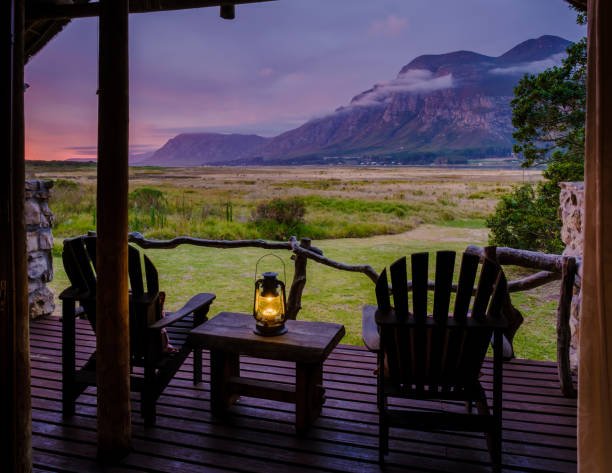
Are African Safari Prices Per Person Or Vehicle? Understanding Tanzania Costs
African safari costs can be confusing. This guide clarifies whether prices are quoted per person or per vehicle, detailing factors that influence your 2026-2027 safari budget in Tanzania.
View package details
Is Tanzania Or Kenya Better For Safari? A Detailed Comparison 2026-2027
Comparing Tanzania and Kenya for your next safari? This in-depth guide breaks down wildlife viewing, landscapes, costs, and optimal travel times to help you choose the perfect East African...
View package details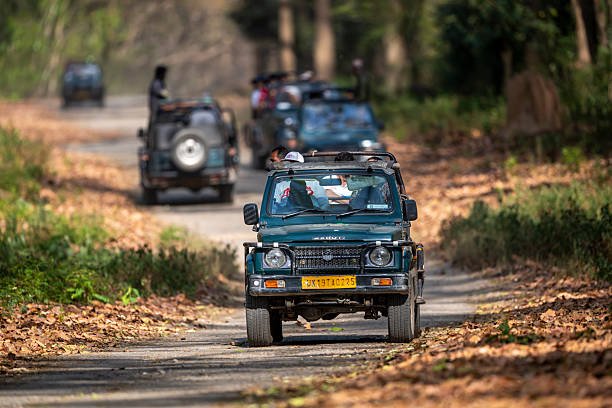
Luxury African Safari Packages: The Ultimate Tanzania Experience In 2026-2027
Explore the pinnacle of African adventure with luxury safari packages in Tanzania. This guide details exclusive lodges, tailor-made itineraries, and the best wildlife experiences for your...
View package details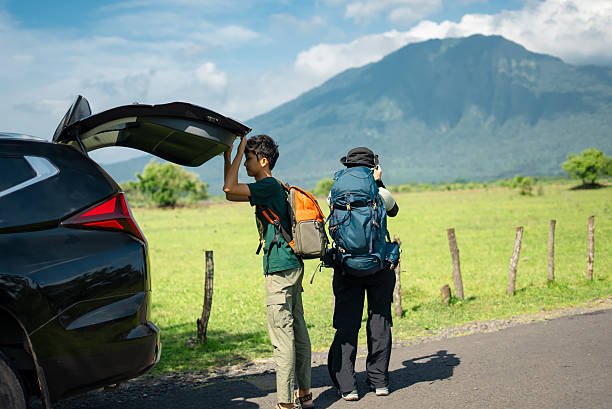
Tanzania Safari Tours & Packages /: Your Ultimate Wildlife Adventure 2026-2027
Discover the magic of Tanzania with expertly crafted safari tours and packages for 2026 and 2027. From the vast plains of the Serengeti to the depths of the Ngorongoro Crater, find your...
View package detailsBest African Safari Tours & Vacation Packages /: Your Ultimate Tanzania
start an unforgettable African safari adventure in 2026/2027 with expertly curated tours and vacation packages in Tanzania's most iconic wildlife destinations. From the Serengeti to the...
View package details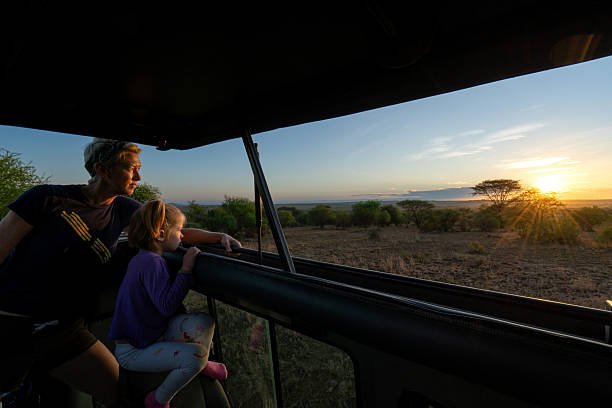
Private Tanzania Safari Packages: Your Ultimate Guide For 2026-2027
Discover the unparalleled freedom and personalized experience of a private Tanzania safari package. This comprehensive guide for 2026-2027 explores custom itineraries, key destinations like...
View package detailsLuxury Tanzania Safari Tours 2026-2027
Luxury Tanzania Safari Tours is explained with current 2026-2027 planning, price, itinerary and booking information.
View package detailsNo related package matches those filters. Clear one or more filters to see the other topic-matched options.



