
Moshi hostels and backpacker accommodation offer the most budget-friendly lodging options in town, perfect for trekkers preparing for Kilimanjaro or travelers starting safaris. Expect simple, clean rooms, often with shared facilities, communal areas for meeting fellow travelers, and services like tour booking and transport arrangements, with prices typically ranging from $15-$40 per night for a dorm bed or basic private room in 2026-2027. These are ideal for solo travelers and those prioritizing savings over luxury, providing a social hub and practical base for exploring the region.
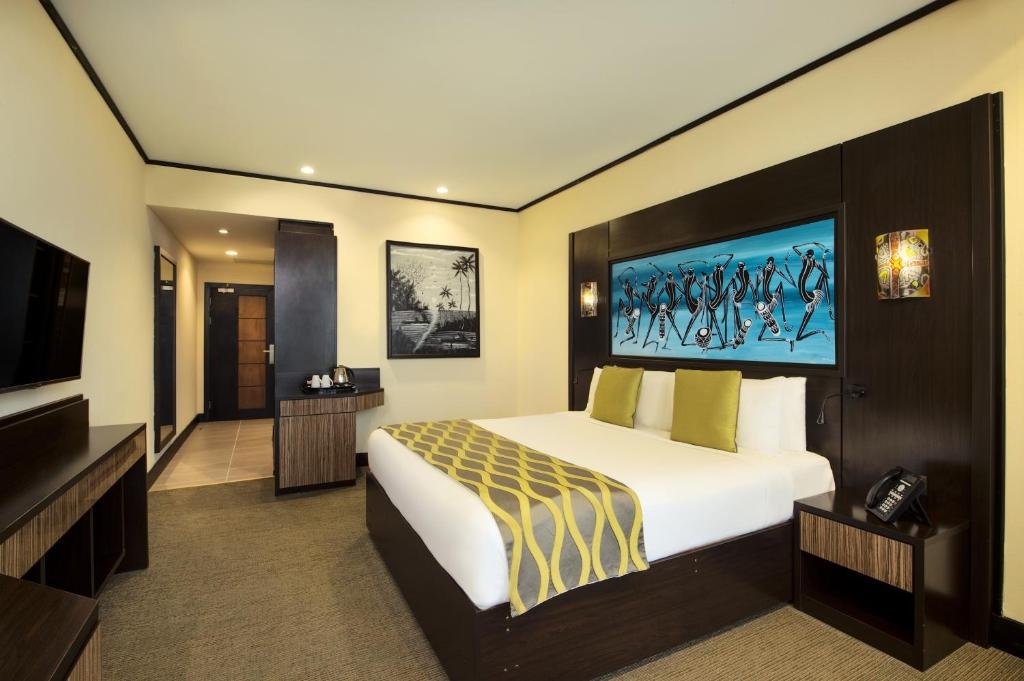
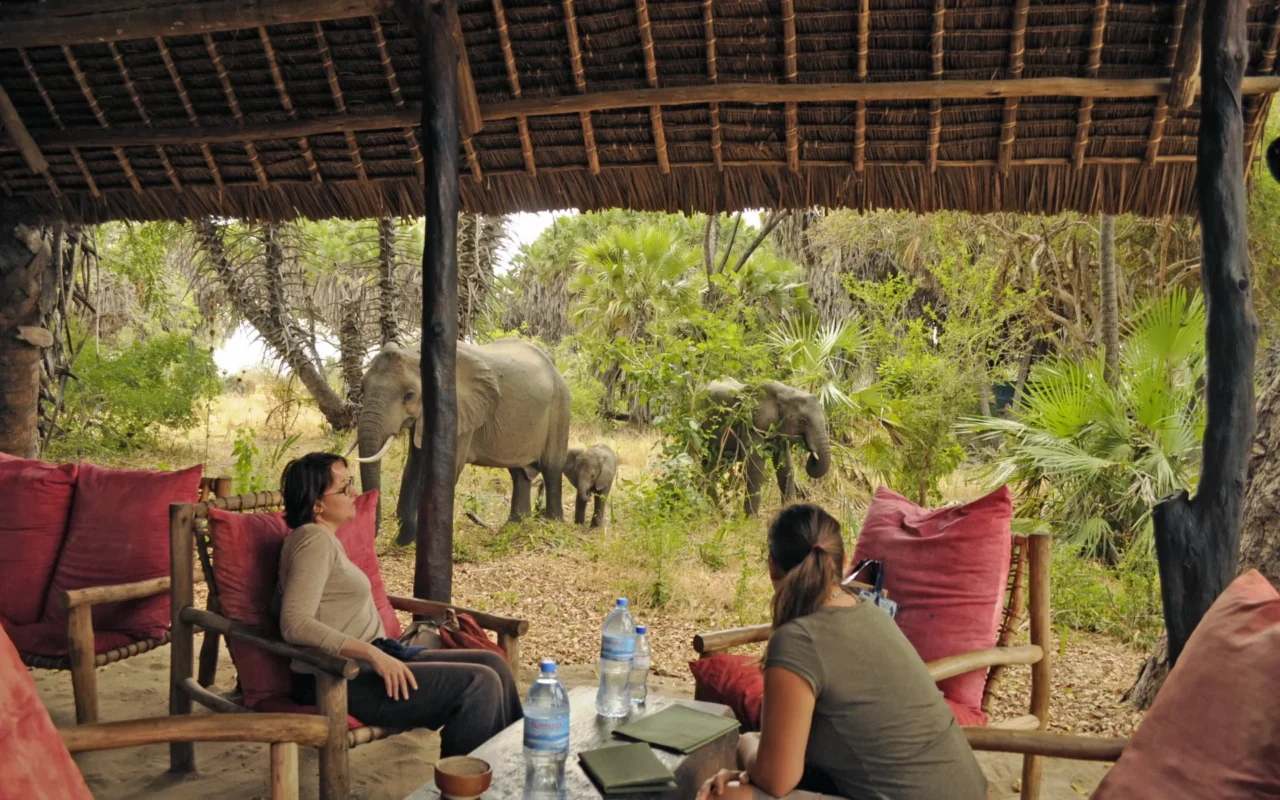
Understanding Moshi Hostels & Backpacker Accommodation
Moshi, the vibrant gateway town to Mount Kilimanjaro and a hub for Northern Tanzania’s famed safaris, draws a diverse range of travelers. For many, especially those on a tighter budget or seeking a more social travel experience, hostels and backpacker accommodations are the primary lodging choice. These establishments are specifically geared towards independent travelers, often offering dormitories, budget private rooms, and a lively atmosphere conducive to meeting others. Unlike standard hotels, Moshi hostels emphasize community, shared facilities, and a more informal approach to hospitality. They are the bedrock for many adventurers embarking on their Tanzanian journey, providing not just a bed, but a launchpad for planning and connecting.
When we talk about Moshi hostels and backpacker accommodation, we’re referring to a category of lodging that prioritizes affordability, social interaction, and practical services for travelers. These aren’t just places to sleep; they are often the first point of contact for advice on climbing Kilimanjaro, arranging safari trips, or understanding local transport. Many hostels in Moshi are run by locals or individuals deeply involved in the tourism sector, giving them invaluable insights. They understand the needs of trekkers and backpackers – a place to rest before a challenging climb, a spot to share stories after a safari, and a reliable source for arranging onward travel. The typical setup involves dorm rooms with bunk beds, providing the lowest cost per person, and a limited number of basic private rooms for those seeking a little more solitude. Shared bathrooms are common, as are communal kitchens, lounges, and sometimes even small bars or cafes. The overall ethos is about providing essential services at a low cost while fostering a sense of camaraderie among guests. For 2026 and 2027 travel, the demand for these types of accommodations is expected to remain strong, especially as independent travel continues to grow.
### What Defines a ‘Backpacker’ Accommodation?
The term ‘backpacker accommodation’ is often used interchangeably with ‘hostel,’ but it can encompass a slightly broader range. While hostels are typically purpose-built or converted buildings offering dorms and private rooms with shared facilities, backpacker accommodation might also include simpler guesthouses or budget lodges that cater specifically to independent travelers. The key characteristics are affordability, a focus on independent travelers rather than organized groups or families, and often, a more casual and social environment. In Moshi, this means you’re likely to find places that offer essential services like Wi-Fi, sometimes breakfast, and crucially, on-site tour booking or advice. They are designed for people who are traveling light, are budget-conscious, and often looking to connect with other travelers for shared experiences or to exchange travel tips. This makes Moshi hostels and backpacker stays particularly relevant for those planning expeditions like Kilimanjaro climbs, where camaraderie and shared preparation can be a significant part of the experience.
### The Role of Hostels in the Kilimanjaro Trekking Ecosystem
Moshi’s identity is intrinsically linked to Kilimanjaro. Consequently, many of its hostels and backpacker accommodations are deeply integrated into the trekking ecosystem. They serve as vital staging points for climbers. This isn’t just about providing a bed; it’s about offering a place to acclimatize slightly, meet guides, get last-minute gear advice, and connect with potential climbing partners. Many hostels have partnerships with reputable tour operators, offering package deals or discounts for trekkers who book their climb through the hostel. This synergy means that choosing the right hostel can significantly streamline the logistics of a Kilimanjaro expedition. For 2026-2027, as more people aim to conquer Africa’s highest peak, the demand for these specialized services from Moshi hostels will only increase. They provide a crucial link between the traveler’s ambition and the practicalities of the climb, often acting as a first port of call for information and support.
### Beyond Kilimanjaro: Hostels for Safari and Beyond
While Kilimanjaro is a major draw, Moshi also serves as a base for safaris and exploring the wider region. Hostels here cater to this need too. They offer convenient locations for arranging day trips to waterfalls, hot springs, or coffee plantations, and serve as practical starting points for longer safari itineraries. Backpackers might use Moshi hostels as a place to rest and resupply between safari legs or before heading to Zanzibar. The social aspect is also key here; travelers often meet in hostels and decide to team up for shared safari costs, making the experience more affordable. Therefore, Moshi hostels and backpacker accommodation aren’t solely for climbers; they are versatile bases for any budget-conscious traveler exploring Tanzania’s northern circuit and beyond.
Why Choose Hostels in Moshi?
Opting for hostels and backpacker accommodation in Moshi is a strategic choice for a particular type of traveler. The primary drivers are almost always cost savings and the social environment. However, there are several other compelling reasons why these establishments are so popular, especially for those planning adventures like Kilimanjaro climbs or safaris. For many, the communal aspect is invaluable, transforming a solo trip into a journey filled with new friendships and shared experiences. Furthermore, the practical support offered by many Moshi hostels can significantly simplify complex travel arrangements.
### Unbeatable Affordability
Let’s be frank: budget is a major factor for many travelers, especially backpackers and solo adventurers. Moshi hostels are designed with this in mind. Dormitory beds are significantly cheaper than hotel rooms, often costing less than half the price. Even private rooms in hostels are generally more affordable than comparable rooms in hotels. This cost-effectiveness allows travelers to stretch their budgets further, enabling longer stays, more excursions, or simply keeping overall trip expenses down. For those planning multi-week trips involving a Kilimanjaro climb and a safari, the savings made on accommodation in Moshi can be substantial, making the entire adventure more accessible. When planning for 2026 or 2027, this affordability remains a constant appeal.
### The Social Hub and Community Vibe
One of the most significant advantages of hostels is the built-in social environment. In a town like Moshi, where people are often preparing for major expeditions or transitioning between different travel legs, hostels become vibrant meeting points. You’ll find travelers from all over the world sharing tips, planning excursions together, or simply enjoying a beer and swapping stories in the common areas. This is particularly beneficial for solo travelers who might otherwise feel isolated. Meeting fellow trekkers can lead to shared safari plans, group discounts, or even lifelong friendships. The atmosphere is generally relaxed and informal, encouraging interaction and a sense of camaraderie that’s hard to find in more formal hotels.
### Practical Information and Local Insights
Moshi hostels and backpacker accommodations are often goldmines of local information. Staff usually have extensive experience with local tourism and are eager to share their knowledge. They can offer honest advice on tour operators, safari companies, trekking routes, and transportation options. Many hostels have bulletin boards where travelers post notices about seeking companions for tours or sharing rides. For complex trips like a Kilimanjaro climb, where choosing the right operator is critical, this on-the-ground intelligence can be invaluable. They can help you navigate the options, understand what’s included, and avoid common pitfalls. For 2026-2027 bookings, relying on this local network can be a smart move.
### Convenient Location and Services
Many Moshi hostels are strategically located within the town, often within walking distance of the bus station, local markets, restaurants, and tour operator offices. This accessibility saves time and money on local transport. Beyond location, hostels frequently offer services tailored to the needs of backpackers and trekkers. These can include:
* Airport transfers: Arranging pick-ups from Kilimanjaro International Airport (JRO).
* Tour booking: Facilitating arrangements for Kilimanjaro climbs, safaris, and day trips.
* Gear rental: Providing essential trekking equipment for hire.
* Luggage storage: Secure storage for belongings left behind during treks or safaris.
* Wi-Fi access: Staying connected with family and friends.
* Laundry services: Keeping your travel clothes clean.
These integrated services simplify logistics, allowing travelers to focus more on their adventure and less on operational details.
### Flexibility and Spontaneity
Hostels often offer greater flexibility than hotels. You can typically book a bed for a few nights without long-term commitments, making it easier to adjust your plans on the fly. This is perfect for travelers who enjoy a degree of spontaneity. If you meet people in a hostel and decide to extend your stay in Moshi, or change your safari plans, it’s usually straightforward to modify your accommodation. This flexibility is a key appeal for the independent traveler exploring Tanzania in 2026-2027.
Types of Moshi Backpacker Stays
When searching for Moshi hostels and backpacker accommodation, you’ll encounter a few distinct types, each catering to slightly different needs and preferences. Understanding these variations helps in selecting the perfect base for your Tanzanian adventure. While the core offering is budget-friendly lodging, the specific amenities, atmosphere, and services can differ significantly. This is crucial for making informed decisions for your 2026-2027 travels.
### Classic Dormitory Hostels
These are the quintessential backpacker accommodations. They feature shared dormitory rooms, typically with bunk beds, accommodating anywhere from 4 to 12 or more people. The main draw is the **lowest price per person**. Dorms are excellent for solo travelers looking to meet people and keep costs extremely low. Facilities are usually shared, including bathrooms and sometimes kitchens. The common areas – lounges, patios, or gardens – are designed to encourage interaction. Many hostels in Moshi fall into this category, offering a lively and social atmosphere.
### Budget Private Rooms
Many hostels also offer private rooms, which are a step up in privacy and comfort from dorms but still maintain a budget-friendly price point compared to hotels. These rooms might be basic, perhaps with a double bed or twin beds, and may or may not have an en-suite bathroom. If the bathroom is not en-suite, it will be a shared facility down the hall. These are a good compromise for couples, friends traveling together who want some privacy, or solo travelers who can afford a slight splurge. They still benefit from the hostel’s communal areas and social vibe.
### Eco-Lodges and Guesthouses with Backpacker Appeal
Some eco-lodges or local guesthouses in and around Moshi also cater to the backpacker market. These might offer simpler, more rustic accommodation options, sometimes in thatched-roof bandas or basic rooms, often set in natural surroundings. While they might not have the typical hostel ‘vibe’ of constant social activity, they can provide a more tranquil experience and a closer connection to nature. They often emphasize sustainability and local culture. For travelers seeking a quieter base that still offers affordability and a connection to the local environment, these can be excellent choices. Some may even offer volunteer opportunities or cultural immersion programs.
### Campsite Facilities
While less common within Moshi town itself, some lodges or dedicated campsites on the outskirts might offer tent pitches or basic tented accommodation. This is the most budget-friendly option for those who have their own camping gear or are willing to rent it. These sites often provide access to shared facilities like bathrooms and cooking areas. They are ideal for the truly adventurous and budget-conscious traveler who enjoys sleeping under the stars. For trekkers, some operators offer camping as part of their Kilimanjaro climb packages, but hostels might provide simpler camping options for those just staying in town.
### Specialized Trekker Hostels
Moshi has a number of hostels that have specifically positioned themselves as pre- and post-trek hubs for Kilimanjaro climbers. These establishments often have:
* Dedicated briefing rooms for trek preparation.
* Storage facilities for excess luggage.
* Gear rental and purchase options.
* Partnerships with reputable climbing companies.
* Post-trek recovery services like massage or comfortable common areas.
If your primary purpose for visiting Moshi is to climb Kilimanjaro, seeking out one of these specialized hostels can significantly enhance your preparation and recovery experience for your 2026-2027 expedition.
Key Considerations for Booking Your Moshi Hostel
Selecting the right Moshi hostel or backpacker accommodation is crucial for a smooth and enjoyable trip. It’s not just about finding the cheapest bed; it’s about ensuring the place meets your specific needs and expectations. Several factors should influence your decision, from the type of room you prefer to the services offered and the overall atmosphere. Making these considerations before booking for 2026-2027 will save potential headaches later.
### Location, Location, Location
Consider where the hostel is situated. Is it close to the bus station if you’re arriving by public transport? Is it within walking distance of restaurants, shops, and tour operators? Or do you prefer a quieter spot slightly out of the town center, perhaps with a view of Kilimanjaro? For trekkers, proximity to reputable climbing companies and gear rental shops might be a priority. For safari-goers, easy access to transport hubs or tour operator offices is key. Always check a map and read reviews that comment on the location’s convenience for your specific plans.
### Room Type and Facilities
Decide what level of privacy and comfort you require. Do you want the social buzz of a dormitory, or do you need a private room? If opting for a private room, check if it’s en-suite or if you’ll be using shared bathrooms. Understand what’s included: are towels provided? Is there air conditioning or just a fan? What are the bed arrangements (single, double, bunk)? For dorms, consider the number of beds; smaller dorms generally offer more peace.
### Amenities and Services Offered
Hostels vary widely in their amenities. Essential services like reliable Wi-Fi, especially if you need to stay in touch or do research, are important. Look for:
* Communal kitchen: Useful if you want to save money by cooking some of your own meals.
* Common areas: Lounges, gardens, or bars where you can relax and socialize.
* Laundry facilities: Essential for longer trips.
* Tour desk/booking services: Can simplify arranging Kilimanjaro climbs and safaris.
* Luggage storage: Crucial if you’re leaving gear behind for a trek.
* Airport transfers: Convenient if you don’t want to arrange transport yourself.
### Cleanliness and Safety
Cleanliness is paramount, especially in shared facilities like bathrooms and dorms. Read recent reviews specifically mentioning hygiene standards. Safety is also a major concern. Look for hostels that offer secure lockers in dorm rooms for valuables. Check if there’s a 24-hour reception or security personnel, especially if you plan to arrive late. Ensure the neighborhood feels safe to walk around, particularly at night.
### Atmosphere and Vibe
Hostels can have very different atmospheres. Some are lively party hostels, while others are quiet and relaxed. Some are geared towards trekkers, others towards general backpackers. Consider what kind of environment you’re looking for. If you want to meet lots of people and share experiences, a social hostel is ideal. If you need a quiet place to rest and prepare for a challenging trek, a more tranquil setting might be better. Reviews often provide good insights into the hostel’s general vibe.
### Reviews and Reputation
Always check recent reviews on platforms like Hostelworld, Booking.com, or TripAdvisor. Pay attention to comments about cleanliness, staff helpfulness, location, and the overall value for money. Look for patterns in reviews; a few isolated negative comments might not be a deal-breaker, but consistent complaints about certain issues are a red flag. For 2026-2027, up-to-date reviews will be your best guide.
### Price and Value
While affordability is key, don’t just choose the absolute cheapest option without considering what you get for your money. Compare prices for similar room types and assess the value based on the amenities, services, and location. Sometimes, paying a few dollars more can get you a significantly better experience, saving you hassle or additional costs later (e.g., for transport or gear rental).
Finding the Best Hostels in Moshi
Navigating the options for Moshi hostels and backpacker accommodation can seem daunting, but a systematic approach will help you pinpoint the best fits for your trip. It’s about knowing where to look and what criteria to prioritize. For travelers planning their adventures in 2026-2027, early research is key, especially if you have specific dates in mind.
### Online Booking Platforms
Websites like Hostelworld.com, Booking.com, and Agoda are invaluable resources. They list a wide range of hostels in Moshi, often with detailed descriptions, photos, guest reviews, and pricing. You can filter by price, location, amenities, and guest ratings, making it easy to narrow down your choices. These platforms are essential for comparing different hostels side-by-side and reading recent feedback from other travelers.
### Dedicated Tour Operator Recommendations
If you’re booking a Kilimanjaro climb or a safari with a company like Climb 4 Africa, they often have strong recommendations for hostels or partner with specific establishments. These recommendations are usually based on reliability, quality of service, and a good track record with their clients. Don’t hesitate to ask your tour operator for advice; they have local knowledge and understand which accommodations are best suited for trekkers and safari-goers. For instance, many climbers preparing for their 2026-2027 expeditions value advice from experienced operators.
### Travel Forums and Blogs
Online travel forums like Reddit’s r/Tanzania or general backpacker forums, as well as travel blogs focused on Tanzania or Kilimanjaro, can offer personal recommendations and insights. Bloggers and forum users often share their experiences in specific hostels, highlighting what they liked and disliked. This first-hand information can be incredibly useful for getting a feel for a place beyond the official descriptions. Search for posts related to ‘Moshi hostels’ or ‘Tanzania budget travel.’
### Local Search and Google Maps
Sometimes, a simple Google search for “Moshi hostels” or “backpacker accommodation Moshi Tanzania” can reveal options not always prominent on major booking sites. Google Maps is also a fantastic tool; you can search for “hostels” in Moshi, and it will display them on the map, often with links to reviews and websites. This is great for understanding the geographical spread and proximity to other points of interest.
### Identifying Top-Rated Establishments
When looking at online platforms, pay attention to hostels with consistently high ratings (e.g., 8.0/10 or higher on Hostelworld) and a large number of positive reviews. Look for hostels that are frequently mentioned in “best of” lists or recommended by multiple sources. Some hostels in Moshi have built a strong reputation over the years for their excellent service, social atmosphere, and value.
### Checking for Specific Needs
If you have particular requirements – for example, you need a place that specifically caters to Kilimanjaro climbers, offers reliable Wi-Fi for remote work, or has a very quiet atmosphere – refine your search accordingly. Use keywords like “Moshi hostel Kilimanjaro,” “Moshi quiet accommodation,” or “Moshi hostel with good Wi-Fi” to find places that meet these niche needs.
### Direct Booking vs. Third-Party Sites
While booking platforms offer convenience and comparison tools, sometimes booking directly with the hostel can be beneficial. It might lead to slightly better rates, more flexible cancellation policies, or direct communication about specific needs. However, always compare the price on the platform with the direct booking price. For 2026-2027 planning, comparing options is always wise.
What to Expect in a Moshi Hostel
Arriving at a Moshi hostel or backpacker accommodation for the first time can be a unique experience, different from a standard hotel. Understanding the typical offerings, from room setups to common areas and services, will help set realistic expectations. This is key for ensuring your stay is comfortable and aligns with your travel style, especially when planning for 2026-2027.
### Dormitory Rooms
Dorms are the most common and affordable option. Expect bunk beds, often made of metal or wood. Each bed usually has a mattress, a pillow, and a blanket. Some hostels provide sheets, while others might ask you to use a sleeping bag liner or rent sheets. There will likely be a locker near each bed for securing your valuables – bring your own padlock as they are rarely provided. The number of beds per dorm can vary significantly, from small 4-bed rooms to larger 12-bed or even 20-bed dorms.
### Private Rooms
Private rooms offer more seclusion. They can range from basic rooms with a double bed and perhaps a small wardrobe to slightly more comfortable setups with twin beds or even a private bathroom. If the room is not en-suite, you’ll be using shared bathroom facilities, which are typically located in the hallway. Quality can vary, so check photos and reviews carefully.
### Shared Bathrooms and Toilets
Shared bathrooms are a hallmark of many hostels. Expect multiple shower stalls and toilet cubicles. While many hostels strive for cleanliness, the standard can vary. It’s wise to bring your own quick-drying towel, flip-flops for showering, and basic toiletries. Some hostels might offer basic soap or toilet paper, but it’s always best to be prepared.
### Common Areas: The Social Heart
Hostels thrive on their common areas. These are the social hubs where guests mingle, relax, and plan their activities. You’ll typically find:
* Lounge areas: Often furnished with sofas, chairs, and sometimes a TV or books.
* Communal kitchens: Equipped with basic cooking facilities like a stove, fridge, sink, and utensils. This is a great way to save money on food.
* Outdoor spaces: Patios, gardens, or balconies, sometimes with seating and tables, offering a pleasant spot to unwind.
* Bars or Cafes: Many hostels have their own small bar or cafe serving drinks and sometimes meals, fostering a social atmosphere.
### Staff and Services
Hostel staff are often a great resource. They usually manage the reception, help with check-in/check-out, and can assist with booking tours, arranging transport, and providing local advice. Some hostels have a 24-hour reception, while others may have limited hours, so check this if you plan to arrive or depart at odd times. The helpfulness of the staff can significantly impact your experience.
### Food and Drink
While some hostels offer breakfast (sometimes included, sometimes for a fee), and many have on-site cafes or bars, the communal kitchen is a popular feature. It allows travelers to buy groceries from local markets and prepare their own meals, which is a significant cost-saver. You’ll often find that other travelers are happy to share meals or cooking space.
### Wi-Fi Availability
Wi-Fi is generally available in most hostels, though the speed and reliability can vary. It’s often strongest in common areas and might be weaker or unavailable in dorm rooms or private rooms further away from the reception. If consistent, high-speed internet is critical for you, check reviews specifically mentioning Wi-Fi quality. For 2026-2027, internet access is increasingly a standard expectation, but performance can still be inconsistent.
### Atmosphere and Noise Levels
Be prepared for varying noise levels. Dorm rooms can be noisy with people coming and going at different hours. Common areas, especially if there’s a bar, can be lively in the evenings. If you’re a light sleeper, consider booking a private room, bringing earplugs, or choosing a hostel known for its quieter atmosphere.
Budgeting for Hostel Stays in Moshi
When planning your trip to Moshi for 2026-2027, accurate budgeting is essential, and accommodation is a significant part of that. Hostels and backpacker accommodations offer the most budget-friendly rates, but understanding the potential costs involved will help you plan effectively. Prices can fluctuate based on the season, the specific hostel, and the type of room.
### Typical Price Ranges (2026-2027 Estimates)
* Dormitory Bed: You can generally expect to pay between $15 to $30 USD per night for a bed in a shared dormitory. Prices might be slightly higher in peak trekking seasons (e.g., January-February and June-October).
* Basic Private Room: A private room with shared bathroom facilities typically ranges from $30 to $50 USD per night.
* En-suite Private Room: If you opt for a private room with its own bathroom, expect prices from $40 to $70 USD per night, depending on the hostel’s standard.
These are estimates, and actual prices can vary. It’s always best to check current rates on booking platforms or directly with the hostels.
### Factors Influencing Cost
* Seasonality: Peak trekking seasons (June-October, January-February) often see slightly higher accommodation prices due to increased demand. The shoulder seasons and low season can offer better rates.
* Location: Hostels closer to the town center or with prime views might charge a premium.
* Amenities: Hostels offering more extensive services like included breakfast, swimming pools, or on-site restaurants may have higher prices.
* Room Size: Smaller dorms (e.g., 4-6 beds) are often slightly more expensive than larger dorms (10+ beds).
* Booking Platform Fees: Booking through third-party sites might sometimes include booking fees, whereas direct booking might avoid these.
### Additional Costs to Consider
When budgeting for your stay, don’t forget these potential extra costs:
* Food: If you use the communal kitchen, grocery shopping will be cheaper than eating out. Budget around $10-$20 USD per day if you cook most meals.
* Laundry: Most hostels charge a small fee for laundry services, typically $3-$7 USD per load.
* Lock Padlock: Essential for dorm lockers; budget around $5-$10 USD.
* Gear Rental: If you need to rent trekking gear (e.g., sleeping bag, trekking poles), factor in daily rental costs, which can add up.
* Transport: Costs for airport transfers, local taxis, or dala-dalas (minibuses).
* Tours and Activities: Day trips, park entrance fees, or safari costs are separate from accommodation.
* Tips: While not mandatory for hostel staff, tipping guides or drivers associated with tours booked through the hostel is customary.
### Saving Money in Moshi Hostels
* Utilize Communal Kitchens: This is one of the biggest money-savers. Buy fresh produce from local markets.
* Travel in Groups: If you’re in a group, you can share the cost of private rooms or even pool resources for self-catering.
* Look for Included Breakfast: Some hostels offer a basic breakfast, which can save you a meal.
* Take Advantage of Social Opportunities: Meet fellow travelers who might be looking to share costs for local transport or day trips.
* Book Directly: Sometimes, booking directly with the hostel can offer better rates or deals.
For your 2026-2027 travels, having a clear budget for accommodation, combined with smart spending on food and activities, will make your trip to Moshi much more manageable financially.
Booking Your Moshi Hostel for 2026-2027
Securing your Moshi hostel accommodation in advance, especially for peak travel periods in 2026-2027, is a wise strategy. While hostels often have more flexible booking policies than hotels, popular ones can fill up, particularly if you have specific requirements like a private room or are traveling during a busy season. Here’s how to approach the booking process effectively.
### When to Book
* Peak Season (June-October, January-February): For these periods, booking at least 1-3 months in advance is recommended, especially for popular hostels or if you need private rooms. This ensures availability and allows you to secure your preferred choice.
* Shoulder/Low Season (March-May, November-December): You might be able to book closer to your arrival date, perhaps a few weeks in advance, or even upon arrival. However, booking a few days ahead is still advisable for peace of mind.
* Kilimanjaro Treks: If your hostel stay is directly linked to a Kilimanjaro climb date, book your accommodation around those dates as soon as your climb is confirmed. This is crucial for 2026-2027 expeditions.
### How to Book
1. Online Travel Agencies (OTAs): Websites like Hostelworld.com and Booking.com are the most common booking methods. They provide a platform to compare prices, read reviews, view photos, and book securely. They often require a deposit or credit card guarantee.
2. Direct Booking: Visit the hostel’s official website. Many hostels allow direct bookings via email or a contact form. This can sometimes lead to better rates or more direct communication about specific needs.
3. Through Tour Operators: If you’re booking a Kilimanjaro climb or safari with a company like Climb 4 Africa, they may be able to arrange accommodation for you as part of a package, or recommend and book specific hostels known for catering to their clients. This can streamline your planning considerably.
### What Information You’ll Need
* Dates of Stay: Exact check-in and check-out dates.
* Number of Guests: Specify adults, children (if applicable).
* Room Type Preference: Dormitory bed (specify number if booking for a group) or private room (single, double, twin).
* Contact Information: Email address and phone number.
* Payment Details: Credit/debit card information for deposits or guarantees, or confirmation of alternative payment methods if accepted.
### Before You Finalize
* Read Cancellation Policies Carefully: Understand the terms for canceling or modifying your booking. Hostels often have more flexible policies than hotels, but it’s essential to know the deadlines.
* Check Check-in/Check-out Times: Be aware of the reception hours, especially if you anticipate a late arrival.
* Note Down Key Details: Keep a record of your booking confirmation, including booking numbers and contact details for the hostel.
* Consider Travel Insurance: Always recommended for international travel, especially for adventure trips involving climbs or safaris.
For your 2026-2027 adventures, planning your Moshi hostel stay is a fundamental step. It sets the tone for your Tanzanian experience, offering a comfortable, affordable, and social base from which to explore the wonders of Kilimanjaro and beyond. When you’re ready to arrange your entire trip, including climbs, safaris, and your accommodation in Moshi, contacting experts like Climb 4 Africa is highly recommended. They can help coordinate all aspects of your journey, ensuring a smooth and memorable adventure. Reach out via WhatsApp at +255 747 477 898 or email them at climb4africa@gmail.com to discuss your personalized itinerary and secure the best accommodation options for your 2026-2027 travel dates.
Check Availability for Moshi Hostels & Backpacker Accommodation Guide
Ready to compare dates, prices, and the best option for your group? Send the package name and travel month so the team can reply with a clear quote, availability, and what is included.
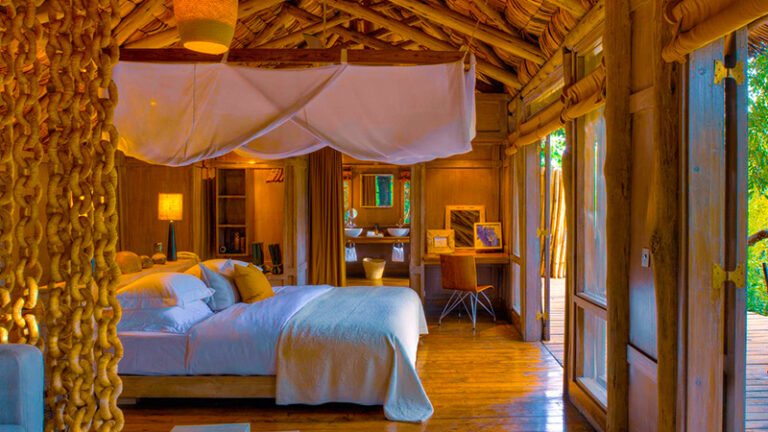
Small Group Hotel Accommodation In Moshi : Your Kilimanjaro Basecamp Guide
Planning a Kilimanjaro adventure or Tanzanian safari in 2026 or 2027? Moshi serves as the gateway, and selecting the right small group hotel accommodation is key. This guide explores your…
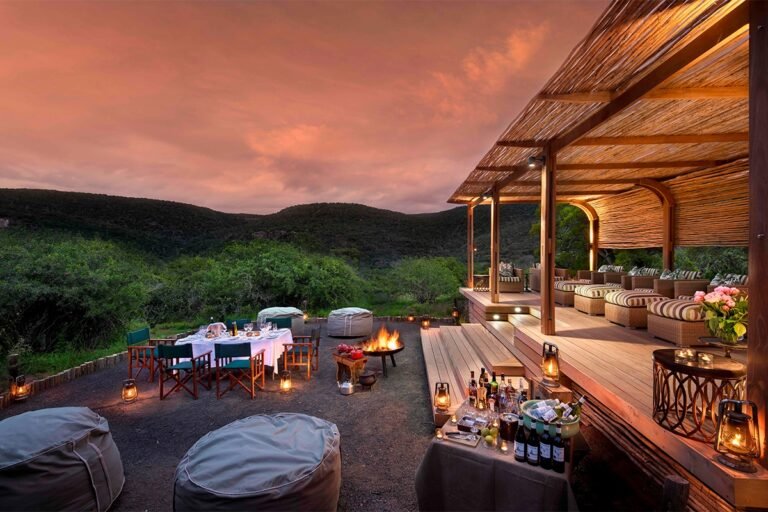
Moshi Accommodation For Groups And Kilimanjaro Teams 2026-2027
Planning a group trip to Tanzania, especially for a Kilimanjaro climb or safari in 2026 or 2027? Moshi offers diverse accommodation options ideal for teams. This guide covers hotels…

Moshi Accommodation For Solo Travelers : Your Expert Guide 2026-2027
Planning a solo trip to Moshi in 2026 or 2027? This comprehensive guide covers accommodation options from budget hostels to comfortable guesthouses, focusing on safety, community, and…
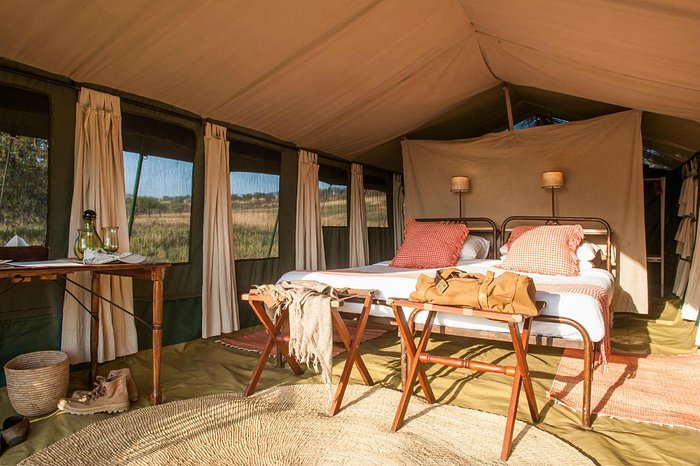
Triple Room Accommodation In Moshi Tanzania : Options & Planning 2026-2027
Planning a trip to Moshi, Tanzania with a group of three? Discover your best triple room accommodation options for 2026-2027, from budget-friendly guesthouses to comfortable hotels, and get…
Private Room Accommodation In Moshi Tanzania 2026-2027
Private Room Accommodation in Moshi Tanzania 2026-2027 is explained with current 2026-2027 planning, price, itinerary and booking information.
2 Nights Accommodation In Moshi Before And After Kilimanjaro 2026-2027
Planning your Kilimanjaro adventure for 2026 or 2027? Understanding the necessity and options for 2 nights accommodation in Moshi, both before and after your climb, is crucial for a…
Budget Accommodation In Moshi Tanzania 2026-2027
Budget Accommodation in Moshi Tanzania 2026-2027 is explained with current 2026-2027 planning, price, itinerary and booking information.
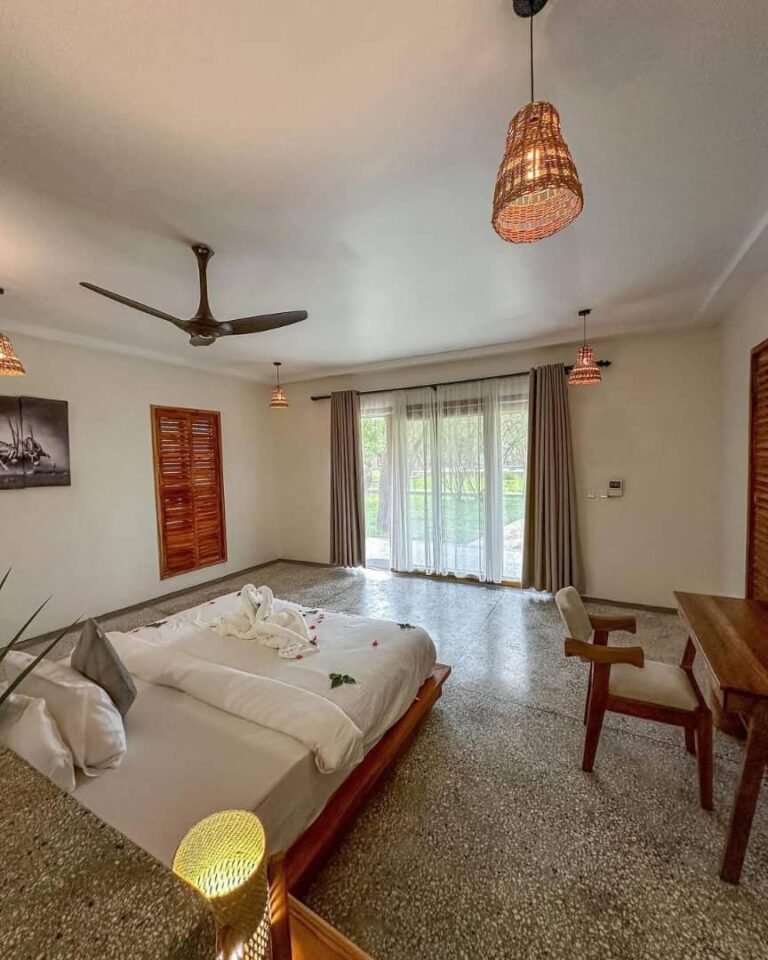
Moshi Hotels & Accommodation: Your Gateway To Kilimanjaro & Safaris 2026-2027
Discover essential Moshi hotels and accommodation choices, from budget-friendly guesthouses to comfortable mid-range hotels and luxury lodges. This guide helps you select the perfect base…
Family Hotels In Moshi Tanzania With Rooms 2026-2027
Family Hotels in Moshi Tanzania with Family Rooms 2026-2027 is explained with current 2026-2027 planning, price, itinerary and booking information.
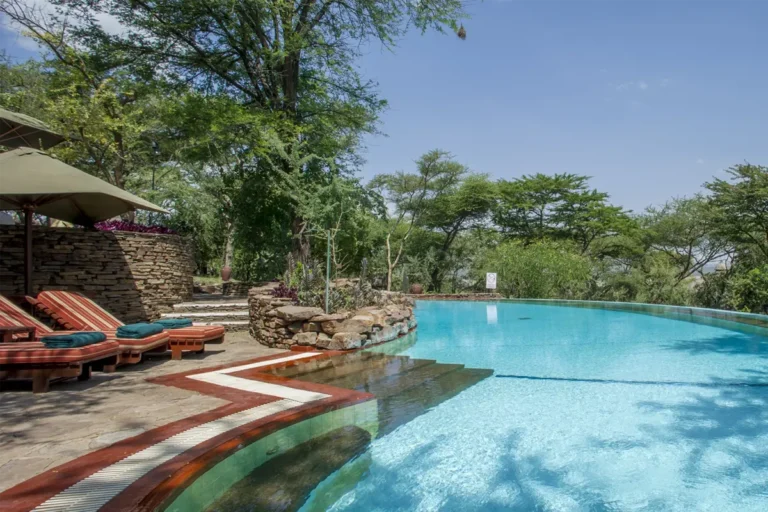
3 Nights Hotel Package In Moshi Tanzania : Planning Your Gateway Stay
Planning a trip to Kilimanjaro or a Tanzanian safari often starts and ends in Moshi. This guide details essential considerations for a 3-night hotel package in Moshi for 2026-2027, covering…
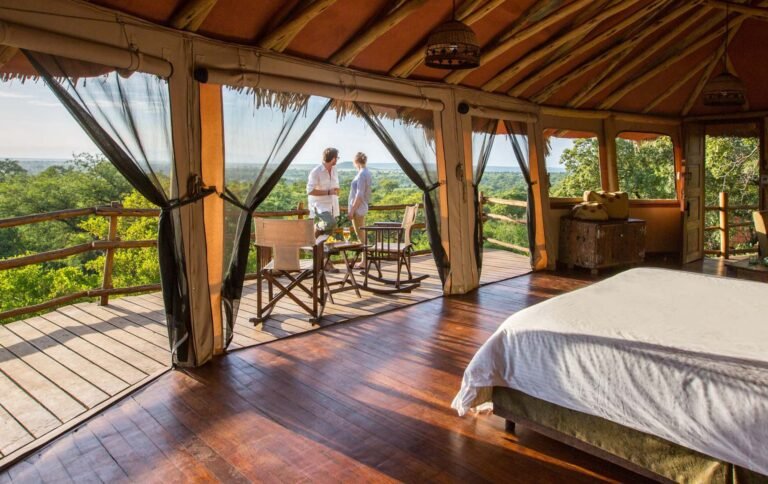
One Night Hotel In Moshi Before Kilimanjaro Climb : Essential Pre-Trek
Planning your Kilimanjaro adventure for 2026-2027? A crucial part is arranging your pre-climb accommodation. This guide focuses on selecting the perfect one-night hotel in Moshi, the…
Moshi Hotel And Kilimanjaro Airport Transfer Package 2026-2027 Guide
Planning your ascent of Kilimanjaro or Tanzanian safari? A well-arranged Moshi hotel and Kilimanjaro Airport transfer package is crucial for a smooth start. This guide details what to…
No related package matches those filters. Clear one or more filters to see the other topic-matched options.



