
Solo travelers can successfully undertake a combined Mount Meru and Kilimanjaro group climb in 2026-2027 by selecting well-organized group departures that cater to individuals, focusing on acclimatization on Meru before tackling Kilimanjaro. These expeditions typically involve detailed pre-trip planning, choosing appropriate routes for both mountains, and understanding the logistical and social aspects of joining a group as a solo adventurer.
Understanding the Appeal: Why Combine Meru and Kilimanjaro for Solo Travelers in 2026-2027
For solo travelers, the decision to combine a Mount Meru trek with a Mount Kilimanjaro climb for the 2026-2027 seasons offers a unique and rewarding adventure. It’s not just about ticking off two iconic African peaks; it’s about maximizing your time in Tanzania, enhancing your acclimatization, and potentially reducing overall costs by using a single operator for both expeditions. Solo travel inherently means you’re open to new experiences and meeting new people, which is perfectly suited to the camaraderie found on group treks. Many solo adventurers choose this combination because it provides a more complete Tanzanian mountain experience, with Meru serving as an excellent training ground and acclimatization aid for the significantly higher Kilimanjaro.
The 2026-2027 timeframe is an excellent window to plan such a trip. Tanzania’s tourism infrastructure is well-established, and operators like Climb 4 Africa specialize in creating group departures that are ideal for individuals looking to join like-minded trekkers. These groups often comprise people from various backgrounds and countries, all united by the shared goal of conquering these magnificent mountains. The social aspect of a group climb can be a major draw for solo travelers, offering built-in companionship and shared challenges, turning a potentially solitary journey into a communal adventure.
Choosing to climb both mountains also means you get to experience two distinct environments. Mount Meru, often called the ‘little sister’ of Kilimanjaro, is a dormant volcano within Arusha National Park. Its rugged crater rim offers stunning views and challenging terrain, while its lower slopes are teeming with wildlife, including buffalo, giraffes, and various antelopes. This proximity to wildlife provides a unique trekking experience not found on Kilimanjaro. Kilimanjaro, on the other hand, is a solitary giant, a UNESCO World Heritage site, and the highest freestanding mountain in the world. Its diverse ecological zones, from rainforest to arctic summit, are a journey in themselves.
For the solo traveler, the planning phase is crucial. It involves selecting the right tour operator, understanding the logistics of moving between the two mountains, and preparing physically and mentally. The 2026-2027 seasons present ample opportunities to find suitable group departures. Many operators offer fixed departure dates for group climbs, and these are often the most cost-effective and socially integrated options for individuals traveling alone. The key is to find an operator that understands the needs of solo travelers and can facilitate a positive group dynamic.
Why Solo Travelers Benefit from Group Climbs
Solo travelers often find group climbs to be the most practical and enjoyable way to tackle major expeditions like Kilimanjaro and Meru. Here’s why:
- Built-in Companionship: You’re never truly alone. The shared experience fosters instant connections with fellow trekkers and guides, creating a supportive atmosphere.
- Cost-Effectiveness: Group departures, especially those organized for solo travelers, are typically more affordable than private climbs. Costs are shared among participants.
- Logistical Simplicity: The tour operator handles all the complex logistics, including park permits, food, camping equipment, and porter arrangements, freeing you to focus on the climb.
- Safety and Support: You benefit from experienced guides, support crews, and emergency protocols, which are paramount when trekking at high altitudes.
- Social Learning: Observing and interacting with other trekkers can provide valuable insights and motivation, especially for those new to high-altitude mountaineering.
The 2026-2027 period is ideal for booking as it allows ample time for planning and securing spots on popular group departures. Early booking is often recommended, especially for specific dates or routes that tend to fill up quickly.
Planning Your 2026-2027 Combined Meru and Kilimanjaro Expedition
A combined Mount Meru and Kilimanjaro expedition requires careful planning, especially for solo travelers aiming for the 2026-2027 seasons. The sequence of climbs is generally Mount Meru first, followed by Kilimanjaro. This order is strategic for acclimatization. Meru, while lower than Kilimanjaro, offers significant altitude gain over a shorter period, helping your body adapt to thinner air before the main event.
Choosing the Right Operator: For solo travelers, selecting a reputable tour operator is paramount. Look for companies that explicitly mention catering to solo travelers, have a strong safety record, and provide clear inclusions and exclusions. Climb 4 Africa, for instance, is an experienced operator in Tanzania that can arrange combined trips and group departures suitable for individuals. Their local expertise ensures practical support on the ground.
Timing Your Expedition (2026-2027): The best times to climb both mountains are during the dry seasons: January to March and June to October. These periods offer the most stable weather conditions. Planning for 2026-2027 means you can target specific months within these windows. For example, a June 2026 departure would allow you to climb Meru and then Kilimanjaro during a favorable weather period. The shoulder seasons can also be viable, but weather can be more unpredictable.
Duration of the Trip: A combined expedition typically requires at least 10-14 days. This includes travel time to Tanzania, the trek on Mount Meru (usually 3-4 days), a day or two for rest and preparation, and the Kilimanjaro climb (5-9 days depending on the route). Factor in travel days to and from your home country, and potentially a safari or Zanzibar extension.
Physical Preparation: Both climbs demand good physical fitness. For solo travelers, starting a training regimen at least 3-6 months before your 2026-2027 expedition is advisable. Focus on cardiovascular endurance (running, cycling, swimming) and strength training, particularly for your legs and core. Hiking with a weighted backpack on varied terrain is essential to simulate the actual trekking experience.
Visa and Vaccinations: Ensure your passport is valid for at least six months beyond your intended stay. Most nationalities require a visa for Tanzania, which can often be obtained online or on arrival. Consult your doctor or a travel clinic well in advance of your 2026-2027 trip regarding recommended vaccinations and malaria prophylaxis.
Insurance: Comprehensive travel insurance is non-negotiable. It must cover high-altitude trekking, emergency medical evacuation, trip cancellation, and personal liability. Confirm that your policy explicitly covers climbs up to the altitudes of Meru and Kilimanjaro.
Logistical Flow: Meru First, Then Kilimanjaro
The typical sequence for a combined trip:
- Arrive at Kilimanjaro International Airport (JRO).
- Transfer to Arusha for a night or two of rest and final preparations.
- Transfer to Arusha National Park for the Mount Meru trek.
- Complete the Meru trek.
- Return to Arusha for rest, debriefing, and preparation for Kilimanjaro.
- Transfer to the trailhead for your chosen Kilimanjaro route.
- start the Kilimanjaro climb.
- Descend Kilimanjaro and transfer back to Arusha or Moshi.
- Optional: Safari, Zanzibar, or departure.
This flow ensures you are well-supported by your operator throughout the entire duration in Tanzania, a significant advantage for solo travelers.
Mount Meru: The Essential Acclimatization Trek
Mount Meru, standing at 4,566 meters (14,980 feet), is a formidable mountain in its own right and an ideal precursor to Kilimanjaro. Its steeper gradients and challenging terrain provide a realistic test of your stamina and acclimatization capacity.
Routes on Mount Meru: The most common route is the Usa River route, typically completed over 3 or 4 days. A 4-day itinerary is generally recommended for better acclimatization, especially when preparing for Kilimanjaro. The trek starts from the Momella Gate in Arusha National Park.
What to Expect on Meru:
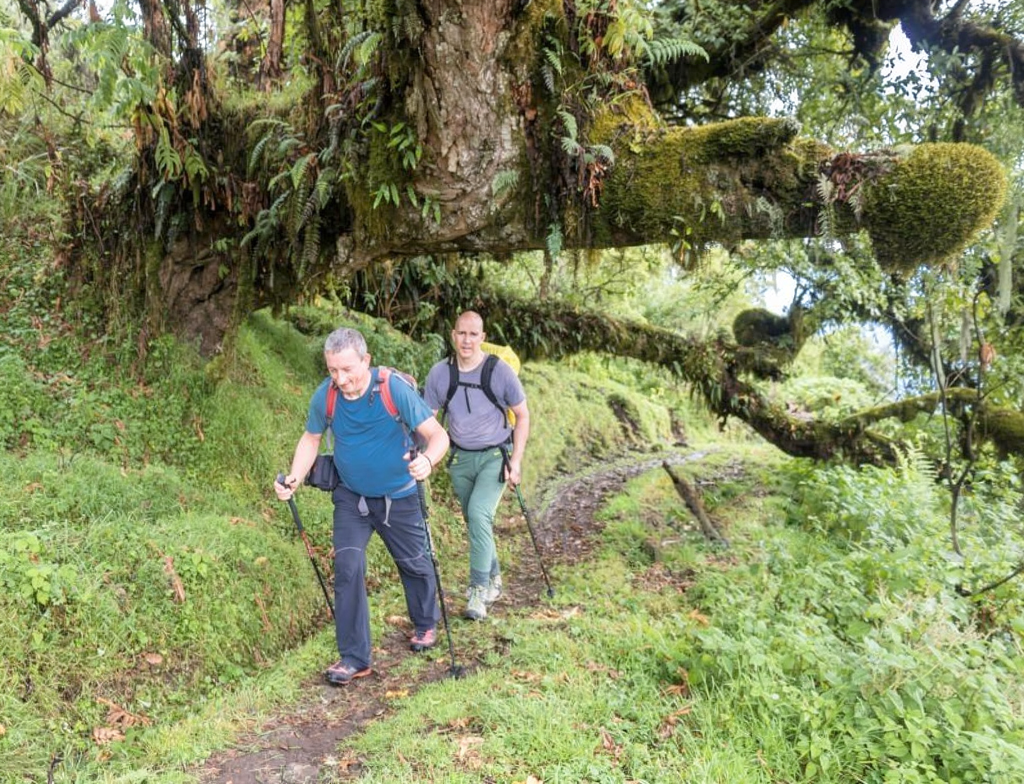
- Day 1: Momella Gate (1,500m) to Miriakamba Hut (2,100m). The trail winds through lush montane forest, offering opportunities to spot wildlife like giraffes, zebras, and buffalo, often accompanied by park rangers due to the presence of large animals.
- Day 2: Miriakamba Hut to Saddle Hut (3,500m). The path becomes steeper, transitioning through moorland. The views of the crater and surrounding plains are spectacular.
- Day 3: Summit day. Saddle Hut to Socialist Peak (Meru Summit, 4,566m) and back to Miriakamba Hut. This is a long and challenging day, involving an early start (around 2 AM) for the ascent to the summit, traversing the crater rim and rocky paths. Descending all the way back to Miriakamba Hut requires significant endurance.
- Day 4 (Optional but Recommended): Miriakamba Hut to Momella Gate. A shorter descent through the forest.
Why Meru is Crucial for Solo Travelers:
- Acclimatization: Reaching Meru’s summit and descending helps your body adjust to altitude, significantly reducing the risk of altitude sickness on Kilimanjaro.
- Physical Test: It’s a good indicator of your physical condition and mental fortitude for the bigger challenge ahead.
- Wildlife Encounters: The trek offers a unique opportunity to see wildlife up close in a park setting, adding another dimension to the adventure.
- Reduced Risk on Kili: Solo travelers who have successfully completed Meru often feel more confident and better prepared for Kilimanjaro.
For a 2026-2027 combined climb, booking a 4-day Meru trek is highly recommended. This ensures you don’t rush the acclimatization process, which is critical for any climber, but especially for those traveling solo who may not have a familiar trekking partner to gauge their condition against.
Choosing Your Kilimanjaro Route for the 2026-2027 Group Climb
Kilimanjaro offers several routes, each with its own character, difficulty, and scenery. For solo travelers joining a group climb in 2026-2027, route choice is vital for success and enjoyment. The most popular routes for group departures that balance acclimatization, scenery, and success rates are the Machame, Lemosho, and Marangu routes.
Machame Route (7 Days): Often called the ‘Whiskey Route’ due to its popularity. It’s known for its scenic beauty and excellent acclimatization profile. The “climb high, sleep low” principle is well-applied here. It’s a camping route, offering a true wilderness experience. Success rates are high.
Lemosho Route (8 Days): Considered one of the most scenic routes, Lemosho offers a longer, more gradual ascent, starting in the western rainforest and traversing the northern circuit. It provides superior acclimatization and fewer crowds, especially in the early days. The 8-day option is highly recommended for solo travelers aiming for maximum success and enjoyment during their 2026-2027 expedition.
Marangu Route (5 or 6 Days): The ‘Coca-Cola Route’ is the oldest and most established. It’s unique as it offers dormitory-style hut accommodation rather than camping. While it’s often perceived as easier due to the huts and slightly shorter duration, its rapid ascent profile means lower acclimatization and success rates compared to longer routes. For solo travelers prioritizing acclimatization and success, the 6-day Marangu is preferable over the 5-day option, but generally, routes like Machame or Lemosho are better choices.
Other Routes (less common for standard solo group departures):
- Northern Circuit (9 Days): The longest and most scenic route, offering the best acclimatization and highest success rates. It circles the mountain.
- Rongai Route (7 Days): Approaches from the north, making it a good option during wetter months. It’s less scenic than western routes but offers a different perspective.
Recommendation for Solo Travelers (2026-2027): For a combined Meru and Kilimanjaro trip, the 7-day Machame Route or the 8-day Lemosho Route are the top recommendations. They offer the best balance of acclimatization, scenery, and support for group climbs, significantly increasing your chances of reaching the summit comfortably and safely, which is particularly important when traveling solo.
When booking your 2026-2027 group climb, confirm the exact number of days for the chosen route. Operators like Climb 4 Africa often have fixed departure dates for these popular routes, making it easier for solo travelers to find a suitable group.
Key Considerations for Route Selection:
- Acclimatization: Longer routes (7-8 days on Kili) provide better acclimatization.
- Scenery: Lemosho and Northern Circuit are often cited as the most beautiful.
- Crowds: Lemosho and Northern Circuit are less crowded in the initial stages.
- Accommodation: Camping (Machame, Lemosho, Rongai, Northern Circuit) vs. Huts (Marangu).
- Success Rate: Longer, well-planned routes generally have higher success rates.
Group Dynamics and Solo Traveler Integration
Joining a group climb as a solo traveler in 2026-2027 presents a unique social dynamic. While the primary goal is the trek, the shared experience can be a significant part of the adventure. Tour operators often structure their group departures to foster a welcoming environment for individuals.
Meeting Your Group: Typically, you’ll meet your fellow trekkers at a pre-climb briefing in Arusha or Moshi. This is an excellent opportunity to introduce yourself, understand the group’s composition, and get acquainted with the guides. The guides play a crucial role in integrating everyone and ensuring a positive group atmosphere.
What to Expect from Group Members: Groups are diverse, comprising individuals of different ages, nationalities, and trekking experience levels. Some may be couples, friends, or other solo travelers. The common goal of summiting Kilimanjaro usually creates a strong bond, with members supporting each other through challenging moments.
Role of Guides and Support Staff: The guides are not just there to lead the way; they are integral to managing group dynamics. They ensure everyone is keeping pace, feeling well, and participating in group discussions. They are skilled at mediating any minor issues and fostering a sense of unity. The porters and cooks also contribute to the group’s morale through their excellent service and positive attitudes.
Tips for Solo Travelers to Enhance Group Integration:
- Be Open and Approachable: Smile, introduce yourself, and engage in conversations.
- Participate in Group Activities: Join discussions, share meals, and be present during briefings.
- Offer Support: A kind word or a helping hand to a fellow trekker can go a long way.
- Respect Others’ Space: While camaraderie is important, also be mindful that some trekkers might prefer quieter moments.
- Communicate with Your Guide: If you have any concerns about group dynamics or feel isolated, speak to your lead guide.
The 2026-2027 seasons offer many opportunities to join well-managed groups. Operators like Climb 4 Africa understand the importance of a cohesive group for a successful trek and strive to create an inclusive environment for all participants, including solo travelers.
Preparing for High Altitude: Health and Safety for Solo Climbers
Altitude sickness (Acute Mountain Sickness – AMS) is the primary health concern on both Mount Meru and Kilimanjaro. For solo travelers, understanding the risks and taking preventative measures is critical, as you may not have a familiar companion to notice subtle symptoms.
Understanding Altitude Sickness: AMS is caused by ascending too quickly, preventing your body from adjusting to the lower oxygen levels at higher altitudes. Symptoms can range from mild headaches and nausea to severe conditions like High Altitude Cerebral Edema (HACE) and High Altitude Pulmonary Edema (HAPE), which can be life-threatening.
Prevention Strategies:
- Slow Ascent (Pole Pole): This Swahili phrase means ‘slowly, slowly.’ It’s the most crucial rule. Your guide will enforce this pace.
- Hydration: Drink plenty of fluids (3-4 liters per day). Water, herbal teas, and rehydration salts are beneficial. Avoid alcohol and caffeine, which can dehydrate you.
- Proper Nutrition: Eat well-balanced meals, even if your appetite is reduced. High-carbohydrate meals are recommended.
- Gradual Acclimatization: Choosing longer routes (like 7-8 days for Kilimanjaro) and including Mount Meru as a preparatory climb are excellent acclimatization strategies.
- Medication: Discuss Diamox (acetazolamide) with your doctor. It can help speed up acclimatization but doesn’t prevent AMS entirely and has side effects.
Symptoms to Watch For:
- Headache
- Nausea and vomiting
- Dizziness
- Fatigue
- Loss of appetite
- Difficulty sleeping
What to Do if Symptoms Appear:
- Inform Your Guide Immediately: This is paramount for solo travelers. Don’t try to tough it out. Your guide is trained to assess symptoms and make decisions.
- Do Not Ascend Further: If symptoms are mild, stay at your current altitude.
- Descend: If symptoms worsen or do not improve, descending even a few hundred meters can make a significant difference.
Emergency Procedures: Reputable operators have oxygen cylinders, first-aid kits, and evacuation plans. Ensure your chosen operator for the 2026-2027 climb has robust emergency protocols in place.
Solo Traveler Altitude Safety Checklist:
- Consult your doctor about high-altitude travel and Diamox.
- Pack a comprehensive personal first-aid kit with altitude sickness remedies.
- Learn to recognize AMS symptoms in yourself and others (though your guide will be the primary observer).
- Communicate openly with your guide about how you feel, at all times.
- Prioritize hydration and proper nutrition throughout the trek.
- Choose a longer route for Kilimanjaro (7-8 days recommended).
- Consider Mount Meru as an essential acclimatization step.
By taking these precautions, solo travelers can significantly enhance their safety and enjoyment during their 2026-2027 Mount Meru and Kilimanjaro group climbs.
Packing Essentials for Your Combined Trek (2026-2027)
Packing correctly is crucial for comfort and safety on both Mount Meru and Kilimanjaro. For solo travelers, ensuring you have all the necessary gear means you won’t be caught unprepared. Layering is key due to the drastic temperature changes from the base to the summit.
Clothing Layers:
- Base Layers: Moisture-wicking thermal tops and bottoms (synthetic or merino wool).
- Mid Layers: Fleece jackets or vests for insulation.
- Outer Layer (Shell): Waterproof and windproof jacket and trousers.
- Insulation Layer: A warm down or synthetic jacket for summit night and cold evenings.
Trekking Gear:
- Hiking Boots: Waterproof, broken-in, sturdy hiking boots with good ankle support.
- Trekking Poles: Highly recommended for reducing strain on knees and improving stability.
- Backpack: A comfortable daypack (30-40 liters) for essentials carried during the day, plus a larger duffel bag (80-100 liters) for porters to carry.
- Sleeping Bag: A 4-season sleeping bag rated to at least -10°C (15°F).
- Sleeping Bag Liner: Adds warmth and keeps your bag clean.
Headwear and Handwear:
- Warm Hat: Wool or fleece, covering your ears.
- Sun Hat: Wide-brimmed for sun protection.
- Gloves: Waterproof outer gloves and lighter liner gloves.
- Buff or Balaclava: For neck and face protection against wind and cold.
Footwear:
- Hiking Socks: Several pairs of wool or synthetic hiking socks.
- Camp Shoes/Sandals: For wearing around camp.
Other Essentials:
- Headlamp: With extra batteries (essential for summit night).
- Sunglasses: High UV protection.
- Sunscreen: High SPF.
- Lip Balm: With SPF.
- Water Bottles/Hydration Reservoir: At least 3 liters capacity.
- Water Purification: Tablets or a filter (though operators provide boiled water).
- Personal First-Aid Kit: Including blister treatment, pain relievers, antiseptic wipes, and any personal medications.
- Toiletries: Biodegradable soap, toothbrush, toothpaste, wet wipes.
- Snacks: High-energy snacks like energy bars, nuts, dried fruit.
- Camera and Power Bank: For photos and device charging.
- Documents: Passport, visa, insurance details, flight information.
- Cash: For tips and personal expenses.
Rental Gear: Many operators, including Climb 4 Africa, offer rental equipment such as sleeping bags, down jackets, and trekking poles. Confirm what’s included and what you need to bring or rent for your 2026-2027 trip.
Pack Smart for Solo Travel:
- Duffel Bag: Ensure it’s sturdy and waterproof; porters will carry this.
- Daypack: Must be comfortable for long days of trekking.
- Waterproofs: Essential for all layers and your main bag.
- Headlamp: A critical safety item, especially on summit night.
The 2026-2027 Booking Process for Solo Travelers
Booking a combined Mount Meru and Kilimanjaro group climb for 2026-2027 as a solo traveler involves several steps. The key is to find an operator that understands and caters to individual travelers, ensuring a smooth and enjoyable experience.
1. Research and Select an Operator:
- Look for companies with a proven track record in Tanzania, specifically for Kilimanjaro and Meru climbs.
- Check for group departures explicitly advertised for solo travelers or those that are generally welcoming to individuals.
- Read reviews, especially those from other solo travelers, to gauge their experience with group dynamics and support.
- Ensure the operator prioritizes safety, has experienced guides, and offers comprehensive support. Climb 4 Africa is an example of an operator experienced in this region.
2. Choose Your Dates and Routes:
- Identify available group departure dates for the 2026-2027 seasons that suit your schedule.
- Select your preferred Kilimanjaro route (e.g., 7-day Machame or 8-day Lemosho) and confirm the duration for Mount Meru (3 or 4 days recommended).
3. Inquire About Single Supplements:
- While group climbs are designed to be cost-effective, some operators might charge a single supplement for private tentage or single occupancy in huts. Clarify this policy. Many operators aim to pair solo travelers in tents or huts to avoid this, or they simply don’t charge one for standard group departures.
4. Understand Inclusions and Exclusions:
- Inclusions typically cover: Park fees, rescue fees, guide and porter salaries, meals on the mountain, camping equipment (tents, mattresses), group camping equipment, airport transfers, pre-climb briefing, and accommodation in Arusha before and after the climb.
- Exclusions typically include: Flights, visa fees, travel insurance, vaccinations, personal gear, tips for guides and porters, extra meals and drinks in Arusha, and optional activities.
5. Deposit and Final Payment:
- A deposit is usually required upon booking to secure your spot.
- The balance is typically due several weeks or months before the climb. Confirm the payment schedule for your 2026-2027 expedition.
6. Pre-Trip Information:
- Once booked, the operator will provide detailed pre-trip information, including packing lists, training advice, and visa/vaccination recommendations.
- Attend any pre-climb briefings offered, either virtually or in person.
Contacting Climb 4 Africa: For inquiries about combined Mount Meru and Kilimanjaro group climbs for solo travelers in 2026-2027, you can reach out directly. Their expertise in Tanzanian treks ensures practical, local support.
WhatsApp: +255 747 477 898
Email: climb4africa@gmail.com
When contacting them, be sure to mention you are a solo traveler interested in a combined Meru and Kilimanjaro trip for the 2026-2027 season, and ask about their specific group departure dates and itineraries.
Post-Climb Considerations: Safari and Zanzibar
After successfully completing your combined Mount Meru and Kilimanjaro trek in 2026-2027, many solo travelers choose to extend their Tanzanian adventure with a wildlife safari or a relaxing trip to the island of Zanzibar. These extensions offer a different perspective on Tanzania and provide a well-deserved break.
Tanzania Safari:
- Northern Circuit Safari: This is the most popular safari circuit, typically including the Serengeti National Park, Ngorongoro Conservation Area, Tarangire National Park, and Lake Manyara National Park. These parks offer incredible wildlife viewing opportunities, including the Big Five (lion, leopard, elephant, rhino, buffalo).
- Duration: Safaris can range from 3 days to over a week, depending on your interests and budget. A 4-5 day safari is common after a climb.
- Style: Options range from budget-friendly camping safaris to mid-range lodge safaris and luxury tented camps.
- Logistics: Operators like Climb 4 Africa can seamlessly integrate a safari into your itinerary, handling all transportation, accommodation, and park fees. This is ideal for solo travelers who want a hassle-free experience after their trek.
Zanzibar Holiday:
- Island Paradise: Zanzibar is famous for its stunning white-sand beaches, turquoise waters, spice plantations, and the historic Stone Town.
- Activities: Relax on the beach, go snorkeling or diving, explore Stone Town’s UNESCO World Heritage site, visit spice farms, or take a dhow cruise.
- Duration: A Zanzibar stay can be as short as 3 days or as long as a week or more.
- Accommodation: From budget guesthouses to luxury beachfront resorts, Zanzibar offers options for every traveler.
Combining Extensions: It’s possible to combine both a safari and Zanzibar for a truly comprehensive Tanzanian experience. For example, you could do a 4-day safari followed by 4 days in Zanzibar.
Benefits for Solo Travelers: Adding these extensions provides further opportunities to meet new people and experience more of Tanzania’s diverse offerings. They also serve as a fantastic way to unwind and reflect on the incredible achievement of climbing two mountains.
When planning your 2026-2027 trip, discuss these extension options with your tour operator. They can help tailor a package that fits your interests, budget, and available time.
Frequently Asked Questions for Solo Travelers
What is the best time of year for a combined Meru and Kilimanjaro climb in 2026-2027 for solo travelers?
The best times are the dry seasons: January to March and June to October. These months offer the most stable weather, crucial for both acclimatization and summit success. For solo travelers, aiming for these periods ensures the best conditions for group departures.
How much does a combined Meru and Kilimanjaro climb typically cost for solo travelers in 2026-2027?
Costs vary significantly based on the operator, routes chosen, and inclusions. A combined expedition can range from approximately $2,500 to $5,000+ per person. This usually covers Meru and Kilimanjaro climbs, park fees, guides, porters, meals on the mountain, and basic accommodation in Arusha. It’s essential to get detailed quotes for 2026-2027 departures from operators like Climb 4 Africa.
Will I be paired with another solo traveler in a tent on Kilimanjaro?
Most reputable operators, especially for group departures, will pair solo travelers of the same gender in tents to minimize costs and maximize space. If you prefer a private tent, there may be a single supplement fee. Confirm this policy when booking for 2026-2027.
What is the minimum age for climbing Kilimanjaro and Meru?
Generally, the minimum age for Kilimanjaro is 10 years old, and for Meru, it’s often around 12 or 14, depending on the operator and park regulations. This can vary, so it’s best to check with your tour operator for specific 2026-2027 group departures.
Is it safe to climb Kilimanjaro and Meru alone as a solo traveler?
Yes, it is safe when you join a reputable group tour. These expeditions are heavily guided and supported, with strict safety protocols. Your guides are trained in first aid and high-altitude medicine. The main “risk” of being solo is ensuring you communicate your well-being effectively to the guides, which is standard practice on all group climbs.
start Your 2026-2027 Adventure with Confidence
The journey to conquer both Mount Meru and Mount Kilimanjaro as a solo traveler in 2026-2027 is an ambitious yet entirely achievable goal. By choosing to combine these two iconic peaks, you gain an unparalleled acclimatization advantage and a richer Tanzanian mountain experience. The camaraderie of a group climb provides essential support and companionship, turning a solo endeavor into a shared adventure.
Careful planning is key: select a reputable operator experienced in handling group departures for solo travelers, choose longer routes for better acclimatization and success rates (like the 7-day Machame or 8-day Lemosho on Kilimanjaro), prepare physically, and understand the health risks associated with high altitude. Mount Meru, in particular, serves as an invaluable training ground, preparing both your body and mind for the ultimate challenge of Kilimanjaro.
The 2026-2027 seasons offer a fantastic opportunity to start this incredible journey. With the right preparation and a trusted partner like Climb 4 Africa, your combined Mount Meru and Kilimanjaro group climb will be a safe, rewarding, and unforgettable experience.
Ready to plan your expedition? Contact Climb 4 Africa to discuss group departure dates, tailor-made itineraries, and receive expert advice for your solo adventure.
WhatsApp: +255 747 477 898
Email: climb4africa@gmail.com
Let them help you make your 2026-2027 dream climb a reality.
“,
“faq_schema”: [
{
“question”: “What is the best time of year for a combined Meru and Kilimanjaro climb in 2026-2027 for solo travelers?”,
“answer”: “The best times are the dry seasons: January to March and June to October. These months offer the most stable weather, crucial for both acclimatization and summit success. For solo travelers, aiming for these periods ensures the best conditions for group departures.”
},
{
“question”: “How much does a combined Meru and Kilimanjaro climb typically cost for solo travelers in 2026-2027?”,
“answer”: “Costs vary significantly based on the operator, routes chosen, and inclusions. A combined expedition can range from approximately $2,500 to $5,000+ per person. This usually covers Meru and Kilimanjaro climbs, park fees, guides, porters, meals on the mountain, and basic accommodation in Arusha. It’s essential to get detailed quotes for 2026-2027 departures from operators like Climb 4 Africa.”
},
{
“question”: “Will I be paired with another solo traveler in a tent on Kilimanjaro?”,
“answer”: “Most reputable operators, especially for group departures, will pair solo travelers of the same gender in tents to minimize costs and maximize space. If you prefer a private tent, there may be a single supplement fee. Confirm this policy when booking for 2026-2027.”
},
{
“question”: “What is the minimum age for climbing Kilimanjaro and Meru?”,
“answer”: “Generally, the minimum age for Kilimanjaro is 10 years old, and for Meru, it’s often around 12 or 14, depending on the operator and park regulations. This can vary, so it’s best to check with your tour operator for specific 2026-2027 group departures.”
},
{
“question”: “Is it safe to climb Kilimanjaro and Meru alone as a solo traveler?”,
“answer”: “Yes, it is safe when you join a reputable group tour. These expeditions are heavily guided and supported, with strict safety protocols. Your guides are trained in first aid and high-altitude medicine. The main “risk” of being solo is ensuring you communicate your well-being effectively to the guides, which is standard practice on all group climbs.”
}
]
}
“`
Check Availability for Mount Meru And Kilimanjaro Group Climb For Solo Travelers 2026-2027
Ready to compare dates, prices, and the best option for your group? Send the package name and travel month so the team can reply with a clear quote, availability, and what is included.
Kilimanjaro Routes: 15 Strongest Worldwide Search Potential For Climbs
Planning a Kilimanjaro climb? This guide details the 15 routes with the highest search interest worldwide for 2026-2027, helping you choose the best path for your adventure. We cover...
View package detailsHow To Create The Perfect Travel Itinerary For Tanzania Adventures 2026-2027
Crafting the perfect travel itinerary for Tanzania involves understanding your priorities, choosing the right activities, and planning logistics effectively. This guide walks you through...
View package detailsCheap Hotels Near Me Tonight: Finding Affordable Stays In Tanzania 2026-2027
Discover how to find cheap hotels near you tonight in Tanzania, focusing on budget-friendly options for travelers planning safaris, Kilimanjaro treks, or Zanzibar holidays in 2026-2027...
View package detailsPlaces Where Your Money Goes Further: Smart Tanzania Travel For 2026-2027
Planning a trip to Tanzania in 2026 or 2027 and want to maximize your budget? This guide reveals how to make your money go further on Kilimanjaro climbs, wildlife safaris, and Zanzibar...
View package detailsDestinations Worth Visiting At Least Once Guide
Discover a curated selection of destinations that offer unparalleled experiences, from the majestic peaks of Kilimanjaro to the spice-scented shores of Zanzibar. This guide helps you...
View package detailsWildlife And Nature Titles: Your Ultimate Guide To Tanzanias Best Experiences
This comprehensive guide explores the most sought-after wildlife and nature titles in Tanzania, from iconic safari destinations and Kilimanjaro treks to the tropical allure of Zanzibar...
View package details
South Africa Safari Tours & Vacation Packages | Climb 4 2026-2027
Discover the ultimate South Africa safari experience with tailored tour and vacation packages for 2026-2027. From iconic Kruger National Park to exclusive private reserves, find detailed...
View package detailsBest Wildlife Photography Destinations For Safaris | Climb 4 Africa 2026-2027
Planning a safari for incredible wildlife photography in 2026 or 2027? Tanzania offers unparalleled opportunities. This guide details the top destinations, essential gear, timing, and how...
View package details
Kruger National Park Safari Packages: Your Ultimate Guide To Adventures
Discover tailored Kruger National Park safari packages for 2026-2027. This comprehensive guide covers everything from choosing the right lodge and activities to understanding costs and...
View package details
Tanzania Safari Tours & Packages /: Your Ultimate Wildlife Adventure 2026-2027
Discover the magic of Tanzania with expertly crafted safari tours and packages for 2026 and 2027. From the vast plains of the Serengeti to the depths of the Ngorongoro Crater, find your...
View package detailsAffordable Car Rentals Near Me: Your Tanzania Travel Guide 2026-2027
Planning a trip to Tanzania and need affordable car rentals? This comprehensive guide from Climb 4 Africa covers everything from finding the right vehicle to understanding local conditions...
View package detailsBest Gorilla And Chimpanzee Trekking Tours: Your Definitive Guide 2026-2027
Discover the ultimate guide to gorilla and chimpanzee trekking tours. Plan your 2026-2027 adventure to see these incredible primates in their natural habitats, covering key destinations...
View package detailsNo related package matches those filters. Clear one or more filters to see the other topic-matched options.



