
The 4-day Mount Meru climb followed by an 8-day Kilimanjaro Lemosho Expedition in 2026-2027 is an ideal combination for trekkers seeking enhanced acclimatization and a more robust preparation for summiting Kilimanjaro. This dual-mountain adventure typically starts with Meru, offering a challenging yet shorter ascent that builds essential altitude experience, before moving to the longer, more scenic, and highly recommended Lemosho route on Kilimanjaro. It provides a fantastic introduction to Tanzanian high-altitude trekking, with Meru serving as an excellent training ground before the main event.
Understanding the 4 Days Mount Meru + 8 Days Kilimanjaro Lemosho Expedition
This comprehensive expedition package is designed for trekkers aiming for the ultimate Tanzanian mountain experience. It strategically combines two distinct, yet complementary, volcanic giants: Mount Meru and Mount Kilimanjaro. The journey begins with the ascent of Mount Meru, a challenging climb that takes approximately 4 days. This initial trek is crucial for acclimatization, allowing your body to adapt to higher altitudes and testing your physical and mental readiness. Following the successful descent of Meru, you’ll have a short period for rest and preparation before embarking on the more significant 8-day Lemosho route climb of Kilimanjaro. The Lemosho route is renowned for its scenic beauty and excellent acclimatization profile, offering a higher success rate for reaching Uhuru Peak, the summit of Kilimanjaro. This integrated package is ideal for serious trekkers looking to maximize their chances of success on Kilimanjaro while experiencing two of East Africa’s most iconic mountains.
For trekkers planning their adventure for the 2026-2027 climbing seasons, this combined expedition offers a structured approach. It’s not just about ticking off two peaks; it’s about building a solid foundation for the demanding Kilimanjaro ascent. The 4 days on Meru are not merely a warm-up; they are a vital component of the overall acclimatization strategy. This approach is favored by many experienced mountaineers and dedicated trekkers who understand that proper acclimatization is the single most important factor for summit success and a safe descent. By the time you reach the base of Kilimanjaro, you’ll have a significant advantage over those who attempt it directly.
The Strategic Advantage: Why Combine Meru and Kilimanjaro?
Combining Mount Meru with your Kilimanjaro Lemosho climb offers several significant advantages, particularly for trekkers targeting the 2026-2027 seasons. It’s a strategic decision that prioritizes safety, acclimatization, and overall success rates. While Kilimanjaro is often climbed directly, adding Meru transforms the experience into a more comprehensive mountaineering journey.
- Superior Acclimatization: Mount Meru reaches an altitude of 4,566 meters (14,980 feet). Spending 4 days at these altitudes, including a summit day, allows your body to produce more red blood cells and adapt to lower oxygen levels. This significantly reduces the risk of Acute Mountain Sickness (AMS) when you later ascend Kilimanjaro, which peaks at 5,895 meters (19,341 feet). A well-acclimatized body is less susceptible to the debilitating effects of altitude, allowing you to focus on the trek and enjoy the experience more.
- Enhanced Physical Conditioning: The 4-day Meru trek is demanding, with steep ascents and descents. It serves as an excellent physical test and conditioning phase. You’ll encounter challenging terrain, test your gear, and refine your trekking pace and endurance under real-world mountain conditions. This pre-Kilimanjaro conditioning means you’ll be better prepared for the sustained effort required on the Lemosho route.
- Psychological Preparation: Successfully summiting Meru builds confidence. Reaching a significant altitude and completing a multi-day trek proves your mental fortitude and preparedness for the greater challenge ahead. This psychological boost is invaluable as you face the long days and the ultimate summit push on Kilimanjaro.
- Logistical Synergy: Many reputable operators, like Climb 4 Africa, can seamlessly integrate the Meru climb into your Kilimanjaro itinerary. This means streamlined logistics, transfers, and support, avoiding the need for separate booking processes and ensuring a smooth transition between the two mountains. Your crew and guides can often coordinate effectively to manage both climbs.
- Unique Experience: Mount Meru is a stunning mountain in its own right, located within Arusha National Park. It offers incredible wildlife viewing opportunities (including buffalo, monkeys, and various antelope) and dramatic volcanic landscapes, including a impressive crater and sheer cliffs. Climbing Meru provides an extra layer of adventure and a different perspective on Tanzania’s natural beauty, complementing the iconic Kilimanjaro experience.
For those planning for 2026 or 2027, this combined approach is a wise investment in your safety and success. It’s a trade-off: more time, more effort, and potentially higher initial cost, but significantly enhanced chances of achieving your summit goals on Kilimanjaro with a greater degree of comfort and safety.
Mount Meru: The 4-Day Acclimatization & Training Climb
Mount Meru, often called the ‘Little Kilimanjaro’, is a formidable volcano that stands at 4,566 meters (14,980 feet). It’s a challenging climb that demands respect and good preparation, making it an excellent precursor to Kilimanjaro. The standard route to the summit (Socialism Peak) is typically completed in 4 days, offering a well-paced introduction to high-altitude trekking.
Meru Route Details
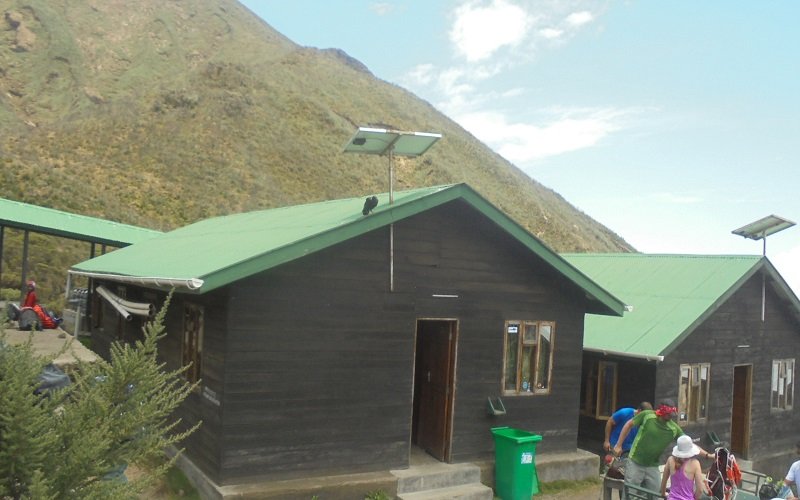
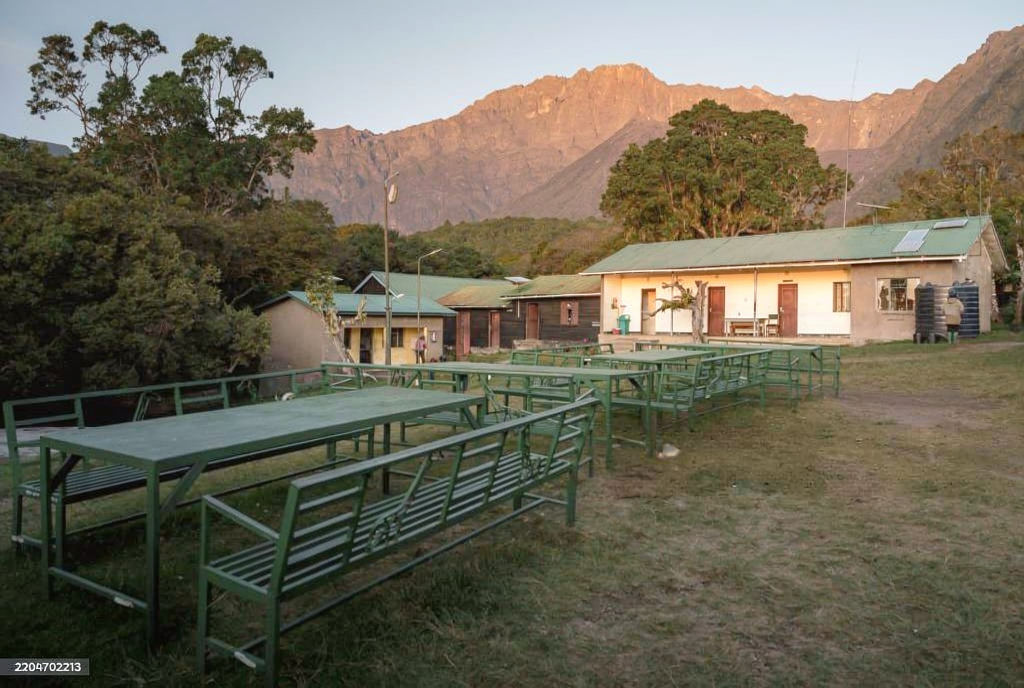
The most common route for Mount Meru is the one that starts from the Momella Gate and ascends via the **Miriakamba Hut** and then **Saddle Hut** before reaching the summit. This route is known for its varied scenery, passing through montane forest, heather, and moorland zones, and offers opportunities to see wildlife within Arusha National Park.
4-Day Mount Meru Itinerary Breakdown
A typical 4-day Mount Meru itinerary looks like this:
| Day | Start Point | End Point | Altitude Gain | Approx. Trekking Time | Accommodation |
|---|---|---|---|---|---|
| Day 1 | Momella Gate (1,500m / 4,921ft) | Miriakamba Hut (2,100m / 6,890ft) | +600m (+1,969ft) | 3-4 hours | Miriakamba Hut |
| Day 2 | Miriakamba Hut (2,100m) | Saddle Hut (3,500m / 11,483ft) | +1,400m (+4,593ft) | 4-5 hours | Saddle Hut |
| Day 3 | Saddle Hut (3,500m) | Meru Summit (4,566m / 14,980ft) & Descent to Miriakamba Hut (2,100m) | +1,066m (+3,497ft) summit / -2,466m (-8,087ft) descent | 10-12 hours (total) | Miriakamba Hut |
| Day 4 | Miriakamba Hut (2,100m) | Momella Gate (1,500m) | -600m (-1,969ft) | 2-3 hours | N/A (Transfer to Arusha) |
Key Considerations for Mount Meru
- Steep Ascents: Day 2 involves a significant altitude gain and a steep climb to Saddle Hut. Day 3 is a long summit day with a very early start.
- Crater Rim Trek: The walk along the crater rim to the summit can be exposed and requires a good head for heights. It’s a dramatic and rewarding part of the climb.
- Wildlife: Arusha National Park is home to buffalo, giraffes, zebras, and various antelope. While direct encounters on the trail are managed by guides, it’s a reminder you are in a wild environment. Rangers often accompany climbers for protection.
- Acclimatization Benefit: The summit day is challenging. Successfully completing it and descending significantly reinforces your body’s adaptation to altitude, a key benefit for the subsequent Kilimanjaro climb.
- Rest and Transition: After descending Meru, you’ll typically spend a day or two in Arusha or Moshi for rest, gear checks, and briefings before transferring to the starting point for Kilimanjaro. This period is vital for recovery.
Kilimanjaro Lemosho: The 8-Day Expedition
The 8-day Lemosho route is widely considered one of the most beautiful and best routes for climbing Mount Kilimanjaro. Its longer duration is specifically designed to maximize acclimatization, leading to higher success rates and a more enjoyable trekking experience. For your 2026-2027 Kilimanjaro adventure, choosing the 8-day Lemosho offers a superior balance of scenic beauty, gradual ascent, and effective acclimatization.
Why the Lemosho Route for Kilimanjaro?
The Lemosho route stands out for several compelling reasons:
- Gradual Acclimatization: The 8-day itinerary allows for a slow, steady ascent, especially in the initial days. This is critical for altitude adaptation. The route typically joins the Machame route after a couple of days, benefiting from its well-established acclimatization profile.
- Scenic Beauty: Lemosho traverses the western side of Kilimanjaro, offering impressive views of the Shira Plateau, the dramatic cliffs of the Western Breach, and sweeping panoramas of the surrounding plains. It is often described as the most visually stunning route.
- Higher Success Rate: Due to its length and excellent acclimatization schedule, the 8-day Lemosho route generally has a higher summit success rate compared to shorter routes. This is especially true when combined with a pre-climb like Mount Meru.
- Remote Start: The initial days on Lemosho are relatively less crowded, providing a more serene and wild experience before merging with other routes.
- Proven Strategy: When combined with Mount Meru, the 8-day Lemosho forms a powerful two-part strategy for conquering Kilimanjaro. You’ll already have significant altitude experience and physical conditioning.
8-Day Lemosho Itinerary Breakdown
An 8-day Lemosho route itinerary typically unfolds as follows:
| Day | Start Point | End Point | Altitude Gain | Approx. Trekking Time | Approx. Elevation |
|---|---|---|---|---|---|
| Day 1 | Lemosho Gate (2,100m / 6,890ft) | Mti Mkubwa Camp (2,800m / 9,186ft) | +700m (+2,296ft) | 3-4 hours | 2,800m / 9,186ft |
| Day 2 | Mti Mkubwa Camp (2,800m) | Shira 1 Camp (3,500m / 11,483ft) | +700m (+2,296ft) | 5-6 hours | 3,500m / 11,483ft |
| Day 3 | Shira 1 Camp (3,500m) | Shira 2 Camp (3,850m / 12,631ft) | +350m (+1,152ft) | 4-5 hours | 3,850m / 12,631ft |
| Day 4 | Shira 2 Camp (3,850m) | Barranco Camp (3,950m / 12,960ft) via Lava Tower (4,600m / 15,092ft) | +750m (+2,461ft) | 6-8 hours | 3,950m / 12,960ft |
| Day 5 | Barranco Camp (3,950m) | Karanga Camp (4,000m / 13,123ft) | +50m (+164ft) | 3-4 hours | 4,000m / 13,123ft |
| Day 6 | Karanga Camp (4,000m) | Barafu Camp (4,650m / 15,256ft) | +650m (+2,133ft) | 4-5 hours | 4,650m / 15,256ft |
| Day 7 | Barafu Camp (4,650m) | Stella Point (5,756m / 18,885ft) & Uhuru Peak (5,895m / 19,341ft) & Descent to Mweka Camp (3,100m / 10,171ft) | +1,245m (+4,085ft) to Stella Point / +139m (+456ft) to Uhuru Peak / -2,795m (-9,170ft) descent | 11-15 hours (total) | 3,100m / 10,171ft |
| Day 8 | Mweka Camp (3,100m) | Mweka Gate (1,650m / 5,413ft) & Transfer to Arusha/Moshi | -1,450m (-4,757ft) | 3-4 hours | N/A |
Key Considerations for the Lemosho Route
- Summit Night: Day 7 is the most challenging. It begins around midnight, ascending through the night towards Stella Point and then Uhuru Peak. The cold, the altitude, and the steepness make this a true test of endurance.
- Descent: The descent from the summit is long and can be tough on the knees and legs. Descending to Mweka Camp (3,100m) on summit night is standard for the 8-day Lemosho, providing a slightly better night’s sleep than descending all the way to the lower Mweka Gate.
- Weather: Kilimanjaro’s weather is unpredictable. Expect all conditions from sun and warmth to freezing temperatures, strong winds, and snow, especially at higher altitudes and on summit night.
- Team Support: A well-supported Lemosho climb relies on experienced guides, porters, and cooks. Their expertise in navigation, safety, and morale is paramount.
Logistics and Preparation for Your 2026-2027 Expedition
Successfully undertaking the combined 4-day Mount Meru and 8-day Kilimanjaro Lemosho Expedition requires meticulous planning. For your 2026-2027 trips, consider these crucial aspects:
Best Time to Climb in 2026-2027
The optimal climbing seasons for both Meru and Kilimanjaro are during the dry months:
- January to March: Generally dry, with good visibility. Can be cold, especially on Kilimanjaro’s summit.
- June to October: The longest dry season, often considered the best time. Temperatures are moderate, and skies are usually clear, though it can be colder at higher altitudes.
Avoid the rainy seasons (April-May and November) as trails can be muddy, visibility poor, and conditions generally more challenging and less enjoyable. Booking well in advance for 2026-2027 is recommended, especially for popular dates and specific departure groups.
Physical Preparation for the Dual Climb
This expedition demands a high level of fitness. Begin your training at least 3-6 months before your departure:
- Cardiovascular Fitness: Engage in regular aerobic activities like running, cycling, swimming, or brisk walking for at least 3-4 times a week.
- Strength Training: Focus on leg strength (squats, lunges) and core strength.
- Hiking with a Pack: The most critical preparation is hiking on steep terrain, preferably with a weighted backpack, to simulate mountain conditions. Practice with the boots and clothing you intend to use.
- Back-to-Back Hikes: If possible, do consecutive days of long hikes to mimic the multi-day nature of these climbs.
- Altitude Simulation: While not always feasible, any experience at altitude is beneficial.
The Meru climb will serve as your primary altitude acclimatization and fitness test. If you find Meru exceptionally challenging, it’s a clear signal to reassess your preparedness for Kilimanjaro.
Essential Gear and Equipment Guide
Proper gear is non-negotiable for safety and comfort. You’ll need high-quality, layered clothing. Key items include:
- Base Layers: Moisture-wicking thermals (synthetic or merino wool).
- Mid Layers: Fleece jackets or down vests for insulation.
- Outer Layer: Waterproof and windproof jacket and trousers (Gore-Tex or similar).
- Insulation: A warm, down-filled jacket for extreme cold, especially on summit night.
- Footwear: Broken-in, waterproof hiking boots with good ankle support. Camp shoes or trainers for evenings.
- Headwear: Warm beanie, sun hat, and a balaclava or neck gaiter.
- Handwear: Warm gloves and liner gloves.
- Sleeping Bag: A 4-season sleeping bag rated for at least -15°C to -20°C (0°F to -4°F).
- Backpack: A comfortable daypack (30-40 liters) and a larger duffel bag for porters.
- Trekking Poles: Essential for stability and reducing strain on knees.
- Headlamp: With extra batteries.
- Sun Protection: High SPF sunscreen, sunglasses, lip balm.
- Water Bottles/Hydration System: Insulated to prevent freezing.
- Personal First-Aid Kit: Including any personal medications.
Climb 4 Africa can provide detailed packing lists and advice tailored to your specific expedition for 2026-2027.
Altitude Sickness: Understanding and Prevention
Acute Mountain Sickness (AMS) is the primary risk on high-altitude treks. Symptoms include headache, nausea, dizziness, and fatigue. Prevention is key:
- Ascend Slowly: The 8-day Lemosho route and the preceding Meru climb are designed for this.
- Hydrate: Drink plenty of water (3-4 liters per day).
- Avoid Alcohol and Caffeine: Especially in the initial days.
- Eat Well: Maintain energy levels with high-carbohydrate meals.
- Rest: Allow your body time to adjust.
- Medication: Discuss Diamox (acetazolamide) with your doctor. It can significantly aid acclimatization but is not a substitute for slow ascent.
- Listen to Your Body: Report any symptoms to your guide immediately. Do not ascend if experiencing moderate to severe AMS symptoms.
The prior ascent of Mount Meru is the most effective preventative measure you can take for Kilimanjaro.
Travel Insurance and Visas
Ensure your travel insurance covers:
- High-altitude trekking up to 5,895 meters (Kilimanjaro) and 4,566 meters (Meru).
- Emergency medical evacuation, including helicopter rescue.
- Trip cancellation and interruption.
Visas for Tanzania are typically required for most nationalities and can usually be obtained upon arrival at Kilimanjaro International Airport (JRO) or pre-arranged online. Check the latest requirements for your nationality well in advance of your 2026-2027 travel dates.
Choosing Your Tour Operator for 2026-2027
Selecting the right tour operator is paramount for a safe, successful, and enjoyable expedition. For your combined 4 Days Mount Meru + 8 Days Kilimanjaro Lemosho Expedition in 2026-2027, look for operators with:
- Proven Experience: A long track record of safely guiding clients on both Meru and Kilimanjaro, specifically using the Lemosho route.
- Qualified Guides: Guides certified in Wilderness First Aid and with extensive knowledge of altitude physiology and local conditions.
- Safety Standards: Robust safety protocols, including carrying comprehensive medical kits and oxygen on Kilimanjaro.
- Fair Treatment of Staff: Ethical treatment and fair wages for porters and guides are crucial. This impacts team morale and performance.
- Clear Inclusions/Exclusions: Understand exactly what is covered in the price.
- Local Support: Operators with strong local bases in Tanzania, like Climb 4 Africa, often provide better logistical support and emergency response.
Climb 4 Africa specializes in Kilimanjaro and Meru expeditions, offering expertise in planning these combined itineraries for 2026 and 2027. Their local knowledge ensures a well-managed and authentic experience. For detailed inquiries or to discuss your specific needs for the 2026-2027 seasons, reaching out to their team is a wise first step.
What’s Typically Included and Excluded in the Package
When booking a combined 4 Days Mount Meru + 8 Days Kilimanjaro Lemosho Expedition for 2026-2027, understanding the inclusions and exclusions is vital for budgeting and preparation. While packages vary, here’s a general overview:
Typical Inclusions:
- Park Fees: All necessary national park entry fees for Mount Meru and Kilimanjaro.
- Camping Fees: Fees for campsites on both mountains.
- Guides and Support Crew: Salaries, food, and equipment for licensed mountain guides, assistant guides, cooks, and porters.
- Accommodation: Camping equipment (tents, mattresses) on the mountain. Potentially basic accommodation in huts on Meru.
- Meals: All meals prepared by your crew on the mountain (breakfast, lunch, dinner, snacks).
- Water: Boiled or purified drinking water.
- Trekking Equipment: While personal gear is your responsibility, operators often provide mess tents, tables, chairs, and cooking equipment.
- Transfers: Transportation from Kilimanjaro International Airport (JRO) or your Arusha/Moshi hotel to the mountain starting points and back.
- Briefings: Pre-climb briefings and gear checks.
- Emergency Support: Oxygen and first-aid kits carried by guides.
Typical Exclusions:
- Flights: International flights to and from Kilimanjaro International Airport (JRO).
- Visas: Tanzania visa fees.
- Travel Insurance: Mandatory and must be purchased separately.
- Personal Gear: Sleeping bag, clothing, hiking boots, backpack, etc.
- Tips: Gratuities for guides, porters, and cooks. This is a significant part of their income.
- Personal Expenses: Souvenirs, alcoholic beverages, laundry, extra snacks, or toiletries.
- Accommodation: Pre- and post-climb hotel stays in Arusha or Moshi (unless specified).
- Optional Activities: Additional excursions not part of the core itinerary.
- Summit Bonus: Sometimes a small bonus is given to climbers who reach the summit, which is an additional expense.
It’s crucial to review the specific inclusions and exclusions provided by your chosen operator for 2026-2027. Climb 4 Africa provides detailed breakdowns to ensure transparency.
Understanding Cost Factors for 2026-2027 Expeditions
The cost of a combined 4 Days Mount Meru + 8 Days Kilimanjaro Lemosho Expedition in 2026-2027 can vary significantly. Several factors influence the overall price:
- Route Choice: The 8-day Lemosho is longer and therefore more expensive than shorter Kilimanjaro routes due to additional park fees, crew costs, and days. Adding Meru increases the total cost further.
- Duration: The combined 12 days on the mountain (4 Meru + 8 Kili), plus travel and rest days, naturally incurs higher operational costs.
- Operator Type:
- Local vs. International Operators: Local operators based in Tanzania often offer more competitive pricing due to lower overheads.
- Service Level: Prices reflect the quality of guides, crew-to-client ratios, food quality, and equipment provided. Premium services will cost more.
- Group Size: Private climbs are more expensive per person than joining a group. Shared group departures can offer savings.
- Season: Peak seasons (June-October) might have slightly higher pricing due to demand.
- Inclusions: Packages that include more items (e.g., hotel nights, extra oxygen, detailed gear rental) will naturally be priced higher.
- Park Fees: These are fixed by the Tanzanian government and are a significant component of any climb cost. They are subject to change annually, so verify rates for 2026-2027.
While a precise figure is best obtained via a quote, expect this combined expedition to be a significant investment, typically ranging from $2,500 to $4,500+ USD per person for the mountain climbing portion, depending heavily on the factors above. This is an estimate, and exact pricing for 2026-2027 should be confirmed directly with operators.
Climb 4 Africa can provide customized quotes for your 2026-2027 4 Days Mount Meru + 8 Days Kilimanjaro Lemosho Expedition. Contact them directly for a detailed breakdown and to discuss your specific requirements. Understanding these cost drivers helps in making an informed decision.
Making the Decision to Book Your Expedition
Deciding to undertake the 4 Days Mount Meru + 8 Days Kilimanjaro Lemosho Expedition is a significant commitment. It’s more than just a holiday; it’s a serious physical and mental challenge that requires dedication and careful planning. As you consider booking for 2026-2027, ask yourself:
- Am I prepared for the physical demands? Have I assessed my current fitness and am I committed to a training program?
- Am I comfortable with the altitude risks? Do I understand AMS and the importance of acclimatization?
- Is my budget realistic? Have I factored in all potential costs, including tips and personal expenses?
- Have I chosen a reputable operator? Does the operator prioritize safety, fair staff treatment, and provide excellent support?
- Do I have the time and flexibility? This trip requires at least 16-20 days away from home, including travel and potential rest days.
If you’ve answered these questions positively, then this expedition offers an unparalleled adventure. The combination of Meru’s challenging ascent and Kilimanjaro’s Lemosho route provides an incredible journey through diverse ecosystems, culminating in the achievement of summiting Africa’s highest peak. The memories and sense of accomplishment will be profound.
For those ready to take the next step, Climb 4 Africa is your local expert partner. They can guide you through itinerary customization, provide detailed packing lists, and ensure all logistical aspects are covered for your 2026-2027 expedition. Don’t hesitate to reach out to their team to start planning your dream Tanzanian mountain adventure.
Post-Climb Options: Safaris and Zanzibar
After successfully completing your challenging 4 Days Mount Meru + 8 Days Kilimanjaro Lemosho Expedition, you’ll likely want to relax and explore more of Tanzania. Climb 4 Africa specializes in crafting unforgettable post-climb experiences for 2026-2027 adventurers:
- Wildlife Safaris: Extend your adventure with a safari in one of Tanzania’s world-renowned national parks. Options include:
- Serengeti National Park: Famous for the Great Migration and vast plains.
- Ngorongoro Conservation Area: Home to the Ngorongoro Crater, a caldera teeming with wildlife.
- Tarangire National Park: Known for its large elephant herds and baobab trees.
- Lake Manyara National Park: Famous for its tree-climbing lions and vibrant birdlife.
- Zanzibar Holidays: For ultimate relaxation, head to the spice island of Zanzibar. Enjoy pristine white-sand beaches, turquoise waters, historical Stone Town, and vibrant marine life. Zanzibar offers a perfect tropical escape to recover and reflect on your incredible mountain achievements.
Safaris can be tailored to your interests and duration, offering a starkly beautiful contrast to the mountain environment.
Combining your climb with a safari and/or a Zanzibar beach holiday creates a complete Tanzanian experience. Climb 4 Africa excels at seamlessly integrating these elements into a cohesive itinerary for your 2026-2027 trip. They can help you arrange everything from airport transfers to accommodation and safari excursions.
Ready to plan your ultimate Tanzanian adventure combining the thrill of Mount Meru and Kilimanjaro with the wonders of its wildlife and beaches? Contact Climb 4 Africa today via WhatsApp at +255 747 477 898 or email them at climb4africa@gmail.com to discuss your personalized itinerary for 2026-2027. Let their local expertise guide you to an unforgettable journey.
Check Availability for 4 Days Mount Meru + 8 Kilimanjaro Lemosho Expedition 2026-2027
Ready to compare dates, prices, and the best option for your group? Send the package name and travel month so the team can reply with a clear quote, availability, and what is included.
Kilimanjaro Routes: 15 Strongest Worldwide Search Potential For Climbs
Planning a Kilimanjaro climb? This guide details the 15 routes with the highest search interest worldwide for 2026-2027, helping you choose the best path for your adventure. We cover...
View package detailsHow To Create The Perfect Travel Itinerary For Tanzania Adventures 2026-2027
Crafting the perfect travel itinerary for Tanzania involves understanding your priorities, choosing the right activities, and planning logistics effectively. This guide walks you through...
View package detailsCheap Hotels Near Me Tonight: Finding Affordable Stays In Tanzania 2026-2027
Discover how to find cheap hotels near you tonight in Tanzania, focusing on budget-friendly options for travelers planning safaris, Kilimanjaro treks, or Zanzibar holidays in 2026-2027...
View package detailsPlaces Where Your Money Goes Further: Smart Tanzania Travel For 2026-2027
Planning a trip to Tanzania in 2026 or 2027 and want to maximize your budget? This guide reveals how to make your money go further on Kilimanjaro climbs, wildlife safaris, and Zanzibar...
View package detailsDestinations Worth Visiting At Least Once Guide
Discover a curated selection of destinations that offer unparalleled experiences, from the majestic peaks of Kilimanjaro to the spice-scented shores of Zanzibar. This guide helps you...
View package detailsWildlife And Nature Titles: Your Ultimate Guide To Tanzanias Best Experiences
This comprehensive guide explores the most sought-after wildlife and nature titles in Tanzania, from iconic safari destinations and Kilimanjaro treks to the tropical allure of Zanzibar...
View package details
Kruger National Park Safari Packages: Your Ultimate Guide To Adventures
Discover tailored Kruger National Park safari packages for 2026-2027. This comprehensive guide covers everything from choosing the right lodge and activities to understanding costs and...
View package details
South Africa Safari Tours & Vacation Packages | Climb 4 2026-2027
Discover the ultimate South Africa safari experience with tailored tour and vacation packages for 2026-2027. From iconic Kruger National Park to exclusive private reserves, find detailed...
View package details
Tanzania Safari Tours & Packages /: Your Ultimate Wildlife Adventure 2026-2027
Discover the magic of Tanzania with expertly crafted safari tours and packages for 2026 and 2027. From the vast plains of the Serengeti to the depths of the Ngorongoro Crater, find your...
View package detailsAffordable Car Rentals Near Me: Your Tanzania Travel Guide 2026-2027
Planning a trip to Tanzania and need affordable car rentals? This comprehensive guide from Climb 4 Africa covers everything from finding the right vehicle to understanding local conditions...
View package detailsBest Gorilla And Chimpanzee Trekking Tours: Your Definitive Guide 2026-2027
Discover the ultimate guide to gorilla and chimpanzee trekking tours. Plan your 2026-2027 adventure to see these incredible primates in their natural habitats, covering key destinations...
View package detailsBest Wildlife Photography Destinations For Safaris | Climb 4 Africa 2026-2027
Planning a safari for incredible wildlife photography in 2026 or 2027? Tanzania offers unparalleled opportunities. This guide details the top destinations, essential gear, timing, and how...
View package detailsNo related package matches those filters. Clear one or more filters to see the other topic-matched options.



