
A combined 4-day Mount Meru trek followed by a 7-day Kilimanjaro Lemosho climb in 2026-2027 offers a comprehensive Tanzanian high-altitude experience, acclimatizing you on Meru before tackling Africa’s highest peak via the scenic and less crowded Lemosho route. This expedition requires robust fitness, careful planning, and an appreciation for diverse African landscapes, culminating in an unparalleled sense of achievement.
Understanding the 4 Days Mount Meru + 7 Days Kilimanjaro Lemosho Climb 2026-2027
Embarking on a combined expedition featuring 4 days on Mount Meru and a subsequent 7 days on the Kilimanjaro Lemosho route for 2026-2027 is a significant undertaking, designed for trekkers who want more than just Kilimanjaro. This itinerary provides an exceptional opportunity to acclimatize effectively on Meru, which stands at 4,566 meters (14,980 feet), before proceeding to the much higher Kilimanjaro at 5,895 meters (19,341 feet). The Lemosho route is widely regarded as one of the most beautiful and successful routes on Kilimanjaro, offering a gradual ascent, stunning views, and a higher success rate due to its excellent acclimatization profile. Planning this dual-mountain adventure for 2026-2027 requires meticulous attention to detail, from physical preparation to logistical coordination.
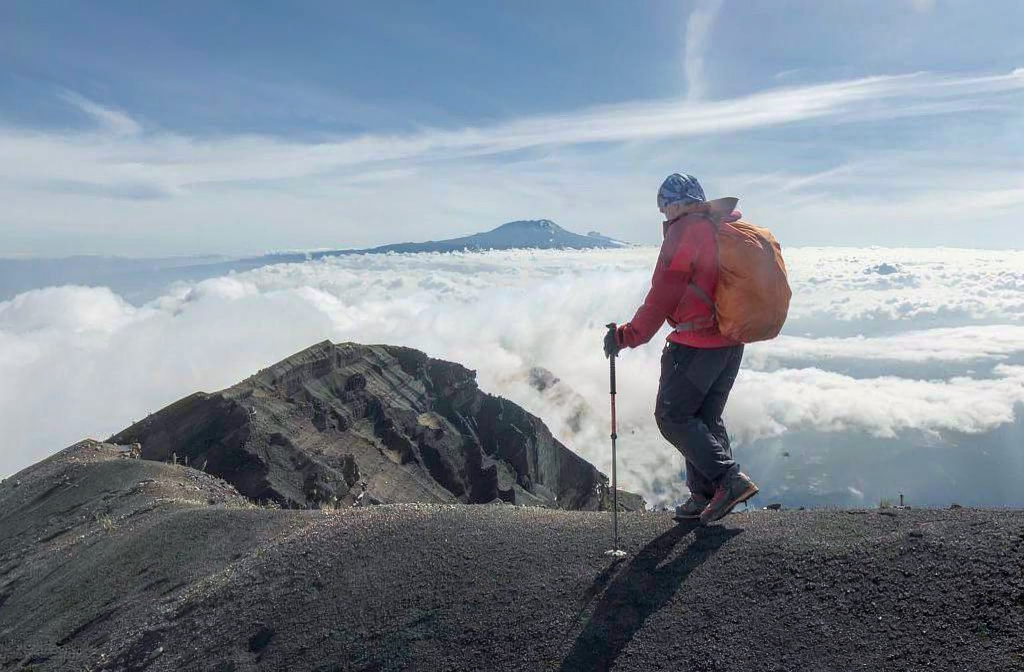
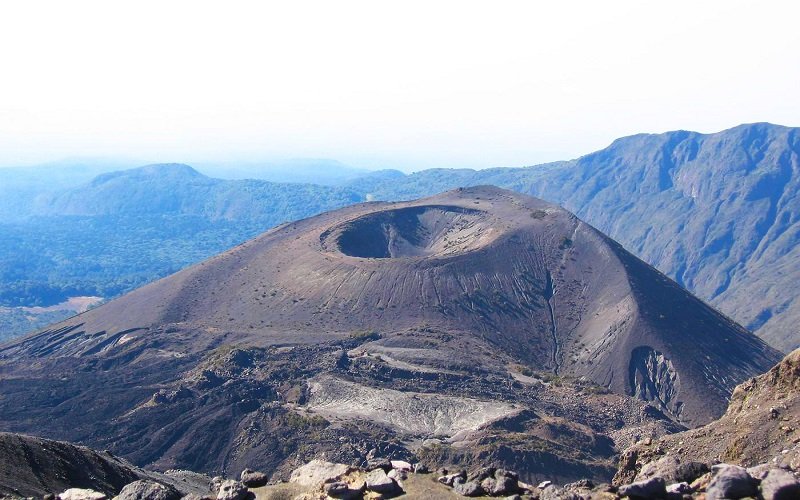
Mount Meru, often called the “Deathu2019s Mirror,” is a challenging but rewarding climb in its own right. It’s the second-highest mountain in Tanzania and offers a wilder, more rugged experience than Kilimanjaro. The trek takes you through diverse vegetation zones, from montane forest to alpine desert, and features a dramatic crater rim with impressive views over Arusha National Park and, on clear days, Kilimanjaro itself. The 4-day itinerary is standard, allowing sufficient time to reach the summit, Socialist Peak, and descend.
Following the Meru trek, the 7-day Lemosho route on Kilimanjaro provides a longer, more gradual ascent. This route starts on the western side of Kilimanjaro, crossing the Shira Plateau before joining the main circuit path. Its popularity stems from its high success rates, stunning scenery, and the sense of wilderness it offers in the initial days. The 7-day version is a good balance, offering adequate acclimatization without being excessively long, making it suitable for many trekkers aiming for the 2026-2027 climbing season.
Combining these two peaks in a single expedition for 2026-2027 offers a unique advantage: you gain valuable high-altitude experience and physical conditioning on Meru. This preparatory phase can significantly enhance your chances of success and enjoyment on Kilimanjaro. It also allows you to experience two distinct, yet equally majestic, Tanzanian mountain environments.
Mount Meru: The Essential Warm-Up
Mount Meru, standing at 4,566 meters (14,980 feet), is a stratovolcano located within Arusha National Park. It’s often overlooked by trekkers solely focused on Kilimanjaro, but its inclusion in a combined expedition for 2026-2027 is strategically brilliant. The 4-day trek is designed to introduce climbers to the rigors of high-altitude trekking in Tanzania, providing a vital acclimatization period.
The Meru Trek Experience
The standard 4-day Meru itinerary typically follows this path:
- Day 1: Momella Gate to Miriakamba Hut. This initial day involves a trek through lush montane forest, often accompanied by park rangers due to wildlife. Expect sightings of colobus monkeys, blue monkeys, and various bird species. The ascent is around 10 km (6.2 miles), taking 4-6 hours to reach Miriakamba Hut at approximately 2,100 meters (6,890 feet).
- Day 2: Miriakamba Hut to Saddle Hut. The trail steepens considerably as you leave the forest and enter the moorland zone. This is a tougher day, with a significant elevation gain over 8 km (5 miles), taking 3-5 hours to reach Saddle Hut at about 3,500 meters (11,480 feet). You’ll likely pass rhino and buffalo tracks, though sightings are rarer higher up.
- Day 3: Summit Day: Saddle Hut to Socialist Peak and Return. This is the most demanding day. Starting very early (around 2-3 AM), you’ll ascend steeply to the crater rim, passing the crater floor and then climbing to Socialist Peak, the summit. The terrain is rocky and challenging. The views from the summit, looking down into the crater and across to Kilimanjaro, are spectacular. The descent back to Miriakamba Hut is long and tiring. This day involves approximately 12-14 hours of trekking.
- Day 4: Miriakamba Hut to Momella Gate. A shorter descent back to the park gate, usually taking 2-3 hours.
Key Features of Mount Meru
- Wildlife Encounters: Arusha National Park is teeming with wildlife, and trekkers are often accompanied by armed rangers for safety, especially in the lower forest sections.
- Dramatic Scenery: The volcanic crater, sheer cliffs, and panoramic views make Meru visually striking.
- Technical Aspects: The final ascent to Socialist Peak involves some scrambling and steep, rocky sections, requiring sure footing.
- Acclimatization Benefit: Reaching 4,566 meters and descending provides excellent physiological preparation for Kilimanjaro.
While not as high as Kilimanjaro, Mount Meru should not be underestimated. Its steep ascents and challenging summit day are excellent practice for the greater challenge ahead. The logistical support required for Meru is similar to Kilimanjaro, involving guides, porters, park fees, and accommodation in mountain huts.
Kilimanjaro Lemosho Route: The Premier Choice
The 7-day Kilimanjaro Lemosho route is a popular choice for its beauty, gradual ascent, and high success rate. It’s considered one of the most scenic routes, offering varied landscapes and a true wilderness experience, especially in its early stages. The 7-day duration is optimal for acclimatization on Kilimanjaro itself, balancing time on the mountain with an efficient ascent profile.
The Lemosho Route Journey
The Lemosho route typically unfolds as follows:
- Day 1: Shira 1 Camp. Starting from the Lemosho trailhead, the trek ascends through dense rainforest. After reaching the Mti Mkubwa (Big Tree) camp, the trail continues to Shira 1 Camp on the Shira Plateau, at around 3,500 meters (11,480 feet). This day is about 6-8 hours of trekking.
- Day 2: Shira 1 Camp to Shira 2 Camp. A shorter day, ascending to Shira 2 Camp (around 3,850 meters / 12,630 feet) on the Shira Plateau, allowing for further acclimatization and exploration of the plateau’s unique alpine desert environment.
- Day 3: Shira 2 Camp to Barranco Camp. The route traverses the Shira Plateau and then descends towards the Barranco Valley, eventually climbing to Barranco Camp at 3,950 meters (12,960 feet). This day involves crossing lava flows and offers stunning views of Kilimanjaro’s glaciers and the Western Breach.
- Day 4: Barranco Camp to Karanga Camp. This day is famous for the Barranco Wall, a challenging but manageable scramble. The climb is steep but well-trodden, and porters often assist with gear. Reaching Karanga Camp at 3,995 meters (13,110 feet) offers great views of the southern ice fields.
- Day 5: Karanga Camp to Barafu Camp. The trek continues, gradually ascending towards the alpine desert zone. You’ll reach Barafu Camp at 4,650 meters (15,250 feet), the base camp for the summit push. This is a crucial acclimatization day, as you gain altitude without excessive exertion.
- Day 6: Summit Day: Barafu Camp to Uhuru Peak and Descent to Mweka Camp. This is the ultimate challenge. Starting around midnight, you ascend through the night, reaching Stella Point on the crater rim (5,756 meters / 18,885 feet) at sunrise. The final push to Uhuru Peak, the highest point in Africa, is along the crater rim. The descent is long, first back to Barafu Camp for a short rest, and then all the way down to Mweka Camp at 3,100 meters (10,170 feet).
- Day 7: Mweka Camp to Mweka Gate. A final, shorter descent through the forest to the Mweka Gate, where you’ll be met by your transport.
Advantages of the Lemosho Route
- Scenery: Widely considered the most beautiful route, with varied landscapes from rainforest to alpine desert and glaciers.
- Acclimatization: Its gradual ascent profile, especially in the first few days, aids acclimatization, contributing to higher success rates.
- Lower Crowds: Especially in the initial days, it feels more remote and less crowded than routes like Marangu or Machame.
- Higher Success Rate: Due to its excellent acclimatization and 7-day duration, it generally offers better success rates than shorter routes.
The 7-day Lemosho route is a robust choice for any serious trekker aiming for Kilimanjaro in 2026-2027, offering a balance of challenge, beauty, and a strong chance of reaching the summit.
The Expedition Itinerary: 4 Days Meru + 7 Days Lemosho
This combined expedition is structured to maximize your acclimatization and enjoyment. The sequence is crucial: Mount Meru first, followed by Kilimanjaro. This ensures you are physically and physiologically better prepared for the higher altitudes and demanding summit push on Kilimanjaro.
Proposed Combined Itinerary Structure (Approximate Days)
- Day 1: Arrival in Tanzania. Arrive at Kilimanjaro International Airport (JRO), meet your Climb 4 Africa representative, and transfer to your hotel in Arusha for an overnight stay. Briefing with your expedition leader.
- Day 2: Arusha to Momella Gate, Trek to Miriakamba Hut (Meru Day 1). After breakfast, drive to Momella Gate (Arusha National Park). Register and begin your trek through the forest to Miriakamba Hut (2,100m).
- Day 3: Miriakamba Hut to Saddle Hut (Meru Day 2). Continue climbing through moorland to Saddle Hut (3,500m).
- Day 4: Socialist Peak Summit and Descent to Miriakamba Hut (Meru Day 3). Early morning summit attempt via the crater rim to Socialist Peak (4,566m), followed by a descent back to Miriakamba Hut.
- Day 5: Miriakamba Hut to Momella Gate, Transfer to Arusha (Meru Day 4). Descend to Momella Gate and transfer back to your hotel in Arusha. Rest and prepare for Kilimanjaro.
- Day 6: Arusha to Lemosho Gate, Trek to Mti Mkubwa Camp (Kilimanjaro Day 1). Drive to the Lemosho Gate (2,100m). Begin your trek through rainforest to Mti Mkubwa Camp (2,820m).
- Day 7: Mti Mkubwa Camp to Shira 1 Camp (Kilimanjaro Day 2). Continue through varied terrain to Shira 1 Camp (3,500m) on the Shira Plateau.
- Day 8: Shira 1 Camp to Shira 2 Camp (Kilimanjaro Day 3). Ascend gradually to Shira 2 Camp (3,850m), exploring the plateau.
- Day 9: Shira 2 Camp to Barranco Camp (Kilimanjaro Day 4). Traverse the Shira Plateau and descend into the Barranco Valley, reaching Barranco Camp (3,950m).
- Day 10: Barranco Camp to Karanga Camp (Kilimanjaro Day 5). Ascend the famous Barranco Wall and reach Karanga Camp (3,995m).
- Day 11: Karanga Camp to Barafu Camp (Kilimanjaro Day 6). Trek across alpine desert to Barafu Camp (4,650m), the base for the summit attempt.
- Day 12: Summit Day: Barafu Camp to Uhuru Peak and Descent to Mweka Camp (Kilimanjaro Day 7). Midnight start for the summit push to Uhuru Peak (5,895m), followed by descent to Mweka Camp (3,100m).
- Day 13: Mweka Camp to Mweka Gate, Transfer to Arusha. Descend through the forest to Mweka Gate, meet your team, and transfer back to Arusha for a celebratory dinner and overnight stay.
- Day 14: Departure. Transfer to Kilimanjaro International Airport (JRO) for your onward journey.
This 14-day expedition structure is a common and effective way to combine these two peaks. It allows for rest days and buffer time, which are essential for high-altitude trekking. For 2026-2027, booking in advance is recommended, especially for specific dates.
Note on Itinerary Flexibility: While this is a standard structure, Climb 4 Africa can tailor itineraries. For instance, if you wish to spend more time on Kilimanjaro, an 8-day Lemosho route is also a popular option, offering even better acclimatization. The 4-day Meru is generally fixed due to park regulations and the most efficient route to the summit.
Why Combine Mount Meru and Kilimanjaro for 2026-2027?
The decision to combine Mount Meru and Kilimanjaro for your 2026-2027 adventure is a strategic one, offering multifaceted benefits that go beyond simply climbing two mountains.
Enhanced Acclimatization
This is the primary advantage. Mount Meru, at 4,566 meters, serves as an excellent high-altitude training ground. By successfully summiting and descending Meru, your body undergoes physiological changes that prepare it for the even greater challenges of Kilimanjaro. This process significantly reduces the risk of Acute Mountain Sickness (AMS) on Kilimanjaro, leading to a more comfortable and successful climb. It’s a proactive approach to acclimatization that many trekkers find invaluable.
Superior Scenery and Experience
You get to experience two distinct and spectacular Tanzanian mountain environments. Mount Meru offers rugged, volcanic landscapes and the chance to see wildlife in Arusha National Park. Kilimanjaro, via the Lemosho route, provides diverse ecological zones, from lush rainforests to the stark beauty of the alpine desert and the majestic glaciers of the summit cone. This combination offers a richer, more varied trekking experience.
Increased Success Rate on Kilimanjaro
While the Lemosho route itself has a good success rate, the preceding Meru climb further boosts your odds. By the time you reach Kilimanjaro’s base camp, your body is already accustomed to higher altitudes, meaning less strain during the critical summit push. This improved acclimatization is a key factor in reaching Uhuru Peak.
Sense of Accomplishment
Completing two significant Tanzanian peaks in one expedition is a remarkable achievement. It demonstrates a higher level of commitment and fitness, offering a profound sense of accomplishment that few trekkers experience. It’s a journey that tests your endurance and rewards you with unparalleled views and memories.
Logistical Efficiency
Organizing a single expedition with one operator, like Climb 4 Africa, for both climbs simplifies logistics. You can coordinate transfers, accommodation, and expedition teams efficiently. This is particularly beneficial for planning your 2026-2027 travels, as it streamlines the booking process and ensures smooth transitions between the two mountains.
Cost-Effectiveness (Relative)
While a combined trip is more expensive than climbing Kilimanjaro alone, it can sometimes offer better value than booking two separate expeditions with different operators. Bundling services with a single, reputable company can lead to efficiencies that are reflected in the overall package cost for 2026-2027 bookings.
For trekkers looking for a truly comprehensive Tanzanian mountain adventure in 2026-2027, combining Mount Meru with the Kilimanjaro Lemosho route is an excellent strategic choice.
Acclimatization Strategy: Meru as a Stepping Stone
The cornerstone of any successful high-altitude trek is proper acclimatization. Combining Mount Meru with Kilimanjaro provides a natural and highly effective acclimatization strategy, significantly improving your chances of summiting both peaks comfortably and safely, especially when planning for 2026-2027.
Understanding Altitude Sickness (AMS)
Acute Mountain Sickness (AMS) is a condition that affects climbers as they ascend to higher altitudes. Symptoms can range from mild (headache, nausea, dizziness) to severe (pulmonary or cerebral edema), which can be life-threatening. The key to preventing AMS is a slow, gradual ascent, allowing your body time to adapt to the lower oxygen levels.
How Meru Aids Kilimanjaro Acclimatization
- Gradual Altitude Gain: The 4-day Meru trek takes you to 4,566 meters. This is a substantial altitude gain that forces your body to adjust. The climb is steep enough to be challenging but paced to allow adaptation.
- Physiological Adaptation: During the Meru climb, your body increases its production of red blood cells, improves oxygen utilization, and makes other physiological adjustments to cope with reduced atmospheric pressure. These adaptations are directly transferable to the Kilimanjaro climb.
- Mental Preparation: Successfully navigating the challenges of Meru, including a summit day that often involves night trekking and steep ascents, builds confidence and mental resilience. This psychological preparedness is invaluable for the Kilimanjaro summit push.
- Reduced Risk on Kilimanjaro: By the time you start the Lemosho route, your body is already accustomed to operating at moderate to high altitudes. This means the initial ascents on Kilimanjaro will feel less taxing, and your body will be better equipped to handle the further altitude gains towards Uhuru Peak.
The Lemosho Route’s Own Acclimatization Benefits
While Meru provides the initial acclimatization, the 7-day Lemosho route is also designed with excellent acclimatization in mind:
- “Pole Pole” (Slowly Slowly) Principle: The Lemosho route emphasizes a gradual ascent. The first few days are spent traversing the Shira Plateau, allowing for significant altitude gain without steep climbs.
- “Climb High, Sleep Low” Principle: This is a fundamental acclimatization technique. On days where you ascend to a higher camp, you might descend slightly for the night, or you might trek to a higher point during the day and then descend to a lower camp. The Lemosho route naturally incorporates this, especially between Shira and Barranco camps.
- Longer Duration: A 7-day trek on Kilimanjaro is generally considered the minimum for effective acclimatization, especially for those coming from sea level. A 7-day Lemosho route is often preferred over a 6-day trek for this reason.
By combining the preparatory climb of Meru with the well-structured acclimatization profile of the 7-day Lemosho route, you create a robust, multi-stage approach to tackling Africa’s highest peaks. This is a critical consideration for anyone planning a 2026-2027 expedition.
Fitness and Preparation for the Dual Climb
Undertaking a 4-day Mount Meru climb followed by a 7-day Kilimanjaro Lemosho route is a significant physical challenge. Proper preparation is paramount to ensure you can enjoy the experience and maximize your chances of success for your 2026-2027 expedition. This isn’t a casual hike; it requires dedicated training.
Cardiovascular Fitness
The most important aspect is building excellent cardiovascular endurance. Your training should focus on activities that elevate your heart rate for extended periods.
- Hiking with a Pack: Regular hikes, ideally on varied terrain (hills, stairs), are essential. Aim for at least 2-3 long hikes (3-5 hours) per week in the months leading up to your trip. Crucially, wear the boots you intend to use and carry a backpack simulating the weight you’ll have on the mountain (10-15 kg).
- Running/Cycling/Swimming: Incorporate 3-4 sessions per week of aerobic exercise like running, cycling, or swimming. Focus on building stamina rather than speed.
- Stair Climbing: If you live in a flat area, stair climbing (in buildings or stadiums) is an excellent substitute for hill training.
Strength Training
While endurance is key, building leg and core strength will help you handle the demanding ascents and descents and carry your pack more comfortably.
- Leg Exercises: Squats, lunges, step-ups, and calf raises are beneficial.
- Core Exercises: Planks, crunches, and back extensions will improve stability and endurance.
Mental Preparation
High-altitude trekking is as much a mental challenge as a physical one. The extended duration of this combined expedition (potentially 14 days on the ground, with climbing days back-to-back) requires mental fortitude.
- Simulate Long Days: Train for back-to-back long days, if possible. Hike for several hours one day, then repeat the next day.
- Embrace Discomfort: Recognize that there will be moments of discomfort, cold, fatigue, and potentially challenging weather. Learning to push through these is crucial.
- Positive Mindset: Focus on the incredible experience and the achievement rather than solely on the difficulty.
Specific Training Recommendations
- Start Early: Begin your training program at least 3-4 months before your 2026-2027 expedition.
- Consistency is Key: Regular training is more effective than sporadic intense sessions.
- Listen to Your Body: Avoid overtraining. Allow for rest and recovery days to prevent injuries.
- Practice with Gear: Use your hiking boots, trekking poles, and backpack during training hikes to ensure comfort and identify any issues.
Climb 4 Africa emphasizes that while fitness is crucial, it’s not the only factor. The acclimatization strategy, proper gear, and the support of an experienced team are equally vital for a successful 4 Days Mount Meru + 7 Days Kilimanjaro Lemosho Climb 2026-2027.
Gear and Equipment for 2026-2027 Expeditions
The right gear is non-negotiable for a successful and comfortable 4 Days Mount Meru + 7 Days Kilimanjaro Lemosho Climb 2026-2027. Temperatures can vary dramatically, from warm and humid in the rainforest to freezing cold at the summit. Layering is the key principle.
Essential Clothing Layers
- Base Layers: Moisture-wicking thermal tops and bottoms (merino wool or synthetic).
- Mid Layers: Fleece jackets or insulated vests for warmth.
- Outer Layer (Shell): Waterproof and windproof jacket and trousers.
- Insulation Layer: A warm, puffy down or synthetic jacket for summit night and cold evenings.
Footwear
- Hiking Boots: Sturdy, waterproof, broken-in hiking boots with good ankle support. Essential for both Meru and Kilimanjaro.
- Camp Shoes/Sandals: For comfort at the huts and camps.
- Socks: Several pairs of warm, moisture-wicking hiking socks (wool or synthetic). Liner socks can help prevent blisters.
Headwear and Handwear
- Warm Hat: Wool or fleece hat that covers your ears.
- Sun Hat: Wide-brimmed hat or cap for sun protection.
- Balaclava or Buff: For protection against wind and cold on summit night.
- Gloves: Warm, waterproof gloves or mittens. Consider liner gloves as well.
Trekking Gear
- Backpack: A comfortable daypack (30-40 liters) for carrying essentials during the day (water, snacks, rain gear, camera). Your main duffel bag (80-100 liters) will be carried by porters.
- Sleeping Bag: A warm (-10°C to -20°C comfort rating) sleeping bag is essential. Down is lighter but synthetic bags perform better if wet.
- Trekking Poles: Highly recommended for reducing strain on knees during descents and aiding balance on ascents.
- Headlamp: With extra batteries. Crucial for summit night and navigating camps in the dark.
- Water Bottles/Hydration Reservoir: At least 2-3 liters capacity. Insulated covers are useful for preventing water from freezing.
Other Essentials
- Sunscreen and Lip Balm: High SPF, as the sun is intense at altitude.
- Sunglasses: UV protection is vital.
- Personal First-Aid Kit: Including any personal medications, blister treatment, pain relievers, and antiseptic wipes.
- Toiletries: Biodegradable soap, toothbrush, toothpaste, hand sanitizer, wet wipes.
- Camera and Power Bank: For capturing memories and keeping devices charged.
- Snacks: Energy bars, nuts, dried fruit – personal preferences.
- Passport and Visa: Ensure they are valid and easily accessible.
- Travel Insurance Documents: Including emergency evacuation coverage.
Gear Rental and Purchase
Climb 4 Africa can often assist with gear rental for items like sleeping bags and trekking poles. It’s always best to bring your own boots and personal clothing items to ensure a proper fit and comfort. We can provide a detailed gear list upon booking your 2026-2027 expedition.
Investing in quality gear, especially for your boots and waterproofs, will significantly enhance your comfort and safety on both Mount Meru and Kilimanjaro. Proper preparation of your gear list for 2026-2027 is a critical step.
Logistics and Support: What to Expect
A successful mountain expedition relies heavily on professional logistics and unwavering support. For a combined 4 Days Mount Meru + 7 Days Kilimanjaro Lemosho Climb 2026-2027, this support is crucial from start to finish.
Your Expedition Team
You will be accompanied by a dedicated team of local experts:
- Lead Guide: Highly experienced, certified guide responsible for overall expedition management, safety, and decision-making.
- Assistant Guides: Additional guides to ensure a good guide-to-client ratio, especially on summit day. They monitor client well-being closely.
- Porters: For Kilimanjaro, a large team of porters carries your main luggage, tents, food, and equipment. They are the backbone of the operation. For Meru, the system is similar but typically involves fewer porters as accommodation is in huts.
- Cooks: Prepare nutritious and delicious meals at the camps.
- Park Rangers: Mandatory for Mount Meru due to wildlife. They accompany trekkers for safety.
Daily Operations
- Wake-up Calls & Meals: You’ll typically be woken with hot water for washing and served breakfast at camp. Lunch is usually a packed meal or a hot meal at designated spots. Dinner is a full, cooked meal.
- Pace Management: Guides will ensure you ascend “pole pole” (slowly slowly) to aid acclimatization. They manage the pace of the entire group.
- Health Monitoring: Guides regularly check your vital signs (pulse, oxygen saturation) and ask about symptoms of AMS. They are trained to recognize and manage altitude-related illnesses.
- Camp Setup: Upon arrival at camp, porters will have already set up your tents and the mess tent (where meals are served).
Safety Protocols
- Emergency Evacuation: Reputable operators like Climb 4 Africa have established emergency evacuation procedures, often involving oxygen cylinders, stretcher services, and communication with ground support. Travel insurance with emergency evacuation coverage is mandatory.
- Communication: Guides will have satellite phones or radios for emergencies, though reception can be unreliable.
- Oxygen Use: Portable oxygen systems are sometimes carried for emergency use on Kilimanjaro.
Logistical Coordination by Climb 4 Africa
When you book your 4 Days Mount Meru + 7 Days Kilimanjaro Lemosho Climb 2026-2027 with Climb 4 Africa, we handle:
- All park fees and permits for both mountains.
- Transportation from Kilimanjaro Airport to your Arusha hotel and to/from all trailheads.
- Accommodation in Arusha (pre- and post-climb).
- All meals and accommodation on the mountain.
- Experienced guiding and porter team.
- Campsite/hut fees.
- Emergency oxygen (for Kilimanjaro).
Choosing an experienced local operator like Climb 4 Africa is vital. They understand the specific challenges of these mountains, have established relationships with park authorities, and can provide the most reliable support for your 2026-2027 expedition.
Cost Considerations for 2026-2027 Expeditions
The cost of a combined 4 Days Mount Meru + 7 Days Kilimanjaro Lemosho Climb 2026-2027 is significantly higher than a single climb due to the extended duration, increased logistics, and additional park fees. Understanding the components of the cost will help you make an informed decision.
Key Cost Factors
- Park Fees: These are substantial and are set by the Tanzanian government. They include entrance fees, camping/hut fees, rescue fees, and conservation fees for both Mount Meru and Kilimanjaro National Park. These fees are non-negotiable and form a large part of the package price.
- Guide and Porter Wages: Fair wages for your expedition team are a significant cost. Reputable operators pay their staff well, which impacts the overall price but ensures a professional and ethical operation.
- Food and Supplies: All meals on the mountain, including food for the team, require careful planning and transport.
- Equipment: Tents, sleeping mats, cooking equipment, tables, chairs, and safety gear (like oxygen cylinders) are costly to maintain.
- Logistics and Transport: Transfers between the airport, hotel, and various trailheads.
- Accommodation: Hotel stays in Arusha before and after the climbs.
- Operator’s Overhead and Profit: This covers office staff, marketing, insurance, and the company’s operational costs.
What’s Typically Included (and Excluded)
A comprehensive package for the 4 Days Mount Meru + 7 Days Kilimanjaro Lemosho Climb 2026-2027 from a reputable operator like Climb 4 Africa usually includes:
- Included: All park fees, rescue fees, accommodation in Arusha, all meals and camping equipment on the mountain, experienced guides, porters, cook, bottled water (or treated water), transfers, and emergency oxygen for Kilimanjaro.
- Typically Excluded: Flights, visa fees, travel insurance, tips for the crew (a significant expense, budget accordingly), personal gear (clothing, sleeping bag, etc.), soft drinks and alcoholic beverages, and pre/post-climb accommodation if needed beyond the standard package.
Budgeting for 2026-2027
Given the complexity, expect the combined 4 Days Meru + 7 Days Kilimanjaro Lemosho expedition to be priced significantly higher than a standalone Kilimanjaro climb. While exact prices vary based on the operator’s service level and inclusions, this type of expedition can range from $3,500 to $6,000+ per person for the climbing portion alone, depending on group size and inclusions. Always request a detailed quote from your chosen operator.
Factors Influencing 2026-2027 Pricing
Pricing for 2026-2027 may be subject to changes in park fees or exchange rates. Booking earlier can sometimes lock in prices or secure better availability. Climb 4 Africa provides detailed quotes based on your specific requirements and the prevailing rates for the 2026-2027 season. Contact us for a personalized quote.
It is crucial to compare what is included in different operators’ packages. The cheapest option is rarely the best, as it may compromise on safety, crew welfare, or the quality of equipment and food.
Booking Your 2026-2027 Adventure
Securing your 4 Days Mount Meru + 7 Days Kilimanjaro Lemosho Climb 2026-2027 requires careful planning and choosing the right partner. Climb 4 Africa specializes in creating these comprehensive Tanzanian mountain experiences.
When to Book
For peak climbing seasons (typically January-March and June-October), it’s advisable to book your 2026-2027 expedition at least 6-12 months in advance. This ensures availability, especially for specific dates or private group departures.
Choosing Your Operator
When selecting an operator for this complex expedition, consider:
- Experience: Do they have a proven track record with both Meru and Kilimanjaro, particularly combined climbs?
- Safety Standards: What are their emergency protocols? Do they carry oxygen? What is their guide training?
- Crew Welfare: Do they pay fair wages and provide good support for their guides and porters? This is a critical ethical consideration.
- Inclusions: What exactly is covered in the price?
- Reviews and Reputation: Look for independent reviews and testimonials.
The Climb 4 Africa Advantage
Climb 4 Africa offers:
- Local Expertise: As a Tanzanian company, we have deep knowledge of the mountains and local logistics.
- Safety First Approach: We prioritize your safety with experienced guides, proper equipment, and well-defined emergency procedures.
- Ethical Treatment of Staff: We are committed to fair wages and conditions for our guides and porters.
- Customizable Itineraries: We can tailor the 4 Days Mount Meru + 7 Days Kilimanjaro Lemosho Climb 2026-2027 to your specific needs and preferences.
- Comprehensive Support: From your initial inquiry to your successful descent, we provide dedicated support.
Next Steps to Book
To begin planning your incredible 4 Days Mount Meru + 7 Days Kilimanjaro Lemosho Climb 2026-2027 with Climb 4 Africa:
- Contact Us: Reach out via email at climb4africa@gmail.com or WhatsApp us at +255 747 477 898.
- Discuss Your Dates: Let us know your preferred travel window for 2026 or 2027.
- Request a Quote: We will provide a detailed, personalized quote outlining inclusions and exclusions.
- Review and Confirm: Once you’re happy with the proposal, we’ll guide you through the booking process and deposit payment.
Don’t miss the opportunity to experience one of Africa’s most rewarding mountain adventures. Let Climb 4 Africa help you plan your 4 Days Mount Meru + 7 Days Kilimanjaro Lemosho Climb 2026-2027 for an unforgettable journey.
“,
“faq_schema”: [
{
“question”: “What is the total duration of the 4 Days Mount Meru + 7 Days Kilimanjaro Lemosho Climb 2026-2027 expedition?”,
“answer”: “The combined expedition typically involves around 14 days on the ground in Tanzania, including arrival, acclimatization days, the 4-day Meru climb, the 7-day Kilimanjaro Lemosho climb, and departure. This allows for travel time and essential rest periods.”
},
{
“question”: “Why is Mount Meru climbed before Kilimanjaro?”,
“answer”: “Mount Meru (4,566m) serves as an excellent acclimatization climb for Kilimanjaro (5,895m). Successfully summiting Meru prepares your body for higher altitudes, significantly reducing the risk of altitude sickness on Kilimanjaro and increasing your chances of a successful summit bid.”
},
{
“question”: “Is the 7-day Lemosho route the best choice for Kilimanjaro in this combined trip?”,
“answer”: “The 7-day Lemosho route is highly recommended for its excellent acclimatization profile, stunning scenery, and higher success rates. It offers a gradual ascent, which is crucial after climbing Meru, and provides a more in-depth wilderness experience compared to shorter routes.”
},
{
“question”: “What level of fitness is required for the 4 Days Mount Meru + 7 Days Kilimanjaro Lemosho Climb 2026-2027?”,
“answer”: “A high level of cardiovascular fitness is essential. You should be comfortable hiking for 6-8 hours per day for multiple consecutive days, with significant elevation gain. Training should include regular hiking with a pack on varied terrain, along with strength and endurance exercises.”
},
{
“question”: “What gear is most important for this combined expedition in 2026-2027?”,
“answer”: “Key gear includes sturdy, broken-in waterproof hiking boots, layered clothing (base, mid, and outer shell), a warm sleeping bag rated for sub-zero temperatures, trekking poles, a good headlamp, and sun protection. Proper gear ensures comfort and safety across varied conditions.”
},
{
“question”: “What is the typical cost for a combined 4 Days Meru + 7 Days Kilimanjaro Lemosho Climb in 2026-2027?”,
“answer”: “The cost for this combined expedition is considerably higher than a single climb due to increased park fees, logistics, and duration. Expect prices to range from approximately $3,500 to $6,000+ per person, depending on the operator’s inclusions and service level. Always get a detailed quote.”
},
{
“question”: “When is the best time to climb Mount Meru and Kilimanjaro in 2026-2027?”,
“answer”: “The best climbing seasons for both mountains are generally January-March and June-October, offering drier weather. These are also popular times, so booking well in advance for 2026-2027 is recommended.”
},
{
“question”:
Check Availability for 4 Days Mount Meru + 7 Kilimanjaro Lemosho Climb 2026-2027
Ready to compare dates, prices, and the best option for your group? Send the package name and travel month so the team can reply with a clear quote, availability, and what is included.
Kilimanjaro Routes: 15 Strongest Worldwide Search Potential For Climbs
Planning a Kilimanjaro climb? This guide details the 15 routes with the highest search interest worldwide for 2026-2027, helping you choose the best path for your adventure. We cover...
View package detailsHow To Create The Perfect Travel Itinerary For Tanzania Adventures 2026-2027
Crafting the perfect travel itinerary for Tanzania involves understanding your priorities, choosing the right activities, and planning logistics effectively. This guide walks you through...
View package detailsCheap Hotels Near Me Tonight: Finding Affordable Stays In Tanzania 2026-2027
Discover how to find cheap hotels near you tonight in Tanzania, focusing on budget-friendly options for travelers planning safaris, Kilimanjaro treks, or Zanzibar holidays in 2026-2027...
View package detailsPlaces Where Your Money Goes Further: Smart Tanzania Travel For 2026-2027
Planning a trip to Tanzania in 2026 or 2027 and want to maximize your budget? This guide reveals how to make your money go further on Kilimanjaro climbs, wildlife safaris, and Zanzibar...
View package detailsDestinations Worth Visiting At Least Once Guide
Discover a curated selection of destinations that offer unparalleled experiences, from the majestic peaks of Kilimanjaro to the spice-scented shores of Zanzibar. This guide helps you...
View package detailsWildlife And Nature Titles: Your Ultimate Guide To Tanzanias Best Experiences
This comprehensive guide explores the most sought-after wildlife and nature titles in Tanzania, from iconic safari destinations and Kilimanjaro treks to the tropical allure of Zanzibar...
View package details
South Africa Safari Tours & Vacation Packages | Climb 4 2026-2027
Discover the ultimate South Africa safari experience with tailored tour and vacation packages for 2026-2027. From iconic Kruger National Park to exclusive private reserves, find detailed...
View package detailsBest Wildlife Photography Destinations For Safaris | Climb 4 Africa 2026-2027
Planning a safari for incredible wildlife photography in 2026 or 2027? Tanzania offers unparalleled opportunities. This guide details the top destinations, essential gear, timing, and how...
View package details
Kruger National Park Safari Packages: Your Ultimate Guide To Adventures
Discover tailored Kruger National Park safari packages for 2026-2027. This comprehensive guide covers everything from choosing the right lodge and activities to understanding costs and...
View package details
Tanzania Safari Tours & Packages /: Your Ultimate Wildlife Adventure 2026-2027
Discover the magic of Tanzania with expertly crafted safari tours and packages for 2026 and 2027. From the vast plains of the Serengeti to the depths of the Ngorongoro Crater, find your...
View package detailsAffordable Car Rentals Near Me: Your Tanzania Travel Guide 2026-2027
Planning a trip to Tanzania and need affordable car rentals? This comprehensive guide from Climb 4 Africa covers everything from finding the right vehicle to understanding local conditions...
View package detailsBest Gorilla And Chimpanzee Trekking Tours: Your Definitive Guide 2026-2027
Discover the ultimate guide to gorilla and chimpanzee trekking tours. Plan your 2026-2027 adventure to see these incredible primates in their natural habitats, covering key destinations...
View package detailsNo related package matches those filters. Clear one or more filters to see the other topic-matched options.



