
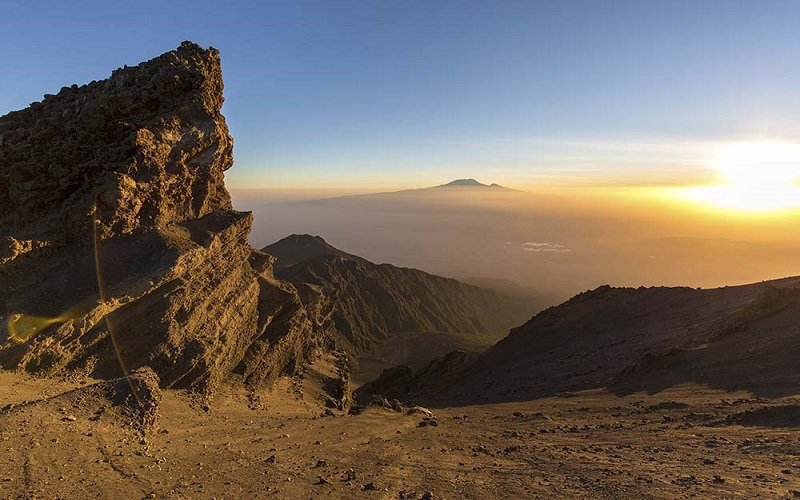
Combining a 3-day trek on Mount Meru with a 7-day climb of Mount Kilimanjaro via the Machame route offers an exceptional acclimatization advantage and a comprehensive Tanzanian high-altitude experience for 2026-2027. This dual-peak adventure allows for gradual ascent, increased success rates, and the opportunity to witness diverse landscapes, moving from Meru’s rugged crater rim to Kili’s glacial zones.
Understanding the 3 Days Mount Meru + 7 Days Kilimanjaro Machame Climb Combination
The allure of conquering Africa’s highest peak, Mount Kilimanjaro, is undeniable. For many, the dream extends to a more profound mountain experience, one that involves not just the summit but also a robust preparation that enhances the chances of success and personal satisfaction. This is where the strategic combination of a 3-day Mount Meru trek followed by a 7-day Kilimanjaro Machame climb comes into sharp focus, particularly for expeditions planned for 2026 and 2027. This itinerary is designed for trekkers seeking a more thorough acclimatization process, a deeper connection with the Tanzanian highlands, and a statistically higher probability of reaching Uhuru Peak.
Mount Meru, standing at 4,566 meters (14,980 feet), is often considered Kilimanjaro’s ‘little sister,’ but it offers a challenging and rewarding trek in its own right. Its proximity to Kilimanjaro makes it an ideal training ground. A 3-day ascent of Meru provides crucial time for the body to adapt to increasing altitudes, mitigating the risks of altitude sickness on the subsequent, higher climb of Kilimanjaro. Following this, the 7-day Machame route on Kilimanjaro is widely regarded as one of the most scenic and well-balanced routes, offering a good acclimatization profile even without the Meru warm-up, but significantly amplified when combined.
For trekkers targeting 2026-2027, this combined expedition represents a significant commitment, both in terms of physical preparation and time. It’s not merely about ticking off two mountains; it’s about a holistic mountain journey. This approach is favored by serious mountaineers and those who understand the physiological demands of high-altitude trekking. The sequencing – Meru first, then Kilimanjaro – is critical. It allows for an initial period of altitude exposure and recovery, making the subsequent 7-day Machame climb feel more manageable.
Why Combine Mount Meru and Kilimanjaro? The Acclimatization Advantage
The single most compelling reason for undertaking the 3 days Mount Meru + 7 days Kilimanjaro Machame climb is the enhanced acclimatization. Altitude sickness, or Acute Mountain Sickness (AMS), is a significant concern on Kilimanjaro. It can manifest as headaches, nausea, dizziness, and fatigue, and in severe cases, can be life-threatening. The Machame route, being a 7-day trek, already offers a reasonable acclimatization curve. However, by adding a 3-day Mount Meru trek beforehand, you are essentially giving your body a structured ‘altitude boot camp’.
Here’s how the acclimatization benefits unfold:
- Gradual Ascent: The 3-day Meru trek takes you from around 2,100 meters (6,900 feet) to the summit at 4,566 meters (14,980 feet) and back down. This cycle of ascent and descent, even over a short period, prompts physiological adaptations such as increased red blood cell production and improved oxygen utilization.
- Pre-emptive Adaptation: By the time you begin the Machame route, your body will have already experienced significant altitude exposure. This means you’ll be starting the Kilimanjaro climb from a more physiologically prepared baseline.
- Reduced AMS Risk: Studies and anecdotal evidence consistently show that trekkers who acclimatize properly have a lower incidence and severity of AMS. The Meru trek acts as an excellent pre-acclimatization phase, directly reducing the risks on Kilimanjaro.
- Increased Success Rate: Better acclimatization leads to more comfortable trekking days, better sleep, improved appetite, and ultimately, a higher likelihood of reaching Kilimanjaro’s summit.
While a 3-day Meru trek is beneficial, it’s important to note that it’s not a guarantee against AMS. However, it significantly tips the odds in your favor, especially when combined with the 7-day Machame route’s own acclimatization strategy. For trekkers planning their expeditions for 2026 or 2027, this dual-mountain approach is a smart investment in a successful and enjoyable journey.
Mount Meru: A Comprehensive Overview (3-Day Itinerary)
Mount Meru is part of Arusha National Park and is the second-highest peak in Tanzania. It’s a stratovolcano with a dramatic, sheer-sided crater and a distinctively jagged summit. The 3-day itinerary is the most common and recommended duration for a Meru climb, offering a good balance between challenge and acclimatization.
Day 1: Momella Gate to Miriakamba Hut
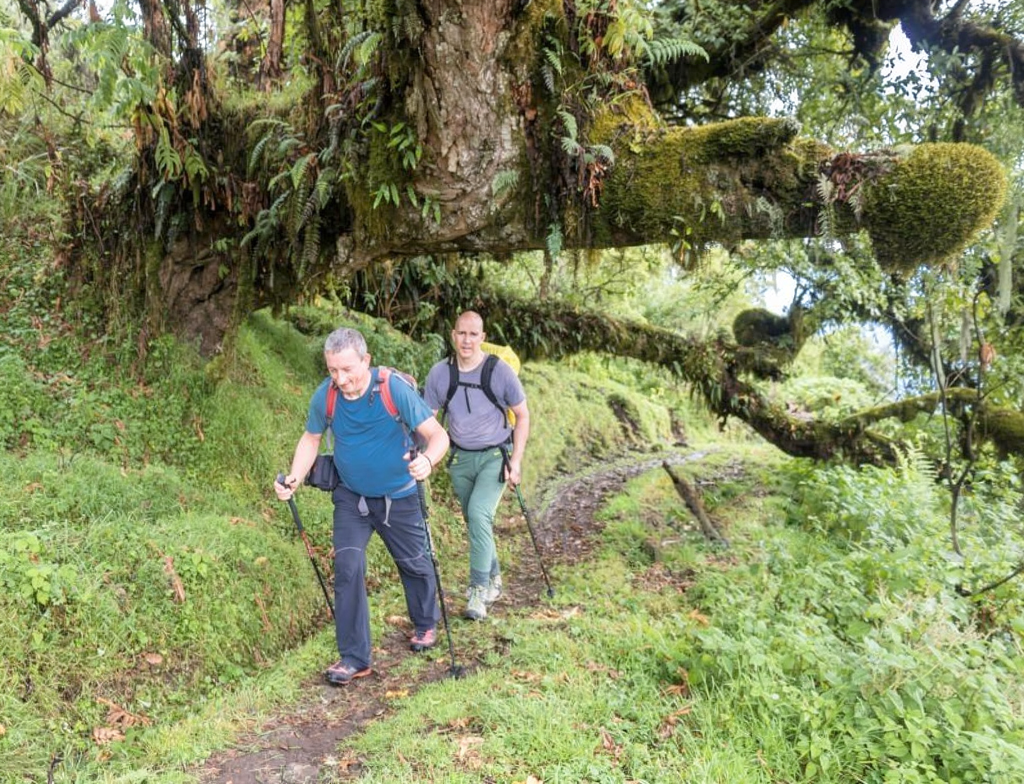
The journey begins at Momella Gate (1,500m/4,921ft), the park entrance. After park formalities, you’ll start trekking through lush montane forest. This is a relatively gentle ascent, with opportunities to spot wildlife like colobus monkeys, giraffes, and various bird species. The trail can be muddy, especially after rain. You’ll reach Miriakamba Hut (2,514m/8,248ft) in the late afternoon.
Day 2: Miriakamba Hut to Saddle Hut
This day involves a steeper climb, transitioning from forest into heath and moorland. The path is well-maintained but can be challenging with switchbacks. You’ll pass by the Ngurdoto Crater viewpoint. The goal is Saddle Hut (3,570m/11,713ft), located in a saddle between Meru’s main summit and its smaller cone, Little Meru. This is a crucial acclimatization day, as you’ll be sleeping at a significantly higher altitude.
Day 3: Saddle Hut to Socialist Peak and Descent to Momella Gate
This is the summit day and involves a very early start, typically around 2 am. The climb to Socialist Peak (4,566m/14,980ft) is steep and challenging, involving scree and rocky sections. The final approach to the summit ridge is particularly demanding. Reaching the summit for sunrise offers spectacular views, often including Kilimanjaro in the distance. After celebrating at the top, the descent is rapid. You’ll descend back to Saddle Hut for a brief rest and then continue all the way down to Momella Gate, usually arriving in the late afternoon. This descent is hard on the knees but allows for a quick return to lower altitudes.
Important Considerations for Meru:
- Park Fees and Rangers: Arusha National Park fees apply, and armed rangers are mandatory for the Meru climb due to wildlife in the lower sections.
- Accommodation: Basic mountain huts are provided.
- Scenery: The route is incredibly scenic, offering diverse vegetation zones and potential wildlife sightings.
- Challenge: The summit day is physically demanding and requires good fitness.
Mount Kilimanjaro: The 7-Day Machame Route
The Machame route, often called the ‘Whiskey Route’ due to its popularity among trekkers who prefer a more challenging climb, is a 7-day itinerary. It’s known for its scenic beauty and excellent acclimatization profile, making it one of the most successful routes. Starting in the rainforest, it traverses diverse landscapes, including moorland, alpine desert, and arctic zones, before reaching the summit crater.
Day 1: Machame Gate to Machame Camp
The trek begins at Machame Gate (1,800m/5,905ft). After registration and meeting your guides, you’ll start a hike through dense rainforest. The path can be muddy and slippery, but the lush vegetation and potential for wildlife sightings make it enjoyable. The climb is gradual, and you’ll reach Machame Camp (3,000m/9,842ft) in the afternoon.
Day 2: Machame Camp to Shira 2 Camp
Today’s trek takes you out of the rainforest and into the moorland zone. The path involves a steep ascent and descent through a gorge. You’ll gain significant altitude, reaching Shira 2 Camp (3,850m/12,631ft), a beautiful campsite on a plateau with stunning views of the Shira Massif and Kilimanjaro’s western breach.
Day 3: Shira 2 Camp to Barranco Camp
This is a crucial acclimatization day. The route heads east towards Kilimanjaro’s central cone, ascending to Lava Tower (4,600m/15,092ft) before descending to Barranco Camp (3,950m/12,959ft). This ‘climb high, sleep low’ strategy is vital for acclimatization. The descent to Barranco Camp is significant, allowing your body to adjust to the altitude.
Day 4: Barranco Camp to Karanga Camp
The highlight of this day is the famous Barranco Wall, a challenging scramble that requires careful navigation and teamwork. While not technically difficult, it’s a physically demanding section that offers incredible views. After overcoming the wall, the route continues to Karanga Camp (3,963m/13,000ft), situated in a valley with striking rock formations.
Day 5: Karanga Camp to Barafu Camp
This day involves a steady ascent through alpine desert. The landscape becomes increasingly barren and rocky. You’ll reach Barafu Camp (4,600m/15,092ft), which serves as the base camp for the summit attempt. It’s a stark, exposed location. You’ll have an early dinner and rest before the midnight summit push.
Day 6: Summit Day: Barafu Camp to Uhuru Peak and Descent to Mweka Camp
The summit attempt begins around midnight. This is the most challenging part of the climb, ascending steep scree slopes in the dark, often in cold and windy conditions. You’ll pass Stella Point (5,739m/18,832ft) on the crater rim before continuing to Uhuru Peak (5,895m/19,341ft), the roof of Africa. After spending a short time at the summit, you’ll descend back to Barafu Camp for a short rest before continuing the long descent to Mweka Camp (3,100m/10,171ft) in the moorland zone.
Day 7: Mweka Camp to Mweka Gate
The final day involves a relatively short descent through the rainforest to Mweka Gate (1,640m/5,380ft). You’ll be met by your driver and transferred back to your hotel in Moshi or Arusha, where you can celebrate your incredible achievement.
Machame Route Strengths:
- Scenery: Considered one of the most beautiful routes.
- Acclimatization: The 7-day itinerary offers good acclimatization.
- Success Rate: High success rates due to good acclimatization and route profile.
- Scenery: Diverse and stunning landscapes from rainforest to arctic zones.
Integrating the 3 Days Mount Meru + 7 Days Kilimanjaro Machame Climb for 2026-2027
When planning this combined expedition for 2026-2027, the logistics require careful consideration. The typical sequence involves completing the 3-day Mount Meru climb first, followed by a short break (usually one or two days) in Arusha or Moshi before commencing the 7-day Machame route trek.
Typical Integrated Itinerary Flow:
- Day 1-3: Mount Meru Climb (Momella Gate to Momella Gate).
- Day 4: Rest and recovery in Arusha/Moshi. This day is crucial for refueling, rehydrating, and allowing your body to recover from Meru. You can also use this time for gear checks and final preparations for Kilimanjaro.
- Day 5: Transfer to Machame Gate and trek to Machame Camp (Kilimanjaro Day 1).
- Day 6-11: Machame Route Climb (Kilimanjaro Day 2-7).
- Day 12: Arrival back at Mweka Gate and transfer to hotel.
This structure provides a logical progression and essential recovery time. It ensures you are well-rested and psychologically prepared for the longer Kilimanjaro ascent.
Choosing Your 2026-2027 Expedition Operator: Climb 4 Africa
Selecting the right tour operator is paramount for any Kilimanjaro or Meru expedition. For a complex, combined trek like the 3 days Mount Meru + 7 days Kilimanjaro Machame climb, you need an operator with deep local knowledge, experienced guides, and a commitment to safety and ethical practices. Climb 4 Africa specializes in Kilimanjaro climbs and Tanzania travel, offering:
- Local Expertise: As a Tanzanian company, Climb 4 Africa has unparalleled insight into local conditions, park regulations, and logistics.
- Experienced Guides: Their guides are highly trained in mountain safety, first aid, and acclimatization techniques, with extensive experience on both Meru and Kilimanjaro.
- Safety First: They prioritize climber safety with proper equipment, emergency protocols, and adequate oxygen supplies.
- Ethical Trekking: Climb 4 Africa adheres to fair wages and working conditions for their porters and crew, ensuring a responsible and sustainable trekking experience.
- Tailored Support: They can customize itineraries and provide detailed pre-departure information to ensure you are fully prepared for your 2026-2027 adventure.
When contacting Climb 4 Africa for your 2026-2027 combined trek, be sure to mention your interest in the 3 days Mount Meru + 7 days Kilimanjaro Machame climb. They can provide detailed itineraries, pricing, and answer any specific questions you may have about this unique expedition. You can reach them via WhatsApp at +255 747 477 898 or by email at climb4africa@gmail.com.
What to Expect: The Practicalities of the Combined Trek
Undertaking both mountains requires a robust physical and mental approach. Here’s a breakdown of what to expect:
Physical Fitness and Training
This is not a trek for the casual hiker. You need to be in excellent cardiovascular condition. Training should focus on:
- Endurance: Long hikes (4-6 hours) with significant elevation gain, ideally on consecutive days to simulate multi-day trekking.
- Strength Training: Focus on legs, core, and back for carrying a day pack and navigating varied terrain.
- Altitude Training (if possible): While difficult to replicate, any experience at moderate altitudes can be beneficial.
- Mental Preparedness: Both climbs involve challenging summit days, often in harsh conditions. Mental resilience is key.
Gear and Equipment
Proper gear is non-negotiable. You’ll need high-quality, layered clothing suitable for extreme temperature variations. Key items include:
- Layering System: Base layers (merino wool or synthetic), mid-layers (fleece or down), and an outer shell (waterproof and windproof jacket and trousers).
- Footwear: Broken-in, waterproof hiking boots are essential.
- Sleeping Bag: A 4-season sleeping bag rated to at least -15°C (0°F).
- Headwear and Handwear: Warm hat, gloves, and balaclava.
- Accessories: Trekking poles, headlamp, sunglasses, sunscreen, lip balm, and a good quality daypack.
Climb 4 Africa can provide detailed packing lists tailored to the specific conditions for 2026-2027 expeditions.
Altitude and Acclimatization on Meru and Kili
As discussed, the primary benefit of the combined trek is acclimatization. However, it’s vital to understand the nuances:
- Meru’s Role: The 3-day Meru climb effectively primes your body. You’ll sleep at over 3,500m on the second night of Meru, a significant altitude gain.
- Kilimanjaro’s Machame Profile: The 7-day Machame route’s ‘climb high, sleep low’ strategy (e.g., Lava Tower to Barranco Camp) is excellent. This strategy is even more effective after the initial acclimatization on Meru.
- Listen to Your Body: Regardless of the itinerary, it’s crucial to communicate any symptoms of altitude sickness to your guides immediately.
Nutrition and Hydration
Maintaining energy levels and hydration is critical. Mountain crews provide nutritious meals, but:
- Hydration: Aim to drink 3-5 liters of fluid per day. Electrolyte supplements can be helpful.
- Nutrition: Eat well, even when you don’t feel like it. High-carbohydrate meals provide energy. Snacks are essential for maintaining energy between meals.
Guides and Crew
Your guides are your lifeline. They are responsible for your safety, route navigation, and acclimatization monitoring. A well-supported crew, including porters for Kilimanjaro, ensures a smoother and safer trek. Climb 4 Africa’s commitment to porter welfare means your crew will be well-equipped and motivated.
Comparing the Combined Trek with Other Options
For trekkers planning for 2026-2027, understanding how this combined trek stacks up against single-mountain climbs or shorter routes is important.
Vs. Kilimanjaro Only (Machame 7-Day)
The primary difference is the added acclimatization and the Meru experience. While the 7-day Machame route is excellent, the Meru addition provides a more robust physiological preparation, potentially leading to a more comfortable Kilimanjaro climb and higher summit success.
Vs. Kilimanjaro Only (Shorter Routes, e.g., Marangu 5-Day)
Shorter routes like the 5-day Marangu route have a much higher risk of altitude sickness due to their rapid ascent profiles. The combined Meru and 7-day Machame trek is vastly superior in terms of acclimatization and overall success probability.
Vs. Meru Only
Meru is a fantastic mountain, but it doesn’t offer the same iconic status or the sheer scale of Kilimanjaro. The combined trek leverages the preparation benefits of Meru to tackle the ultimate prize.
Vs. Kilimanjaro + Meru (Different Order or Durations)
Climbing Meru first is generally recommended for acclimatization. Shorter Meru treks (2-day) are possible but offer less acclimatization benefit. Longer Machame routes (8 or 9 days) offer even better acclimatization but increase overall trip duration and cost.
The 3 days Mount Meru + 7 days Kilimanjaro Machame climb for 2026-2027 strikes an excellent balance between preparation, challenge, and the ultimate reward.
Planning Your 2026-2027 Expedition: Key Decisions
Booking your combined trek requires careful planning. Here are key decisions to make:
When to Go (2026-2027 Seasons)
Kilimanjaro has two main climbing seasons:
- Dry Seasons: January-March and June-October. These months offer the best weather, with clearer skies and less rain. However, they are also the busiest and potentially most expensive.
- Wet Seasons: April-May and November-December. These months see more rain and snow, making trekking more challenging. However, they are less crowded and can be more affordable.
For the 3 days Mount Meru + 7 days Kilimanjaro Machame climb, the dry seasons are generally preferred for optimal conditions on both mountains. For 2026-2027, consider booking well in advance, especially for peak dry season dates.
Group vs. Private Trek
Group Treks: Offer a more social experience and can be more cost-effective, especially if you join a scheduled departure. Climb 4 Africa often has group departure dates available, which can be found on their Machame Route group departures page. These are ideal for solo travelers or those looking to share the adventure.
Private Treks: Provide maximum flexibility in terms of departure dates and pace. They are ideal for families, groups of friends, or individuals who prefer a more personalized experience. This option is often chosen for combined treks like Meru + Kili to ensure the pace suits everyone.
Cost Considerations for 2026-2027
The cost of a combined 3 days Mount Meru + 7 days Kilimanjaro Machame climb will be higher than a single trek due to additional park fees, crew costs, and logistics. Operators like Climb 4 Africa offer transparent pricing. Key factors influencing cost include:
- Duration: 10 days of trekking plus rest days.
- Route: Machame is generally more expensive than Marangu due to camping requirements.
- Inclusions: Full board on the mountain, park fees, rescue fees, guide and porter salaries, camping equipment, transfers.
- Exclusions: Flights, visas, travel insurance, tips for guides and porters, personal gear, pre/post-climb accommodation and meals.
It is crucial to get a detailed quote from your chosen operator, such as Climb 4 Africa, for your 2026-2027 expedition to understand exactly what is covered.
Booking Your Expedition
Timing is Key: For popular trekking seasons in 2026-2027, it’s advisable to book at least 6-12 months in advance. This secures your preferred dates and allows ample time for training and preparation.
What to Discuss with Climb 4 Africa:
- Your desired travel dates for 2026-2027.
- Your fitness level and previous trekking experience.
- Any specific requirements or concerns you have.
- Detailed breakdown of inclusions and exclusions.
- Payment schedule and terms.
You can initiate your booking inquiry by contacting Climb 4 Africa via WhatsApp at +255 747 477 898 or email at climb4africa@gmail.com. They are experts in crafting these multi-mountain adventures and can guide you through every step.
Safety and Risk Management
Safety is paramount on any high-altitude trek. For the 3 days Mount Meru + 7 days Kilimanjaro Machame climb, operators must have robust safety protocols:
- Experienced Guides: Certified guides trained in wilderness first aid and altitude sickness management.
- Oxygen Systems: Availability of supplementary oxygen, especially for Kilimanjaro.
- Emergency Evacuation: Clear plans and communication channels for emergency evacuations. Kilimanjaro has a dedicated mountain rescue service.
- Health Checks: Regular monitoring of trekkers for signs of AMS.
- Communication: Satellite phones or similar devices for communication in remote areas.
Climb 4 Africa’s commitment to safety ensures that these measures are in place for all their expeditions, including those planned for 2026-2027.
Pre- and Post-Trek Arrangements
Your expedition doesn’t start and end on the mountain. Planning for the days before and after your treks is essential.
Before Meru: Arrival and Acclimatization in Arusha/Moshi
Most international flights arrive at Kilimanjaro International Airport (JRO). You’ll typically spend 1-2 nights in Arusha or Moshi before starting the Meru climb. This allows you to rest, adjust to the time zone, and make any last-minute gear purchases. Your operator, like Climb 4 Africa, will usually arrange airport transfers and accommodation.
Between Meru and Kilimanjaro: The Crucial Rest Day
As mentioned, a dedicated rest day (or two, if preferred) between the two treks is highly recommended. This isn’t just a day off; it’s an active recovery period. Use it to:
- Hydrate and eat well.
- Get a massage to ease sore muscles.
- Review your gear for Kilimanjaro.
- Mentally prepare for the next challenge.
After Kilimanjaro: Celebration and Further Exploration
Upon descending Kilimanjaro, you’ll return to your hotel for a well-deserved shower and rest. Many trekkers extend their Tanzanian adventure with:
- Wildlife Safaris: Explore the Serengeti, Ngorongoro Crater, Tarangire, or Lake Manyara. Climb 4 Africa offers excellent safari packages, including Tanzania safari group departures.
- Zanzibar Holidays: Relax on the pristine beaches of Zanzibar.
- Cultural Tours: Experience local life and traditions.
This combined trek is an excellent foundation for exploring more of what Tanzania has to offer in 2026-2027.
Conclusion: Your Ultimate Tanzanian Mountain Adventure in 2026-2027
The 3 days Mount Meru + 7 days Kilimanjaro Machame climb is an ambitious yet highly rewarding undertaking. It’s a journey that tests your physical and mental limits while offering unparalleled scenic beauty and a profound sense of accomplishment. By prioritizing acclimatization through the Meru trek, you significantly enhance your chances of summiting Kilimanjaro via the Machame route.
For trekkers targeting 2026-2027, this combined expedition provides a comprehensive Tanzanian mountain experience. It requires careful planning, dedicated training, and the support of an experienced and reputable operator. Climb 4 Africa stands ready to help you craft this extraordinary adventure, ensuring safety, support, and an unforgettable journey from the slopes of Mount Meru to the roof of Africa.
To discuss your personalized 3 days Mount Meru + 7 days Kilimanjaro Machame climb for 2026-2027, or to inquire about group departures, please reach out to Climb 4 Africa:
- WhatsApp: +255 747 477 898
- Email: climb4africa@gmail.com
Let Climb 4 Africa guide you through the planning and execution of this ultimate Tanzanian mountain challenge.
Check Availability for 3 Days Mount Meru + 7 Kilimanjaro Machame Climb : The Ultimate Combination
Ready to compare dates, prices, and the best option for your group? Send the package name and travel month so the team can reply with a clear quote, availability, and what is included.
Kilimanjaro Routes: 15 Strongest Worldwide Search Potential For Climbs
Planning a Kilimanjaro climb? This guide details the 15 routes with the highest search interest worldwide for 2026-2027, helping you choose the best path for your adventure. We cover...
View package detailsHow To Create The Perfect Travel Itinerary For Tanzania Adventures 2026-2027
Crafting the perfect travel itinerary for Tanzania involves understanding your priorities, choosing the right activities, and planning logistics effectively. This guide walks you through...
View package detailsCheap Hotels Near Me Tonight: Finding Affordable Stays In Tanzania 2026-2027
Discover how to find cheap hotels near you tonight in Tanzania, focusing on budget-friendly options for travelers planning safaris, Kilimanjaro treks, or Zanzibar holidays in 2026-2027...
View package detailsPlaces Where Your Money Goes Further: Smart Tanzania Travel For 2026-2027
Planning a trip to Tanzania in 2026 or 2027 and want to maximize your budget? This guide reveals how to make your money go further on Kilimanjaro climbs, wildlife safaris, and Zanzibar...
View package detailsDestinations Worth Visiting At Least Once Guide
Discover a curated selection of destinations that offer unparalleled experiences, from the majestic peaks of Kilimanjaro to the spice-scented shores of Zanzibar. This guide helps you...
View package detailsWildlife And Nature Titles: Your Ultimate Guide To Tanzanias Best Experiences
This comprehensive guide explores the most sought-after wildlife and nature titles in Tanzania, from iconic safari destinations and Kilimanjaro treks to the tropical allure of Zanzibar...
View package details
South Africa Safari Tours & Vacation Packages | Climb 4 2026-2027
Discover the ultimate South Africa safari experience with tailored tour and vacation packages for 2026-2027. From iconic Kruger National Park to exclusive private reserves, find detailed...
View package detailsBest Wildlife Photography Destinations For Safaris | Climb 4 Africa 2026-2027
Planning a safari for incredible wildlife photography in 2026 or 2027? Tanzania offers unparalleled opportunities. This guide details the top destinations, essential gear, timing, and how...
View package details
Kruger National Park Safari Packages: Your Ultimate Guide To Adventures
Discover tailored Kruger National Park safari packages for 2026-2027. This comprehensive guide covers everything from choosing the right lodge and activities to understanding costs and...
View package details
Tanzania Safari Tours & Packages /: Your Ultimate Wildlife Adventure 2026-2027
Discover the magic of Tanzania with expertly crafted safari tours and packages for 2026 and 2027. From the vast plains of the Serengeti to the depths of the Ngorongoro Crater, find your...
View package detailsAffordable Car Rentals Near Me: Your Tanzania Travel Guide 2026-2027
Planning a trip to Tanzania and need affordable car rentals? This comprehensive guide from Climb 4 Africa covers everything from finding the right vehicle to understanding local conditions...
View package detailsBest Gorilla And Chimpanzee Trekking Tours: Your Definitive Guide 2026-2027
Discover the ultimate guide to gorilla and chimpanzee trekking tours. Plan your 2026-2027 adventure to see these incredible primates in their natural habitats, covering key destinations...
View package detailsNo related package matches those filters. Clear one or more filters to see the other topic-matched options.



