
The Mount Meru first, then Kilimanjaro Lemosho acclimatization package for 2026-2027 is an expert-designed multi-day trek combining two of Tanzania’s most iconic peaks. It offers a significant advantage for climbers by providing superior acclimatization, effectively preparing your body for the higher altitude of Kilimanjaro. This approach typically involves a 3-4 day climb of Mount Meru, followed by a 7-8 day Lemosho route ascent of Kilimanjaro, creating a comprehensive and rewarding expedition for the serious trekker targeting the 2026 or 2027 climbing seasons.
Why Climb Mount Meru Before Kilimanjaro? The Acclimatization Advantage
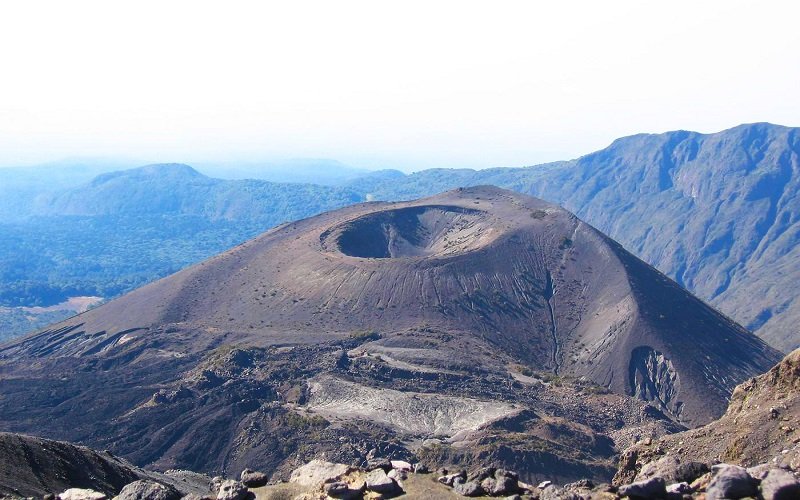
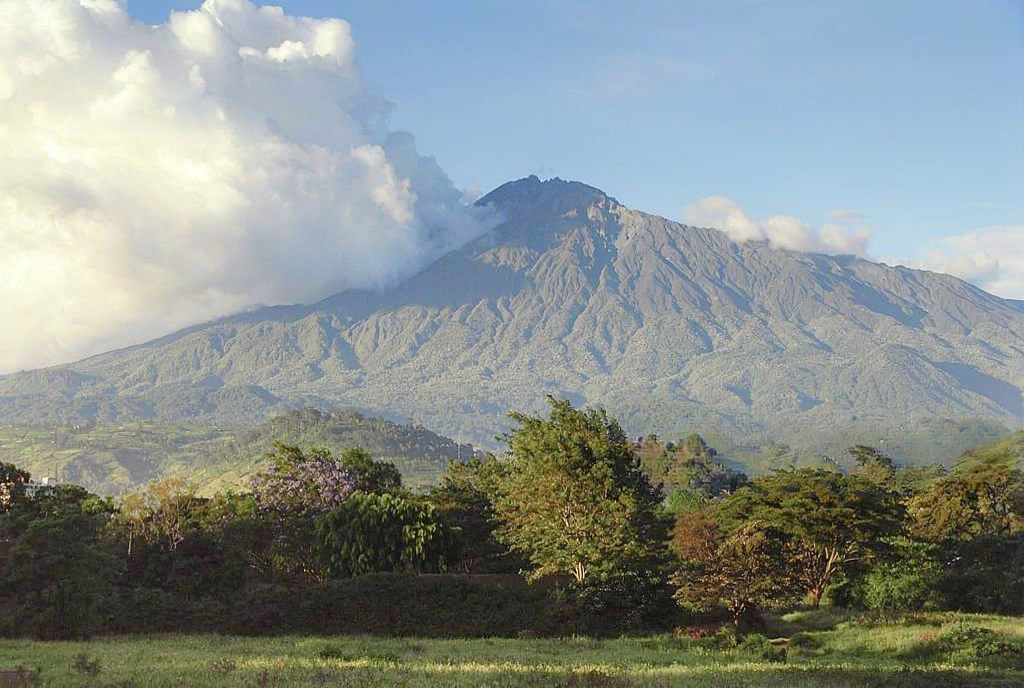
For many trekkers aspiring to conquer Kilimanjaro, the primary goal is reaching Uhuru Peak. However, the ascent can be challenging, with altitude sickness being the most common reason for failure. This is precisely where the strategic advantage of a Mount Meru first, then Kilimanjaro Lemosho acclimatization package truly shines. By tackling Mount Meru, Tanzania’s second-highest peak at 4,566 meters (14,980 feet), you are giving your body a significant head start in adapting to altitude. This is not merely about adding another peak to your list; it’s a calculated step to dramatically improve your chances of success on Kilimanjaro.
Mount Meru, while shorter than Kilimanjaro, offers a challenging trek in its own right. Its summit is a substantial altitude, and the climb itself provides a robust physiological test. Ascending Meru allows your body to produce more red blood cells, a crucial adaptation for carrying oxygen efficiently at higher elevations. This process, known as acclimatization, is the body’s natural response to lower oxygen levels. The longer you spend at altitude, the better your body becomes at coping with it. A typical Mount Meru climb takes 3 to 4 days, which is ample time for this vital adaptation to begin taking hold.
Consider the physiological process: as you ascend Mount Meru, your body experiences reduced oxygen pressure. In response, your kidneys signal the production of erythropoietin (EPO), a hormone that stimulates the bone marrow to create more red blood cells. These cells are the oxygen carriers. The more red blood cells you have, the more efficiently your body can transport oxygen to your muscles and brain, even in thin air. By the time you descend Meru and begin your Kilimanjaro Lemosho trek, your body is already in a more acclimatized state than if you had started directly on Kilimanjaro. This means less strain, fewer symptoms of altitude sickness, and a more enjoyable experience as you progress towards Kilimanjaro’s summit.
The trade-off, of course, is time and added physical exertion. This package requires a longer overall trip duration compared to a standalone Kilimanjaro climb. However, for trekkers who have had previous challenges with altitude, or those who simply want to maximize their chances of summit success on Kilimanjaro, the investment in climbing Meru first is invaluable. It transforms a potentially grueling experience into a more manageable and ultimately more fulfilling expedition. For those planning their adventure in 2026 or 2027, incorporating Mount Meru into your itinerary is a strategic decision that pays dividends in terms of safety, enjoyment, and summit success rates.
The Mount Meru First, Then Kilimanjaro Lemosho Package: An Overview
This comprehensive package is meticulously crafted for trekkers who understand the importance of acclimatization and are committed to a successful summit attempt on Kilimanjaro. It’s not just two separate climbs bundled together; it’s a synergistic approach designed to optimize your body’s readiness for high altitude. The typical structure involves:
- Mount Meru Ascent: Usually a 3 to 4-day trek, starting from the Momella Gate in Arusha National Park. This trek offers varied terrain, from rainforest to moorland and alpine desert, and culminates at Socialist Peak (4,566m).
- Rest and Transition: A crucial day or two of rest and lower-altitude recovery in Arusha or Moshi after descending Meru. This allows your body to consolidate the acclimatization gains before the next challenge.
- Kilimanjaro Lemosho Route Ascent: A 7 or 8-day trek up Kilimanjaro, starting from the Lemosho trailhead. The Lemosho route is renowned for its scenic beauty and gradual ascent profile, making it an excellent choice for acclimatization, especially after Meru.
The total duration for such a package typically ranges from 10 to 14 days on the ground in Tanzania, including travel and rest days. This extended timeframe is essential for proper acclimatization and recovery between the two demanding climbs.
Key benefits of this integrated package include:
- Enhanced Acclimatization: As discussed, Meru’s altitude provides a significant physiological boost.
- Increased Summit Success Rate: By reducing the risk of severe altitude sickness, your chances of reaching Uhuru Peak are demonstrably higher.
- Varied Scenery and Experience: You experience two distinct mountain environments, offering a richer and more diverse trekking adventure. Meru’s crater rim walk and Kilimanjaro’s diverse ecological zones provide a interesting journey.
- Well-Supported Logistics: Climb 4 Africa manages all the complex logistics, from park permits and park fees to experienced guides, porters, cooks, and quality camping equipment for both mountains. This allows you to focus entirely on the trek.
- Ideal for 2026-2027 Climbers: Planning well in advance for the 2026 and 2027 climbing seasons ensures you secure preferred dates and the best available guides and support teams. This package is particularly suited for those who want to make the most of their trip to Tanzania during these years.
The Lemosho route on Kilimanjaro is chosen for its gradual ascent, which is critical after the exertion of Meru. It allows for a slow and steady climb, further aiding acclimatization, and is widely considered one of the most beautiful routes, offering panoramic views and a higher chance of spotting wildlife in its lower sections.
Detailed Itinerary: Mount Meru and Kilimanjaro Lemosho in Tandem
While specific itineraries can be customized, a typical Mount Meru first, then Kilimanjaro Lemosho acclimatization package might look something like this. This is a blueprint, and Climb 4 Africa can tailor it to your exact needs for your 2026 or 2027 adventure.
Sample 12-Day Itinerary (Approximate)
- Day 1: Arrival in Tanzania. Arrive at Kilimanjaro International Airport (JRO), meet your Climb 4 Africa representative, and transfer to your hotel in Arusha for an overnight stay. Briefing and gear check.
- Day 2: Arusha to Momella Gate to Miriakamba Hut (Mount Meru). After breakfast, drive to Arusha National Park’s Momella Gate. Register and begin your trek with your guide and support crew. The trail winds through savannah and montane forest. Altitude: 2,100m (Momella Gate) to 2,514m (Miriakamba Hut). Trekking time: 4-5 hours.
- Day 3: Miriakamba Hut to Saddle Hut (Mount Meru). The path steepens, moving into moorland. You’ll pass through the Meru Crater and the ‘Little Meru’ viewpoint. Altitude: 2,514m to 3,570m (Saddle Hut). Trekking time: 3-4 hours.
- Day 4: Saddle Hut to Summit (Meru) and back to Miriakamba Hut. An early start for the summit attempt via Rhino Point and Gillman’s Point to Socialist Peak (4,566m). The views of Kilimanjaro at sunrise are spectacular. Descend back to Saddle Hut for a short rest, then continue down to Miriakamba Hut. This is a long, demanding day. Altitude: 3,570m to 4,566m (Summit) and down to 2,514m (Miriakamba Hut). Trekking time: 8-10 hours.
- Day 5: Miriakamba Hut to Momella Gate and transfer to Arusha. A final descent through the forest, spotting wildlife. After reaching the gate, you’ll be transferred back to your hotel in Arusha for a well-deserved rest and celebration.
- Day 6: Rest and Preparation Day in Arusha. A crucial recovery day. You can relax, explore Arusha, or attend a final briefing for the Kilimanjaro trek. Gear check and ensuring everything is ready for the Lemosho route.
- Day 7: Arusha to Londorossi Gate to Mti Mkubwa Camp (Kilimanjaro Lemosho). Drive to Londorossi Gate (2,360m), the starting point for the Lemosho route. After park formalities, begin a short trek through the rainforest to Mti Mkubwa Camp. Altitude: 2,360m to 2,820m (Mti Mkubwa). Trekking time: 3-4 hours.
- Day 8: Mti Mkubwa Camp to Shira 1 Camp (Kilimanjaro Lemosho). Trek through the moorland zone, enjoying expansive views. The trail gradually gains altitude. Altitude: 2,820m to 3,500m (Shira 1). Trekking time: 5-6 hours.
- Day 9: Shira 1 Camp to Shira 2 Camp (Kilimanjaro Lemosho). A shorter day, allowing for acclimatization as you traverse the Shira Plateau. Altitude: 3,500m to 3,850m (Shira 2). Trekking time: 3-4 hours.
- Day 10: Shira 2 Camp to Barranco Camp (Kilimanjaro Lemosho). A challenging day crossing the Lava Tower (4,600m) before descending to the stunning Barranco Valley. This “climb high, sleep low” strategy is vital for acclimatization. Altitude: 3,850m to 3,950m (Barranco). Trekking time: 6-7 hours.
- Day 11: Barranco Camp to Karanga Camp (Kilimanjaro Lemosho). Ascend the famous Barranco Wall, a climb that requires scrambling but is manageable with guides. Continue through alpine desert to Karanga Camp. Altitude: 3,950m to 4,200m (Karanga). Trekking time: 3-4 hours.
- Day 12: Karanga Camp to Barafu Camp (Kilimanjaro Lemosho). Trek across a barren alpine desert landscape, with Kilimanjaro looming above. Reach Barafu Camp, your base for the summit push. Altitude: 4,200m to 4,670m (Barafu). Trekking time: 3-4 hours.
- Day 13: Summit Day: Barafu Camp to Uhuru Peak and descend to Mweka Camp (Kilimanjaro Lemosho). The ultimate challenge. An extremely early start (midnight to 2 am) to ascend Stella Point and then Uhuru Peak (5,895m). Descend past Barafu Camp to Mweka Camp. Altitude: 4,670m to 5,895m (Uhuru Peak) and down to 3,100m (Mweka). Trekking time: 10-12 hours (summit day).
- Day 14: Mweka Camp to Mweka Gate and transfer to Arusha. A final descent through the rainforest to Mweka Gate. Celebrate your incredible achievement with your team and transfer back to Arusha for a farewell dinner and overnight stay.
- Day 15: Departure. Transfer to Kilimanjaro International Airport (JRO) for your onward journey.
This is a sample, and variations exist. Some clients prefer an 8-day Lemosho route for even slower acclimatization, making the total trip closer to 15 days. The choice between 7 or 8 days on Kilimanjaro, and 3 or 4 days on Meru, depends on individual fitness, acclimatization history, and desired pace. For 2026-2027 bookings, discussing these options with Climb 4 Africa is key.
Kilimanjaro Routes: Why Lemosho is the Ideal Partner for Meru
When pairing Mount Meru with Kilimanjaro, the choice of Kilimanjaro route is paramount. The Lemosho route stands out as the most recommended and effective partner for several compelling reasons, especially when aiming for optimal acclimatization after Meru. While other routes like Machame are popular, Lemosho offers a unique blend of gradual ascent, scenic beauty, and a longer duration that perfectly complements the preceding Meru climb.
Why Lemosho for this Package?
- Gradual Altitude Gain: The Lemosho route is known for its gentle, progressive ascent. It spends more time in the lower ecological zones, allowing your body to adapt slowly. After the intensity of Mount Meru, this slow and steady approach on Kilimanjaro is invaluable. It minimizes the risk of acute mountain sickness (AMS) and allows your body to continue its acclimatization process effectively.
- Scenic Beauty and Wildlife: Starting from the west, Lemosho offers some of the most impressive scenery on Kilimanjaro, including panoramic views of the Maasai Steppe and potential wildlife sightings in the rainforest. This makes the journey more enjoyable and less monotonous.
- Longer Duration: Typically offered as a 7 or 8-day trek, the Lemosho route provides more days on the mountain. This extended duration is crucial for acclimatization. Each additional day at altitude allows your body to make further physiological adjustments, significantly increasing your chances of reaching the summit.
- Circumvention of Shira Plateau: Unlike the Machame route, Lemosho traverses the Shira Plateau, which is a higher starting point, but it does so with a more gradual approach. The route then contours around the southern side of Kilimanjaro, offering a more diverse and often less crowded experience compared to some of the more direct routes.
- Better Acclimatization Profile: The Lemosho route’s “climb high, sleep low” principle is particularly effective. For example, the trek from Shira 2 camp to Barranco camp involves crossing the Lava Tower at around 4,600m before descending to sleep at 3,950m. This strategy is one of the most effective ways to promote acclimatization.
Comparing Lemosho to Other Popular Routes in this Context:
- Machame Route: While also a popular choice, Machame is steeper and often more crowded. While it offers good acclimatization, Lemosho’s gentler profile and longer duration often make it a better complement to an already acclimatized body from Meru.
- Marangu Route: Known as the “Coca-Cola” or “tourist” route, Marangu uses dormitory-style huts and is the fastest route. Its rapid ascent profile makes it the least suitable for optimal acclimatization, especially after a preceding climb like Meru.
- Northern Circuit: The longest route, offering excellent acclimatization, but it doesn’t typically start with a preceding trek like Meru and is a significantly longer commitment on its own.
For trekkers investing in a Mount Meru first, then Kilimanjaro Lemosho acclimatization package for 2026-2027, the Lemosho route ensures that the gains made on Meru are not compromised by a poorly designed Kilimanjaro ascent. It’s about maximizing the entire expedition’s potential for success and enjoyment.
Preparing for the Dual Summit Challenge: Training and Gear for 2026-2027
Undertaking both Mount Meru and Kilimanjaro in succession is a significant physical undertaking. Proper preparation, both in terms of physical training and gear selection, is non-negotiable for a successful and enjoyable experience in 2026 or 2027. This dual-mountain package demands more than casual hiking fitness.
Physical Training Regimen:
- Cardiovascular Fitness: Focus on endurance. Aim for at least 3-4 cardio sessions per week, including long hikes (4-6 hours) with significant elevation gain. Activities like running, cycling, swimming, and stair climbing are excellent supplements.
- Strength Training: Strong legs are essential. Incorporate squats, lunges, step-ups (with a weighted backpack), and calf raises. Core strength is also vital for stability and endurance.
- Hiking with Pack: The most crucial element is practicing hiking with the weight you’ll carry on the mountain (daypack with essentials, plus potential extra layers). Simulate mountain conditions by hiking on uneven terrain and steep inclines. Gradually increase the weight and duration of your training hikes.
- Altitude Simulation (If Possible): If you live at altitude or have access to altitude training facilities, use them. However, for most, consistent endurance training is the best preparation.
- Consistency is Key: Begin your training at least 3-6 months before your planned expedition in 2026-2027. Gradually increase intensity and duration to avoid injury.
Essential Gear for Both Mountains:
The gear list for both Meru and Kilimanjaro is similar, but the duration and intensity of this combined package mean reliability and comfort are paramount. Climb 4 Africa provides detailed gear lists, but here are the absolute essentials:
- Layering System: This is critical. You’ll experience a wide range of temperatures, from tropical heat at the base to freezing conditions at the summit.
- Base Layers: Moisture-wicking thermal tops and bottoms (merino wool or synthetic).
- Mid Layers: Fleece jackets or down vests for insulation.
- Outer Layer: Waterproof and windproof jacket and trousers (Gore-Tex or similar).
- Footwear:
- Hiking Boots: Sturdy, waterproof, broken-in hiking boots with good ankle support.
- Camp Shoes/Sandals: For use at campsites.
- Socks: Several pairs of wool or synthetic hiking socks.
- Headwear:
- Warm Hat: Fleece or wool, covering the ears.
- Sun Hat: Wide-brimmed for sun protection.
- Balaclava/Neck Gaiter: For wind and cold protection.
- Gloves:
- Liner Gloves: Thin gloves for dexterity.
- Warm Mittens/Gloves: Waterproof and insulated for summit night.
- Headlamp: With extra batteries. Essential for summit night and early mornings.
- Backpack: A comfortable daypack (30-40 liters) for carrying essentials during the trek. Climb 4 Africa will provide larger duffel bags for porters to carry your main gear.
- Sleeping Bag: A 4-season bag rated to at least -15°C (0°F).
- Trekking Poles: Highly recommended for reducing strain on knees and improving balance, especially on descents.
- Sun Protection: High SPF sunscreen, lip balm with SPF, and sunglasses.
- Hydration: Water bottles or hydration reservoir (CamelBak). Consider a wide-mouthed bottle as narrow ones can freeze easily. Water purification tablets or a filter are also good backups.
- Personal Items: Toiletries, personal first-aid kit, high-energy snacks, camera, power bank.
Important Note on Gear: While Climb 4 Africa provides tents, sleeping mats, and cooking equipment, all personal clothing, footwear, and sleeping bags must be brought by the trekker. Investing in good quality, reliable gear is crucial for comfort and safety on both mountains during your 2026-2027 expedition.
Logistics and Local Support: What Climb 4 Africa Provides
Choosing a reputable operator like Climb 4 Africa for your Mount Meru first, then Kilimanjaro Lemosho acclimatization package is paramount. The complexity of managing two separate mountain climbs, coupled with international travel logistics, requires expert handling. Climb 4 Africa prides itself on providing comprehensive, practical, and reliable support, ensuring your focus remains solely on the trekking experience.
Key Inclusions and Support Provided by Climb 4 Africa:
- Experienced Guides: You will be accompanied by highly trained, certified guides who are experts in high-altitude trekking, first aid, and emergency procedures. They are crucial for monitoring your health and making critical decisions regarding acclimatization and safety on both Meru and Kilimanjaro.
- Support Crew: A dedicated team of porters will carry your main luggage (duffel bags), tents, food, and cooking equipment. Cooks will prepare nutritious, hot meals at designated campsites. This ensures you are well-fed and well-rested, vital for recovery and performance.
- Park Fees and Permits: All necessary entry fees for Arusha National Park (for Meru) and the Kilimanjaro National Park, as well as camping and rescue fees, are included. These are significant costs and are managed upfront by Climb 4 Africa.
- Accommodation: Quality tents for camping on both mountains are provided. Transfers to and from the airport and hotels in Arusha before and after the treks are also part of the package.
- Meals: Wholesome, freshly prepared meals are provided throughout the treks, tailored to provide the energy needed for strenuous activity. This includes breakfast, lunch, dinner, and snacks.
- Oxygen Cylinders and First-Aid Kits: Standard safety equipment, including supplementary oxygen and comprehensive medical kits, are carried by the guides for emergencies on Kilimanjaro.
- Pre-Trek Briefings and Support: Climb 4 Africa offers detailed pre-trip information and conduct thorough briefings upon your arrival, covering everything from itinerary details and safety protocols to cultural insights.
- 24/7 Local Support: Our team in Tanzania is available around the clock to assist with any issues that may arise, ensuring peace of mind throughout your 2026-2027 expedition.
What is typically NOT included (and what you need to budget for):
- International Flights: Your travel to and from Kilimanjaro International Airport (JRO).
- Visas: Tanzania visa requirements.
- Travel Insurance: Comprehensive travel and medical evacuation insurance is mandatory.
- Personal Gear: Sleeping bag, hiking boots, clothing, and personal items.
- Tips for Guides and Porters: This is a customary and important part of the trekking culture in Tanzania. Climb 4 Africa provides guidance on recommended tipping amounts.
- Personal Expenses: Souvenirs, alcoholic beverages, laundry, etc.
- Gratuities: For staff at hotels.
By choosing Climb 4 Africa, you are not just booking a trek; you are partnering with a local expert that understands the nuances of Tanzanian trekking, has strong relationships with park authorities, and is committed to the safety and success of every climber. This local expertise is invaluable for a complex package like the Mount Meru and Kilimanjaro Lemosho combination for 2026-2027.
Understanding the Investment: Pricing and Value for 2026-2027 Packages
The Mount Meru first, then Kilimanjaro Lemosho acclimatization package represents a significant investment, reflecting the extended duration, complex logistics, and high-quality support required for two major mountain climbs. It’s crucial to understand what drives the cost and to recognize the immense value offered by a reputable operator like Climb 4 Africa.
Factors Influencing the Price:
- Duration: This is a longer trip (typically 10-15 days) compared to a standard Kilimanjaro climb, meaning more days of guide, porter, cook, and park fee expenses.
- Park Fees: Fees for Kilimanjaro National Park and Arusha National Park are substantial and constitute a large portion of the overall cost. These fees are set by the Tanzanian government and are non-negotiable.
- Crew Size: The number of guides, assistant guides, porters, and cooks is determined by safety regulations and the number of climbers. A higher client-to-staff ratio on Kilimanjaro ensures better safety and support.
- Quality of Service: Premium operators like Climb 4 Africa invest in experienced guides, better quality food, comfortable tents, and proper equipment maintenance, all of which contribute to a safer and more enjoyable trek.
- Route Choice: The Lemosho route, being longer and more scenic, often carries a slightly higher price point than shorter, more direct routes, but its acclimatization benefits are worth the investment.
- Season: While prices are generally consistent for 2026 and 2027, peak climbing seasons (e.g., January-March and June-October) might see slightly higher demand, though reputable operators maintain set pricing.
What the Price Typically Includes (from Climb 4 Africa):
A well-structured package for this dual-mountain adventure will generally include:
- All park entrance fees, camping fees, and rescue fees for both Mount Meru and Kilimanjaro.
- Professional, experienced, and certified mountain guides for both treks.
- Support crew (assistant guides, porters, cooks).
- All meals and accommodation (tents) during the treks.
- Boiled water, coffee, and tea during treks.
- Accommodation in Arusha before and after the treks.
- Airport transfers and ground transportation to park gates.
- A comprehensive medical kit and supplementary oxygen (especially for Kilimanjaro).
- A Kilimanjaro National Park Certificate for reaching the summit.
Understanding Value vs. Price:
It’s tempting to opt for the cheapest package, but this can be a false economy when climbing high mountains. The true value of a premium package lies in:
- Safety: Better trained guides, sufficient support crew, and essential safety equipment significantly reduce risks.
- Success Rate: Optimized acclimatization strategies and experienced guides lead to higher summit success rates.
- Comfort: Higher quality food, tents, and camping equipment make a significant difference to morale and physical recovery.
- Peace of Mind: Knowing that all logistics are handled by experts allows you to fully concentrate on the physical and mental challenge.
For the 2026-2027 Mount Meru then Kilimanjaro Lemosho package, expect pricing to reflect the comprehensive nature of the expedition. While exact figures require a custom quote, investing in a package that prioritizes safety, experienced support, and proven acclimatization strategies is the most sensible approach. Climb 4 Africa offers transparent pricing that details exactly what is included, ensuring you understand the value you are receiving for your investment.
Booking Your Mount Meru & Kilimanjaro Lemosho Package for 2026-2027
Securing your Mount Meru first, then Kilimanjaro Lemosho acclimatization package for 2026-2027 is an exciting step towards an unforgettable adventure. To ensure you get the best experience, availability, and personalized service, it’s wise to book well in advance. Here’s how to proceed and what to consider.
When to Book:
For the 2026 and 2027 climbing seasons, we strongly recommend booking at least 6-12 months in advance. This lead time allows for:
- Securing Preferred Dates: Especially if you have specific travel dates in mind, booking early guarantees availability.
- Optimal Planning: It gives you ample time for physical training, gear preparation, and necessary travel arrangements.
- Customization: More time to discuss and tailor the itinerary, acclimatization profile, and any specific requirements you may have.
The Booking Process with Climb 4 Africa:
Our process is designed to be straightforward and supportive:
- Initial Inquiry: Reach out to us via email or WhatsApp. Share your interest in the Mount Meru and Kilimanjaro Lemosho package, your preferred travel dates for 2026 or 2027, the number of people in your group, and any specific questions you have.
- Personalized Consultation: We will discuss your experience level, fitness, and goals. We’ll provide a detailed itinerary, explain inclusions and exclusions, and answer all your questions. This consultation is crucial for ensuring the package is the right fit for you.
- Quotation and Proposal: Based on our discussion, we will provide a detailed, transparent quotation. We can also adjust the itinerary (e.g., 7 vs. 8 days on Kilimanjaro) to better suit your needs and budget.
- Deposit and Confirmation: Once you are happy with the proposal, a deposit is required to confirm your booking and secure your dates. This deposit covers initial arrangements and permits.
- Pre-Trip Support: After booking, you’ll receive comprehensive pre-departure information, including detailed gear lists, training advice, visa information, and health recommendations.
- Final Payment and Arrival: The balance payment is typically due a few weeks before your departure. Upon arrival in Tanzania, our team will meet you for your initial briefing and gear check.
Why Choose Climb 4 Africa for Your 2026-2027 Expedition?
As experienced local operators, Climb 4 Africa offers unparalleled expertise in Tanzanian trekking. We understand the critical importance of acclimatization, especially for a combined Meru and Kilimanjaro itinerary. Our commitment to safety, quality support, and authentic local experiences ensures that your journey is not only successful but also deeply rewarding.
Ready to start this incredible dual-mountain challenge?
Contact Climb 4 Africa today to start planning your Mount Meru first, then Kilimanjaro Lemosho acclimatization package for 2026-2027. Let us help you achieve your summit dreams with the best possible preparation and support.
WhatsApp: +255 747 477 898
Email: climb4africa@gmail.com
“,
“faq_schema”: [
{
“question”: “What is the main benefit of a Mount Meru then Kilimanjaro Lemosho package?”,
“answer”: “The primary benefit is superior acclimatization. Climbing Mount Meru (4,566m) first prepares your body for the higher altitude of Kilimanjaro (5,895m), significantly increasing your chances of summit success and reducing the risk of altitude sickness. This is especially valuable for the 2026-2027 climbing seasons.”
},
{
“question”: “How long does a Mount Meru then Kilimanjaro Lemosho package typically take?”,
“answer”: “A typical package involves a 3-4 day climb for Mount Meru and a 7-8 day climb for Kilimanjaro via the Lemosho route, plus rest and transfer days. This usually results in a total trip duration of 10 to 15 days on the ground in Tanzania for your 2026-2027 adventure.”
},
{
“question”: “Why is the Lemosho route recommended for Kilimanjaro after climbing Meru?”,
“answer”: “The Lemosho route is chosen for its gradual ascent profile, scenic beauty, and longer duration (7-8 days). This slow, steady climb is ideal for acclimatization, especially after the exertion of climbing Mount Meru, and provides a more comfortable and successful path to the summit.”
},
{
“question”: “What level of fitness is required for this combined package?”,
“answer”: “A high level of cardiovascular fitness and strength is required. You should be comfortable with long days of hiking (6-10 hours) on steep, uneven terrain, carrying a daypack, and maintaining endurance for consecutive days. Training should begin months in advance of your 2026-2027 expedition.”
},
{
“question”: “What essential gear is needed for this package?”,
“answer”: “Key gear includes a robust layering system (base, mid, and waterproof outer layers), broken-in waterproof hiking boots, warm hat and gloves, headlamp, trekking poles, and a reliable sleeping bag rated for cold temperatures. Climb 4 Africa provides detailed gear lists upon booking.”
},
{
“question”: “When should I book my Mount Meru and Kilimanjaro Lemosho package for 2026-2027?”,
“answer”: “It is highly recommended to book your 2026-2027 package at least 6-12 months in advance. This allows ample time for training, gear acquisition, securing preferred dates, and ensuring personalized planning with your chosen operator.”
},
{
“question”: “What does a typical Mount Meru & Kilimanjaro Lemosho package include?”,
“answer”: “Reputable packages like those from Climb 4 Africa typically include park fees, permits, experienced guides, support crew (porters, cooks), all meals and accommodation (tents) during the treks, airport transfers, and ground transportation. International flights, visas, and insurance are usually excluded.”
}
]
}
“`
Check Availability for Mount Meru First Then Kilimanjaro Lemosho Acclimatization Package 2026-2027
Ready to compare dates, prices, and the best option for your group? Send the package name and travel month so the team can reply with a clear quote, availability, and what is included.
Kilimanjaro Routes: 15 Strongest Worldwide Search Potential For Climbs
Planning a Kilimanjaro climb? This guide details the 15 routes with the highest search interest worldwide for 2026-2027, helping you choose the best path for your adventure. We cover...
View package detailsHow To Create The Perfect Travel Itinerary For Tanzania Adventures 2026-2027
Crafting the perfect travel itinerary for Tanzania involves understanding your priorities, choosing the right activities, and planning logistics effectively. This guide walks you through...
View package detailsCheap Hotels Near Me Tonight: Finding Affordable Stays In Tanzania 2026-2027
Discover how to find cheap hotels near you tonight in Tanzania, focusing on budget-friendly options for travelers planning safaris, Kilimanjaro treks, or Zanzibar holidays in 2026-2027...
View package detailsPlaces Where Your Money Goes Further: Smart Tanzania Travel For 2026-2027
Planning a trip to Tanzania in 2026 or 2027 and want to maximize your budget? This guide reveals how to make your money go further on Kilimanjaro climbs, wildlife safaris, and Zanzibar...
View package detailsDestinations Worth Visiting At Least Once Guide
Discover a curated selection of destinations that offer unparalleled experiences, from the majestic peaks of Kilimanjaro to the spice-scented shores of Zanzibar. This guide helps you...
View package detailsWildlife And Nature Titles: Your Ultimate Guide To Tanzanias Best Experiences
This comprehensive guide explores the most sought-after wildlife and nature titles in Tanzania, from iconic safari destinations and Kilimanjaro treks to the tropical allure of Zanzibar...
View package details
Kruger National Park Safari Packages: Your Ultimate Guide To Adventures
Discover tailored Kruger National Park safari packages for 2026-2027. This comprehensive guide covers everything from choosing the right lodge and activities to understanding costs and...
View package details
South Africa Safari Tours & Vacation Packages | Climb 4 2026-2027
Discover the ultimate South Africa safari experience with tailored tour and vacation packages for 2026-2027. From iconic Kruger National Park to exclusive private reserves, find detailed...
View package details
Tanzania Safari Tours & Packages /: Your Ultimate Wildlife Adventure 2026-2027
Discover the magic of Tanzania with expertly crafted safari tours and packages for 2026 and 2027. From the vast plains of the Serengeti to the depths of the Ngorongoro Crater, find your...
View package detailsAffordable Car Rentals Near Me: Your Tanzania Travel Guide 2026-2027
Planning a trip to Tanzania and need affordable car rentals? This comprehensive guide from Climb 4 Africa covers everything from finding the right vehicle to understanding local conditions...
View package detailsBest Gorilla And Chimpanzee Trekking Tours: Your Definitive Guide 2026-2027
Discover the ultimate guide to gorilla and chimpanzee trekking tours. Plan your 2026-2027 adventure to see these incredible primates in their natural habitats, covering key destinations...
View package detailsBest Wildlife Photography Destinations For Safaris | Climb 4 Africa 2026-2027
Planning a safari for incredible wildlife photography in 2026 or 2027? Tanzania offers unparalleled opportunities. This guide details the top destinations, essential gear, timing, and how...
View package detailsNo related package matches those filters. Clear one or more filters to see the other topic-matched options.



