
Combining a trek up Mount Meru with a Kilimanjaro climb via group joining departures in 2026-2027 offers an unparalleled Tanzanian mountain adventure, providing excellent acclimatization for Kilimanjaro and a chance to conquer two of Africa’s most iconic peaks. This combo is ideal for those seeking a deeper challenge, with typical itineraries ranging from 10-15 days, starting from Arusha and utilizing routes like Marangu or Machame for Kilimanjaro after completing the shorter, steeper Meru climb.
Planning Your Mount Meru and Kilimanjaro Group Joining Combo Climb 2026-2027
Embarking on a Mount Meru and Kilimanjaro group joining combo climb in 2026 or 2027 is a strategic decision for serious trekkers. It’s not just about ticking off two mountains; it’s about optimizing your acclimatization, enhancing your overall Tanzanian experience, and often, making the most of your travel investment. By joining a group, you share costs and create a camaraderie that can be a significant boost during challenging ascents. This approach requires careful planning, understanding the nuances of each mountain and how they complement each other.
Why Combine Mount Meru and Kilimanjaro?
Mount Meru, standing at 4,566 meters (14,980 feet), is often referred to as the ‘little sister’ to Kilimanjaro. However, its challenging terrain and significant altitude make it a formidable peak in its own right. The primary benefit of climbing Meru before Kilimanjaro is its excellent role in acclimatization. The steeper, more demanding ascent of Meru, followed by a descent and then the ascent of Kilimanjaro (5,895 meters / 19,341 feet), allows your body to gradually adapt to higher altitudes, significantly increasing your chances of success on Kili. Furthermore, Meru offers a unique wilderness experience, often with sightings of buffalo, antelope, and various bird species within the Arusha National Park, adding a rich wildlife dimension to your trekking adventure.
The Mount Meru and Kilimanjaro group joining combo climb for 2026-2027 is designed for individuals who want a more comprehensive Tanzanian mountain experience. It’s perfect for those who have the time and physical capacity to undertake a longer, more rewarding trek. This combination allows for a more relaxed pace on Kilimanjaro, as the body is better prepared. It also means you experience more of Tanzania’s stunning natural beauty, from the diverse ecosystems of Arusha National Park to the varied climatic zones of Kilimanjaro.
Understanding Group Joining Departures for 2026-2027
Group joining, or shared departures, is a popular and cost-effective way to climb Kilimanjaro and Mount Meru. Instead of arranging a private climb, you join a pre-scheduled departure date alongside other trekkers. This model is particularly attractive for solo travelers or small groups looking to reduce costs without compromising on the quality of service or safety. For the Mount Meru and Kilimanjaro group joining combo climb 2026-2027, this means you’ll be part of a larger team, sharing guides, porters, cooks, and expedition equipment.
Benefits of Group Joining:
- Cost Savings: Sharing the operational costs of an expedition with more people makes the per-person price significantly lower than a private climb.
- Social Aspect: Trekking with a group of like-minded individuals can be highly motivating and enjoyable, fostering a sense of shared accomplishment.
- Guaranteed Departures: Many operators offer guaranteed group departure dates for 2026 and 2027, providing certainty for your travel plans.
- Expert Support: Even in a group setting, you receive the same high standards of guiding, safety, and logistical support as a private group.
When selecting a group joining trip for your Mount Meru and Kilimanjaro combo climb 2026-2027, it’s crucial to verify the operator’s policies on group size. While larger groups can offer greater cost efficiencies, smaller, more intimate groups can sometimes provide a more personalized experience. Ensure the operator has a clear policy on minimum and maximum group sizes and how they manage group dynamics.
Choosing Your Itinerary: Meru First, Then Kilimanjaro
The standard and most recommended approach for a combo climb is to ascend Mount Meru first, followed by Kilimanjaro. This sequence maximizes the acclimatization benefits.
Mount Meru: The Acclimatization Stepping Stone
Mount Meru is typically climbed over 3 to 5 days. A 4-day itinerary is common and provides a good balance of challenge and recovery before the main Kilimanjaro ascent.
Typical 4-Day Mount Meru Itinerary:
- Day 1: Momella Gate to Miriakamba Hut (2,100m / 6,890ft): A scenic walk through savannah, often spotting wildlife, leading to the first camp. (Approx. 4-6 hours trekking)
- Day 2: Miriakamba Hut to Saddle Hut (3,500m / 11,483ft): A steeper climb through montane forest, reaching the second camp near the saddle between Meru’s peaks. (Approx. 3-5 hours trekking)
- Day 3: Summit Day (Rhino Point 3,800m / 12,467ft) & Descent to Miriakamba Hut: An early start for the summit attempt via Rhino Point. This is a demanding day, testing your endurance. You descend back to Miriakamba Hut for the night. (Approx. 8-12 hours trekking)
- Day 4: Miriakamba Hut to Momella Gate: A relatively easy descent back to the park gate.
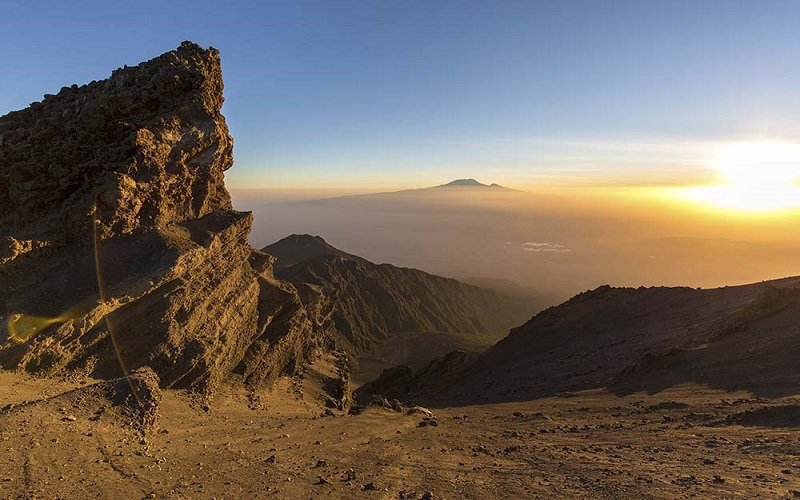
The summit of Meru is often considered a significant achievement in itself. The final push can be exposed and requires a head for heights. The views from the crater rim are spectacular, often looking across to Kilimanjaro on a clear day.
Kilimanjaro: The Main Event
After descending Meru and having a rest day or two in Arusha, you’ll begin your Kilimanjaro climb. For a Mount Meru and Kilimanjaro group joining combo climb 2026-2027, the choice of Kilimanjaro route is crucial. Generally, longer routes are recommended for better acclimatization, especially following Meru.
Recommended Kilimanjaro Routes for Combo Climbs:
- Machame Route (7 Days): Often called the ‘Whiskey Route’ due to its popularity and higher success rates. Its ‘climb high, sleep low’ profile is excellent for acclimatization. It’s a popular choice for group joining departures.
- Lemosho Route (8 Days): Similar to Machame but starts further north, offering more remote and scenic trekking, especially in the initial days. The extra day enhances acclimatization.
- Northern Circuit (9+ Days): The longest route, offering the highest success rates due to its extended duration and excellent acclimatization profile. It circles the mountain, providing diverse views.
Shorter routes like Marangu (5 or 6 days) are generally not recommended for combo climbs because they offer less optimal acclimatization, even after Meru. The Machame or Lemosho routes, typically 7 or 8 days, are the sweet spot for balancing cost, experience, and success rates when combined with Meru.
Sample Combo Itinerary Outline (Approx. 12-14 Days Total Trekking + Rest)
Sample 13-Day Combo Climb:
- Day 1: Arrive in Kilimanjaro International Airport (JRO), transfer to Arusha.
- Day 2: Arusha – Briefing, gear check, relax.
- Day 3: Transfer to Momella Gate, Mount Meru trek begins (Day 1: Momella Gate to Miriakamba Hut).
- Day 4: Mount Meru trek (Day 2: Miriakamba Hut to Saddle Hut).
- Day 5: Mount Meru summit (Rhino Point) & descent to Miriakamba Hut.
- Day 6: Mount Meru descent to Momella Gate, transfer back to Arusha. Rest day.
- Day 7: Transfer to Machame Gate, Kilimanjaro trek begins (Day 1: Machame Camp).
- Day 8: Kilimanjaro trek (Day 2: Shira Camp).
- Day 9: Kilimanjaro trek (Day 3: Barranco Camp).
- Day 10: Kilimanjaro trek (Day 4: Karanga Camp).
- Day 11: Kilimanjaro trek (Day 5: Barafu Camp).
- Day 12: Kilimanjaro Summit (Uhuru Peak) & descent to Mweka Camp.
- Day 13: Kilimanjaro trek (Day 6: Mweka Gate), transfer to Arusha.
- Day 14: Depart or extend your stay (e.g., safari, Zanzibar).
Group Joining Dates for 2026-2027
Securing your spot on a Mount Meru and Kilimanjaro group joining combo climb 2026-2027 requires looking at departure schedules. While specific dates can vary by operator, there are general seasons that are best for climbing.
Best Climbing Seasons:
- January – March: Generally dry and clear, good for climbing.
- June – October: The longest dry season, offering excellent conditions with cooler temperatures. This is peak season.
Seasons to Avoid (Generally):
- April – May: The long rainy season, making ascents difficult and potentially dangerous.
- November: The short rainy season, which can bring unpredictable weather.
When planning for 2026-2027, it’s wise to book at least 6-12 months in advance, especially for popular group joining dates during the peak seasons (June-October 2026, January-March 2027, June-October 2027). Operators typically release their group departure calendars well in advance. Checking Climb 4 Africa’s schedule for Mount Meru and Kilimanjaro group joining combo climb 2026-2027 will give you the most up-to-date availability.
What to look for in group dates:
- Flexibility: Do they offer multiple dates, or are there fixed departure windows?
- Route Choice: Are the group departures available on your preferred Kilimanjaro route (e.g., Machame 7-day)?
- Group Size: Is there a stated maximum group size? For combo climbs, smaller groups might be more manageable.
- Booking Window: How far in advance do you need to book? For 2026-2027, booking in 2025 or early 2026 is advisable.
Contacting operators like Climb 4 Africa directly is the best way to get the most current information on Mount Meru and Kilimanjaro group joining combo climb 2026-2027 departure dates. They can advise on availability and help you find a date that suits your schedule.
Cost Considerations for 2026-2027 Combo Climbs
The cost of a Mount Meru and Kilimanjaro group joining combo climb 2026-2027 is a significant factor for most trekkers. While group joining inherently reduces costs compared to private climbs, the overall price will depend on several elements.
Key Cost Components:
- Park Fees: These are fixed by the Tanzanian government and are a substantial part of the total cost. They cover entry, camping/hut fees, and rescue services for both mountains.
- Operator’s Service Level: This includes the quality of guides (ratio of guides to climbers), porters, cooks, equipment (tents, sleeping mats, cooking gear), food quality, and accommodation before/after the climb.
- Itinerary Length: Longer routes on Kilimanjaro (like 8 or 9 days) and the inclusion of Meru will naturally increase the total trip cost.
- Route Choice: Some Kilimanjaro routes are more expensive than others due to logistical requirements.
- Group Size: While group joining is cheaper than private, the operator’s cost structure per person might vary slightly based on the number of participants.
What is Typically Included:
- All park entry fees for Meru and Kilimanjaro.
- Experienced, licensed guides and support crew.
- All meals on the mountain.
- Accommodation in huts/tents on the mountain.
- Porters for carrying group gear and your duffel bag (within weight limits).
- Campsite/hut fees.
- Transfer from Arusha to the respective park gates and back.
- Basic accommodation in Arusha before and after the climb (sometimes included, confirm with operator).
- Oxygen cylinders for emergency use.
- Bottled water on the mountain (or purification system).
What is Typically Excluded:
- International flights to/from Kilimanjaro.
- Visa fees.
- Travel insurance (mandatory).
- Personal climbing gear (boots, warm clothing, sleeping bag, etc.).
- Tips for guides, porters, and cooks (a significant amount, budget accordingly).
- Lunches, dinners, and drinks in Arusha.
- Optional activities.
- Personal expenses.
For 2026-2027, expect prices for a Mount Meru and Kilimanjaro group joining combo climb to range broadly. A typical 4-day Meru climb combined with a 7-day Machame or 8-day Lemosho route on Kilimanjaro, on a group joining basis, could range from approximately $2,500 to $4,500 USD per person. This is a general estimate, and it’s essential to get a detailed quote from your chosen operator. Factors like the specific route on Kilimanjaro, the duration of the Meru climb, and the operator’s inclusions will influence the final price.
When comparing prices, look beyond the headline figure. A cheaper trip might compromise on guide-to-climber ratios, food quality, or equipment, which can impact safety and success. Always ask for a detailed breakdown of what is included and excluded.
Inquire for a Custom Quote for 2026-2027
To get the most accurate pricing for your Mount Meru and Kilimanjaro group joining combo climb 2026-2027, it is best to contact Climb 4 Africa directly. They can provide a tailored quote based on your preferred dates, Kilimanjaro route, and any specific requirements.
Contact Climb 4 Africa:
- WhatsApp: +255 747 477 898
- Email: climb4africa@gmail.com
Be sure to mention your interest in a combo climb and your desired travel window for 2026 or 2027.
Physical Preparation and Training
A Mount Meru and Kilimanjaro group joining combo climb 2026-2027 demands significant physical and mental preparation. Combining two major ascents means you’ll be on the mountain for a prolonged period, facing challenging terrain, varying weather conditions, and high altitudes. Proper training is not just about getting to the summit; it’s about enjoying the journey safely and responsibly.
Key Training Components:
- Cardiovascular Endurance: Focus on activities that build stamina, such as running, cycling, swimming, or hiking. Aim for at least 3-4 sessions per week.
- Strength Training: Strengthen your legs, core, and upper body. Squats, lunges, step-ups, and core exercises are essential.
- Hiking with a Pack: This is crucial. Simulate mountain conditions by hiking for several hours, ideally with a weighted backpack (5-10 kg / 10-20 lbs). Include hills and varied terrain.
- Altitude Acclimatization (Simulated): While difficult to replicate, training at higher altitudes if possible, or incorporating interval training that mimics altitude stress, can be beneficial.
- Mental Toughness: Long training hikes will also build the mental resilience needed for extended periods of discomfort and fatigue.
Training Timeline:
- 6-12 Months Before: Start building a solid fitness base with regular cardio and strength training.
- 3-6 Months Before: Increase the intensity and duration of your workouts. Begin incorporating long hikes with a pack.
- 1-3 Months Before: Focus on back-to-back hiking days to simulate the demands of multi-day treks. Ensure you are comfortable hiking for 6-8 hours with elevation gain.
Specific Considerations for the Combo Climb:
Given you’ll be climbing two mountains consecutively, your training should reflect this endurance requirement. You need to build reserve capacity. Pay attention to your feet; ensure you have well-fitting hiking boots and break them in thoroughly to avoid blisters, which can be debilitating on a multi-week trek.
What to discuss with your doctor:
- Your fitness level and the demands of the trek.
- Any pre-existing medical conditions.
- Recommended vaccinations or medications (e.g., Diamox for altitude sickness).
Remember, even with excellent physical preparation, acclimatization is the most critical factor for success. The combo climb structure is designed to aid this, but your body’s response to altitude is individual.
Essential Gear for Your Combo Climb
Proper gear is non-negotiable for a Mount Meru and Kilimanjaro group joining combo climb 2026-2027. The conditions on both mountains range from hot and humid at the base to freezing and windy at the summit, with snow and ice possible. Layering is key.
Key Gear Categories:
- Footwear: Broken-in, waterproof hiking boots; comfortable camp shoes/sandals.
- Clothing:
- Base Layers: Moisture-wicking thermal tops and bottoms (merino wool or synthetic).
- Mid Layers: Fleece jacket or insulated jacket for warmth.
- Outer Layers: Waterproof and windproof jacket (Gore-Tex or similar) and trousers.
- Summit/Insulation Layer: A very warm down or synthetic insulated jacket for summit night.
- Trekking Trousers: Comfortable, quick-drying trousers.
- Shorts: For lower altitudes.
- Headwear: Warm beanie/hat, sun hat with a brim, balaclava or neck gaiter.
- Gloves: Warm, waterproof gloves or mittens, and thinner liner gloves.
- Backpack:
- Duffel Bag: Waterproof, large enough for your gear (usually 80-100L), carried by porters.
- Daypack: 30-40L, waterproof, for essentials you carry daily (water, snacks, camera, layers, sunscreen).
- Sleeping Gear:
- Sleeping Bag: Rated to -15°C to -20°C (0°F to -4°F). Down is lighter and warmer but synthetic is better if it gets damp.
- Sleeping Bag Liner: Adds warmth and keeps your bag cleaner.
- Trekking Poles: Highly recommended for reducing strain on knees, especially on descents.
- Headlamp: With extra batteries (essential for summit night).
- Sunglasses: High UV protection.
- Sunscreen & Lip Balm: High SPF.
- Insect Repellent: For lower altitudes.
- Water Bottles/Hydration Reservoir: At least 3 liters capacity.
- Personal First-Aid Kit: Including blister treatment, pain relievers, any personal medications.
- Toiletries: Biodegradable soap, toothbrush, toothpaste, wet wipes.
- Camera, Power Bank, Adapters.
- Snacks: Energy bars, nuts, dried fruit.
Your tour operator, such as Climb 4 Africa, will provide a detailed packing list. They may also offer gear rental for items like sleeping bags, down jackets, and trekking poles, which can be convenient for international travelers. Confirm what is included in your package.
Health and Safety Considerations
Safety is paramount on any high-altitude trek, especially for a demanding Mount Meru and Kilimanjaro group joining combo climb 2026-2027. Understanding the risks and taking precautions is vital.
Altitude Sickness (Acute Mountain Sickness – AMS):
- Symptoms: Headache, nausea, dizziness, fatigue, loss of appetite, difficulty sleeping. Severe forms include HAPE (High Altitude Pulmonary Edema) and HACE (High Altitude Cerebral Edema).
- Prevention: The best prevention is slow ascent and proper acclimatization. Climbing Meru first significantly helps. Stay hydrated, avoid alcohol and smoking, and eat well. Consider Diamox (acetazolamide) – consult your doctor.
- Management: If symptoms appear, do not ascend further. Inform your guide immediately. Rest, hydrate, and if symptoms worsen, descend. Descent is the most effective cure.
Other Health Concerns:
- Gastrointestinal Issues: Ensure food and water are safe. Operators should provide boiled or purified water and well-prepared meals.
- Hypothermia and Frostbite: Due to extreme cold at higher altitudes. Proper layering and waterproof gear are essential.
- Sunburn: The sun is intense at altitude. Use high SPF sunscreen and lip balm, and wear protective clothing and sunglasses.
- Injuries: Sprains, strains, or falls can occur. Trekking poles help with stability.
Operator’s Safety Protocols:
- Guide Training: Ensure guides are certified in wilderness first aid and altitude medicine.
- Communication: Guides should have reliable communication methods (e.g., satellite phone, radio) for emergencies.
- Emergency Evacuation: Operators should have clear emergency evacuation plans and potentially partner with local air rescue services. Kilimanjaro Rescue Association (KMTRA) is a key service.
- Oxygen: Portable oxygen cylinders should be available for emergency use.
- Guide-to-Climber Ratio: A lower ratio (e.g., 1:6 or 1:8) generally means more personalized attention and safety monitoring.
Travel Insurance: Mandatory for all climbers. Ensure it covers high-altitude trekking up to 6,000 meters and includes emergency medical evacuation.
What to Expect on Mount Meru
Mount Meru offers a distinct experience from Kilimanjaro. It’s within Arusha National Park, meaning you’ll likely encounter wildlife, including buffalo, giraffes, zebras, and various antelope species, especially on the lower slopes. The park rangers accompany you for the first section of the trek for wildlife safety.
Terrain: Meru is known for its steep, rugged terrain, particularly the final ascent to the summit (Rhino Point). It involves scree slopes, rocky sections, and can be exposed. The trails are often less maintained than Kilimanjaro’s, adding to the adventure.
Acclimatization: As mentioned, Meru’s altitude and steepness are excellent for acclimatization. Reaching its summit (4,566m) prepares your body well for Kilimanjaro’s much higher peak.
Wildlife: The presence of wildlife adds a unique dimension. However, it also means strict rules regarding movement, especially at night, and the need for ranger escorts on certain sections.
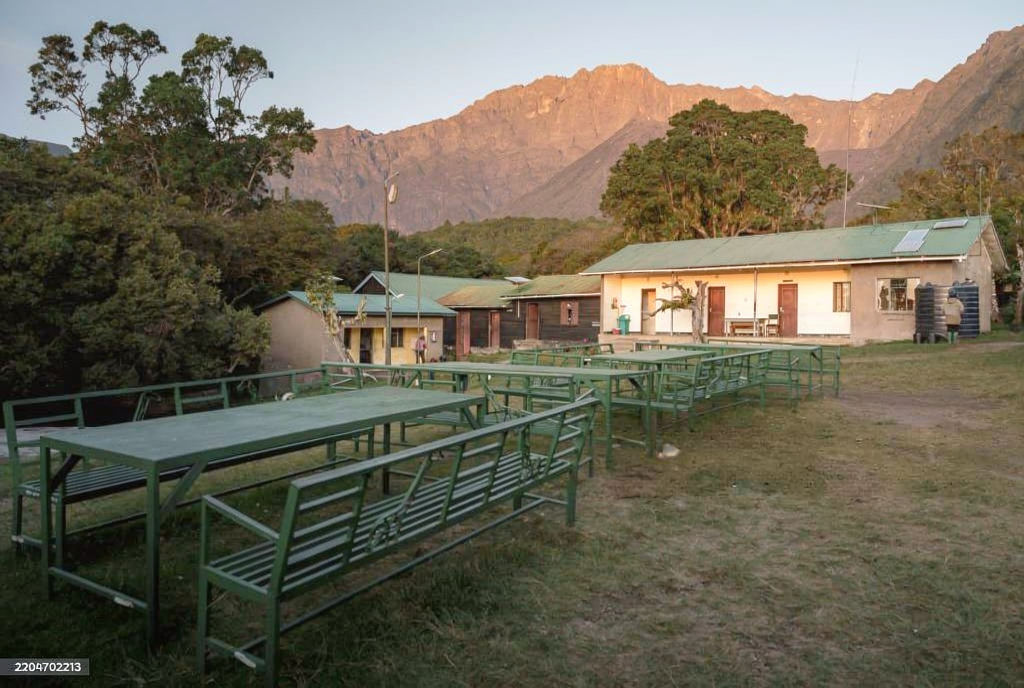
Huts: Accommodation is in basic mountain huts (Miriakamba and Saddle Hut), which are simpler than Kilimanjaro’s camping arrangements on most routes. This means less gear to carry by porters for sleeping arrangements, but still requires carrying personal items and food.
Duration: Typically 3-5 days. A 4-day trek is common for acclimatization before Kilimanjaro.
What to Expect on Kilimanjaro
Kilimanjaro is a much larger and more varied mountain. The ascent takes longer, typically 6-9 days on the recommended routes for combo climbs.
Terrain: Kilimanjaro’s routes traverse five distinct ecological zones: Cultivation, Rainforest, Heath, Alpine Desert, and Arctic. The terrain varies from gentle paths to steep, rocky, and scree-covered slopes, especially on the summit approach (e.g., the Barafu route). Summit night is particularly demanding, often involving walking on scree and snow/ice in the dark.
Acclimatization: While Meru helps, Kilimanjaro still requires careful acclimatization. Longer routes (7-9 days) are essential for maximizing success rates. The principle of ‘pole pole’ (slowly, slowly) is vital.
Camping: Most Kilimanjaro routes involve camping. This means setting up tents each night and having a mobile camp that moves with you. This requires a larger support crew (porters, cooks) compared to Meru’s hut system.
Summit Night: This is the most challenging part of the climb. Starting around midnight, you’ll ascend for 5-7 hours in the cold and dark to reach Uhuru Peak for sunrise. It tests physical and mental endurance to the limit.
Views: On clear days, the views from Kilimanjaro’s summit are legendary, offering a panorama over the African continent. The changing landscapes throughout the trek are also spectacular.
Choosing Your Operator for 2026-2027
Selecting the right operator is paramount for a successful and safe Mount Meru and Kilimanjaro group joining combo climb 2026-2027. Since you’ll be joining a group, the operator’s expertise, safety record, and ethical treatment of staff are critical.
Key factors to consider:
- Experience and Reputation: Look for operators with a long history of successful climbs and positive reviews. Check platforms like TripAdvisor, but also look for independent reviews.
- Safety Standards: Inquire about their guide training, emergency procedures, oxygen supplies, and evacuation plans. Climb 4 Africa, for instance, prioritizes safety with experienced guides and well-equipped expeditions.
- Porter Welfare: Ethical treatment of porters is a significant issue. Reputable operators pay fair wages, provide adequate food and shelter, and adhere to porter-to-climber weight limits. Look for KPAP (Kilimanjaro Porters Assistance Project) affiliation or similar commitments.
- Inclusions and Exclusions: A clear, detailed list of what is included (park fees, meals, guides, porters, transfers, accommodation) and excluded (tips, flights, insurance, personal gear) is essential for accurate budgeting.
- Group Size and Dynamics: Understand their policy on group sizes for combo climbs. Smaller groups often offer a better experience, but larger ones can be more cost-effective.
- Communication: How responsive and informative is the operator during the booking process? Can they answer your detailed questions about the Mount Meru and Kilimanjaro group joining combo climb 2026-2027?
Climb 4 Africa is a local Tanzanian company with extensive experience in guiding both Mount Meru and Kilimanjaro. Their local knowledge, commitment to safety, and focus on customer experience make them a strong choice for your combo climb. Their team is well-versed in the logistics of combining these two peaks and can guide you through the planning process for 2026-2027 departures.
Why Choose Climb 4 Africa for your 2026-2027 Combo Climb?
- Local Expertise: Deep understanding of the mountains, culture, and logistics.
- Safety First: Highly trained guides, emergency protocols, and equipment.
- Ethical Operations: Fair treatment of staff and porters.
- Comprehensive Packages: Clear inclusions and value for money.
- Personalized Support: From initial inquiry to post-climb.
Booking Your 2026-2027 Combo Climb
Booking your Mount Meru and Kilimanjaro group joining combo climb 2026-2027 is a multi-step process that requires attention to detail.
Steps to Book:
- Research Operators: Identify reputable operators like Climb 4 Africa that offer combo climbs and group joining dates.
- Check Dates and Routes: Review available departure dates for 2026-2027 and confirm the Kilimanjaro route included in the combo package (ideally 7-9 days).
- Request a Quote: Contact your chosen operator for a detailed quote. Specify your interest in the Mount Meru and Kilimanjaro group joining combo climb.
- Review the Itinerary and Inclusions: Ensure the itinerary suits your fitness and time, and that all necessary services are included.
- Understand Payment Terms: Typically, a deposit is required to secure your booking, with the balance due closer to the departure date.
- Complete Booking Forms: Fill out necessary paperwork, including health declarations and emergency contact information.
- Arrange Flights and Insurance: Book your international flights to JRO and secure comprehensive travel insurance that covers high-altitude trekking and emergency evacuation.
- Prepare for the Climb: Begin your training and gear acquisition well in advance.
Important Booking Considerations:
- Booking Window: For 2026-2027 departures, especially during peak seasons, booking 6-12 months in advance is highly recommended to secure your preferred dates and group spots.
- Deposit: Deposits are usually non-refundable. Understand the terms before paying.
- Final Payment: The deadline for the final balance payment is crucial.
- Cancellation Policy: Be aware of the operator’s policy in case you need to cancel or postpone.
To initiate your booking for a Mount Meru and Kilimanjaro group joining combo climb 2026-2027 with Climb 4 Africa, reach out through their contact channels. They are ready to assist you in planning this extraordinary adventure.
Ready to Climb in 2026-2027?
The Mount Meru and Kilimanjaro group joining combo climb is an exceptional way to experience two of Africa’s most magnificent mountains. By choosing a group departure for 2026 or 2027, you balance cost-effectiveness with the shared adventure of a lifetime. Proper preparation, a well-chosen itinerary, and a trusted operator are key to your success and enjoyment.
For detailed itineraries, available group dates for 2026-2027, and personalized quotes, contact Climb 4 Africa. They offer expert guidance and local support to make your Tanzanian mountain dreams a reality.
Contact Climb 4 Africa:
- WhatsApp: +255 747 477 898
- Email: climb4africa@gmail.com
- Website: climb-4-africa.com
Check Availability for Mount Meru And Kilimanjaro Group Joining Combo Climb 2026-2027
Ready to compare dates, prices, and the best option for your group? Send the package name and travel month so the team can reply with a clear quote, availability, and what is included.
Kilimanjaro Routes: 15 Strongest Worldwide Search Potential For Climbs
Planning a Kilimanjaro climb? This guide details the 15 routes with the highest search interest worldwide for 2026-2027, helping you choose the best path for your adventure. We cover...
View package detailsHow To Create The Perfect Travel Itinerary For Tanzania Adventures 2026-2027
Crafting the perfect travel itinerary for Tanzania involves understanding your priorities, choosing the right activities, and planning logistics effectively. This guide walks you through...
View package detailsCheap Hotels Near Me Tonight: Finding Affordable Stays In Tanzania 2026-2027
Discover how to find cheap hotels near you tonight in Tanzania, focusing on budget-friendly options for travelers planning safaris, Kilimanjaro treks, or Zanzibar holidays in 2026-2027...
View package detailsPlaces Where Your Money Goes Further: Smart Tanzania Travel For 2026-2027
Planning a trip to Tanzania in 2026 or 2027 and want to maximize your budget? This guide reveals how to make your money go further on Kilimanjaro climbs, wildlife safaris, and Zanzibar...
View package detailsDestinations Worth Visiting At Least Once Guide
Discover a curated selection of destinations that offer unparalleled experiences, from the majestic peaks of Kilimanjaro to the spice-scented shores of Zanzibar. This guide helps you...
View package detailsWildlife And Nature Titles: Your Ultimate Guide To Tanzanias Best Experiences
This comprehensive guide explores the most sought-after wildlife and nature titles in Tanzania, from iconic safari destinations and Kilimanjaro treks to the tropical allure of Zanzibar...
View package details
South Africa Safari Tours & Vacation Packages | Climb 4 2026-2027
Discover the ultimate South Africa safari experience with tailored tour and vacation packages for 2026-2027. From iconic Kruger National Park to exclusive private reserves, find detailed...
View package detailsBest Wildlife Photography Destinations For Safaris | Climb 4 Africa 2026-2027
Planning a safari for incredible wildlife photography in 2026 or 2027? Tanzania offers unparalleled opportunities. This guide details the top destinations, essential gear, timing, and how...
View package details
Kruger National Park Safari Packages: Your Ultimate Guide To Adventures
Discover tailored Kruger National Park safari packages for 2026-2027. This comprehensive guide covers everything from choosing the right lodge and activities to understanding costs and...
View package details
Tanzania Safari Tours & Packages /: Your Ultimate Wildlife Adventure 2026-2027
Discover the magic of Tanzania with expertly crafted safari tours and packages for 2026 and 2027. From the vast plains of the Serengeti to the depths of the Ngorongoro Crater, find your...
View package detailsAffordable Car Rentals Near Me: Your Tanzania Travel Guide 2026-2027
Planning a trip to Tanzania and need affordable car rentals? This comprehensive guide from Climb 4 Africa covers everything from finding the right vehicle to understanding local conditions...
View package detailsBest Gorilla And Chimpanzee Trekking Tours: Your Definitive Guide 2026-2027
Discover the ultimate guide to gorilla and chimpanzee trekking tours. Plan your 2026-2027 adventure to see these incredible primates in their natural habitats, covering key destinations...
View package detailsNo related package matches those filters. Clear one or more filters to see the other topic-matched options.



