
Beyond summiting, Mount Meru offers a rich array of activities including diverse wildlife viewing in Arusha National Park, guided nature walks and birdwatching on its lower slopes, cultural interactions with local communities, and opportunities for scenic photography, all contributing to a complete Tanzanian adventure in 2026-2027.
Mount Meru: A Prerequisite for the Summit?
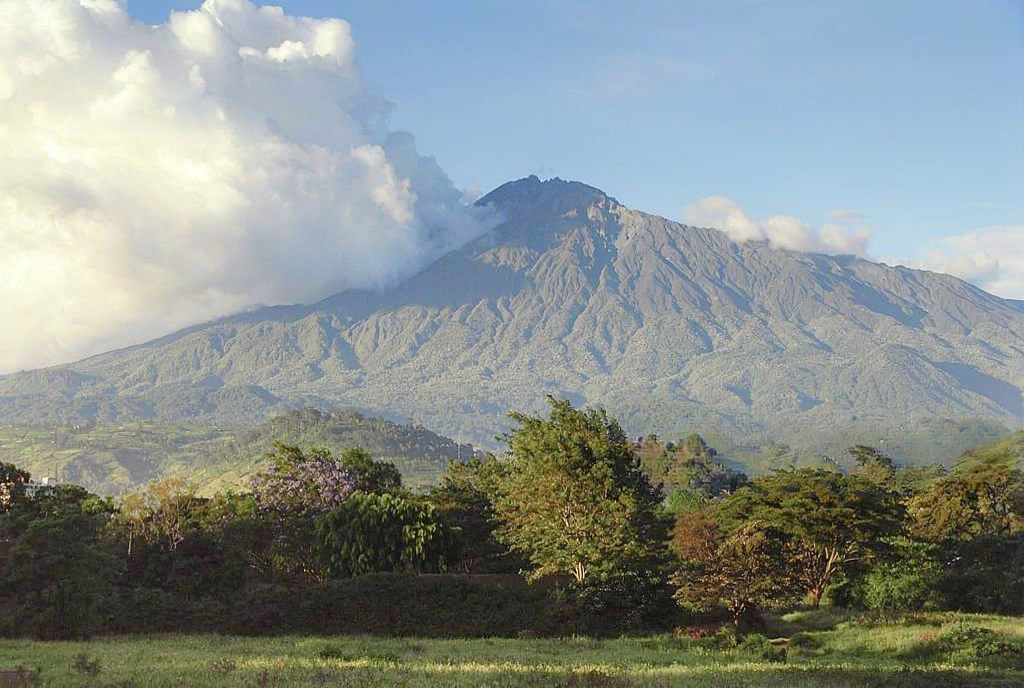
Many travelers consider Mount Meru primarily as a training ground for Kilimanjaro, and indeed, it serves this purpose exceptionally well. However, viewing Meru solely through the lens of Kili preparation overlooks its intrinsic value as a destination and a rewarding trekking experience in its own right. For those planning adventures in Tanzania for 2026 or 2027, understanding Meru’s multifaceted appeal is key to maximizing your visit. The mountain stands as the second-highest peak in Tanzania, an active stratovolcano with a dramatic caldera and a horseshoe-shaped crater rim, offering spectacular views and a unique trekking environment.
The ascent of Meru is often recommended as a crucial acclimatization hike for Kilimanjaro climbers. This isn’t just a suggestion; it’s a practical strategy rooted in physiological response to altitude. Meru’s 4,566 meters (14,980 feet) summit provides a significant altitude challenge that helps the body adapt to thinner air, reducing the risk of Acute Mountain Sickness (AMS) on the subsequent, higher climb of Kilimanjaro. The trek typically takes 3 to 5 days, a duration that allows for substantial acclimatization. This makes it an ideal preparatory step, especially for those who may not have prior high-altitude trekking experience.
However, if your primary goal is the summit, remember that Meru itself demands respect. The trek is steep and challenging, particularly the final push to the summit via the Rhino Point and Socialist Peak ridge. It requires good physical fitness and mental fortitude. For trekkers who might be considering it purely as a warm-up, it’s vital to approach it with the same seriousness and preparation as any major trek. This means proper gear, adequate physical conditioning, and a well-chosen guide service. The views from the summit, looking down into the crater and across to Kilimanjaro, are a powerful reward that stands independently of any subsequent climb.
Beyond the summit, the slopes of Mount Meru are part of Arusha National Park, a protected area teeming with wildlife. This aspect is often underestimated by those focused solely on the climb. The park offers opportunities for game drives and guided walks that can be enjoyed before, during, or after a Meru trek. The diversity of landscapes, from lush montane forests to arid heath and alpine deserts, creates varied habitats for a wide range of species. Therefore, even if you don’t aim for the summit, exploring the park and its lower slopes constitutes a significant and enjoyable set of activities.
In 2026-2027, as travel to Tanzania continues to rebound and evolve, experienced operators like Climb 4 Africa are adept at crafting itineraries that blend the challenge of the Meru climb with the broader exploration of its surroundings. This holistic approach ensures that travelers, whether they are summit-bound or simply seeking a memorable mountain experience, gain the most from their time in this spectacular region. The mountain’s accessibility from Arusha town also makes it a convenient addition to any Tanzanian itinerary, easily combined with safaris or beach holidays.
Exploring Arusha National Park Beyond the Trek
Arusha National Park, encompassing the slopes of Mount Meru, is a gem that deserves attention independent of the summit climb. Its relatively small size belies an astonishing diversity of landscapes and wildlife, making it a superb destination for a day trip or a multi-day safari experience in its own right. For travelers in 2026-2027 looking for activities beyond the Meru trek, exploring this park is a prime option.
The park is famously home to the Momella Lakes, a series of alkaline lakes with distinct colors, often attracting large flocks of flamingos and other water birds. These shallow lakes, each with its unique hue – from turquoise to emerald green – are a photographer’s delight and a fascinating ecological zone. A guided safari drive around the Momella Lakes allows for excellent birdwatching and the chance to spot buffalo, zebras, giraffes, and various antelope species grazing on the surrounding grasslands.
Another significant attraction within the park is the Ngurdoto Crater. Often referred to as ‘Little Ngorongoro,’ this 3km wide crater offers a dramatic landscape. Game drives can take you down into the crater floor, where you can observe a concentration of wildlife, including elephants, buffalo, warthogs, and various primates. The steep crater walls provide a stunning backdrop and a sense of being in a truly wild, contained ecosystem. From viewpoints overlooking the crater, you can often spot herds of animals moving across the plains below.
The park’s diverse habitats also support a rich variety of mammals. Besides the common sightings of buffalo, zebras, giraffes, and warthogs, Arusha National Park is one of the best places in Tanzania to see colobus monkeys. These striking black-and-white monkeys are often seen in the dense montane forests on the lower slopes of Mount Meru. Guided walks are particularly effective for spotting them, as they are shy and tend to inhabit the canopy. Other primates, such as blue monkeys and various species of baboons, are also common.
For those undertaking the Mount Meru climb, the park’s wildlife is a constant companion. Buffalo herds are frequently encountered on the lower trails, and elephants, though more elusive, are present. The unique vegetation, ranging from evergreen forests to savannah and moorland, supports a remarkable array of birdlife, making it a paradise for ornithologists. Species like the Hartlaub’s turaco, Narina trogon, and various sunbirds and hornbills can be spotted.
Game drives in Arusha National Park are typically conducted in open-top 4×4 vehicles, offering unobstructed views and photographic opportunities. Unlike some of the larger, more famous parks, Arusha National Park is generally less crowded, providing a more intimate wildlife viewing experience. This tranquility is a significant draw for travelers seeking a less commercialized safari.
When planning for 2026-2027, consider incorporating at least a full day for exploring Arusha National Park, either as a standalone activity or as part of your acclimatization and descent phase from Mount Meru. Climb 4 Africa can arrange tailored game drives and guided walks that focus on the park’s unique attractions, ensuring you don’t miss out on the incredible biodiversity it harbors.
Guided Nature Walks and Birdwatching on Meru Slopes
While the summit climb of Mount Meru is a serious undertaking, its lower slopes offer accessible and rewarding experiences through guided nature walks and dedicated birdwatching excursions. These activities provide a fantastic way to connect with the mountain’s environment, appreciate its biodiversity, and enjoy the stunning scenery without the extreme altitude and technical demands of the summit push. For visitors in 2026-2027, these walks are an essential part of appreciating Meru’s ecological richness.
The montane forests that cloak the lower reaches of Mount Meru are a haven for a remarkable array of flora and fauna. Guided walks here allow you to explore these vibrant ecosystems at a comfortable pace. Experienced local guides, often rangers from Arusha National Park, are invaluable. They possess deep knowledge of the local plant life, medicinal uses of various herbs, and the habits of the resident wildlife. They can point out shy creatures, identify bird calls, and explain the intricate relationships within the forest ecosystem.
Birdwatching is a particular highlight. Mount Meru is situated within a significant bird area, and its varied habitats support over 400 bird species. During guided walks, you can expect to see a dazzling variety of avian life. Keep an eye out for the striking black-and-white colobus monkeys, which are often found in the forest canopy. Other primates like blue monkeys and baboons are also common. The diverse bird species include various sunbirds, bee-eaters, turacos (like the Hartlaub’s turaco), hornbills, and raptors such as the Augur buzzard.
The trails on the lower slopes are generally well-maintained and vary in difficulty, allowing for walks ranging from a couple of hours to a full day. Routes often lead to picturesque viewpoints, waterfalls, or interesting geological features. The focus is on appreciating the natural beauty, the sounds of the forest, and the chance encounters with wildlife. These walks are also excellent for practicing hiking techniques and getting a feel for the terrain in preparation for the main summit attempt, if that is part of your plan.
A typical guided walk might start from the Momella Gate or the Arusha National Park headquarters. You’ll traverse through lush forest, where giant ferns and ancient trees create a shaded, verdant atmosphere. As you ascend, the vegetation gradually changes, offering different species to observe. Guides often carry binoculars and can help spot distant wildlife or identify specific bird species. The sounds of the forest, combined with the fresh mountain air, create a truly refreshing experience.
For birdwatching enthusiasts planning a trip in 2026-2027, dedicating specific time for these guided walks is highly recommended. It’s advisable to go early in the morning or late in the afternoon when birds are most active. Bringing a good field guide and a pair of binoculars will significantly enhance the experience. Climb 4 Africa can arrange these specialized guided walks, ensuring you have expert local guides who can maximize your chances of spotting both rare birds and other fascinating wildlife within the park’s diverse habitats.
These nature walks are not just about observing; they are about immersing yourself in the environment. They offer a slower, more intimate way to experience Mount Meru and its surroundings, providing a stark contrast to the fast-paced nature of a summit attempt. They are also ideal for photographers looking to capture the unique flora and fauna of the region.
Cultural Immersion Near Mount Meru
Tanzania’s rich cultural mix is woven through its diverse ethnic groups, and the areas surrounding Mount Meru offer genuine opportunities for cultural immersion. While the mountain itself is a natural wonder, understanding the people who live in its shadow adds a profound dimension to any visit. For travelers in 2026-2027 seeking authentic experiences, engaging with local communities provides invaluable insights.
The slopes of Mount Meru and the surrounding regions are inhabited by various communities, including the Meru people themselves, known for their agricultural practices and distinct traditions. Visiting local villages, often arranged as part of a tailored itinerary, allows travelers to witness daily life, understand traditional farming methods, and learn about local customs and social structures. These visits are typically conducted respectfully, often with the guidance of local liaisons who facilitate communication and understanding.
A common and rewarding cultural activity is visiting a traditional Meru village or a nearby Maasai boma (homestead). While Maasai culture is prominent throughout northern Tanzania, seeing how they interact with the Meru people and their environment offers a nuanced perspective. You might witness traditional dances, learn about their pastoralist lifestyle, and understand their relationship with the land and livestock. These interactions are designed to be educational and respectful, ensuring that the communities benefit from tourism.
For those interested in local crafts and produce, visiting local markets can be a vibrant experience. Markets are often bustling hubs of activity, where residents gather to buy and sell everything from fresh produce and spices to handmade crafts and clothing. It’s an excellent place to sample local snacks, observe social interactions, and perhaps purchase unique souvenirs directly from artisans. It’s important to approach market visits with an open mind and a willingness to engage, always remembering to be polite and respectful.
Educational visits to local schools or community projects can also be arranged. These experiences offer a deeper understanding of the challenges and opportunities facing rural Tanzanian communities. Seeing firsthand the impact of education and development initiatives can be a moving and eye-opening experience. Climb 4 Africa can help facilitate such visits, ensuring they are conducted ethically and with the full cooperation of the community involved.
Understanding the history and traditions of the Meru people is also enriching. They have a unique agricultural system, often involving terraced farming on the mountain’s fertile slopes. Learning about their history, their relationship with Mount Meru, and their traditional beliefs provides context for the region’s cultural landscape. This might involve conversations with elders or visits to historical sites, guided by someone knowledgeable about local heritage.
When planning your trip for 2026-2027, consider how cultural immersion can complement your trekking or safari activities. These experiences are not just tourist attractions; they are opportunities for genuine human connection and mutual learning. Climb 4 Africa prioritizes responsible tourism, ensuring that all cultural interactions are conducted in a way that respects local traditions and benefits the communities directly. If you are interested in exploring these cultural facets, communicate your interests when you inquire about your trip.
Scenic Photography and Landscape Appreciation
Mount Meru and its surrounding Arusha National Park offer an extraordinary canvas for photographers and anyone who appreciates dramatic landscapes. From the sweeping views from the summit to the intimate details of the montane forests and the vibrant hues of the Momella Lakes, the visual opportunities are abundant. For visitors in 2026-2027, capturing these moments or simply soaking in the scenery is a significant part of the experience.
The trek to the summit of Mount Meru provides a progression of impressive vistas. As you ascend through different ecological zones, the landscape continuously transforms. The lower forest slopes are characterized by dense vegetation, often shrouded in mist, creating atmospheric and moody shots. Keep an eye out for opportunities to photograph the unique flora, including giant ferns, ancient trees, and a variety of orchids. The contrast between the vibrant greens and the misty atmosphere can be striking.
Higher up, the terrain opens up, revealing vast panoramas. The final ascent along the crater rim, particularly near Rhino Point and Socialist Peak, offers some of the most dramatic scenery. On a clear day, the views stretch across the plains, often encompassing Kilimanjaro in the distance, its majestic peak providing an iconic backdrop. The sheer drop into the Meru crater is a powerful sight, and capturing the scale and depth requires attention to composition and perspective. Sunrise and sunset from these vantage points can be particularly spectacular, painting the sky with a riot of colors.
Arusha National Park itself is a treasure trove for landscape photographers. The Momella Lakes, with their differing colors and the reflections of Mount Meru in their waters, are a classic photographic subject. The surrounding grasslands, often dotted with acacia trees and herds of wildlife, offer classic East African safari scenes. The Ngurdoto Crater, viewed from above or within, presents a dramatic caldera landscape, especially photogenic during the golden hours of early morning or late afternoon when the light is soft and warm.
Wildlife photography is, of course, a major draw. The park is home to elephants, buffalo, giraffes, zebras, and a variety of antelopes. The colobus monkeys in the forest are a particular photographic challenge and reward. Capturing these animals in their natural habitat, against the backdrop of Meru’s diverse landscapes, makes for compelling images. Patience is key, as is understanding animal behavior and using appropriate camera settings for low-light forest conditions or fast-moving subjects in open plains.
For those interested in photography, consider the following for your 2026-2027 trip:
- Timing: Plan your trek or park visits to coincide with the best light – early morning and late afternoon.
- Gear: Bring a versatile lens (e.g., a 24-105mm or similar) for landscapes and general shots, and a telephoto lens (e.g., 70-300mm or longer) for wildlife. A wide-angle lens can be useful for capturing the vastness of the crater rim and landscapes.
- Protection: Ensure your gear is protected from dust and moisture, especially during the trek and on game drives. Waterproof bags and lens cloths are essential.
- Practice: If you’re not an experienced photographer, consider a brief photography workshop or guided tour that focuses on landscape and wildlife.
Even if you’re not a dedicated photographer, taking time to simply appreciate the scenery is crucial. The scale of Mount Meru, the beauty of the crater, the tranquility of the lakes, and the vibrant life within the park offer moments of profound natural beauty. For visitors in 2026-2027, these visual experiences are an integral part of the overall adventure, providing lasting memories and a deep connection to the Tanzanian wilderness.
Planning Your Mount Meru Experience for 2026-2027
Planning a trip to Mount Meru requires careful consideration, especially if you aim to combine it with other Tanzanian adventures in 2026 or 2027. The mountain’s altitude, the challenging terrain, and the logistics of operating within a national park all necessitate thorough preparation. Understanding the key planning aspects will ensure a smoother and more enjoyable experience.
Choosing the Right Time to Visit: Mount Meru can be climbed year-round, but certain seasons offer more favorable conditions. The dry seasons, typically from June to October and December to February, are generally preferred. During these months, trails are less muddy, visibility is better, and there is less rainfall, making the trekking and wildlife viewing more pleasant. The shoulder seasons can offer fewer crowds but potentially more unpredictable weather. For 2026-2027, booking well in advance for the peak dry seasons is advisable due to increasing demand.
Trek Duration and Itinerary: The standard trek to Mount Meru’s summit takes 3 to 5 days. A 4-day itinerary is common for those using it as acclimatization for Kilimanjaro, while a 5-day trek allows for a more relaxed pace and better acclimatization. Beyond the summit, consider adding days for exploring Arusha National Park, visiting local villages, or engaging in birdwatching walks. For example, a comprehensive 2026-2027 itinerary might include 2 days in Arusha National Park for game drives and walks, followed by a 4-day Meru trek.
Physical Preparation: Mount Meru is a demanding trek, and adequate physical fitness is crucial. Engage in regular cardiovascular exercise, hiking with a weighted backpack, and strength training in the months leading up to your trip. The more prepared you are, the more you will enjoy the trek and the less likely you are to suffer from altitude-related issues. Remember, Meru is not just a warm-up; it’s a significant climb.
Choosing a Tour Operator: Selecting a reputable tour operator is paramount. Look for companies with extensive experience in the region, knowledgeable guides, and a strong commitment to safety and responsible tourism. Climb 4 Africa, with its local expertise and focus on personalized service, is well-equipped to handle all aspects of your Mount Meru and Arusha National Park experience for 2026-2027. They can help tailor itineraries, arrange permits, and ensure you have the necessary support.
Essential Gear: Proper gear is non-negotiable. This includes sturdy hiking boots, warm layers (including waterproof and windproof outer shells), a good sleeping bag, trekking poles, a headlamp, and sun protection. A detailed packing list will be provided by your tour operator, but it’s wise to start gathering items well in advance. For 2026-2027, ensure your gear is in good condition.
Permits and Park Fees: All visitors to Arusha National Park and Mount Meru must pay park entrance fees and climbing permits. Reputable tour operators will include these in their package prices, but it’s essential to confirm what is covered. Understanding the cost structure for 2026-2027 is important for budgeting.
Travel Insurance: Comprehensive travel insurance that covers high-altitude trekking and medical evacuation is highly recommended. Ensure your policy is adequate for the altitudes you will reach and the activities you will undertake.
By addressing these planning points, you can set yourself up for a successful and memorable Mount Meru adventure in 2026-2027. Early booking, thorough preparation, and choosing the right partners are key to a rewarding experience.
Understanding the Climb Itself as an Activity
The ascent of Mount Meru is far more than just a means to an end; it is a distinct and challenging trekking activity that offers immense satisfaction. For many, it’s the primary reason for visiting the region, and for those considering it for 2026-2027, understanding its nature is crucial for preparation and appreciation.
Routes: The most common route for summiting Mount Meru is the Momella Route, which typically takes 3 to 5 days. This route starts from the Momella Gate on the northern side of Arusha National Park. It winds through diverse landscapes, beginning in the lush montane forest, progressing through heath and moorland, and finally reaching the alpine desert near the summit. An alternative, less common route, is the Ngurdoto Crater Route, which offers a different perspective but is often considered more challenging.
Daily Structure: A typical trekking day on Mount Meru involves an early start, usually after breakfast at the mountain hut or campsite. You’ll hike for several hours, often with breaks for snacks and lunch. The pace is deliberately slow to aid acclimatization. Guides will manage the trekking speed, ensuring everyone maintains a steady rhythm. The goal is to reach the next campsite or hut before late afternoon, allowing time to rest, hydrate, and prepare for the following day.
The Summit Push: The most demanding part of the trek is the final ascent to Socialist Peak (4,566m). This typically begins in the very early hours of the morning (around 1 am or 2 am) from the last campsite, often Barafu Camp or Summit Camp. The goal is to reach the summit by sunrise to witness the spectacular views. This section involves a steep climb, often over scree and rocky terrain, with significant altitude gain in a short period. The air is thin, and the cold can be biting. The final approach along the narrow crater rim, passing Rhino Point, is exhilarating but requires careful footing.
Acclimatization: Meru’s altitude means acclimatization is vital. The standard 3- to 5-day itineraries are designed to allow your body to gradually adjust. Symptoms of AMS can include headaches, nausea, dizziness, and fatigue. Your guides will monitor you closely and advise on managing these symptoms, which often involves slowing down, drinking plenty of water, and descending if necessary. This acclimatization process is a key benefit for those planning subsequent climbs like Kilimanjaro.
Guides and Porters: You will be accompanied by experienced guides who are knowledgeable about the mountain, safety protocols, and altitude management. Porters carry the bulk of the equipment, including tents, food, and sleeping bags, allowing you to focus on hiking with just a daypack. Their support is essential for a successful trek. For 2026-2027, ensuring your operator employs well-trained and well-equipped teams is paramount.
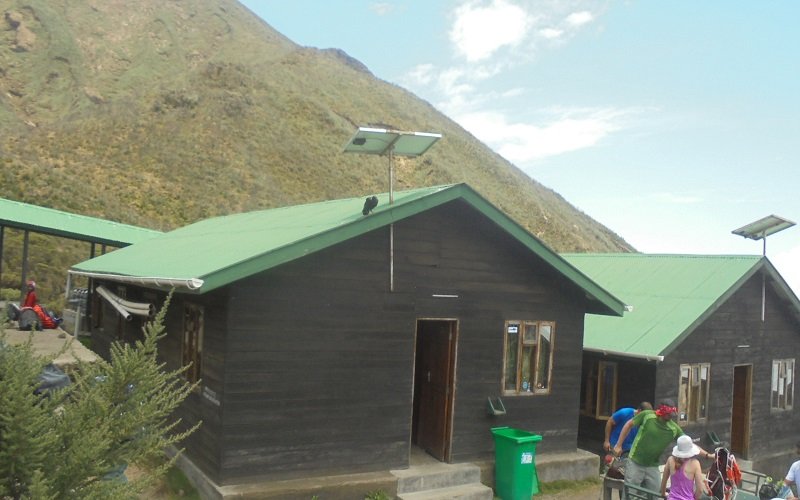
Accommodation: Accommodation on the mountain typically consists of basic mountain huts or designated campsites. Huts offer a communal sleeping area, while campsites involve setting up tents. Facilities are generally rudimentary, with shared pit latrines and no running water at higher elevations. Embrace the rustic nature of the experience; it’s part of the adventure.
The Reward: Reaching the summit of Mount Meru is a significant achievement. The panoramic views, the feeling of accomplishment, and the unique perspective of looking down into the crater and across to Kilimanjaro are profoundly rewarding. The descent offers a different perspective, allowing you to appreciate the landscapes you traversed on the way up.
For trekkers in 2026-2027, the climb of Mount Meru is a complete adventure. It tests your physical and mental limits, rewards you with incredible scenery, and provides invaluable experience for higher altitude expeditions. Approaching it with respect, proper preparation, and the right support is key to enjoying every aspect of this magnificent mountain.
Logistics and Preparation for Meru Visitors
smooth logistics are the backbone of any successful mountain expedition. For visitors planning to explore Mount Meru and its surroundings in 2026-2027, understanding the logistical requirements and necessary preparations ensures a hassle-free and enriching experience. This includes everything from transportation and accommodation to essential documentation and health considerations.
Transportation: Your journey to Mount Meru will likely begin in Arusha, the nearest major town. Arusha is accessible via Kilimanjaro International Airport (JRO). From Arusha, transport to the park gates (like Momella Gate) is typically arranged by your tour operator. This usually involves a 4×4 vehicle, which is essential for navigating the sometimes rough roads within Arusha National Park. If you are combining Meru with a safari, your operator will seamlessly transition you between locations.
Accommodation: Before and after your trek, you will likely stay in hotels or lodges in Arusha town. These range from budget-friendly guesthouses to more luxurious lodges, offering a comfortable base for preparations and relaxation. During the trek itself, accommodation is either in basic mountain huts or tents, as previously mentioned. Booking your Arusha accommodation in advance, especially for the 2026-2027 peak seasons, is recommended.
Documentation: Ensure your passport is valid for at least six months beyond your intended stay and has sufficient blank pages for entry and exit stamps. You will also need a Tanzanian visa, which can often be obtained online in advance or upon arrival at the airport. Confirm the latest visa requirements for your nationality well before your travel dates for 2026-2027. Yellow fever vaccination is often mandatory for entry into Tanzania, so check current health regulations.
Health and Vaccinations: Consult your doctor or a travel clinic at least 4-6 weeks before your trip regarding recommended vaccinations and malaria prophylaxis. In addition to yellow fever, consider vaccinations for Hepatitis A, Typhoid, and Tetanus. Pack a personal first-aid kit with essentials like pain relievers, antiseptic wipes, bandages, and any personal medications.
Money Matters: The local currency is the Tanzanian Shilling (TZS). While US Dollars are widely accepted for tourist services, it’s useful to have some Shillings for smaller purchases, tips, and local markets. ATMs are available in Arusha, but they can be unreliable, so carrying a mix of cash (USD is preferable) and credit cards is advisable. Inform your bank of your travel dates to avoid card blocks.
Communication: Mobile phone reception can be spotty on the mountain itself. However, in Arusha and at lower elevations within the park, you can usually get a signal. Purchasing a local SIM card upon arrival can be cost-effective for staying in touch. Your tour operator will also have reliable communication methods for emergencies.
Booking with Climb 4 Africa: For a smooth logistical experience in 2026-2027, partnering with an experienced operator like Climb 4 Africa is highly beneficial. They handle permits, park fees, guide and porter arrangements, transportation, and accommodation. When you contact them, be ready to discuss your desired itinerary, dates, group size, and any specific interests (e.g., birdwatching, cultural visits). This detailed information helps them craft the perfect plan for you.
Contacting Climb 4 Africa:
- WhatsApp: +255 747 477 898
- Email: climb4africa@gmail.com
By meticulously planning these logistical aspects, you can focus on the adventure itself, confident that the groundwork has been laid for a safe, enjoyable, and memorable exploration of Mount Meru and its wonders in 2026-2027.
Check Availability for Mount Meru: Things To Do Beyond The Climb In 2026-2027
Ready to compare dates, prices, and the best option for your group? Send the package name and travel month so the team can reply with a clear quote, availability, and what is included.

Kruger National Park Safari Packages: Your Ultimate Guide To Adventures
Discover tailored Kruger National Park safari packages for 2026-2027. This comprehensive guide covers everything from choosing the right lodge and activities to understanding costs and...
View package details
South Africa Safari Tours & Vacation Packages | Climb 4 2026-2027
Discover the ultimate South Africa safari experience with tailored tour and vacation packages for 2026-2027. From iconic Kruger National Park to exclusive private reserves, find detailed...
View package details
Tanzania Safari Tours & Packages /: Your Ultimate Wildlife Adventure 2026-2027
Discover the magic of Tanzania with expertly crafted safari tours and packages for 2026 and 2027. From the vast plains of the Serengeti to the depths of the Ngorongoro Crater, find your...
View package detailsHow To Create The Perfect Travel Itinerary For Tanzania Adventures 2026-2027
Crafting the perfect travel itinerary for Tanzania involves understanding your priorities, choosing the right activities, and planning logistics effectively. This guide walks you through...
View package detailsAffordable Car Rentals Near Me: Your Tanzania Travel Guide 2026-2027
Planning a trip to Tanzania and need affordable car rentals? This comprehensive guide from Climb 4 Africa covers everything from finding the right vehicle to understanding local conditions...
View package detailsCheap Hotels Near Me Tonight: Finding Affordable Stays In Tanzania 2026-2027
Discover how to find cheap hotels near you tonight in Tanzania, focusing on budget-friendly options for travelers planning safaris, Kilimanjaro treks, or Zanzibar holidays in 2026-2027...
View package detailsKilimanjaro Routes: 15 Strongest Worldwide Search Potential For Climbs
Planning a Kilimanjaro climb? This guide details the 15 routes with the highest search interest worldwide for 2026-2027, helping you choose the best path for your adventure. We cover...
View package detailsPlaces Where Your Money Goes Further: Smart Tanzania Travel For 2026-2027
Planning a trip to Tanzania in 2026 or 2027 and want to maximize your budget? This guide reveals how to make your money go further on Kilimanjaro climbs, wildlife safaris, and Zanzibar...
View package detailsDestinations Worth Visiting At Least Once Guide
Discover a curated selection of destinations that offer unparalleled experiences, from the majestic peaks of Kilimanjaro to the spice-scented shores of Zanzibar. This guide helps you...
View package detailsBest Gorilla And Chimpanzee Trekking Tours: Your Definitive Guide 2026-2027
Discover the ultimate guide to gorilla and chimpanzee trekking tours. Plan your 2026-2027 adventure to see these incredible primates in their natural habitats, covering key destinations...
View package detailsBest Wildlife Photography Destinations For Safaris | Climb 4 Africa 2026-2027
Planning a safari for incredible wildlife photography in 2026 or 2027? Tanzania offers unparalleled opportunities. This guide details the top destinations, essential gear, timing, and how...
View package detailsWildlife And Nature Titles: Your Ultimate Guide To Tanzanias Best Experiences
This comprehensive guide explores the most sought-after wildlife and nature titles in Tanzania, from iconic safari destinations and Kilimanjaro treks to the tropical allure of Zanzibar...
View package detailsNo related package matches those filters. Clear one or more filters to see the other topic-matched options.



