
Fixed departure group climbs for Mount Meru in 2026 and 2027 offer scheduled dates for trekkers looking to conquer Tanzania’s second-highest peak, typically utilizing the popular Momella or Rongai routes over 4-5 days. These pre-set itineraries are ideal for solo travelers or small groups seeking companionship and cost savings, with availability often concentrated during the dry seasons of January-February and June-October, though specific dates vary by operator. Planning involves choosing a route, understanding inclusions like park fees and guides, and preparing physically for the ascent.
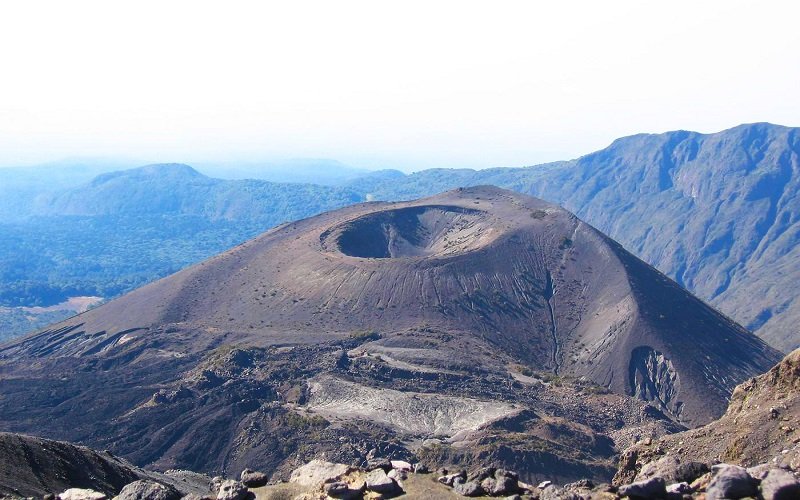
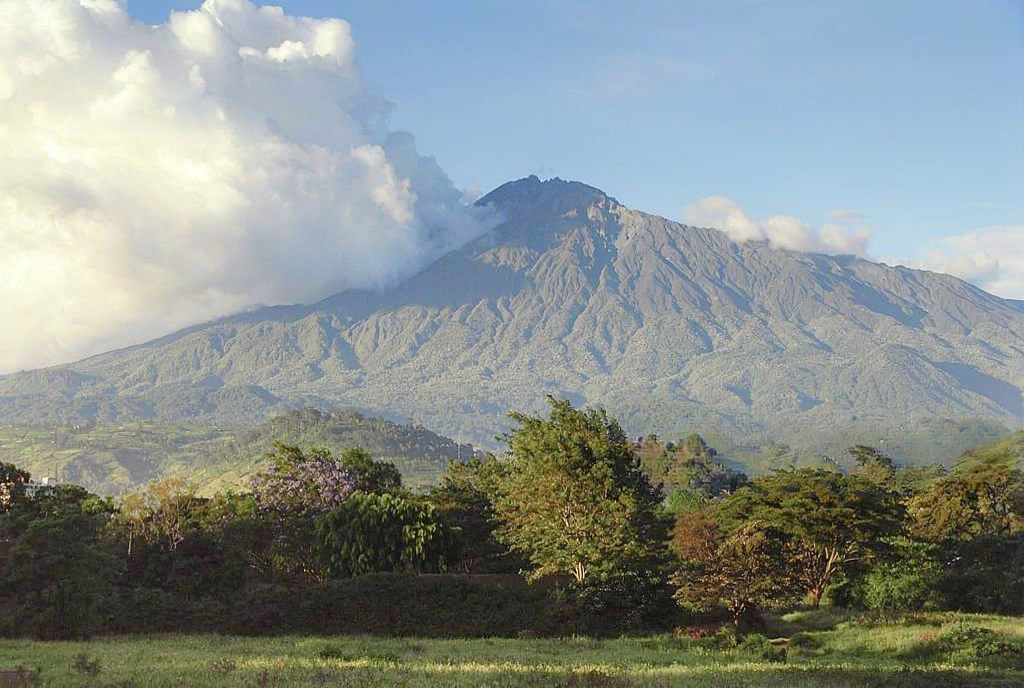
Understanding Mount Meru Fixed Departure Group Climbs
Mount Meru, often considered a warm-up for Kilimanjaro due to its similar altitude and challenging terrain, presents a fantastic trekking opportunity in its own right. For many, the appeal of a Mount Meru fixed departure group climb lies in the convenience and camaraderie it offers. These departures are pre-scheduled expeditions, meaning you join a group of like-minded trekkers rather than arranging a private climb. This structure is particularly beneficial for solo travelers looking for company, or for friends who want to share the experience without the complexity of coordinating a private trip.
The primary advantages of opting for a fixed departure are clear: predictable scheduling and often more accessible pricing. Operators set specific dates throughout the year, usually aligning with favorable trekking conditions. This allows you to plan your travel well in advance, knowing exactly when your expedition will take place. For 2026 and 2027, you’ll find these scheduled dates are designed to maximize the chances of good weather, typically falling within the drier months.
When considering a Mount Meru fixed departure group climb, it’s crucial to understand what “fixed departure” entails. It means the date is set, and the group size is usually capped to ensure a quality experience and effective guide management. This differs from a private climb, where you dictate the dates and can customize the itinerary more freely, albeit at a higher per-person cost. For those whose travel dates are flexible and who prioritize joining a group, fixed departures are an excellent choice.
Climb 4 Africa, as an experienced operator in Tanzania, offers a range of these fixed departure group climbs. Their scheduling for Mount Meru fixed departure group climbs 2026-2027 aims to provide ample opportunities for trekkers to join. The selection of dates is strategic, taking into account weather patterns, peak trekking seasons for the region, and logistical considerations for guides and support staff. This thoughtful approach ensures that when you book a spot on a Mount Meru fixed departure group climb, you’re joining a well-organized expedition.
The decision to join a group climb on Mount Meru should also consider the pace and style of the trek. Fixed departures generally follow a set itinerary, and while guides are skilled at managing group dynamics, the pace is dictated by the collective. This is different from a private climb where you might negotiate a slower pace. However, for many, the shared journey, the opportunity to meet new people, and the inherent efficiency of a group expedition make it the preferred way to experience Mount Meru.
Why Choose a Fixed Departure Group Climb for Mount Meru?
The decision to start a Mount Meru fixed departure group climb is driven by several compelling factors. For many, it’s about balancing the desire for adventure with practical considerations like budget and logistics. Let’s break down the key reasons why this option is so popular:
1. Cost-Effectiveness
One of the most significant advantages of a fixed departure group climb is the potential for cost savings. When you join a group, the expenses associated with the expedition—such as park fees, guide and porter salaries, equipment rental (if applicable), and shared logistics—are distributed among more participants. This shared cost model makes climbing Mount Meru more affordable compared to organizing a private expedition, which can be considerably more expensive, especially for individuals or very small parties. For Mount Meru fixed departure group climbs 2026-2027, this efficiency is maintained, offering good value.
2. Enhanced Social Experience
Trekking is often a more enjoyable and memorable experience when shared. A fixed departure group climb inherently brings together individuals with a common goal. This fosters a unique sense of camaraderie, mutual support, and shared accomplishment. You’ll likely meet people from different backgrounds, creating opportunities for new friendships and shared stories throughout the trek. The shared challenges and triumphs of ascending Mount Meru are amplified when experienced with a group, making the journey itself a significant part of the adventure.
3. Simplified Planning and Logistics
Opting for a fixed departure significantly simplifies the planning process. Instead of managing every detail yourself—booking guides, arranging transport, securing permits, and coordinating meals—you entrust these complexities to the tour operator. The operator handles all the essential logistics, allowing you to focus on your physical preparation and the excitement of the upcoming climb. For Mount Meru fixed departure group climbs, this means you receive a clear itinerary and a list of inclusions, making it straightforward to understand what’s covered and what you need to arrange independently.
4. Guaranteed Departure Dates
If you have specific travel windows in mind for 2026 or 2027, fixed departures offer the certainty you need. Operators schedule these departures months, sometimes years, in advance. This allows you to book flights and coordinate leave with confidence, knowing your trek is confirmed on a specific date. Unlike private climbs, which might be postponed or rescheduled due to unforeseen circumstances, fixed departures generally proceed as planned, provided the minimum group size is met (though often, operators will run them even with fewer participants).
5. Expert Guidance and Safety
Reputable tour operators specializing in Mount Meru expeditions, like Climb 4 Africa, ensure that all their fixed departure group climbs are led by experienced, licensed guides and supported by a professional crew. These teams are trained in high-altitude trekking, first aid, and emergency procedures. Safety is paramount on any mountain climb, and joining a group expedition with a well-established operator provides peace of mind, knowing you are in capable hands.
In summary, choosing a Mount Meru fixed departure group climb is a pragmatic and rewarding decision for many travelers. It blends adventure with convenience, social interaction, and safety, making the journey to Meru’s summit accessible and enjoyable. The availability of dates for Mount Meru fixed departure group climbs 2026-2027 means you can start planning your adventure today.
Mount Meru Routes: Choosing Your Path
When planning a Mount Meru fixed departure group climb, the choice of route is a critical decision that impacts the difficulty, scenery, and overall experience. Mount Meru has two primary routes used for ascents: the Momella Route and the Rongai Route. While both routes lead to the summit, they offer distinct trekking experiences.
The Momella Route (5 Days)
The Momella Route is the most popular and generally considered the easier and more scenic option for climbing Mount Meru. It is often the default route for Mount Meru fixed departure group climbs due to its accessibility and quicker ascent profile. It typically takes 5 days to complete.
- Day 1: Momella Gate to Miriakamba Hut: The trek begins at the Momella Gate (1,500m) and ascends through lush montane forest. The trail can be muddy, especially after rain, and is known for its abundant wildlife, including monkeys and various bird species. The hike takes approximately 4-6 hours to reach Miriakamba Hut (2,514m).
- Day 2: Miriakamba Hut to Saddle Hut: This day involves a steeper climb, passing through moorland and heather zones. The scenery becomes more open, offering panoramic views. The goal is Saddle Hut (3,570m), located at the ‘saddle’ between Meru’s peaks. This leg takes about 3-5 hours.
- Day 3: Saddle Hut to Meru Summit (Socialist Peak) and back to Miriakamba Hut: This is the most challenging day. The ascent to Socialist Peak (4,566m) starts very early, typically around 2 am, to reach the summit by sunrise. The path is steep and rocky, passing Rhino Point before reaching the summit. After enjoying the views, trekkers descend back to Miriakamba Hut (2,514m), which can be a long and tiring day (10-12 hours total).
- Day 4: Miriakamba Hut to Momella Gate: A relatively easy descent back to Momella Gate, taking about 3-4 hours.
Pros of the Momella Route:
- Generally shorter duration (5 days).
- More scenic with varied vegetation zones.
- Higher chance of spotting wildlife on lower slopes.
- Often preferred by operators for Mount Meru fixed departure group climbs.
Cons of the Momella Route:
- The descent from summit back to Miriakamba Hut on day 3 is very long and can be exhausting.
- Steeper ascents on certain sections.
The Rongai Route (4 or 5 Days)
The Rongai Route approaches Mount Meru from the northern side and is often considered a slightly more challenging but rewarding alternative. It is less frequently used for fixed departures compared to Momella, but some operators might offer it. It can be completed in 4 or 5 days, with the 5-day option offering a more gradual acclimatization.
- Day 1: Rongai Gate to Kikelewa Caves: Starting from Rongai Gate (1,800m), the trek ascends through forest, similar to Momella but on the opposite side. The destination is Kikelewa Caves (3,600m), a campsite offering stunning views. This takes about 5-7 hours.
- Day 2: Kikelewa Caves to Saddle Hut: A shorter but steeper climb leads to Saddle Hut (3,570m). This day is primarily about acclimatization and preparing for the summit push. It takes about 3-4 hours.
- Day 3: Saddle Hut to Meru Summit (Socialist Peak) and back to Kikelewa Caves/Miriakamba Hut: Similar to the Momella route, the summit push begins early. Trekkers ascend to Socialist Peak (4,566m) and then descend. Depending on the itinerary, you might descend directly to Miriakamba Hut or stay at Kikelewa Caves. This is another long day (9-11 hours).
- Day 4: Kikelewa Caves/Miriakamba Hut to Momella Gate: The final descent back to the gate.
Pros of the Rongai Route:
- Offers a different perspective and scenery.
- Can be slightly less crowded than Momella.
- Some trekkers find the ascent profile more manageable, especially with a 5-day option.
Cons of the Rongai Route:
- Less commonly offered on fixed departures.
- May involve longer trekking days initially.
- The descent can still be challenging.
Which Route for Your 2026-2027 Climb?
For most trekkers seeking a Mount Meru fixed departure group climb, the Momella Route is the standard and recommended choice. It’s well-established, efficient, and offers a classic Meru experience. If you are looking for a specific operator that provides the Rongai Route on a fixed departure for 2026 or 2027, it’s worth inquiring directly. However, the Momella Route is the most likely to be available on pre-scheduled group dates.
Consider your personal preferences: If you prioritize diverse scenery and wildlife viewing on the lower slopes, Momella is excellent. If you’re looking for a slightly different approach and potentially fewer people, Rongai might appeal, but check availability for fixed departures carefully. For most, the 5-day Momella route provides a balanced challenge and experience for a Mount Meru fixed departure group climb.
Available Dates for Mount Meru Fixed Departure Group Climbs 2026-2027
Securing a spot on a Mount Meru fixed departure group climb requires understanding the typical scheduling patterns and peak seasons. While specific dates are subject to individual tour operator availability, we can outline the general periods when these departures are most common for Mount Meru fixed departure group climbs 2026-2027.
Peak Trekking Seasons
Mount Meru, like Kilimanjaro, experiences distinct dry and wet seasons. The most favorable times for trekking are during the dry periods:
- January and February: These months offer clear skies, good visibility, and relatively stable weather. This is a prime season for climbing, and you’ll find numerous Mount Meru fixed departure group climbs scheduled during this time.
- June through October: This is the longest dry season, characterized by cooler temperatures and excellent trekking conditions. It’s another highly sought-after period, and operators typically have a robust schedule of fixed departures for Mount Meru fixed departure group climbs 2026-2027.
Shoulder Seasons
The shoulder seasons can also be viable, though with a higher chance of rain:
- March, April, and May: This period marks the long rainy season. While trekking is possible, trails can be muddy, visibility may be poor, and the risk of storms is higher. Fixed departures are less common during these months.
- November and December: This is the short rainy season. Rain showers are usually brief, and clear trekking days are still common. Some operators might schedule departures during these months, offering a potentially quieter experience.
Typical Fixed Departure Scheduling for 2026-2027
Based on historical patterns and operator strategies, you can expect Mount Meru fixed departure group climbs to be most prevalent during:
- Q1 2026 & 2027: January and February are very popular. Look for departures starting in early January and running through late February.
- Q3 & Q4 2026 & 2027: June, July, August, September, and October will see the majority of fixed departures. These months are ideal for avoiding rain.
How to Find Specific Dates:
The best way to find exact dates for Mount Meru fixed departure group climbs 2026-2027 is to consult the websites of reputable tour operators. Climb 4 Africa, for instance, maintains an updated calendar of their scheduled departures. When checking, pay attention to:
- The specific departure dates: Note the start date of the climb.
- The route offered: Most fixed departures will use the Momella Route.
- Group size limits: Understand how many people are expected.
- Inclusions and exclusions: What is covered in the price?
- Booking deadlines: Some operators may have recommended booking windows.
Example of how to search:
When you visit the Climb 4 Africa website or contact them directly, you would typically navigate to their ‘Tanzania Treks’ or ‘Mount Meru’ section. There, you should find a calendar or list displaying available Mount Meru fixed departure group climbs for 2026 and 2027. For example, you might see:
- January 15, 2026: 5-Day Momella Route Group Climb
- July 10, 2026: 5-Day Momella Route Group Climb
- February 5, 2027: 5-Day Momella Route Group Climb
- September 20, 2027: 5-Day Momella Route Group Climb
These are illustrative examples. Always check the operator’s official schedule for the most current information regarding Mount Meru fixed departure group climbs 2026-2027. Booking well in advance is recommended, especially for peak season dates, to secure your preferred spot.
Important Considerations for Fixed Departures
While fixed departures offer convenience, remember that you are joining a group. This means adhering to the group’s pace and schedule. If you require a highly personalized experience or have specific acclimatization needs, a private climb might be more suitable. However, for the majority seeking a well-organized, social, and cost-effective Mount Meru fixed departure group climb, these scheduled dates are ideal.
What’s Included in a Mount Meru Fixed Departure Group Climb?
Understanding the inclusions and exclusions of a Mount Meru fixed departure group climb package is vital for budgeting and preparation. While packages vary slightly between operators, reputable companies like Climb 4 Africa provide comprehensive services to ensure a safe and enjoyable trek. Here’s a breakdown of what you can typically expect to be included:
Typical Inclusions:
- Park Fees: This is a significant cost and usually includes Mount Meru National Park entry fees, camping/hut fees, rescue fees, and crater service fees. Ensure these are clearly itemized.
- Guides and Porters: Licensed, experienced guides who are trained in high-altitude trekking and first aid. For group climbs, there will be a lead guide and assistant guides depending on group size. Porters are usually included for carrying group gear and personal luggage (often with a weight limit per trekker).
- Accommodation: Nights spent in huts (Miriakamba and Saddle Hut) on the mountain. For the Mount Meru fixed departure group climbs, these are often shared rooms.
- Meals: All meals (breakfast, lunch, dinner) are provided on the mountain, prepared by a cook accompanying the group. Meals at the start and end of the trek (in Arusha) are usually not included.
- Camping Equipment: Tents (if camping is an option, though huts are standard), cooking equipment, and mess tent if applicable.
- Water: Boiled or treated drinking water provided daily on the mountain.
- Transfers: Transportation from Arusha to Momella Gate (or Rongai Gate) and back after the climb.
- Government Taxes and Levies: Often included in the package price.
What is Typically Excluded?
It’s equally important to know what is NOT covered to avoid surprises:
- Flights: International flights to Kilimanjaro International Airport (JRO) and domestic flights within Tanzania are not included.
- Visas: Tanzanian visa fees.
- Travel Insurance: Comprehensive travel and medical evacuation insurance is mandatory for all trekkers.
- Personal Equipment: Sleeping bags, trekking poles, warm clothing, waterproofs, hiking boots, and other personal gear. Some operators offer rental services for certain items.
- Tips for Guides and Porters: This is a customary practice and a significant part of the crew’s income. Operators usually provide recommended tipping guidelines.
- Personal Expenses: Drinks (other than water), snacks, souvenirs, laundry, and any items purchased at lodges or during town visits.
- Accommodation and Meals in Arusha: Nights spent in Arusha before and after the trek, along with meals, are typically not included unless specified.
- Optional Activities: Any excursions or activities not part of the standard itinerary.
Checking Inclusions for 2026-2027 Departures
When reviewing the details for Mount Meru fixed departure group climbs 2026-2027, scrutinize the ‘What’s Included’ and ‘What’s Not Included’ sections carefully. Reputable operators will be transparent about this. For instance, Climb 4 Africa typically lists:
- All park entrance fees
- Accommodation in mountain huts
- All meals on the mountain
- Professional mountain guides and assistant guides
- Porters for group equipment
- All transfers from/to Arusha
- Boiled water on the mountain
And exclusions might include:
- International flights
- Visa
- Travel insurance
- Personal climbing gear
- Tips
- Beverages (other than water) and personal expenses
- Accommodation and meals in Arusha
Always confirm the specifics with the operator before booking your Mount Meru fixed departure group climb. This ensures you have a clear understanding of all costs and requirements, allowing for better preparation and a smoother expedition.
Physical Preparation for Mount Meru
Mount Meru is a demanding trek, reaching an altitude of 4,566 meters (14,980 feet). Proper physical preparation is absolutely essential for a successful and enjoyable Mount Meru fixed departure group climb. While it may not be as long as Kilimanjaro, the steepness and altitude gain require a good level of fitness.
Cardiovascular Fitness
The cornerstone of your preparation should be building strong cardiovascular endurance. This means engaging in regular aerobic activities that elevate your heart rate. Aim for activities like:
- Hiking: This is the most relevant training. Aim for long hikes (4-6 hours) with significant elevation gain, ideally carrying a daypack similar to what you’ll use on the mountain. Practice on varied terrain if possible.
- Running/Jogging: Regular runs, 3-4 times a week, will build stamina.
- Cycling: A great low-impact option for building leg strength and cardiovascular fitness.
- Swimming: Excellent for overall fitness and can be a good cross-training option.
Your training should simulate the demands of trekking uphill for extended periods. Focus on building endurance rather than short bursts of speed.
Strength Training
While cardio is key, building leg and core strength will help you navigate steep ascents and descents more comfortably and reduce the risk of injury.
- Leg exercises: Squats, lunges, step-ups (with weight), and calf raises are beneficial.
- Core exercises: Planks, crunches, and back extensions will improve stability and endurance.
Acclimatization and Altitude
Mount Meru’s altitude is significant. While the 5-day itinerary allows for some acclimatization, being fit helps your body cope better with the altitude. There’s no substitute for being at altitude, but good physical conditioning can make a difference. Listen to your body during the climb and communicate any symptoms of altitude sickness to your guide immediately.
Training Schedule Example (for 3-6 months prior)
- Weeks 1-8: Focus on building a base level of fitness. 3-4 cardio sessions per week (30-45 mins each), plus 1 longer hike (2-3 hours) on the weekend. Introduce basic strength training 2 times a week.
- Weeks 9-20: Increase intensity and duration. Cardio sessions 4 times a week (45-60 mins). Weekend hikes should increase to 3-5 hours, incorporating more elevation. Strength training 2-3 times a week, focusing on functional movements.
- Weeks 21-24 (Peak Training): Simulate trek conditions. Aim for at least one long hike (5-7 hours) per week with significant elevation gain, ideally carrying a pack. Continue with cardio and strength training, but allow for rest days.
- Final 1-2 Weeks: Taper off training. Reduce the intensity and duration significantly to allow your body to recover and be fresh for the climb. Focus on rest, hydration, and nutrition.
What to Pack
Proper gear is crucial for comfort and safety on a Mount Meru fixed departure group climb. Key items include:
- Layered Clothing: Base layers (merino wool or synthetic), mid-layers (fleece), and an outer layer (waterproof and windproof jacket and trousers).
- Footwear: Broken-in, waterproof hiking boots with good ankle support.
- Headwear: Warm hat, sun hat, and a balaclava or buff for cold conditions.
- Gloves: Warm, waterproof gloves.
- Sleeping Bag: A 4-season sleeping bag rated for cold temperatures.
- Backpack: A comfortable daypack (25-35 liters) for essentials during the day, and a larger duffel bag (80-100 liters) for porters to carry.
- Sun Protection: High SPF sunscreen, sunglasses, lip balm.
- Hydration: Water bottles or a hydration reservoir (at least 2-3 liters capacity).
- Headlamp: With extra batteries for summit night.
- First-Aid Kit: Personal medications, blister treatment, pain relievers, etc.
Consult your tour operator for a detailed packing list specific to their Mount Meru fixed departure group climbs 2026-2027.
Pre-Climb Checklist:
- Book your climb: Confirm dates and secure your spot on a Mount Meru fixed departure group climb.
- Arrange flights: Book international flights to JRO.
- Secure visa: Obtain your Tanzanian visa if required.
- Purchase travel insurance: Ensure it covers high-altitude trekking and emergency evacuation.
- Get medical check-up: Consult your doctor regarding high-altitude travel and vaccinations.
- Start training program: Begin or intensify your physical preparation.
- Gather gear: Purchase or rent necessary equipment.
- Inform operator of dietary needs: Provide any special dietary requirements well in advance.
Preparing for the Summit Night and Descent
The summit push on Mount Meru is often the most demanding part of the entire expedition. It begins in the early hours of the morning, typically around 2 AM, and involves ascending steep, often rocky terrain in the dark, cold, and at high altitude. Proper preparation for this specific phase of your Mount Meru fixed departure group climb is crucial.
The Summit Push
Mental Preparedness: You’ll be tired, cold, and potentially struggling with altitude. Mentally preparing yourself for this challenge, focusing on one step at a time, and drawing strength from your guides and fellow climbers is key. Remember your motivation for undertaking this journey.
Physical Readiness: Ensure you’ve rested as much as possible the day before the summit attempt. Eat a good dinner and hydrate well. Your guides will wake you early, and you’ll have a light breakfast and hot drink before setting off.
Gear for Summit Night: This is where layering is critical. You’ll need your warmest clothing, including thermal base layers, a fleece mid-layer, and your insulated, waterproof outer jacket and trousers. A warm hat, gloves, and a balaclava are essential. Your headlamp must be bright with fresh batteries, as visibility is zero without it.
Pace and Acclimatization: Guides will set a slow, steady pace – “pole pole” (slowly, slowly). This is vital for acclimatization and conserving energy. Resist the urge to rush. Your guide will monitor you closely for signs of altitude sickness.
The Descent
Many trekkers underestimate the descent. After reaching the summit, you must descend all the way back down to Miriakamba Hut (or sometimes Kikelewa Caves). This is a long, steep, and often tiring journey.
Physical Toll: Your legs will be tired from the ascent, and the constant downhill can be hard on your knees and ankles. Proper hiking boots with good support are essential.
Hydration and Nutrition: Continue to drink water and eat snacks throughout the descent. Fatigue can impair judgment, so staying fueled and hydrated is important.
Focus and Safety: While the summit is the goal, the descent is where many accidents occur. Stay focused, watch your footing, and utilize your trekking poles for stability.
Post-Climb Recovery
After completing your Mount Meru fixed departure group climb, you’ll likely feel exhausted but exhilarated. Plan for adequate rest and recovery in Arusha.
- Hydration and Nutrition: Continue to drink plenty of fluids and eat nutritious meals to help your body recover.
- Rest: Allow yourself at least a day or two of rest in Arusha before embarking on further activities or travel.
- Gentle Activity: Light walking or stretching can help ease muscle soreness.
For those continuing their African adventure, perhaps with a Tanzania safari or a trip to Zanzibar, ensure you factor in sufficient recovery time. Climb 4 Africa can help coordinate these arrangements to ensure a smooth transition after your Mount Meru climb.
Booking Your Mount Meru Fixed Departure Group Climb 2026-2027
Choosing and booking your Mount Meru fixed departure group climb for 2026 or 2027 is a straightforward process when you work with an experienced operator. Here’s a guide to help you navigate the booking journey:
1. Research and Select an Operator
Look for tour companies that specialize in Tanzanian treks and have a strong reputation for safety, service, and ethical treatment of staff. Check reviews and testimonials. Companies like Climb 4 Africa have extensive experience with Mount Meru climbs and offer reliable fixed departures.
2. Review Departure Dates and Itineraries
Visit the operator’s website and find the section dedicated to Mount Meru climbs. You should see a calendar or list of Mount Meru fixed departure group climbs 2026-2027. Carefully review the dates, the route offered (usually Momella), the duration (typically 5 days), and the detailed itinerary for each day.
3. Understand Inclusions and Pricing
As detailed earlier, thoroughly check what is included in the package price and what is excluded. This will help you budget accurately for additional expenses like flights, visas, insurance, tips, and personal gear. Prices for Mount Meru fixed departure group climbs will vary based on the operator and the level of service provided.
4. Make Your Booking
Once you’ve chosen your preferred departure date and operator, the booking process typically involves:
- Contacting the Operator: You can usually book online, via email, or by phone. For Climb 4 Africa, reaching out via WhatsApp (+255 747 477 898) or email (climb4africa@gmail.com) is a direct way to inquire and start the booking process.
- Filling out a Booking Form: You’ll likely need to provide personal details, passport information, and emergency contact details.
- Paying a Deposit: A deposit is usually required to secure your spot on the chosen departure. The amount varies but is often around 20-30% of the total cost.
- Making the Final Payment: The remaining balance is typically due several weeks or months before the climb date.
5. Pre-Climb Communication
After booking, maintain communication with your operator. They will send you detailed pre-departure information, including packing lists, visa advice, and tips for preparation. Don’t hesitate to ask questions. This is also the time to inform them of any special requirements, such as dietary restrictions or medical conditions.
Why Choose Climb 4 Africa for Your 2026-2027 Climb?
Climb 4 Africa offers a blend of local expertise, commitment to safety, and personalized service. When you book a Mount Meru fixed departure group climb with them, you benefit from:
- Local Knowledge: Deep understanding of Mount Meru and Tanzanian trekking logistics.
- Experienced Guides: Professional, certified guides with extensive high-altitude experience.
- Safety Focus: Robust safety protocols and emergency procedures.
- Ethical Operations: Fair treatment and good working conditions for guides and porters.
- Customer Support: Responsive communication and assistance throughout the planning process and during your trip.
By booking your Mount Meru fixed departure group climb through Climb 4 Africa, you are choosing a partner dedicated to making your adventure successful and memorable. Contact them today to explore the available dates for 2026-2027 and take the first step towards your Mount Meru summit experience.
Ready to Book Your 2026-2027 Mount Meru Climb?
Don’t miss the opportunity to conquer Mount Meru! Explore the available Mount Meru fixed departure group climbs 2026-2027 and secure your spot. For personalized assistance, detailed itineraries, and to confirm availability, please reach out to the Climb 4 Africa team:
WhatsApp: +255 747 477 898
Email: climb4africa@gmail.com
Let Climb 4 Africa guide you on an unforgettable journey to the summit of Mount Meru!
“,
“faq_schema”: [
{
“question”: “What is the best time of year for a Mount Meru fixed departure group climb in 2026-2027?”,
“answer”: “The best times for a Mount Meru fixed departure group climb are during the dry seasons: January-February and June-October. These periods offer the clearest skies, most stable weather, and best trekking conditions. Operators typically schedule most of their fixed departures during these favorable months for 2026 and 2027.”
},
{
“question”: “How difficult is a Mount Meru fixed departure group climb?”,
“answer”: “Mount Meru is a challenging trek, primarily due to its altitude (4,566m / 14,980ft) and the steepness of the summit ascent. While shorter than Kilimanjaro, it requires good cardiovascular fitness and strength. The summit night involves a significant vertical gain in cold temperatures, often starting in the early hours. A 5-day itinerary, common for fixed departures, allows for some acclimatization, but physical preparation is crucial.”
},
{
“question”: “What is typically included in a Mount Meru fixed departure group climb package?”,
“answer”: “A standard Mount Meru fixed departure group climb package usually includes park entrance fees, accommodation in mountain huts, meals on the mountain, services of licensed guides and porters, and transfers to and from the park gate. Exclusions typically cover international flights, visa fees, travel insurance, personal gear, tips for the crew, and expenses in Arusha.”
},
{
“question”: “How far in advance should I book a Mount Meru fixed departure group climb for 2026-2027?”,
“answer”: “It is advisable to book your Mount Meru fixed departure group climb at least 3-6 months in advance, especially if you aim for peak season dates in 2026 or 2027. Popular dates can fill up quickly, and booking early ensures you secure your preferred spot and allows ample time for travel arrangements and physical preparation.”
},
{
“question”: “What is the difference between the Momella and Rongai routes for Mount Meru?”,
“answer”: “The Momella Route is the most common for fixed departures, known for its scenic beauty, wildlife viewing opportunities on lower slopes, and a 5-day itinerary. The Rongai Route approaches from the north, offering different scenery and potentially fewer trekkers, but is less frequently offered on fixed departures. Both routes converge for the summit push.”
}
]
}
“`
Check Availability for Mount Meru Fixed Departure Group Climb With Available Dates 2026-2027
Ready to compare dates, prices, and the best option for your group? Send the package name and travel month so the team can reply with a clear quote, availability, and what is included.

South Africa Safari Tours & Vacation Packages | Climb 4 2026-2027
Discover the ultimate South Africa safari experience with tailored tour and vacation packages for 2026-2027. From iconic Kruger National Park to exclusive private reserves, find detailed...
View package detailsKilimanjaro Routes: 15 Strongest Worldwide Search Potential For Climbs
Planning a Kilimanjaro climb? This guide details the 15 routes with the highest search interest worldwide for 2026-2027, helping you choose the best path for your adventure. We cover...
View package detailsBest Wildlife Photography Destinations For Safaris | Climb 4 Africa 2026-2027
Planning a safari for incredible wildlife photography in 2026 or 2027? Tanzania offers unparalleled opportunities. This guide details the top destinations, essential gear, timing, and how...
View package details
Kruger National Park Safari Packages: Your Ultimate Guide To Adventures
Discover tailored Kruger National Park safari packages for 2026-2027. This comprehensive guide covers everything from choosing the right lodge and activities to understanding costs and...
View package details
Tanzania Safari Tours & Packages /: Your Ultimate Wildlife Adventure 2026-2027
Discover the magic of Tanzania with expertly crafted safari tours and packages for 2026 and 2027. From the vast plains of the Serengeti to the depths of the Ngorongoro Crater, find your...
View package detailsAffordable Car Rentals Near Me: Your Tanzania Travel Guide 2026-2027
Planning a trip to Tanzania and need affordable car rentals? This comprehensive guide from Climb 4 Africa covers everything from finding the right vehicle to understanding local conditions...
View package detailsBest Gorilla And Chimpanzee Trekking Tours: Your Definitive Guide 2026-2027
Discover the ultimate guide to gorilla and chimpanzee trekking tours. Plan your 2026-2027 adventure to see these incredible primates in their natural habitats, covering key destinations...
View package detailsHow To Create The Perfect Travel Itinerary For Tanzania Adventures 2026-2027
Crafting the perfect travel itinerary for Tanzania involves understanding your priorities, choosing the right activities, and planning logistics effectively. This guide walks you through...
View package detailsCheap Hotels Near Me Tonight: Finding Affordable Stays In Tanzania 2026-2027
Discover how to find cheap hotels near you tonight in Tanzania, focusing on budget-friendly options for travelers planning safaris, Kilimanjaro treks, or Zanzibar holidays in 2026-2027...
View package detailsPlaces Where Your Money Goes Further: Smart Tanzania Travel For 2026-2027
Planning a trip to Tanzania in 2026 or 2027 and want to maximize your budget? This guide reveals how to make your money go further on Kilimanjaro climbs, wildlife safaris, and Zanzibar...
View package detailsDestinations Worth Visiting At Least Once Guide
Discover a curated selection of destinations that offer unparalleled experiences, from the majestic peaks of Kilimanjaro to the spice-scented shores of Zanzibar. This guide helps you...
View package detailsWildlife And Nature Titles: Your Ultimate Guide To Tanzanias Best Experiences
This comprehensive guide explores the most sought-after wildlife and nature titles in Tanzania, from iconic safari destinations and Kilimanjaro treks to the tropical allure of Zanzibar...
View package detailsNo related package matches those filters. Clear one or more filters to see the other topic-matched options.



