A 3-day private Mount Meru climb for one person in 2026-2027 is a demanding but achievable trek, typically following the direct route from Momella Gate to the summit and back, requiring a high level of fitness and acclimatization. This solo expedition focuses on efficiency, providing a personalized challenge with dedicated support, and is best suited for experienced hikers seeking a shorter, intense mountain experience near Kilimanjaro.
Understanding Your 3-Day Private Mount Meru Climb
Mount Meru, standing at 4,566 meters (14,980 feet), is often considered the “little sister” to Mount Kilimanjaro. While shorter, it presents a formidable challenge, particularly when tackled in a condensed 3-day itinerary. For a solo climber, a private 3-day Mount Meru climb booked for 2026 or 2027 offers a unique opportunity to test your endurance, enjoy relative solitude on the trails, and experience the diverse ecosystems of Tanzania’s second-highest peak. This itinerary is designed for maximum efficiency, focusing on the most direct ascent and descent, making it ideal for those with limited time but a strong desire for a significant mountain challenge. Unlike group treks, a private climb ensures your pace, your schedule, and personalized attention from your guide, which is especially valuable when you are the only client.
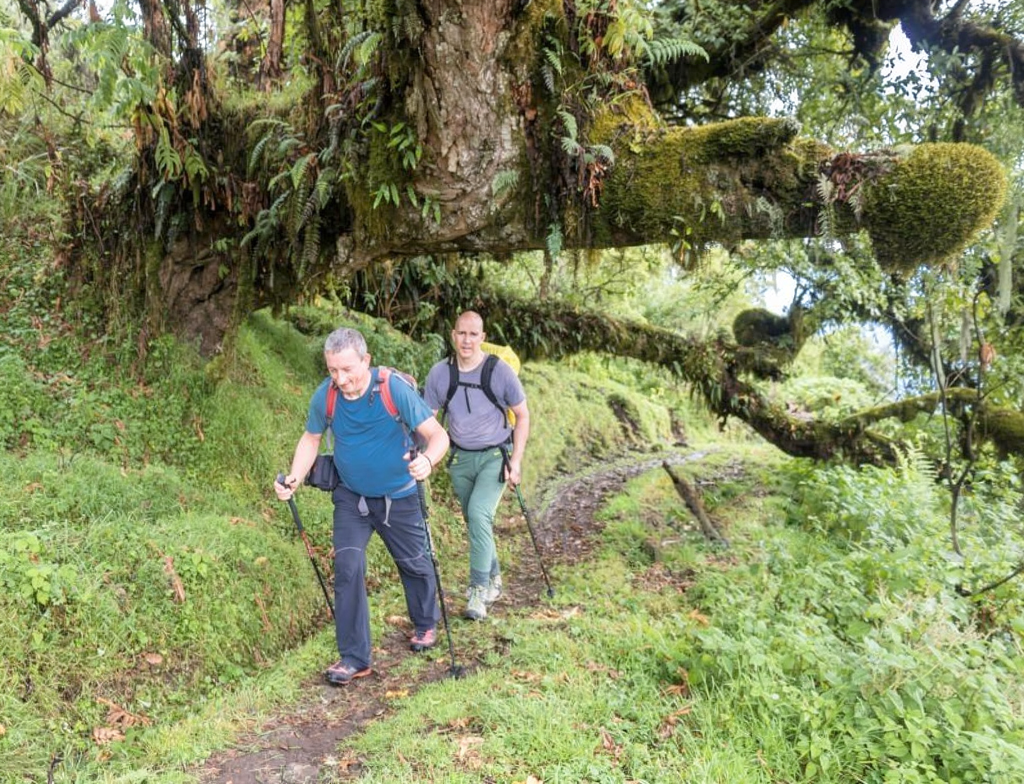
The 3-day approach is the most rapid way to summit Meru and is only recommended for individuals who are exceptionally fit, have prior high-altitude trekking experience, and are well-acclimatized before starting. The rapid ascent means less time for your body to adjust to the thinning air, increasing the risk of altitude sickness. Therefore, careful consideration of your physical condition and preparation is paramount. The beauty of this trip lies not only in the summit but also in the journey through lush rainforests, heathlands, and alpine deserts, often with sightings of buffalo, monkeys, and various bird species. For a solo trekker in 2026-2027, this offers an intimate connection with the mountain and its wildlife.
The Appeal of a Solo 3-Day Mount Meru Climb
Choosing to climb Mount Meru solo, especially on a compressed 3-day schedule for 2026 or 2027, is a decision driven by specific motivations. It’s not for everyone, but for the right individual, it offers unparalleled rewards. The primary draw is the intense personal challenge. You are solely responsible for your progress, your mental fortitude, and your physical output. This self-reliance fosters a profound sense of accomplishment upon reaching the summit.
Fitness and Experience Requirements
The 3-day Mount Meru climb is undeniably strenuous. It involves significant elevation gain over consecutive days with minimal acclimatization time. This itinerary is not suitable for beginners. Ideally, you should have experience with multi-day treks at moderate altitudes and possess a high level of cardiovascular fitness. Regular training involving hiking with a weighted pack, stair climbing, and endurance activities is essential. Your body needs to be prepared for steep ascents and descents on rocky, uneven terrain. For a solo trekker in 2026-2027, understanding your own physical limits and being honest about your capabilities is the first step to a successful climb. If you’re unsure, a longer Meru route or a less aggressive itinerary is a safer bet.
What ‘Private’ Means for a Solo Climber
When you book a “private” 3-day Mount Meru climb for one person, it means you have a dedicated team – a lead guide, a cook, and porters (if needed for gear) – solely for your expedition. This contrasts with joining a group, where you share the team and their services. For a solo trekker, this translates to:
- Pacing: You set the pace. Your guide will not rush you and will adjust to your walking speed and rest needs.
- Flexibility: While the 3-day itinerary is fixed, minor adjustments to meal times or rest stops can be made to suit you.
- Personalized Attention: Your guide can focus entirely on your well-being, monitoring your health for altitude sickness, providing tailored advice, and ensuring your safety.
- Support: You have a full support crew dedicated to your comfort and success, from setting up your tent to preparing your meals.
- Solitude: While you have a team, the trails themselves will feel more solitary, allowing for a more introspective experience.
This personalized service is a significant advantage for a solo climber, offering peace of mind and a tailored trekking experience for your 2026-2027 adventure.
Detailed 3-Day Mount Meru Itinerary for One Person
The 3-day itinerary for Mount Meru is the most direct and demanding route, designed for rapid ascent and descent. It requires significant daily effort and minimal acclimatization time. For a solo climber in 2026-2027, this means a focused and intense mountain experience.
Day 1: Momella Gate (1,500m/4,921ft) to Miriakamba Hut (2,514m/8,248ft)
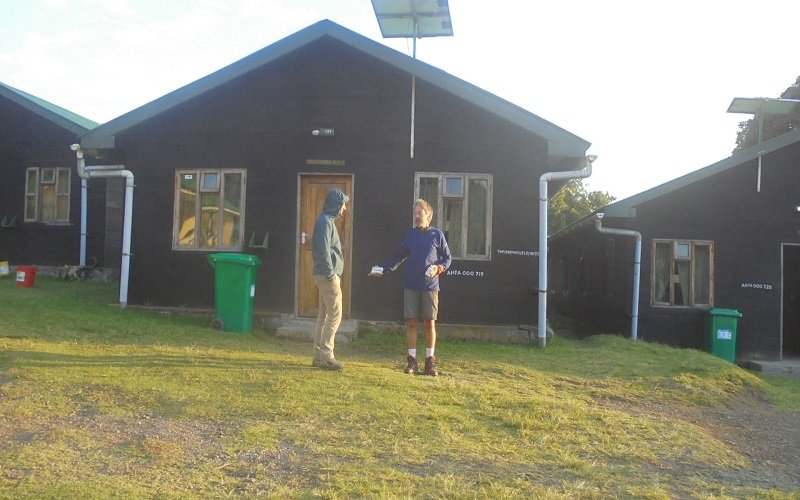
Your journey begins at the Arusha National Park gate, Momella Gate. After completing park formalities and meeting your guide, you’ll start your trek through the lush rainforest. The initial part of the trail is relatively gentle, winding through dense vegetation. You’ll likely encounter diverse wildlife, including colobus monkeys, blue monkeys, and various bird species. As you gain altitude, the forest gradually gives way to heath and moorland. The trek to Miriakamba Hut is approximately 8-10 kilometers and takes about 4-6 hours. The ascent is around 1,000 meters. Upon arrival, you’ll settle into your hut, have dinner, and rest, preparing for the next day’s significant climb. Your guide will brief you on the day’s progress and the plan for Day 2.
Day 2: Miriakamba Hut (2,514m/8,248ft) to Saddle Hut (3,570m/11,712ft)
This is a challenging day, involving a steep ascent through moorland and alpine desert. The trail becomes significantly more demanding, with rocky sections and a noticeable increase in altitude. You’ll cover about 6-8 kilometers, which can take 3-5 hours, gaining approximately 1,056 meters. The goal is to reach Saddle Hut, located at a strategic point between the two peaks of Meru. After arriving and having lunch, you’ll have some time to rest. In the afternoon, many climbers opt for a short acclimatization hike towards Little Meru (3,801m/12,470ft) for even better acclimatization and stunning views. This optional hike adds about 1-2 hours to your day. Returning to Saddle Hut, you’ll have an early dinner and an even earlier bedtime, as the summit push begins in the very early hours of the following morning. Hydration and proper rest are critical today.
Day 3: Saddle Hut (3,570m/11,712ft) to Summit (Rhino Point/Socialist Peak 4,566m/14,980ft) and Descent to Momella Gate (1,500m/4,921ft)
This is the most demanding day, often referred to as “summit day,” though it also involves a full descent. You’ll wake up around 1:00 AM or 2:00 AM. After a quick breakfast, you’ll begin your ascent towards Rhino Point and then continue to Socialist Peak, the true summit. The climb is steep, often on loose scree and rocky paths, and takes place in the dark with headlamps. The altitude gain is about 1,000 meters, and this section can take 4-6 hours. The goal is to reach the summit by sunrise to witness impressive panoramic views, which often include Kilimanjaro on a clear day. After celebrating your achievement, you begin the long descent back to Saddle Hut for a short rest and lunch. The descent continues all the way back to Momella Gate. This is a very long day, covering a significant distance and elevation loss (over 3,000 meters descent). You’ll typically arrive back at Momella Gate in the late afternoon or early evening, where your transport will be waiting to take you back to your accommodation in Arusha or Moshi. This entire day can take 10-14 hours or more, making it the ultimate test of endurance for your 3-day private Mount Meru climb in 2026-2027.
The Direct Route vs. Other Options for a 3-Day Climb
The 3-day itinerary exclusively uses the most direct route from Momella Gate. This route is characterized by its rapid ascent and descent, prioritizing speed over acclimatization. It’s important to understand that this is the only practical route for a 3-day climb. Longer routes like the circuit route (which takes 5-7 days) are designed for better acclimatization and offer a more in-depth experience of the mountain’s diverse landscapes, including crater exploration. However, these longer routes are impossible to complete within a 3-day timeframe.
For a solo climber in 2026-2027, the choice of a 3-day itinerary inherently means accepting the risks associated with rapid ascent. If your primary goal is to summit Meru quickly and you are confident in your physical condition and acclimatization capacity (perhaps having recently climbed Kilimanjaro or being already well-acclimatized), then this direct route is your only option. If, however, you have slightly more time or are concerned about altitude, a 4 or 5-day trek on Meru would be significantly more advisable, offering a more comfortable and safer ascent profile.
Realistic Expectations for Your Meru Climb
Climbing Mount Meru, especially on a fast 3-day schedule for a solo trekker in 2026-2027, comes with specific challenges and rewards that require realistic expectations.
Terrain and Ascent Profile
The terrain on Mount Meru is varied and demanding. You’ll start in a dense, muddy rainforest, which can be slippery, especially during the wet seasons. As you ascend, the landscape changes to open moorland with tussock grasses and heather, followed by rocky, barren alpine desert. The final ascent to the summit is particularly challenging, involving steep scree slopes and rocky scrambles in potentially icy conditions, often in the dark. The 3-day itinerary means significant daily elevation gain, with Day 2 and Day 3 being particularly strenuous. Expect long hours of trekking, steep gradients, and rough surfaces. The descent is equally tough on the knees and muscles.
Weather and Conditions
Meru’s weather is unpredictable and can change rapidly. Temperatures can range from warm and humid in the rainforest to freezing at the summit, especially during the night. Expect strong winds, especially near the summit. The dry seasons (June-October and December-February) generally offer clearer skies and more stable weather, making them ideal for a 2026-2027 climb. However, even in the dry season, rain showers are possible. The wet seasons (March-May and November) bring heavier rainfall, which can make trails muddy and slippery, increase the risk of fog, and reduce visibility. The summit itself can be covered in snow or ice, particularly after recent precipitation.
Wildlife Encounters
Mount Meru is part of Arusha National Park, a protected area teeming with wildlife. On your ascent through the rainforest on Day 1, you have a high chance of seeing various primates, including black and white colobus monkeys and blue monkeys, as well as buffalo, antelopes, and an incredible array of birdlife. Your guide will be trained to spot and identify these animals. However, it’s crucial to maintain a safe distance, especially from buffalo, which can be dangerous. The higher you climb, the less wildlife you’ll encounter, with the upper slopes being largely barren.
Acclimatization Considerations for a Solo Climber
This is perhaps the most critical factor for a 3-day Mount Meru climb. The rapid ascent means your body has very little time to adjust to the decreasing oxygen levels. The risk of altitude sickness (AMS) is significantly higher on this itinerary compared to longer routes. As a solo climber, you must be hyper-vigilant about your own symptoms. These can include headaches, nausea, dizziness, fatigue, and loss of appetite. Your guide will monitor you closely, but your own awareness is paramount. If symptoms worsen, descent is the only effective treatment. For a 2026-2027 trip, consider spending a day or two at a higher altitude in Arusha or Moshi before starting the climb, or even undertaking a shorter, less strenuous trek nearby to aid acclimatization. If you have a history of altitude sickness, the 3-day itinerary might be too risky.
Essential Preparation for Your 2026-2027 Mount Meru Expedition
Successfully completing a 3-day private Mount Meru climb as a solo trekker requires meticulous preparation. This includes physical conditioning, proper gear, and logistical planning.
Physical Training Regimen
Your training should focus on building endurance and leg strength. Aim to:
- Cardiovascular Fitness: Engage in regular aerobic activities like running, cycling, swimming, or brisk walking for at least 3-4 times a week. Increase duration and intensity gradually.
- Hiking with Weight: Most importantly, hike regularly on varied terrain (hills, stairs) with a backpack weighing 10-15 kg (22-33 lbs). This simulates carrying your essentials on the mountain.
- Strength Training: Focus on leg exercises such as squats, lunges, and calf raises, as well as core strengthening.
- Duration: Start your training at least 2-3 months before your planned 2026-2027 climb.
The goal is to make the sustained effort of trekking for 6-10 hours a day, with significant ascents, feel manageable rather than overwhelming. Given the tight schedule, you won’t have much opportunity to “catch up” on fitness on the mountain itself.
Gear and Equipment Checklist
For a solo trekker, ensuring you have the right gear is crucial for comfort, safety, and performance. While your operator will provide tents, cooking equipment, and food, you are responsible for personal clothing and equipment. Here’s a condensed list:
- Layering System: Base layers (thermals), mid-layers (fleece), and outer layers (waterproof/windproof jacket and trousers).
- Insulated Jacket: A warm down or synthetic jacket for cold evenings and summit night.
- Footwear: Broken-in, waterproof hiking boots. Several pairs of good quality hiking socks (wool or synthetic).
- Headwear: Warm hat (beanie), sun hat, and a balaclava or neck gaiter for the summit.
- Gloves: Warm, waterproof gloves and liner gloves.
- Headlamp: With extra batteries (essential for summit night).
- Trekking Poles: Highly recommended for stability and reducing strain on knees, especially on descents.
- Backpack: A comfortable daypack (20-30 liters) for essentials (water, snacks, layers, camera). Porters can carry your main duffel bag.
- Sleeping Bag: A 4-season sleeping bag rated for temperatures down to -15°C (5°F).
- Other: Sunglasses, sunscreen, lip balm, water bottles/hydration reservoir, personal toiletries, basic first-aid kit, hand sanitizer, camera, power bank.
Important: Ensure your gear is tested and comfortable before your 2026-2027 climb. Check with Climb 4 Africa for specific recommendations.
Health and Medical Preparations
Consult your doctor or a travel clinic well in advance of your trip. Discuss the altitude and the rapid ascent of the 3-day Mount Meru climb. They may recommend:
- Vaccinations: Ensure routine vaccinations are up-to-date. Yellow fever vaccination is often required for entry into Tanzania.
- Malaria Prevention: Discuss malaria prophylaxis with your doctor.
- Altitude Sickness Medication: Diamox (acetazolamide) is commonly prescribed for altitude sickness. Learn how to take it and its potential side effects.
- Personal First-Aid Kit: Include pain relievers, blister treatment, antiseptic wipes, bandages, and any personal medications.
Crucially, be honest with your guide about any health concerns or symptoms of altitude sickness. Your safety is the top priority.
Visa and Logistics
Visa: Most nationalities require a visa for Tanzania. You can usually obtain this online in advance or upon arrival at Kilimanjaro International Airport (JRO). Check the latest requirements for your nationality.
Travel Insurance: Comprehensive travel insurance is mandatory. It must cover high-altitude trekking up to 4,566 meters and emergency medical evacuation. Ensure it’s valid for your 2026-2027 travel dates.
Flights: Book your flights to Kilimanjaro International Airport (JRO). Arrange airport transfers with your tour operator.
Park Fees: All park entry and camping fees are typically included in your tour package. Confirm this with your operator.
Understanding the Costs and Inclusions for a 3-Day Private Climb
Pricing for a private 3-day Mount Meru climb for one person in 2026-2027 can vary significantly based on the operator’s reputation, the level of service provided, and the specific inclusions. As a solo trekker, the cost per person will generally be higher than for a group climb, as you are not sharing the operational costs of the support team (guide, cook, porters).
Key Cost Factors for Solo Trekkers
- Private Team: The entire guide and support crew is dedicated solely to you.
- Park Fees: These are fixed per person per day and contribute significantly to the overall cost.
- Accommodation: Hut fees at Miriakamba and Saddle Huts.
- Logistics: Transport to and from the mountain, food preparation, rescue fees.
- Operator’s Margin: This covers their operational costs, staff salaries, equipment maintenance, and profit.
Expect the price for a 3-day private climb to be higher than for a shared group trek. However, the personalized service and flexibility are substantial benefits for a solo adventurer.
What is Typically Included
Reputable operators like Climb 4 Africa will usually include:
- Park entry fees and conservation fees for Arusha National Park.
- Accommodation in huts (Miriakamba and Saddle Hut).
- All meals on the mountain (breakfast, lunch, dinner).
- A professional, licensed climbing guide.
- A cook and porters to carry all group gear (tents, food, cooking equipment).
- Emergency rescue fees.
- Ground transportation from Arusha/Moshi to Momella Gate and back.
- Boiled water for drinking.
What is Typically Excluded
Common exclusions often include:
- International flights.
- Visa fees.
- Travel and medical insurance (mandatory).
- Tips for guides, cook, and porters (a significant portion of the budget).
- Personal gear and clothing (sleeping bag, hiking boots, etc.).
- Meals and drinks in Arusha/Moshi before and after the climb.
- Personal expenses (e.g., souvenirs, additional snacks).
- Duffel bag for porters to carry (often available for rent).
Budgeting for 2026-2027
When budgeting for your 2026-2027 3-day private Mount Meru climb, factor in the base cost from your operator, plus a realistic amount for tips. Tipping is customary and expected in Tanzania for mountain crews. A typical guideline is around $20-30 per day for the guide, and $15-20 per day for the cook and each porter, split among them. For a solo trekker, this can add up. Also, budget for pre- and post-climb accommodation, meals, and any gear you might need to purchase or rent.
To get a precise quote tailored to your solo 2026-2027 expedition, it’s best to contact Climb 4 Africa directly.
Booking Your Solo 3-Day Mount Meru Climb for 2026-2027
Securing your 3-day private Mount Meru climb for one person requires careful planning and choosing a reliable tour operator. The booking window for 2026-2027 trips is open, and early booking is advisable, especially for private expeditions.
Choosing the Right Operator
For a private solo trek, the quality of your operator is paramount. Look for companies with:
- Experience: Proven track record of successful Mount Meru climbs, especially for solo travelers.
- Safety Standards: Clear safety protocols, emergency procedures, and well-trained guides.
- Ethical Practices: Fair treatment and payment of porters and guides.
- Reputation: Positive reviews and testimonials from previous clients.
- Clear Communication: Responsiveness to inquiries and transparency about inclusions/exclusions.
Climb 4 Africa is a reputable Kilimanjaro expert and Tanzania travel company known for its commitment to client safety, ethical operations, and personalized service, making them an excellent choice for your private solo Mount Meru climb in 2026-2027.
The Booking Process with Climb 4 Africa
To book your 3-day private Mount Meru climb for 2026 or 2027 with Climb 4 Africa, follow these steps:
- Initial Inquiry: Contact Climb 4 Africa via email at climb4africa@gmail.com or WhatsApp at +255 747 477 898. Clearly state your interest in a “3-day private Mount Meru climb for 1 person” and your preferred travel dates in 2026 or 2027.
- Quotation: They will provide a detailed quotation based on your request, outlining inclusions, exclusions, and costs.
- Confirmation: Once you accept the quote, they will send you a booking form and payment details.
- Deposit: A deposit is typically required to confirm your booking (e.g., 20-30% of the total cost).
- Final Payment: The remaining balance is usually due 30-60 days before your trek begins.
- Pre-Trek Briefing: Closer to your departure date, you’ll receive detailed information and a pre-climb briefing (often conducted in Arusha/Moshi).
It’s essential to have your travel dates and any specific requirements ready when you make your initial inquiry to expedite the process.
Peak Seasons and Availability
While Mount Meru can be climbed year-round, the dry seasons are generally preferred: June to October and December to February. These periods offer the best weather conditions for trekking and summiting. Even during these peak times, a private 3-day climb for one person can be arranged with sufficient notice. Booking well in advance for 2026-2027 is recommended, especially if you have specific dates in mind, to ensure the availability of guides and logistics.
Alternatives and Extensions
While the 3-day private Mount Meru climb offers a unique, intense challenge, consider these alternatives and extensions if your plans allow.
Longer Mount Meru Routes
For a more comfortable and safer acclimatization profile, consider the 4 or 5-day routes on Mount Meru. These itineraries include an extra day at Miriakamba Hut or Saddle Hut, allowing your body more time to adjust to the altitude. The 5-day route, in particular, often includes a more thorough exploration of the crater rim and a more leisurely pace, significantly reducing the risk of altitude sickness. These longer options are generally more enjoyable for those who aren’t solely focused on speed.
Combining with Kilimanjaro or Safari
Mount Meru is an excellent acclimatization trek before attempting Mount Kilimanjaro. Many climbers choose to do a 3-day or 4-day Meru climb a week or two before their Kilimanjaro expedition. This not only helps with altitude adjustment but also provides valuable experience on a mountain trek. Furthermore, Meru is located within Arusha National Park, making it a perfect addition to a Tanzanian safari. You could combine your climb with a safari in nearby parks like Tarangire, Lake Manyara, or the Serengeti for a comprehensive East African adventure.
Climb 4 Africa specializes in crafting these combined itineraries. You could, for example, arrange a Machame Route Kilimanjaro climb followed by a safari, or vice versa, with a Mount Meru trek strategically placed in between. Explore their Tanzania safari tours for inspiration.
Final Considerations for the Solo Adventurer
A 3-day private Mount Meru climb for one person in 2026-2027 is an ambitious undertaking. It demands peak physical condition, mental resilience, and a clear understanding of the risks, particularly concerning altitude sickness. The efficiency of the 3-day itinerary means less time for acclimatization, making it a choice for the experienced and well-prepared trekker. However, the rewards – the unparalleled sense of personal achievement, the intimate connection with the mountain, and the stunning vistas – are immense.
When planning this solo expedition, partnering with a reputable operator like Climb 4 Africa is crucial. Their expertise in mountain logistics, guide training, and client safety will ensure your adventure is as secure and enjoyable as possible. They can help tailor the experience to your needs, providing the dedicated support necessary for a solo trekker to succeed. Don’t hesitate to reach out to them with your specific questions for your 2026-2027 adventure.
“,
“faq_schema”: [
{
“question”: “Is a 3-day Mount Meru climb suitable for a solo trekker?”,
“answer”: “A 3-day Mount Meru climb is a very demanding trek and is only suitable for solo trekkers who are exceptionally fit, have prior high-altitude trekking experience, and are well-acclimatized. The rapid ascent increases the risk of altitude sickness, so it’s not recommended for beginners or those with a history of altitude issues. A private climb ensures dedicated support, which is beneficial for solo travelers.”
},
{
“question”: “What are the main risks of a 3-day Mount Meru climb?”,
“answer”: “The primary risk is acute mountain sickness (AMS) due to the rapid ascent and minimal acclimatization time. Other risks include unpredictable weather conditions (cold, wind, rain, snow), challenging terrain (slippery trails, scree), and potential wildlife encounters. Proper preparation and constant monitoring of your health by yourself and your guide are essential.”
},
{
“question”: “What is included in a private 3-day Mount Meru climb for one person?”,
“answer”: “Typically, a private 3-day climb includes park fees, hut accommodation, all meals on the mountain, a dedicated guide, cook, and porters for group gear, emergency rescue fees, and ground transportation. Exclusions usually involve international flights, visa fees, travel insurance, tips for the crew, and personal gear.”
},
{
“question”: “When is the best time to climb Mount Meru in 2026-2027?”,
“answer”: “The best times to climb Mount Meru are during the dry seasons: June to October and December to February. These periods offer more stable weather, clearer skies, and less rainfall, making the trek more enjoyable and safer. However, it’s possible to climb year-round, with the wet seasons bringing challenges like muddy trails and reduced visibility.”
},
{
“question”: “How much should I budget for tips on a 3-day solo Mount Meru climb?”,
“answer”: “Tipping is a significant part of the cost for mountain crews in Tanzania. For a 3-day solo climb, budget approximately $20-30 per day for your guide, and $15-20 per day for the cook and each porter. This is a guideline, and the total will depend on the size of your support team and your satisfaction with their service.”
},
{
“question”: “Can I combine a Mount Meru climb with Kilimanjaro or a safari?”,
“answer”: “Yes, Mount Meru is an excellent acclimatization trek before climbing Mount Kilimanjaro. It’s also perfectly situated within Arusha National Park, making it an ideal addition to a Tanzanian safari. Climb 4 Africa can help you arrange these combined itineraries for 2026-2027.”
}
]
}
“`
Check Availability for 3 Days Private Mount Meru Climb For 1 Person 2026-2027
Ready to compare dates, prices, and the best option for your group? Send the package name and travel month so the team can reply with a clear quote, availability, and what is included.


Kilimanjaroo Climb After AFCON 2027
Mwongozo wa kina wa kupanda Kilimanjaro baada ya AFCON 2027: njia zinazofaa, ratiba inayoakisi acclimatization, na vidokezo vya kupanga pamoja na namna ya kuwasiliana na Climb 4 Africa kwa...
View package details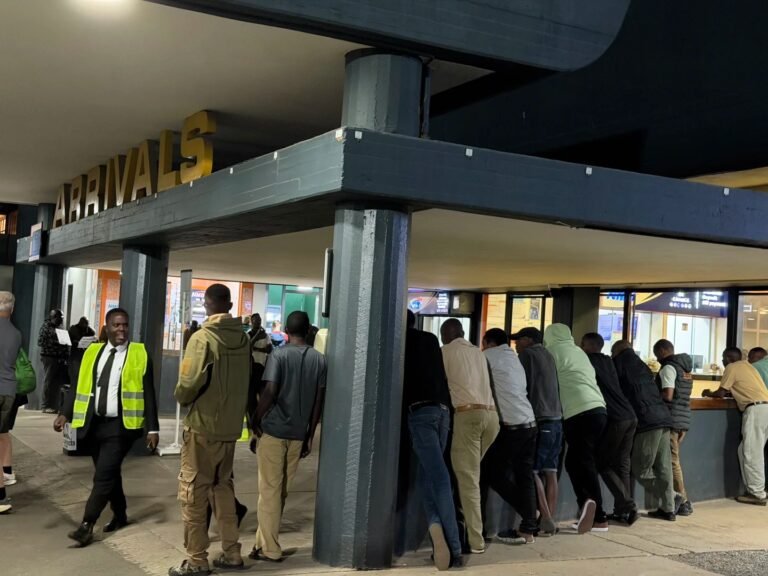
Afcon Kilimanjaro Safari And Zanzibar Package: Expert Planning Guide
A comprehensive guide to coordinating your AFCON 2027 travel, including Kilimanjaro trekking, Northern Circuit safaris, and Zanzibar relaxation, with expert logistical advice.
View package details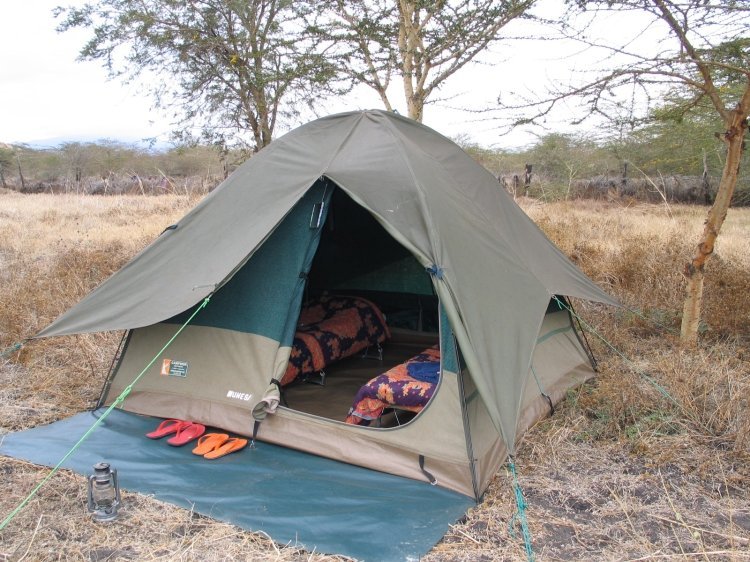
AFCON 2027 Safari Packages from Tanzania
Hitaji la safari ya kundoka ili kufurahia AFCON 2027? Chagua kutoka kwa mikakati ya safari nchini Tanzania inayoambatana na wildlife, mbuga maarufu, na uwekaji wa huduma ya kimataifa ya...
View package details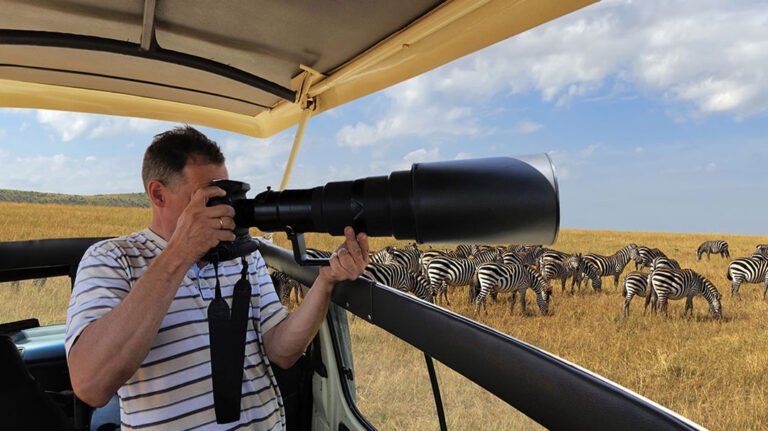
AFCON 2027 Mid Range Safari Packages Tanzania
Mwongozo wa safari ya kati ya AFCON 2027 Tanzania kutoka Climb 4 Africa: mipango ya njia, maeneo ya msitu wa serikali, na usalama wa wasafiri. Onyesha jinsi ya kuchagua kilima cha kati...
View package detailsThree Day Serengeti Safari During AFCON 2027
Mwongozo wa kiutendaji kwa safari ya siku tatu ya Serengeti wakati AFCON 2027, ukijumuisha mwelekeo wa maeneo, ratiba ya siku, na ushauri wa ubashiri wa kupanga pamoja na jinsi ya...
View package details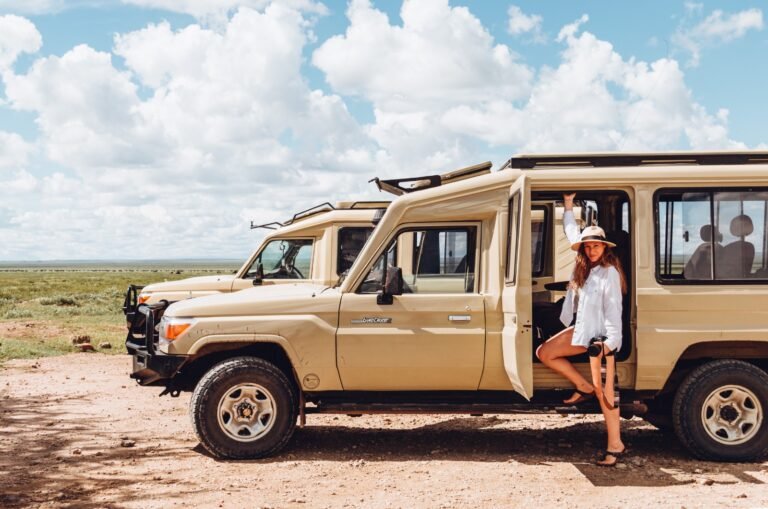
AFCON 2027 Tarangire Safari Packages
Mpango wa safari ya Tarangire katika AFCON 2027 unaangazia mbuga ya Tarangire, nyakati za mwitu, mipango ya kulala na usafiri wa ndani, na jinsi ya kupanga kwa ufanisi pamoja na Climb 4...
View package details
Kilimanjaroo Airport to AFCON Host City Transfer
Katika ukurasa huu wa kina, tunakuletea mwongozo wa kina juu ya jinsi ya kuhamisha kutoka Uwanja wa Kilimanjaro kwenda mjini litakalohudhuria AFCON 2027, pamoja na mapendekezo ya usafiri...
View package details
Safari Before or After AFCON Match in Dar es Salaam
Epuka usumbufu wa ratiba, panga safari ya wanyama kabla au baada ya mechi za AFCON katika Dar es Salaam na mwongozo wa kuwasiliana na wataalamu wa Climb 4 Africa.
View package details
AFCON 2027 Tours and Safaris with Local Operators
A practical guide to AFCON 2027 travel in East Africa with Climb 4 Africa, outlining routes, planning tips, and how local operators deliver dependable football-and-safari experiences.
View package detailsTanzania Safari Tours for AFCON 2027 Fans
Muhtasari wa safari za Tanzania kwa mashabiki wa AFCON 2027: maeneo ya hifadhi, mizunguko ya wildlife, usalama wa safari, na jinsi ya kupanga na kuhudumiwa na Climb 4 Africa.
View package detailsNo related package matches those filters. Clear one or more filters to see the other topic-matched options.