
A Kilimanjaro Charity Challenge Expedition offers a powerful way to summit Africa’s highest peak while raising vital funds for a chosen cause. Typically, these expeditions involve selecting a reputable tour operator like Climb 4 Africa, who provide expert logistical support, experienced guides, and safety protocols essential for reaching Uhuru Peak. The challenge combines personal endurance with significant fundraising efforts, often spanning several months of preparation and culminating in a 5-9 day trek on one of Kilimanjaro’s established routes, such as Machame or Lemosho, during the optimal climbing seasons of 2026 and 2027.
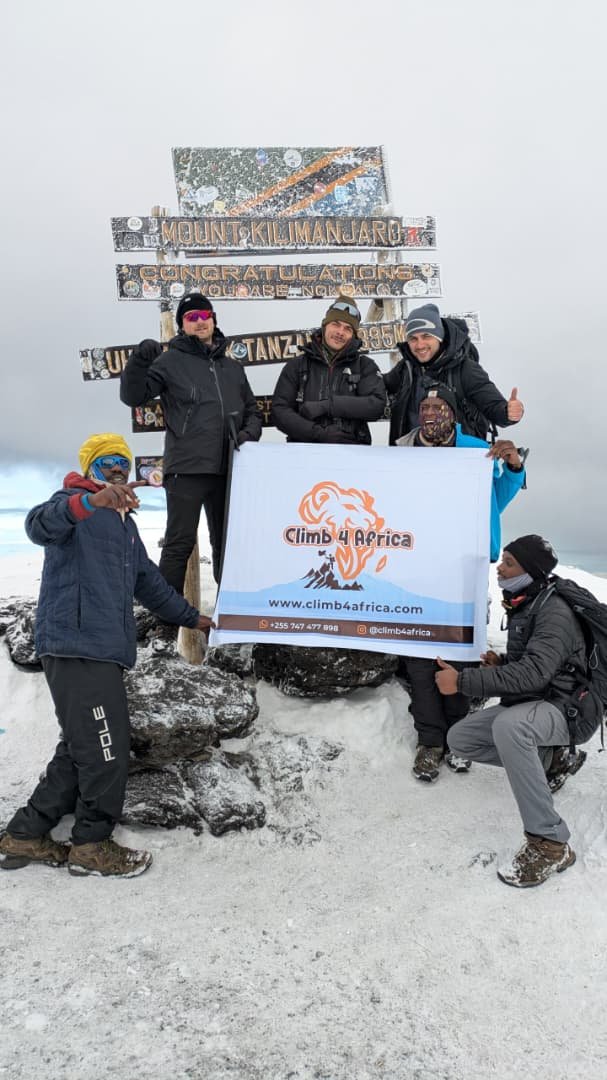
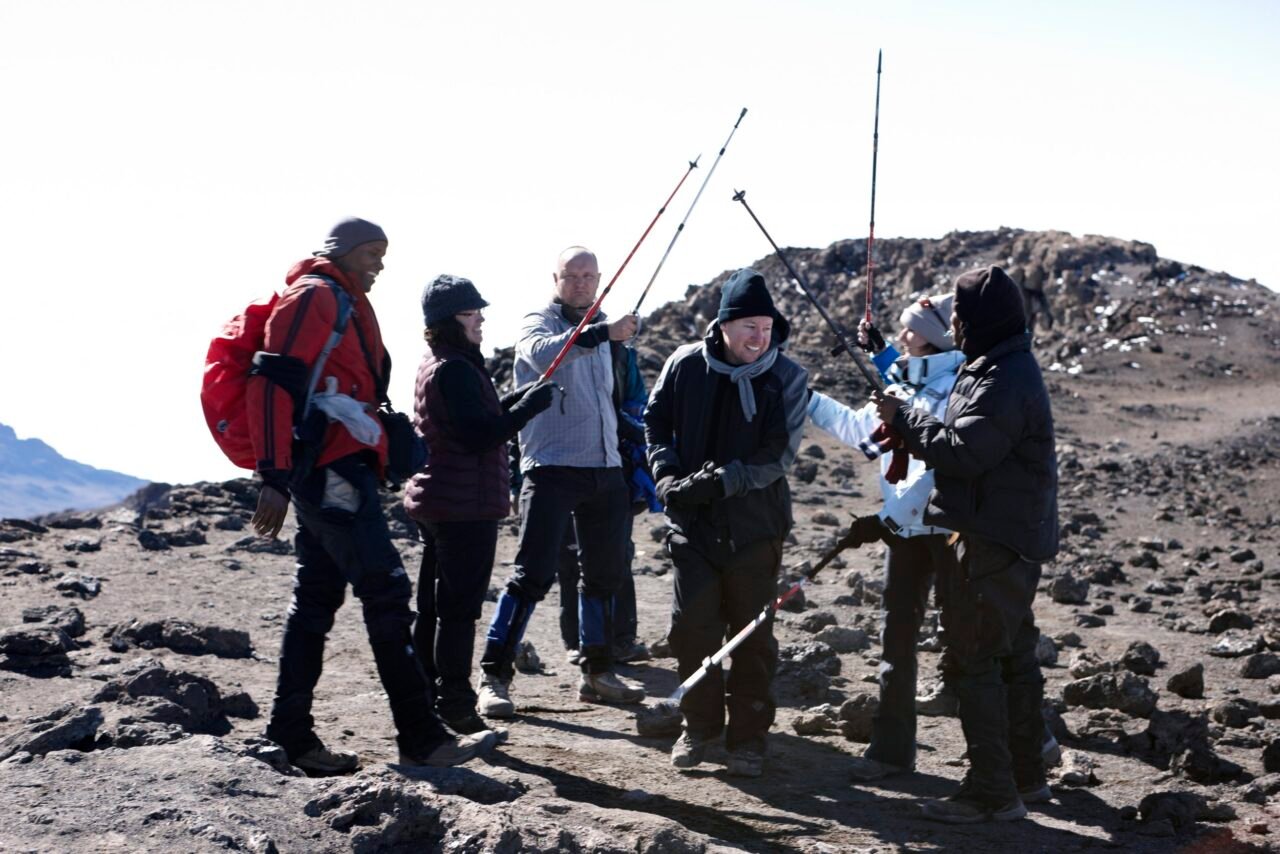

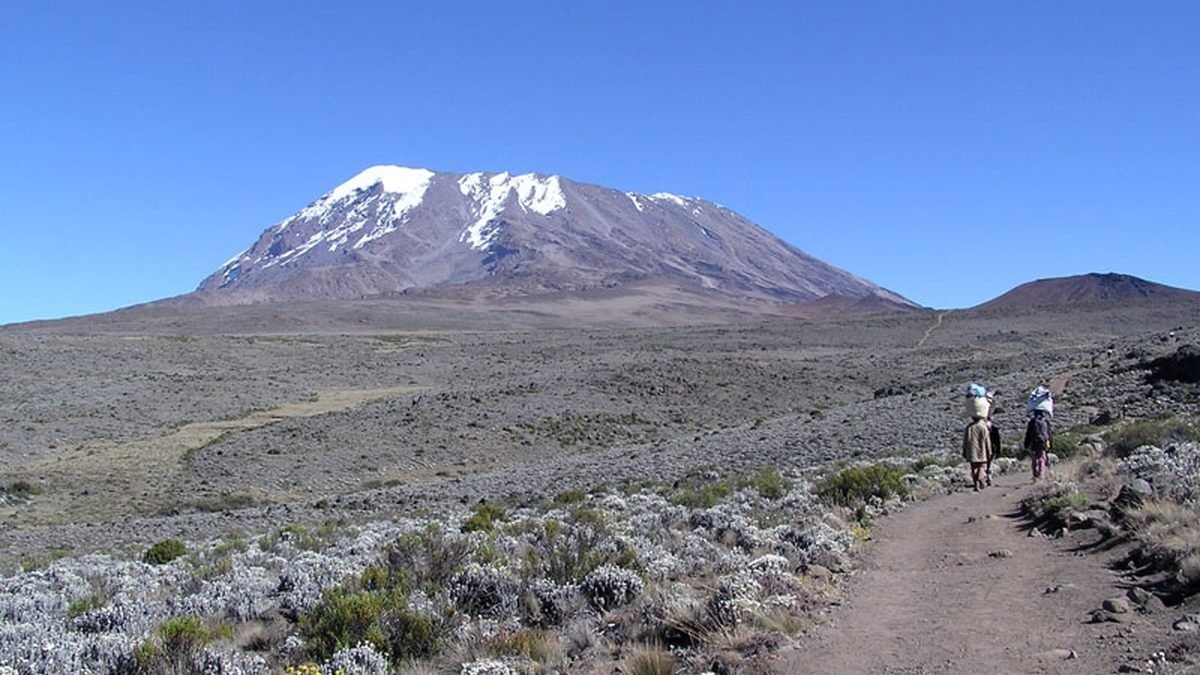
This guide is designed to equip you with comprehensive knowledge for undertaking a Kilimanjaro Charity Challenge Expedition. We will explore the unique aspects of climbing for a cause, the practical planning required, route considerations, essential preparation, and how partnering with an experienced local operator like Climb 4 Africa can elevate your experience and ensure your fundraising efforts are supported by a robust, safe, and ethical expedition.
Understanding the Kilimanjaro Charity Challenge Expedition
A Kilimanjaro Charity Challenge Expedition is more than just a trek; it’s a commitment. It involves a dual objective: successfully ascending Mount Kilimanjaro and simultaneously generating funds for a charity or social cause close to your heart. This endeavor requires meticulous planning, physical and mental fortitude, and a strategic approach to fundraising.
The Dual Purpose: Personal Achievement and Philanthropic Impact
The allure of standing on the roof of Africa is undeniable. However, for those undertaking a charity challenge, the summit represents a culmination of weeks, if not months, of dedicated fundraising. The personal satisfaction derived from achieving a significant physical feat is amplified by the knowledge that each step taken, each dollar raised, contributes to a cause that can profoundly impact lives. This synergy between personal accomplishment and altruistic contribution makes Kilimanjaro charity climbs exceptionally rewarding.
When you choose to start a Kilimanjaro Charity Challenge Expedition, you are aligning your personal goals with a larger mission. This often means engaging with your community, sharing your journey, and inspiring others to support your chosen charity. The climb becomes a platform for awareness and a catalyst for change, extending its impact far beyond the mountain itself.
Why Kilimanjaro is Ideal for Charity Challenges
Kilimanjaro’s status as the world’s highest free-standing mountain and its accessibility to reasonably fit individuals make it a popular choice for charity expeditions. Unlike technical peaks requiring advanced mountaineering skills, Kilimanjaro can be summited by those with good physical condition and mental determination, often aided by specialized high-altitude trekking techniques. This broad accessibility means a wider range of people can participate, increasing the potential for fundraising.
Furthermore, the iconic nature of Kilimanjaro captures public imagination. News of individuals or groups climbing this famous mountain for charity often garners significant attention, which is invaluable for fundraising campaigns. The dramatic landscapes, the challenge of altitude, and the sheer scale of the mountain create compelling narratives that resonate with potential donors. For 2026 and 2027, Kilimanjaro continues to be a prime destination for those seeking a meaningful challenge with a charitable outcome.
The Role of a Local Operator in Charity Climbs
Successfully executing a Kilimanjaro Charity Challenge Expedition hinges on reliable logistics and expert support. This is where a seasoned local operator, such as Climb 4 Africa, becomes indispensable. They handle the intricate details of the climb, allowing you and your fundraising team to focus on your primary goal: raising funds and enjoying the journey.
A local operator’s expertise encompasses:
- Route Planning & Logistics: Selecting the most suitable route based on group fitness, acclimatization profiles, and desired experience.
- Experienced Guides & Crew: Providing knowledgeable guides who understand altitude sickness, mountain safety, and local culture. A well-trained support crew (porters, cooks) is crucial for comfort and efficiency.
- Safety Protocols: Implementing comprehensive safety measures, including emergency procedures, oxygen supplies, and communication systems.
- Permits & Park Fees: Managing all necessary documentation and payments for national park access.
- Accommodation & Meals: Arranging comfortable camping or hut accommodations and providing nutritious meals tailored to high-altitude trekking.
- Ethical Practices: Ensuring fair treatment of porters and adherence to environmental guidelines, which is paramount for responsible charity expeditions.
Partnering with Climb 4 Africa for your Kilimanjaro Charity Challenge Expedition means leveraging years of local knowledge and operational excellence. This foundation ensures that your focus remains on your fundraising mission, confident in the knowledge that every aspect of the climb is managed professionally and safely, especially as you plan for potential climbs in 2026 or 2027.
Planning Your Kilimanjaro Charity Challenge Expedition
Embarking on a Kilimanjaro Charity Challenge Expedition requires foresight and detailed planning, encompassing both the fundraising aspect and the logistical preparations for the climb itself. Early planning is key, especially if you are targeting specific dates in 2026 or 2027.
Setting Your Fundraising Goals and Choosing a Charity
The first critical step is defining your fundraising target. This should be realistic yet ambitious, considering the cause you wish to support and the potential donor base you can reach. Research different charities to find one whose mission resonates deeply with you and your network. Ensure the charity is reputable and transparent in its operations.
Key Considerations for Fundraising:
- Mission Alignment: Choose a charity whose work you are passionate about. Your genuine enthusiasm will be infectious and motivate potential donors.
- Impact: Understand how the funds raised will be used. Clear examples of impact make compelling donation appeals.
- Recognition: Consider if the charity offers any support for your fundraising efforts, such as promotional materials or a dedicated online fundraising page.
Once your charity and goal are set, establish a timeline for your fundraising activities, aiming to build momentum well in advance of your expedition dates in 2026 or 2027.
Selecting the Right Expedition Operator
The choice of tour operator is paramount for a successful Kilimanjaro Charity Challenge Expedition. Climb 4 Africa stands out as an expert local operator deeply familiar with Kilimanjaro and dedicated to providing exceptional support. When evaluating operators, consider:
- Experience and Reputation: Look for operators with a proven track record, positive reviews, and extensive experience specifically on Kilimanjaro.
- Safety Standards: Ensure they have robust safety protocols, including trained guides, emergency procedures, and adequate equipment.
- Inclusions and Exclusions: Understand exactly what is covered in the expedition cost (park fees, crew wages, meals, accommodation, transfers) and what is not (tips, personal gear, travel insurance).
- Ethical Practices: Verify their commitment to fair wages and treatment of their mountain crew, a crucial aspect of responsible tourism.
- Support for Charity Climbers: Some operators may offer specific packages or support for charity expeditions, such as flexible payment terms or assistance with fundraising promotion.
Climb 4 Africa offers bespoke Kilimanjaro Charity Challenge Expedition planning, ensuring all your logistical needs are met while supporting your fundraising mission. Their local expertise guarantees a high standard of service and safety.
Choosing Your Expedition Route and Dates (2026-2027)
Kilimanjaro offers several routes, each with varying difficulty, scenery, acclimatization profiles, and duration. For a charity challenge, balancing success rate with the overall experience is key. Routes like Machame and Lemosho are highly recommended for their excellent acclimatization profiles, leading to higher summit success rates.
- Machame Route: Often called the ‘Whiskey Route’, it’s popular for its scenic beauty and challenging terrain, offering good acclimatization over 6-7 days.
- Lemosho Route: Known for its stunning scenery and excellent acclimatization, typically taking 7-8 days, it provides a more remote experience initially.
- Marangu Route: The ‘Coca-Cola Route’ is the oldest and the only one with hut accommodation, but its ascent profile is steeper, leading to lower acclimatization and success rates. Not ideal for a charity challenge where success is paramount.
Recommended Durations for Charity Climbs:
- 6-day climbs: Possible but generally not recommended due to rushed acclimatization, leading to lower success rates and higher risk of altitude sickness.
- 7-day climbs: A good balance of acclimatization and time on the mountain, suitable for many trekkers.
- 8-day climbs: Offer the best acclimatization profile, significantly increasing summit success rates and overall enjoyment. This is often the preferred choice for charity challenges where every effort counts.
When planning for 2026-2027, consider the best climbing seasons: January-March and June-October. These periods offer clearer skies and milder temperatures. Your chosen operator can advise on the optimal timing for your specific route and goals.
Budgeting for Your Kilimanjaro Charity Expedition
Understanding the costs involved in a Kilimanjaro Charity Challenge Expedition is crucial. The expedition fee paid to the operator typically covers park entry fees, camping/hut fees, rescue fees, guide and porter salaries, food, and transfers. However, additional costs will include:
- Operator Expedition Fee: This varies based on the operator, route, duration, and group size. Climb 4 Africa offers competitive pricing for high-quality, ethical expeditions.
- Flights: International flights to Kilimanjaro International Airport (JRO).
- Visas: For Tanzania.
- Travel Insurance: Comprehensive insurance covering high-altitude trekking and emergency evacuation is mandatory.
- Personal Gear: Trekking clothing, boots, sleeping bags, etc.
- Vaccinations & Medications: Consult your doctor for recommended health precautions.
- Tips for Crew: A significant component, typically paid in USD cash at the end of the trek.
- Personal Expenses: Souvenirs, extra snacks, drinks.
- Pre/Post-Climb Accommodation: If extending your stay in Tanzania.
Important Note: Most participants in a Kilimanjaro Charity Challenge Expedition treat the operator’s fee as their personal expedition cost, while the funds they raise go directly to the charity. Some charities may require a minimum fundraising amount that covers your expedition costs, while others have no such requirement, allowing all raised funds to go directly to their cause. Clarify this with your chosen charity and operator.
Key Booking Decisions for 2026-2027
When booking your Kilimanjaro Charity Challenge Expedition for 2026 or 2027, confirm the following with Climb 4 Africa:
- Exact Inclusions: What specific services are covered in the quoted price?
- Crew Welfare: How are porters and guides treated and compensated?
- Safety Equipment: What emergency equipment is carried? (e.g., oxygen, first aid kits)
- Acclimatization Strategy: Does the itinerary follow recommended acclimatization principles?
- Payment Schedule: What deposit is required, and when is the balance due?
- Cancellation Policy: Understand the terms and conditions for cancellations.
Making these confirmations early ensures a smooth planning process and a secure booking for your impactful Kilimanjaro Charity Challenge Expedition.
Preparing for Your Kilimanjaro Charity Challenge
Physical and mental preparation are cornerstones of a successful Kilimanjaro Charity Challenge Expedition. The altitude, demanding terrain, and variable weather conditions require a dedicated training regimen.
Physical Training Regimen
Your training should focus on cardiovascular fitness, muscular endurance, and strength, particularly in your legs and core. The goal is to prepare your body for long days of trekking with a heavy pack (even though porters carry most gear, you’ll carry a daypack) at increasing altitudes.
- Cardiovascular Endurance: Aim for at least 3-4 sessions per week. Activities like running, cycling, swimming, and hiking are excellent. Gradually increase the duration and intensity.
- Hiking with Inclines: Mimic the mountain environment by hiking on hills or stairs with a weighted backpack. Start with a lighter load and gradually increase it to 10-15 kg.
- Strength Training: Focus on exercises like squats, lunges, step-ups, and core work (planks, crunches) to build leg and core strength.
- Stamina Building: Incorporate longer hikes (4-6 hours) on weekends, simulating a full day on the mountain.
- Consistency: Begin your training at least 3-4 months before your expedition. Consistency is more important than intensity.
Acclimatization Strategies and Altitude Sickness
Altitude sickness (Acute Mountain Sickness – AMS) is the most significant risk on Kilimanjaro. Proper acclimatization is the best prevention. This is achieved by:
- Slow Ascent: Choose a longer route (7-8 days) that allows for a gradual ascent, following the principle of “climb high, sleep low.”
- Hydration: Drink plenty of water (3-4 liters per day). Avoid alcohol and caffeine, which can dehydrate you.
- Pacing: Walk slowly (“pole pole” – slowly, slowly in Swahili) and take frequent short breaks. Avoid overexertion.
- Monitoring Symptoms: Be aware of AMS symptoms: headache, nausea, dizziness, fatigue, loss of appetite, and difficulty sleeping. Report any symptoms to your guide immediately.
- Medication: Consult your doctor about Diamox (acetazolamide), a prescription medication that can aid acclimatization. Climb 4 Africa’s guides are trained to manage altitude sickness and will monitor your condition closely.
Your Kilimanjaro Charity Challenge Expedition should prioritize safety, and understanding altitude is paramount.
Essential Gear and Packing List
Packing correctly is vital for comfort and safety. Layering is key to adapting to the extreme temperature fluctuations on Kilimanjaro, from tropical at the base to arctic at the summit.
Key Gear for Your Kilimanjaro Charity Challenge Expedition:
- Clothing:
- Moisture-wicking base layers (thermal tops and bottoms)
- Mid-layers (fleece or down jacket)
- Waterproof and windproof outer shell (jacket and trousers)
- Insulated, waterproof down jacket (for summit night)
- Trekking trousers (quick-drying)
- Warm hat (beanie) and sun hat
- Gloves (liner gloves and warm, waterproof outer gloves)
- Footwear:
- Broken-in, waterproof hiking boots
- Camp shoes or comfortable trainers
- Several pairs of warm, moisture-wicking socks (wool or synthetic)
- Equipment:
- Backpack (40-60 liters for daypack, 80-100 liters for duffel bag carried by porters)
- Sleeping bag (rated to -15°C or -20°C / 0°F or -4°F)
- Sleeping pad (if not provided, or for extra comfort)
- Trekking poles
- Headlamp with extra batteries
- Water bottles or hydration reservoir (at least 3 liters capacity)
- Water purification tablets or filter
- Sunscreen (high SPF) and lip balm with SPF
- Sunglasses (UV protection)
- Personal first-aid kit (including blister treatment, pain relievers, any personal medications)
- Toiletries (biodegradable soap, toothbrush, toothpaste, wet wipes)
- Quick-drying towel
- Camera and extra batteries/power bank
- Snacks (energy bars, nuts, dried fruit)
Climb 4 Africa can provide a more detailed packing list upon booking your Kilimanjaro Charity Challenge Expedition.
Mental Preparation and Mindset
The mental aspect of climbing Kilimanjaro cannot be overstated. The trek can be physically demanding, with long days and challenging conditions, especially on summit night. Cultivating a positive and resilient mindset is crucial.
- Embrace the Challenge: View difficulties as temporary and part of the adventure.
- Focus on the Goal: Keep your fundraising purpose and the summit in mind to stay motivated.
- Patience: Understand that progress can be slow, especially at altitude. ‘Pole pole’ is not just a pace, but a philosophy.
- Teamwork: Encourage and support your fellow climbers and the support crew.
- Flexibility: Be prepared for changing weather conditions and unexpected situations.
Your Kilimanjaro Charity Challenge Expedition is a journey of both physical and mental endurance.
Understanding the Kilimanjaro Routes for Charity Climbers
Choosing the right route is a fundamental decision for any Kilimanjaro climb, but it takes on added significance for a Kilimanjaro Charity Challenge Expedition. The route directly impacts acclimatization, scenery, difficulty, and overall success rates, all critical factors when you have fundraising goals and a committed group.
Route Comparison for Optimal Acclimatization and Success
While Kilimanjaro can be climbed on various routes, not all are created equal, especially when considering the demands of a charity challenge where maximizing the chances of summiting is paramount. Operators like Climb 4 Africa prioritize routes that offer the best acclimatization profiles.
Key Routes and Their Suitability for Charity Climbers:
- Lemosho Route (7-8 Days): Often considered the most scenic and offers excellent acclimatization. It starts in the west, traversing the Shira Plateau before joining the Machame route. Its longer duration (7 or 8 days) is ideal for charity expeditions as it allows for better acclimatization, significantly boosting summit success rates. The initial days offer a more remote trekking experience.
- Machame Route (6-7 Days): The most popular route, known for its scenic beauty and challenging ascents and descents, which aid acclimatization. A 7-day Machame climb is highly recommended for charity challengers over the 6-day option to improve acclimatization and success rates. It’s a camping route with a good balance of difficulty and reward.
- Northern Circuit (9 Days): The longest route, offering the highest success rate due to its exceptional acclimatization profile. It circles the mountain, providing unique views and a less crowded experience. While longer, this route is excellent for those prioritizing comfort, acclimatization, and summit success for their Kilimanjaro Charity Challenge Expedition.
- Rongai Route (6-7 Days): Approaches from the north, making it a good option during the rainy seasons. It’s generally less scenic than western routes and has a less gradual acclimatization profile, especially on shorter itineraries. A 7-day Rongai is better than a 6-day.
- Marangu Route (5-6 Days): The only route with dormitory-style hut accommodation. However, its direct ascent profile offers poor acclimatization, leading to lower success rates. It’s generally not recommended for serious charity challenges where summit success is a primary objective.
For a Kilimanjaro Charity Challenge Expedition, Climb 4 Africa strongly recommends routes of 7 days or longer, with Lemosho, Machame (7 days), or the Northern Circuit being the top choices. These routes provide the necessary time for your body to adapt to the altitude, which is crucial for both safety and achieving your summit goal.
Summit Night and Descent
Summit night is the most challenging part of the climb. Typically, you will start your ascent from Kibo Huts or Barafu Camp around midnight, trekking through the night towards Uhuru Peak. The conditions are cold, the altitude is extreme, and the path is steep scree.
Key aspects of Summit Night:
- Pacing: Maintain a slow, steady pace. Focus on each step.
- Hydration and Energy: Sip water and consume energy-rich snacks regularly.
- Warmth: Layer up significantly. Wear your warmest gear, including your down jacket, hat, and gloves.
- Guide Support: Your guides will be with you constantly, monitoring your condition and offering encouragement.
- Sunrise: The sunrise over the clouds from the crater rim is a spectacular reward.
The descent is often overlooked but can be equally demanding. Trekking down steep scree can be hard on the knees and requires concentration. Many people find the descent more tiring than the ascent.
Climb 4 Africa ensures your guides are highly trained to manage summit night and the descent safely, maximizing your chances of a successful and memorable experience on your Kilimanjaro Charity Challenge Expedition.
Ethical Considerations and Responsible Trekking
Undertaking a Kilimanjaro Charity Challenge Expedition comes with a responsibility to trek ethically and minimize environmental impact. As a local operator deeply invested in the region, Climb 4 Africa champions responsible tourism practices.
Porter Welfare and Fair Treatment
Porters are the backbone of Kilimanjaro expeditions. Ensuring their fair treatment, adequate wages, and proper equipment is a moral imperative and a requirement for responsible operators. Climb 4 Africa is committed to:
- Fair Wages: Paying porters above the minimum recommended rates set by the Kilimanjaro National Park authority (KINAPA) and the Kilimanjaro Porters Assistance Project (KPAP).
- Adequate Food and Shelter: Providing sufficient, nutritious meals and ensuring porters have appropriate shelter and sleeping gear.
- Proper Clothing and Footwear: Ensuring porters are equipped with suitable gear for the mountain conditions.
- Weight Limits: Adhering to regulated weight limits for porter loads.
- Respectful Interaction: Fostering a culture of respect between trekkers, guides, and porters.
When choosing Climb 4 Africa for your Kilimanjaro Charity Challenge Expedition, you are supporting an operator that prioritizes the well-being of its mountain crew, ensuring a more ethical and sustainable climb for everyone involved.
Environmental Impact and Leave No Trace Principles
Kilimanjaro’s unique ecosystems are fragile. Adhering to ‘Leave No Trace’ principles is essential to preserve the mountain’s beauty for future generations and for all Kilimanjaro Charity Challenge Expeditions.
- Pack It In, Pack It Out: All trash, including biodegradable items like fruit peels, must be carried down from the mountain.
- Stay on Trails: Avoid shortcuts, which cause erosion.
- Respect Wildlife: Do not feed or disturb animals.
- Proper Waste Disposal: Use designated toilets or dig catholes appropriately when necessary.
- Campfire Policy: Campfires are generally prohibited on Kilimanjaro. Use camp stoves for cooking.
- Respect Vegetation: Do not pick plants or carve into trees.
Climb 4 Africa actively educates its clients and crew on these principles, ensuring every Kilimanjaro Charity Challenge Expedition contributes positively to the mountain’s preservation.
Supporting Local Communities
Responsible tourism extends to benefiting the local communities surrounding Kilimanjaro. Climb 4 Africa engages with local suppliers, employs local guides and crew, and supports community initiatives. By choosing an operator with strong local ties, your charity climb contributes directly to the Tanzanian economy and the livelihoods of its people.
Maximizing Your Kilimanjaro Charity Challenge Expedition Experience
Beyond the essential planning and preparation, several factors can enhance your Kilimanjaro Charity Challenge Expedition, making it not only successful but also deeply memorable and impactful.
The Importance of a Good Guide and Support Crew
Your guides and support crew are instrumental to your success and well-being on Kilimanjaro. A good guide is not just knowledgeable about the mountain; they are also adept at:
- Monitoring Health: Vigilantly checking for signs of altitude sickness.
- Pacing and Morale: Encouraging you and setting an appropriate pace.
- Safety: Making critical decisions regarding safety and acclimatization.
- Cultural Insights: Sharing knowledge about local culture and the mountain’s environment.
Climb 4 Africa prides itself on employing highly experienced, certified guides and a dedicated, well-trained support crew. Their commitment to your safety and comfort is unwavering, ensuring your Kilimanjaro Charity Challenge Expedition is in the best hands.
Leveraging Your Climb for Greater Charity Impact
Your climb is a powerful platform. Think beyond just reaching the summit; consider how you can maximize the awareness and fundraising potential of your Kilimanjaro Charity Challenge Expedition.
- Storytelling: Document your journey (photos, videos, blog posts) and share it regularly with your network. Highlight the challenges, the beauty, and the purpose behind your climb.
- Engage Sponsors: Keep your sponsors updated on your progress and the impact their donations are making.
- Media Outreach: If appropriate, contact local media or your charity’s communications team to promote your expedition.
- Post-Climb Engagement: Share your success and final fundraising results upon your return.
Partnering with Climb 4 Africa for your Kilimanjaro Charity Challenge Expedition allows you to focus on these engagement strategies, knowing the expedition logistics are flawlessly managed.
Post-Climb Celebrations and Reflection
Reaching Uhuru Peak is an incredible achievement, but the journey doesn’t end there. Taking time for reflection and celebration is an important part of the experience.
- Summit Celebration: Allow yourself a moment of pure joy at the summit.
- Crew Appreciation: Express your gratitude to your guides and porters. The tipping ceremony is a significant cultural moment.
- Post-Climb Relaxation: Consider adding a Zanzibar holiday or a safari with Climb 4 Africa to relax and celebrate your success.
- Reflect on Impact: Think about the personal growth experienced and the difference your fundraising will make.
A Kilimanjaro Charity Challenge Expedition is a life-changing event, and taking the time to appreciate it fully enhances its value.
Booking Your Kilimanjaro Charity Challenge Expedition with Climb 4 Africa
Ready to take on the challenge of a lifetime while making a difference? Climb 4 Africa is your expert local partner for a safe, ethical, and successful Kilimanjaro Charity Challenge Expedition.
Why Choose Climb 4 Africa?
As a leading Tanzanian tour operator, Climb 4 Africa offers unparalleled expertise, commitment to safety, and a deep understanding of Kilimanjaro. We provide:
- Local Knowledge: On-the-ground expertise ensures authentic experiences and efficient logistics.
- Safety First: Comprehensive safety protocols, including well-equipped guides and emergency plans.
- Ethical Operations: Fair treatment and compensation for our mountain crew.
- Tailored Experiences: We work with you to plan the perfect expedition, whether for 2026 or 2027, aligning with your fundraising goals.
- Excellent Support: From initial inquiry to post-climb services, our team is dedicated to your satisfaction.
Next Steps for Your 2026-2027 Expedition
Planning a Kilimanjaro Charity Challenge Expedition is a significant undertaking, and we are here to guide you every step of the way.
To begin planning your climb for 2026 or 2027, we recommend the following:
- Contact Us: Reach out to Climb 4 Africa to discuss your charity challenge aspirations.
- Discuss Options: We will help you select the best route, duration, and dates based on your goals and fitness.
- Fundraising Strategy: We can offer advice on structuring your fundraising efforts in conjunction with your expedition.
- Secure Your Booking: Once details are finalized, we will guide you through the booking process, including deposits and payment schedules.
Don’t miss the opportunity to start an unforgettable Kilimanjaro Charity Challenge Expedition in 2026 or 2027. Let Climb 4 Africa handle the complexities of the climb, so you can focus on your mission and personal achievement.
For personalized planning and expert advice on your Kilimanjaro Charity Challenge Expedition, contact Climb 4 Africa today.
WhatsApp: +255 747 477 898
Email: climb4africa@gmail.com
Let’s make your Kilimanjaro Charity Challenge Expedition a resounding success!
“,
“faq_schema”: [
{
“question”: “What is a Kilimanjaro Charity Challenge Expedition?”,
“answer”: “A Kilimanjaro Charity Challenge Expedition is a trek to the summit of Mount Kilimanjaro that combines personal achievement with fundraising for a chosen charity. It involves meticulous planning for both the physical climb and the fundraising campaign, with the goal of raising significant funds for a cause while successfully reaching Uhuru Peak.”
},
{
“question”: “What are the best routes for a Kilimanjaro Charity Challenge Expedition?”,
“answer”: “For charity challenges where summit success and acclimatization are paramount, longer routes like the Lemosho (7-8 days), Machame (7 days), or Northern Circuit (9 days) are highly recommended. These routes offer better acclimatization profiles, increasing the chances of reaching the summit safely.”
},
{
“question”: “How much physical training is needed for a Kilimanjaro Charity Challenge Expedition?”,
“answer”: “Significant physical training is required, focusing on cardiovascular fitness, leg strength, and endurance. This should include regular hiking with a weighted pack, stamina-building exercises, and strength training, ideally starting 3-4 months before the expedition. The goal is to prepare your body for sustained effort at high altitudes.”
},
{
“question”: “What are the main costs involved in a Kilimanjaro Charity Challenge Expedition?”,
“answer”: “Costs typically include the operator’s expedition fee (covering park fees, crew, food, logistics), international flights, visas, travel insurance (mandatory), personal gear, vaccinations, tips for the crew, and personal expenses. The funds raised through your efforts are separate and go to your chosen charity.”
},
{
“question”: “When is the best time to plan a Kilimanjaro Charity Challenge Expedition for 2026-2027?”,
“answer”: “The best climbing seasons for Kilimanjaro are January-March and June-October, offering clearer skies and more stable weather. Planning your expedition for these periods in 2026 or 2027 is advisable. Booking well in advance, especially for popular dates, is recommended.”
},
{
“question”: “How does Climb 4 Africa support Kilimanjaro Charity Challenge Expeditions?”,
“answer”: “Climb 4 Africa provides expert local support, including professional guides, ethical crew treatment, robust safety protocols, and logistical management. They help in selecting the best routes and itineraries for charity climbers, ensuring a safe and successful expedition while allowing participants to focus on their fundraising goals.”
},
{
“question”: “What is the role of altitude acclimatization on Kilimanjaro?”,
“answer”: “Acclimatization is crucial for preventing altitude sickness. Longer routes, slow ascent (‘pole pole’), adequate hydration, and avoiding overexertion are key strategies. Guides monitor climbers for symptoms, and longer itineraries are specifically designed to facilitate proper acclimatization for a higher summit success rate.”
}
]
}
“`
Check Availability for Kilimanjaro Charity Challenge Expedition – Climb For A Cause 2026-2027
Ready to compare dates, prices, and the best option for your group? Send the package name and travel month so the team can reply with a clear quote, availability, and what is included.
Kilimanjaro Climb July – Peak Dry-Season Group Departures 2027
Kilimanjaro Climb July 2027 – Peak Dry-Season Group Departures is explained with current 2027 planning, price, itinerary and booking information.
View package details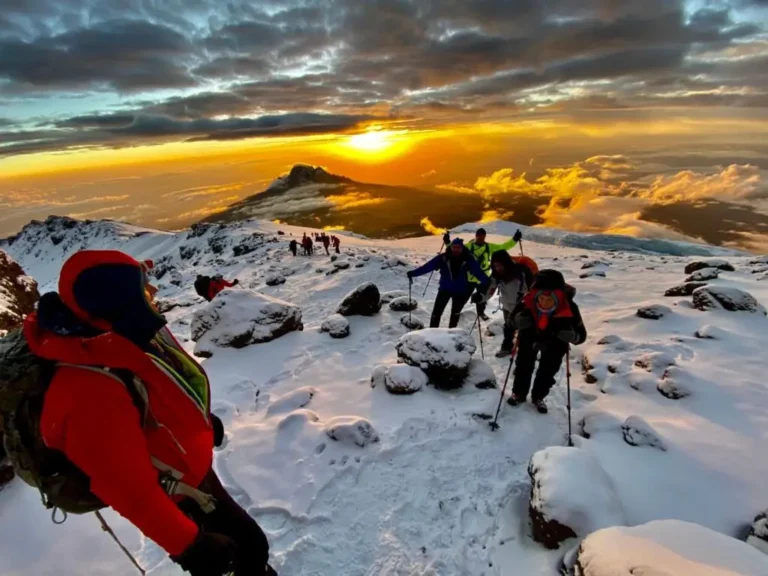
Marangu Route – 26 June Kilimanjaro Group Climb 2027
Marangu Route – 26 June 2027 Kilimanjaro Group Climb is explained with current 2027 planning, price, itinerary and booking information.
View package details8 Day Lemosho Route – 20 February Kilimanjaro Departure With Climb 4 Africa
This article details the 8-day Lemosho Route Kilimanjaro climb scheduled for February 20, 2027, focusing on planning, itinerary, and what makes this departure a unique opportunity with...
View package details
Kilimanjaro Climb February – Dry Season Groups And Availability 2027
Kilimanjaro Climb February 2027 – Dry Season Groups and Availability is explained with current 2027 planning, price, itinerary and booking information.
View package detailsLemosho Route – 7 August Summer Group Climb: Your Kilimanjaro Adventure 2027
start a memorable Lemosho Route – 7 August 2027 Summer Group Climb up Mount Kilimanjaro. This guide covers the itinerary, acclimatization, and preparation for your ascent.
View package details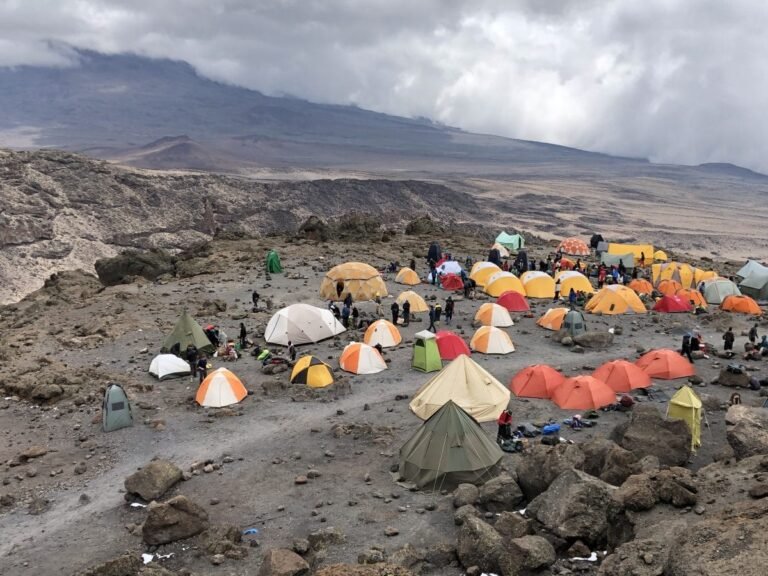
Family Kilimanjaro Climb August : Your Summer Holiday Adventure 2027
start an unforgettable Family Kilimanjaro Climb during August 2027. This guide covers the best routes, essential planning, and tips for a successful summer holiday ascent.
View package details
Uk August Bank Holiday Kilimanjaro Climb : Your Peak Season Adventure 2027
Planning a UK August Bank Holiday Kilimanjaro Climb in 2027 offers a prime opportunity to ascend Africa's highest peak during a favourable season. This guide details how to make the most of...
View package detailsLemosho Route – 28 August Kilimanjaro Group Climb 2027
Lemosho Route – 28 August 2027 Kilimanjaro Group Climb is explained with current 2027 planning, price, itinerary and booking information.
View package detailsKilimanjaro Full Moon Climb August – Summit Around 17 2027
start an unforgettable Kilimanjaro Full Moon Climb in August 2027, targeting a impressive summit on or around August 17th. This guide covers optimal routes, August conditions, and essential...
View package detailsLemosho Route – 12 August Kilimanjaro Group Climb With 4 Africa 2027
A detailed guide to the Lemosho Route Kilimanjaro climb for the 12 August 2027 group departure, covering itinerary, acclimatization, challenges, and what to expect with Climb 4 Africa.
View package details
Marangu Route – 4 August Kilimanjaro Hut Climb 2027
Marangu Route – 4 August 2027 Kilimanjaro Hut Climb is explained with current 2027 planning, price, itinerary and booking information.
View package details
Northern Circuit – 2 August Kilimanjaro Expedition: Your Ultimate Guide 2027
start the Northern Circuit route for your 2027 Kilimanjaro climb. This guide details the longest and most scenic path, ideal for acclimatization and success on August 2nd, 2027.
View package detailsNo related package matches those filters. Clear one or more filters to see the other topic-matched options.



